Aiki Pub: A Hidden Gem
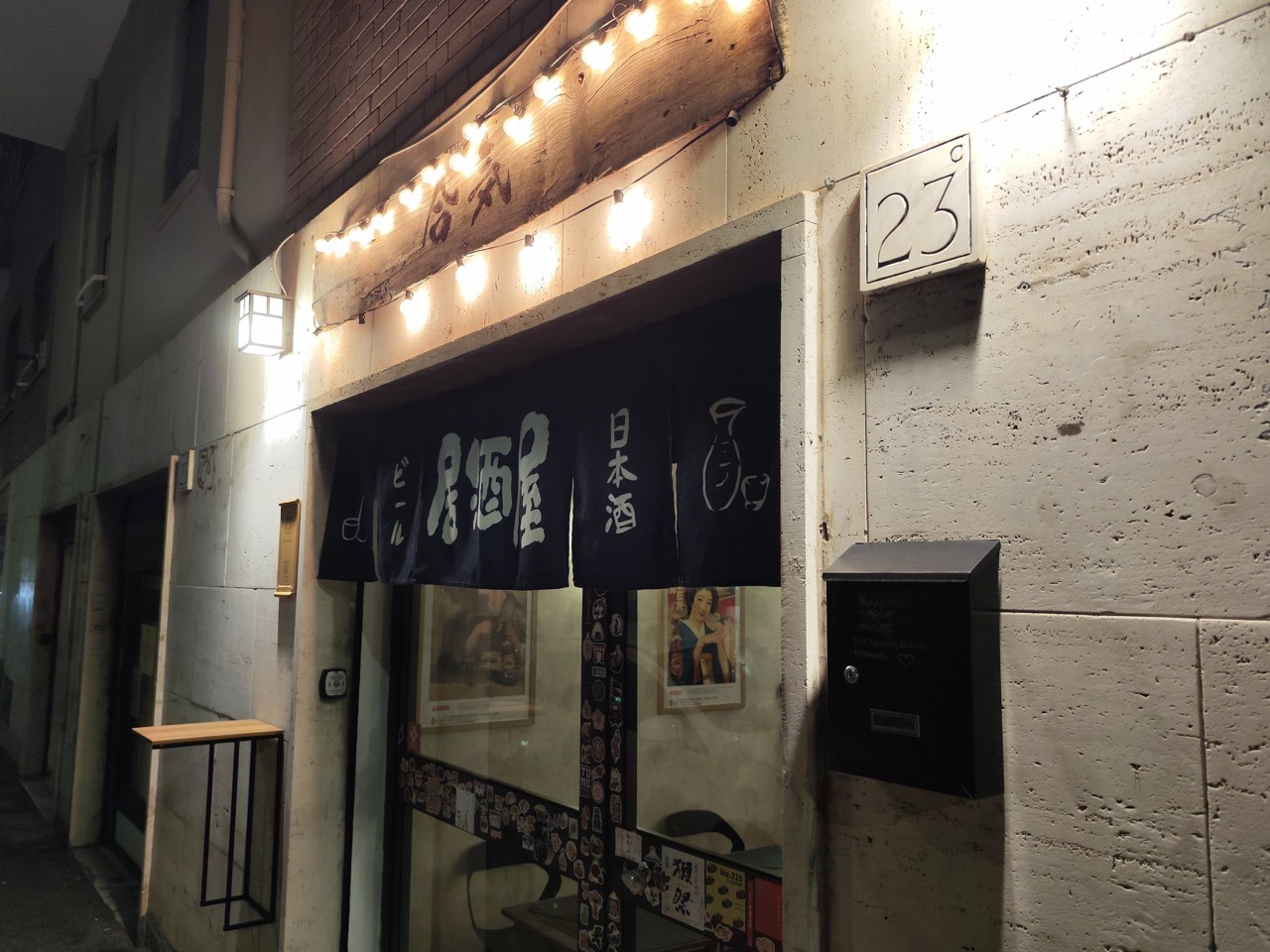
Located in the Portuense district, Aiki Pub stays true to the fundamentals of Japanese cuisine while adding subtle twists here and there. It’s the kind of place that resonates even more with those already familiar with Japanese food, something that can surprise even people who already have their go-to spots.
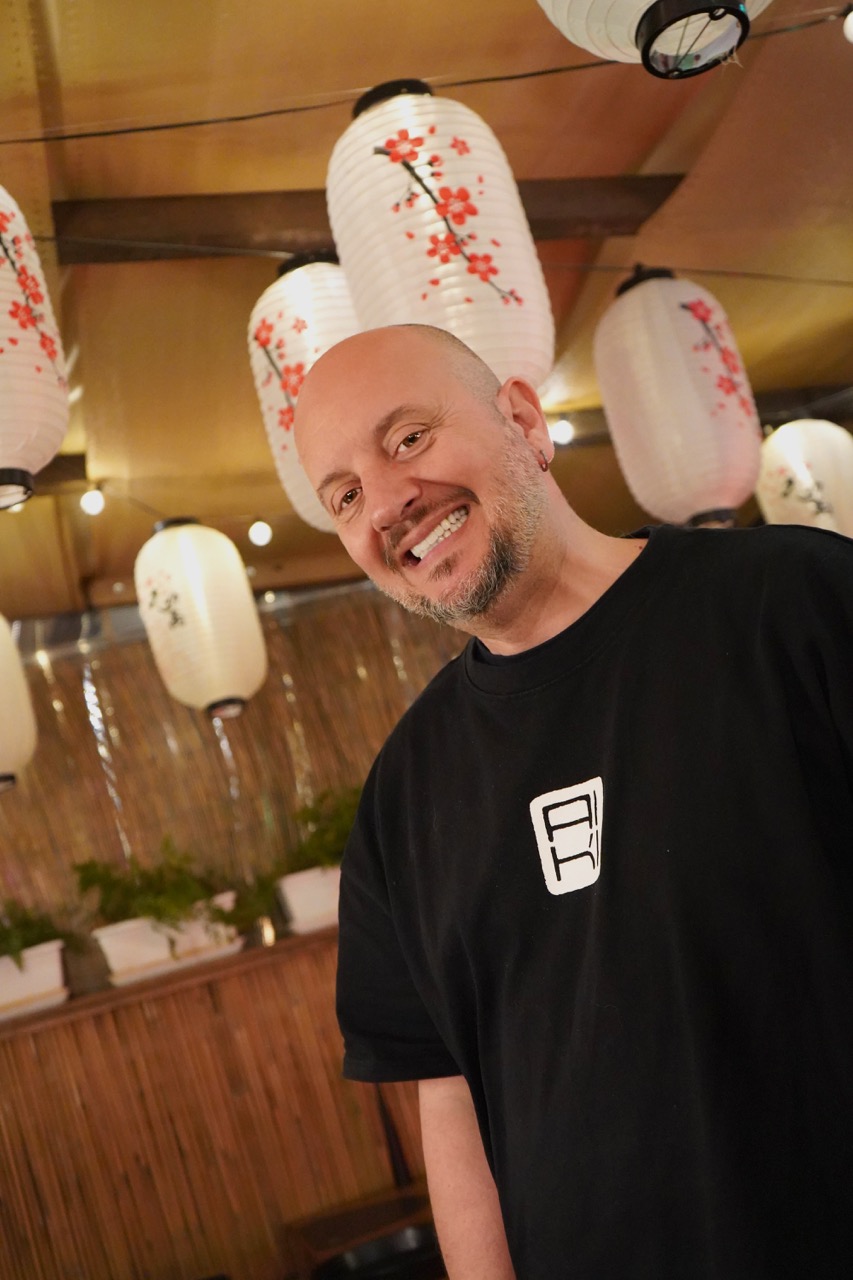
At its core, Aiki is an izakaya. The owner, Carlo Cocorullo, was inspired by Japan’s izakaya culture and opened the restaurant with the idea of creating a place where people can enjoy good drinks in a relaxed, unpretentious way. You can feel that concept the moment you step inside.
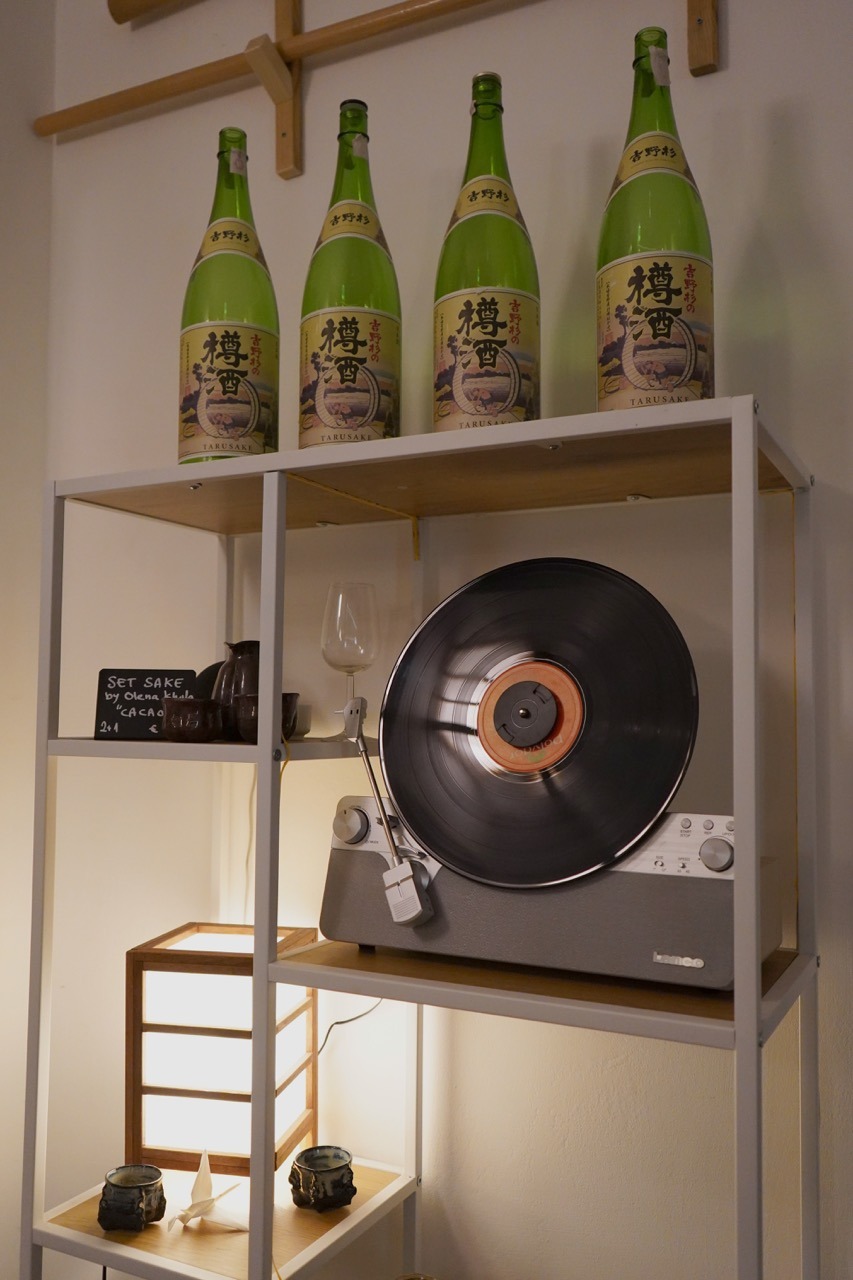
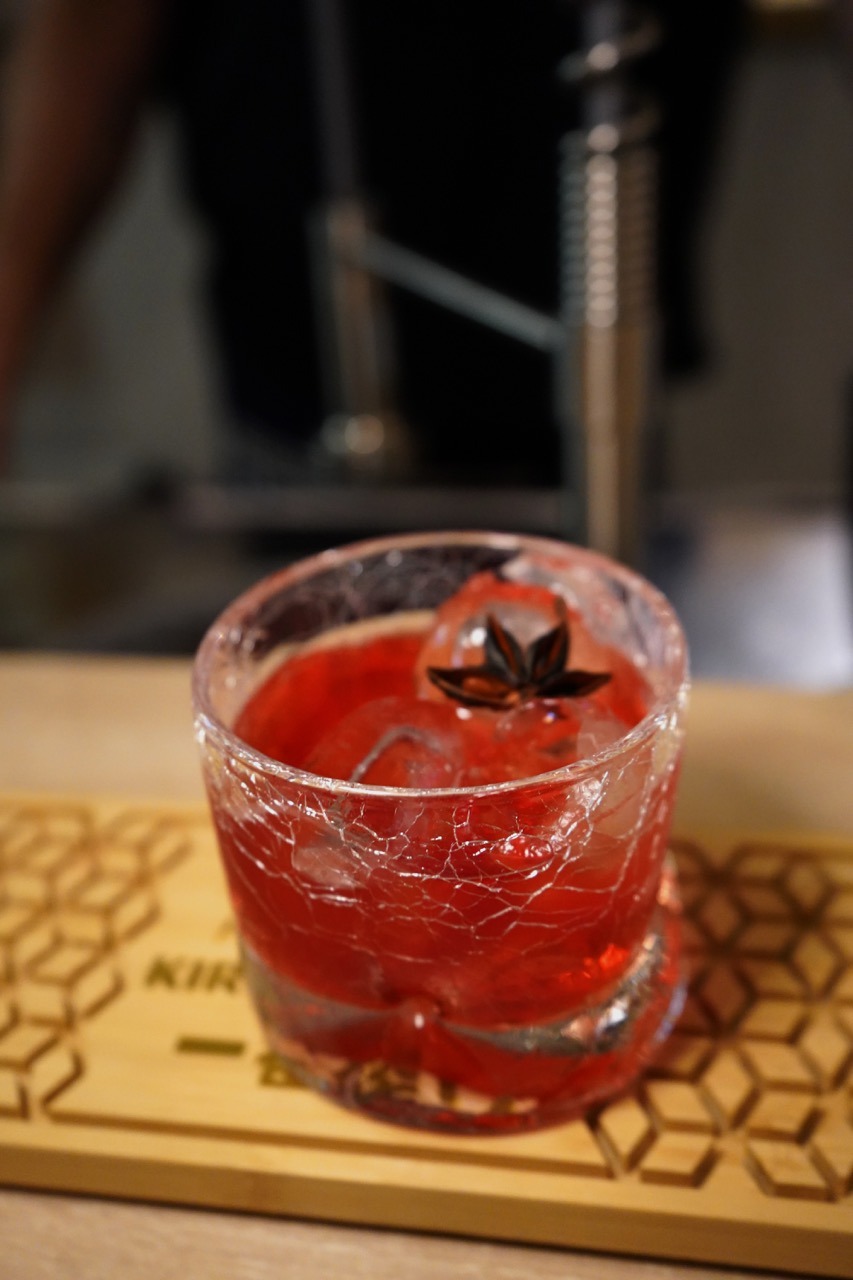
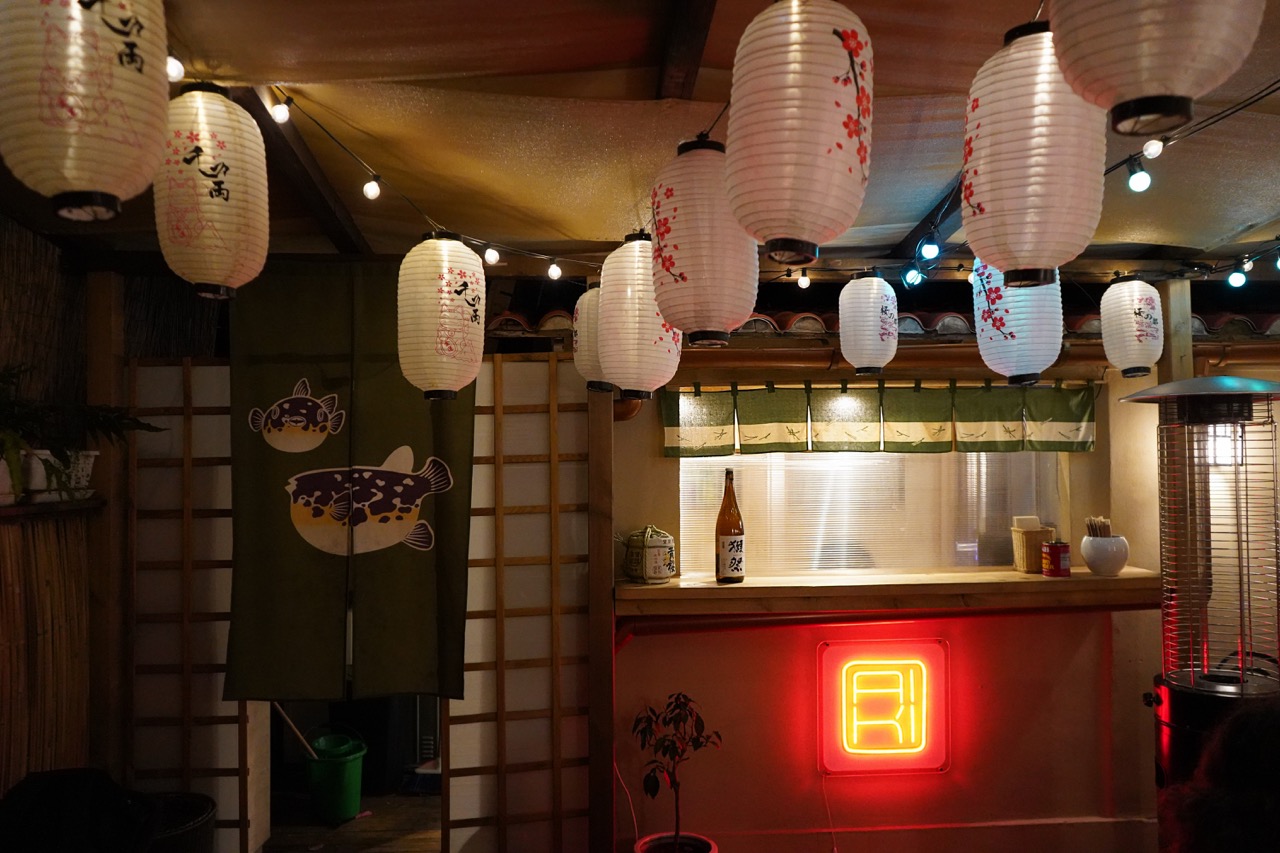
The first thing that catches your eye is the large counter, naturally drawing people in and becoming the center of the space. The drink selection is wide-ranging, not only sake, but also beer, shochu, cocktails, and even kombucha.
The interior is wrapped in soft lighting, creating an atmosphere that immediately puts you at ease. There may be no cherry blossoms, but the rows of hanging lanterns evoke the feeling of a spring evening under sakura trees.
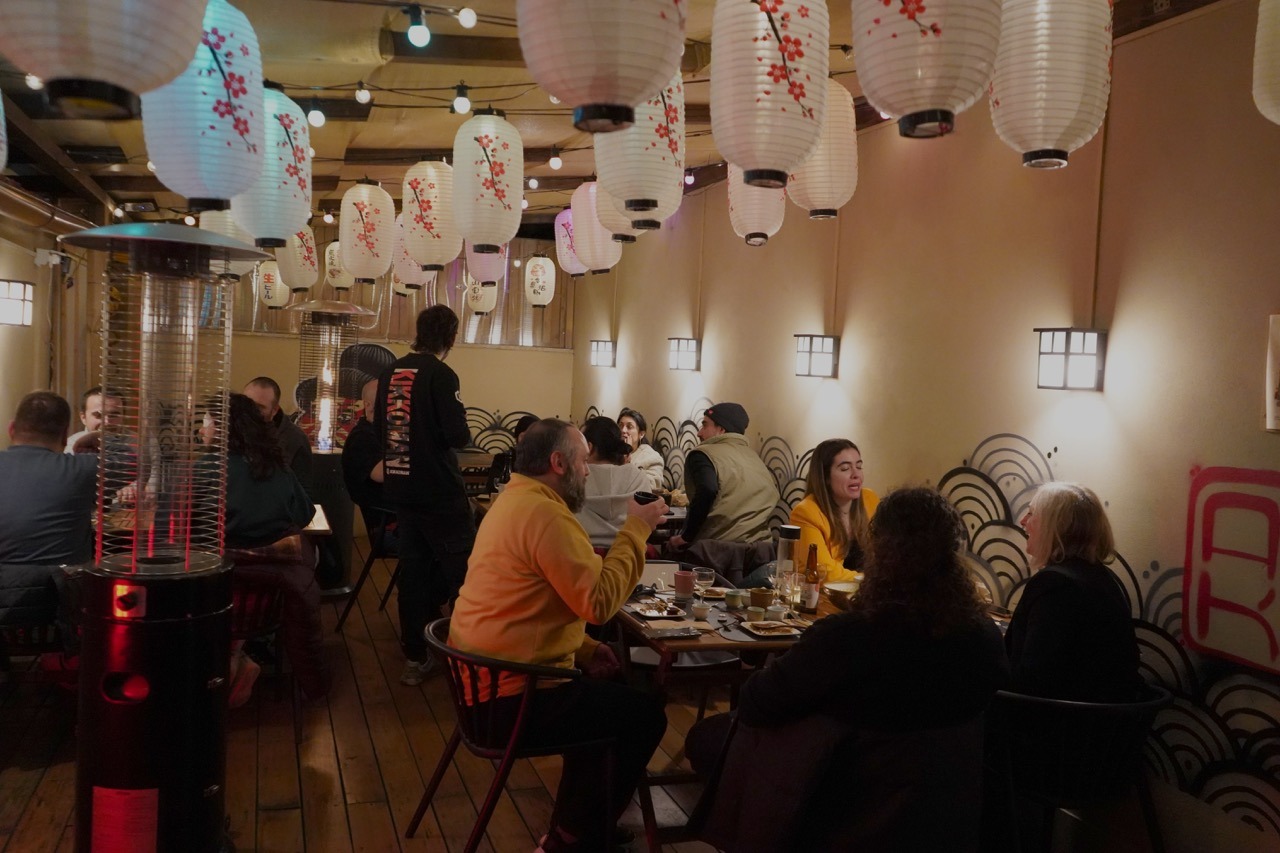
The design is Carlo’s own work. It blends a casual, street-style sensibility with elements of Japanese culture, striking a balance that feels neither too quiet nor too busy. That same sense of balance carries through not only in the space itself, but also in the food and drink.
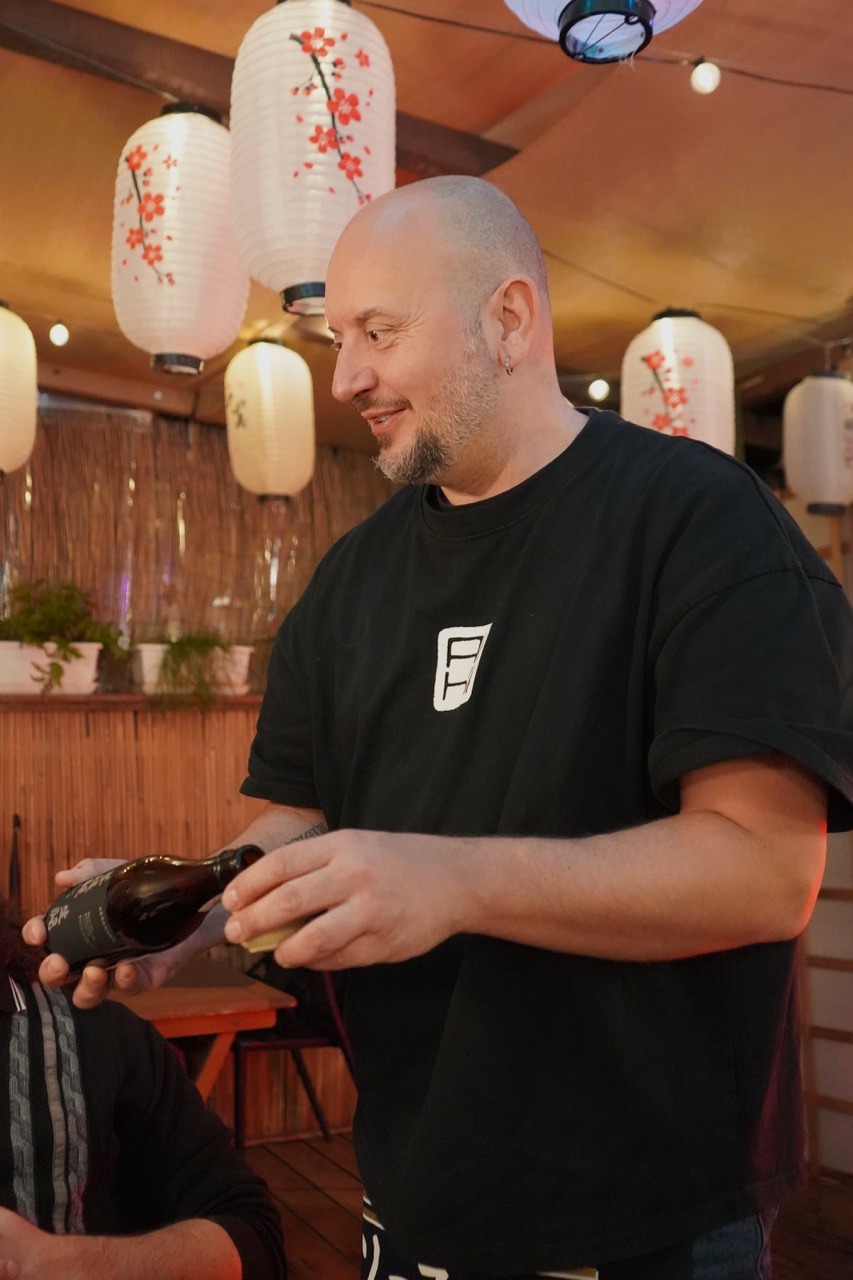
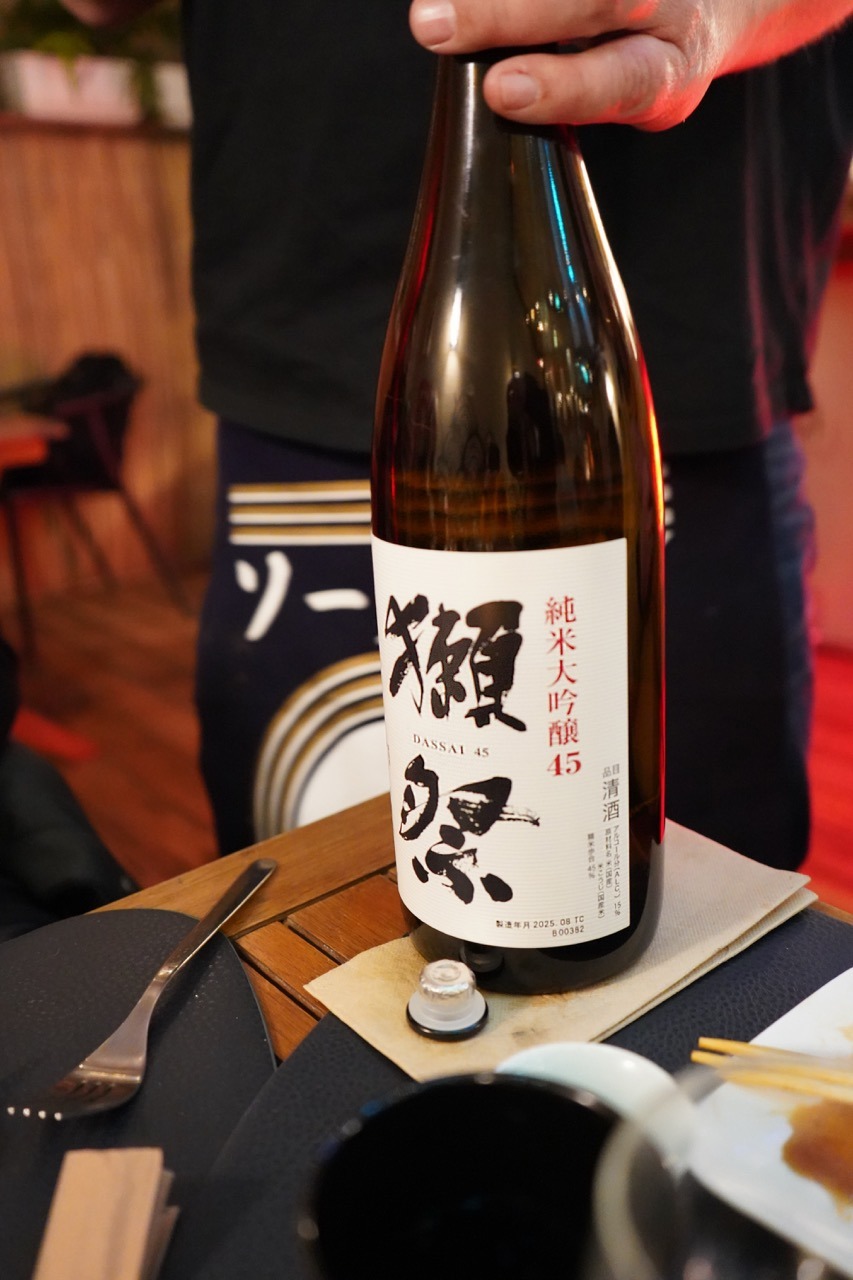
As a certified sake sommelier, Carlo’s selection leans away from the obvious. Instead, he focuses on more distinctive sake, including bottles made using traditional methods.
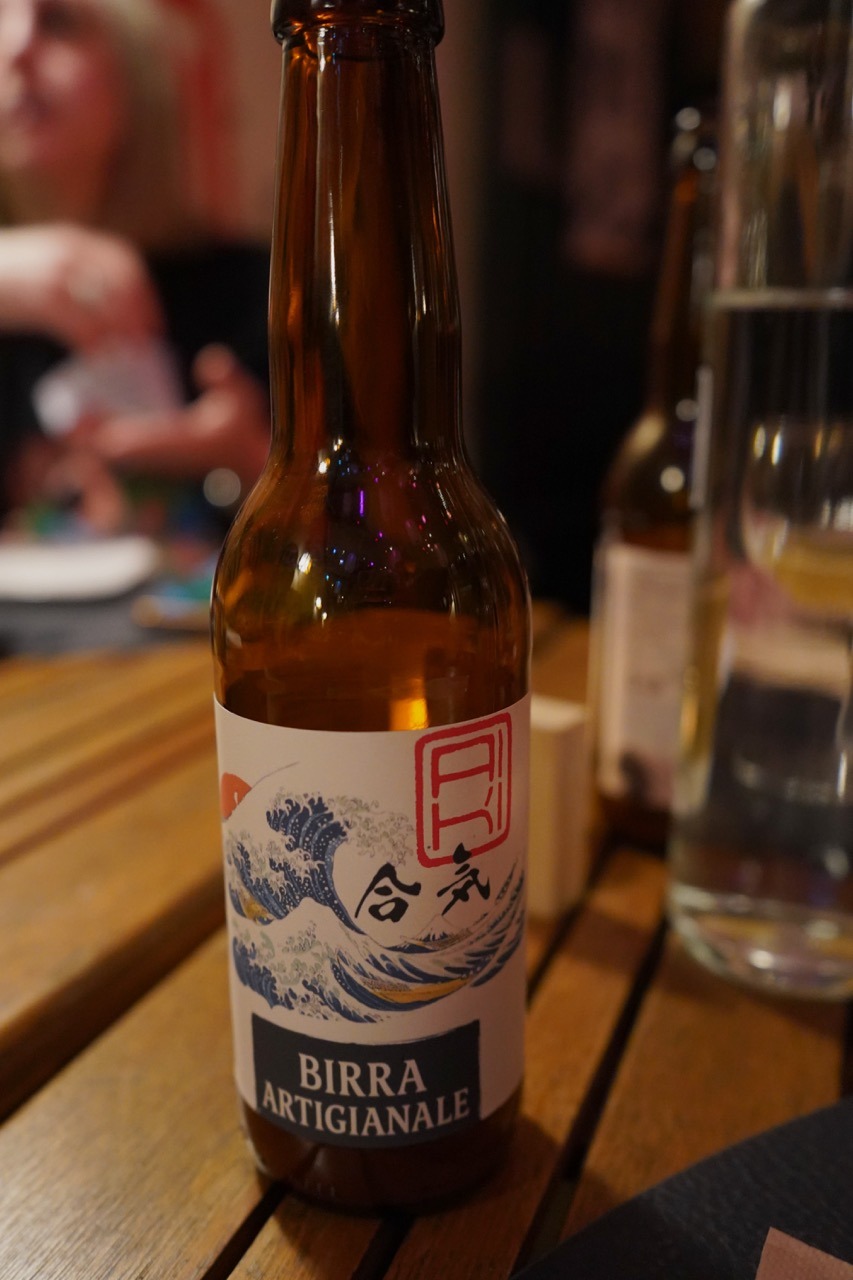
The original craft beer “Aiki” is an unfiltered, unpasteurized blanche brewed in Italy, fermented with yuzu and bergamot. It’s light, refreshing, and easy to drink, with a clean citrus aroma that leaves a lasting impression.
At an izakaya, food and drink go hand in hand. A bite, a sip, then another bite, this rhythm brings out the best in both, enhancing flavors through repetition and contrast.
What “Aiki” means
The name “Aiki” comes from Aikido, the Japanese martial art. Carlo Cocorullo is not only the owner but also an Aikido master, running a dojo in the Portuense area. The word Aikido is made up of three characters, ai (harmony), ki (energy), and do (path) and can be interpreted as “the way of harmonizing with energy.”
At Aiki Pub, this idea of harmony is expressed through the shared experience of sake.
In Japan, the word sake can refer to alcohol in general, but internationally it usually means Japanese sake (nihonshu). At Aiki, particular attention is given to kimoto, one of the most traditional brewing methods.

Kimoto: sake shaped by time
Kimoto is one of the oldest sake-making methods, dating back to the Edo period. It relies heavily on natural processes, rather than adding lactic acid artificially, fermentation is allowed to develop gradually on its own.
This approach, somewhat similar to natural wine, requires time and effort, but results in sake with depth, character, and a distinct personality.
Food that elevates sake
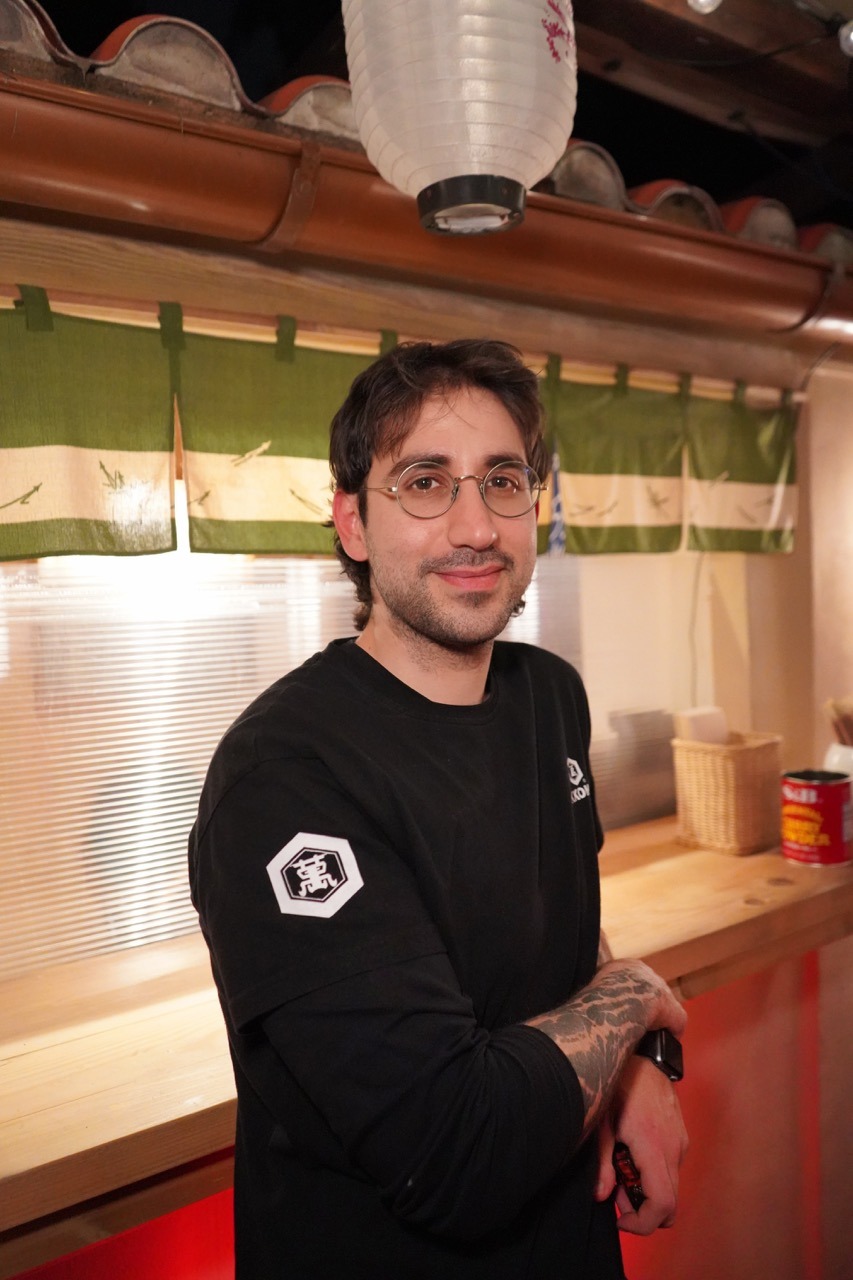
The kitchen is led by chef Gabriele Seprano, who has built his experience within the Japanese food scene in central Italy. He has worked at places such as Waraku and Opera, the ramen bar attached to the Michelin-starred restaurant Retroscena, and is also involved in the Tomo Ramen Club project.
His cooking doesn’t aim to impress through flashiness. Instead, it focuses on bringing out the best in the ingredients, with a clear understanding of Japanese culinary principles.
The menu is centered around small plates, designed for sharing. It’s best to order several dishes and enjoy them gradually, pairing them with sake along the way.
Starters
The menu changes with the seasons and includes dishes that are common in Japan but still relatively rare abroad. (Vegetarian options are also available.)
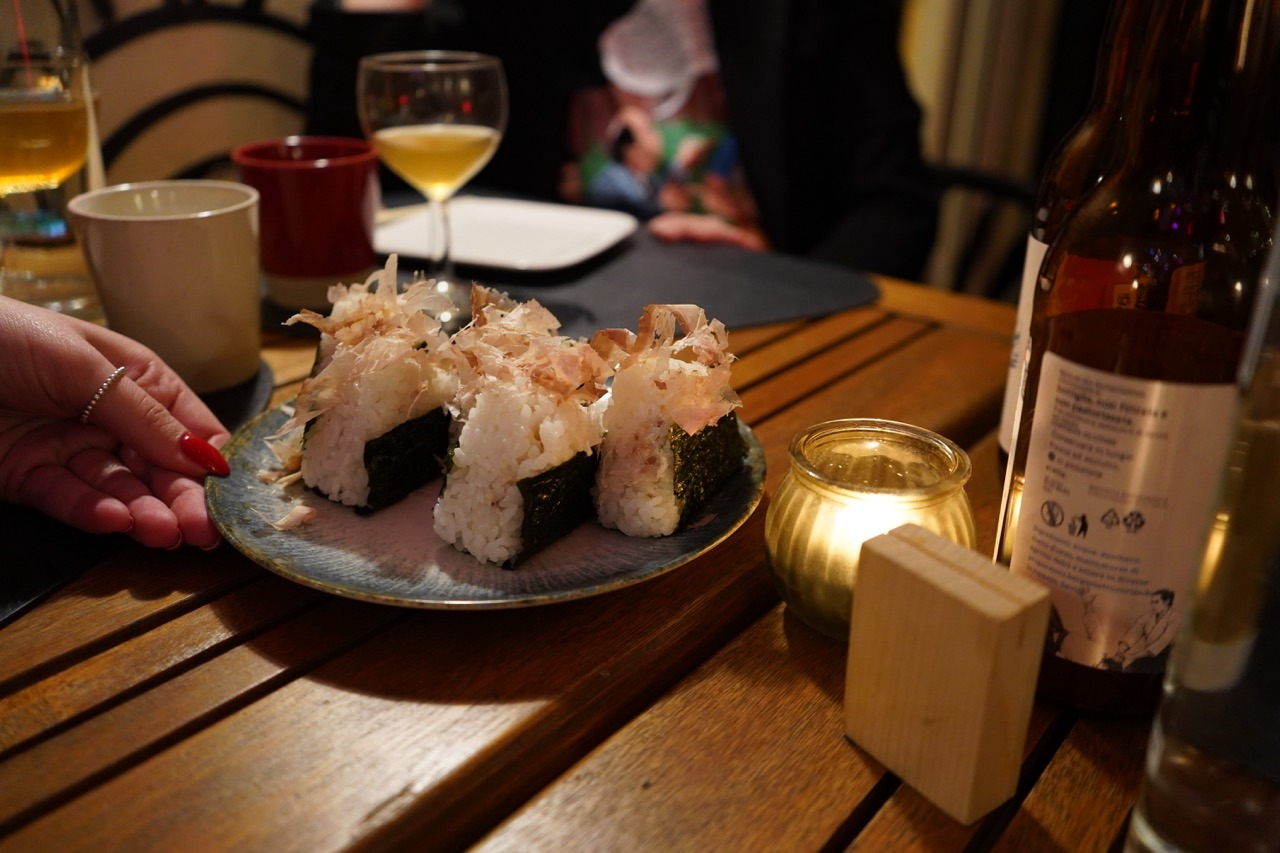
First comes the tuna mayo onigiri. While it may seem like an unusual combination from an Italian perspective, it’s a classic in Japan. The rice is glossy and gently shaped, the portion slightly small, just right to start the meal.
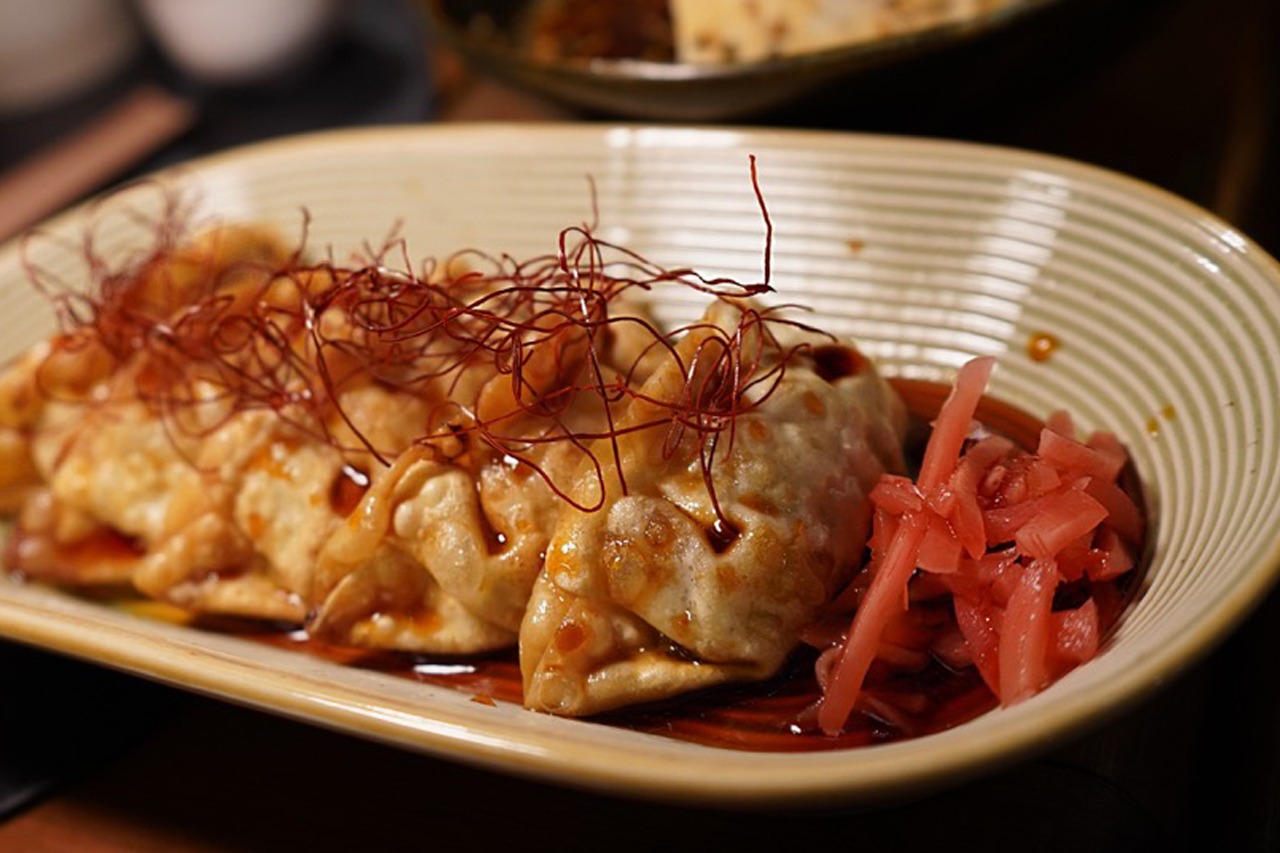
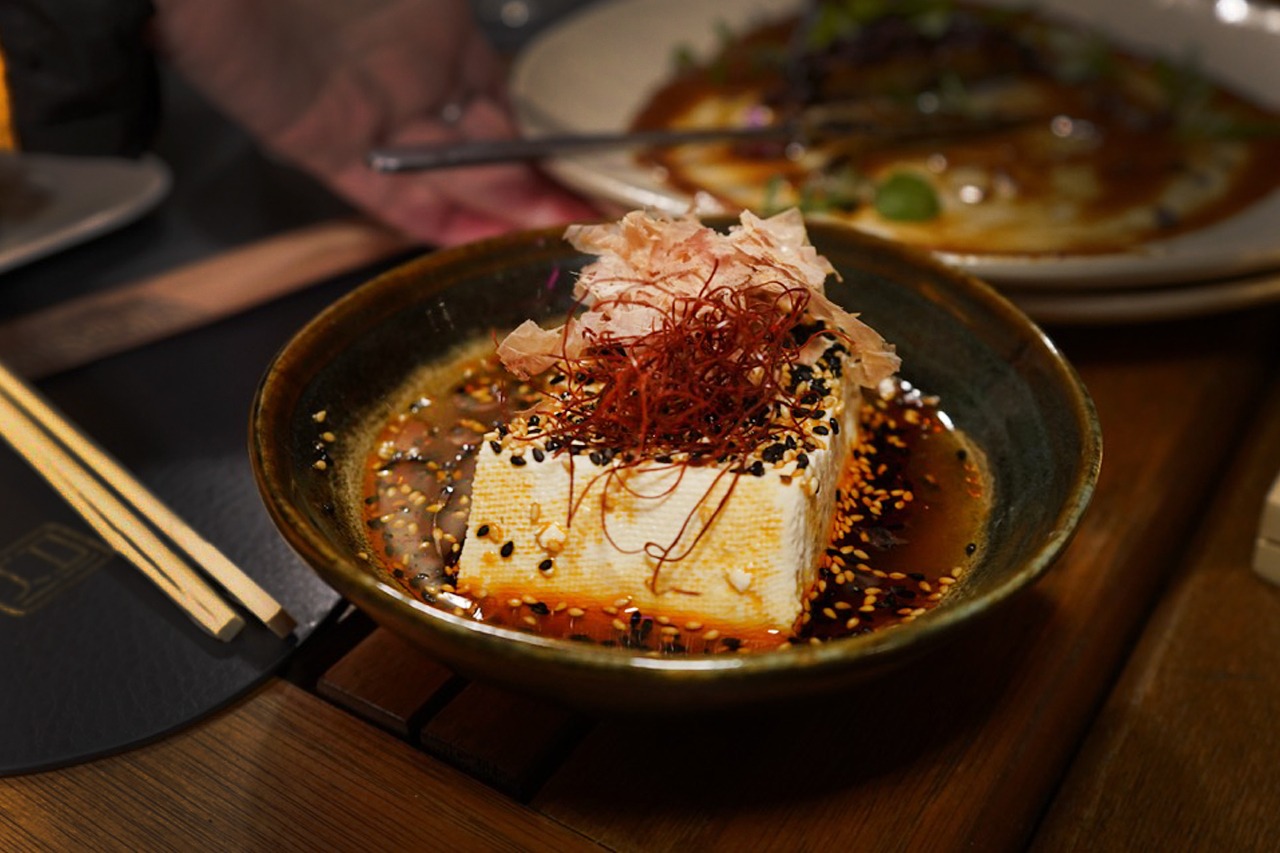
Across the menu, Italian ingredients are used as a base, interpreted through a Japanese lens. The tofu, for example, comes from Otani BIO near Rome. It’s not the soft, silky type often seen in Italy, but a firmer variety. The texture sits somewhere between primo sale and ricotta, with a pleasant richness.
In the spicy tofu dish, it’s paired with yuzu dashi and Japanese mustard, adding a gentle heat and citrus aroma that enhance the tofu’s flavor.
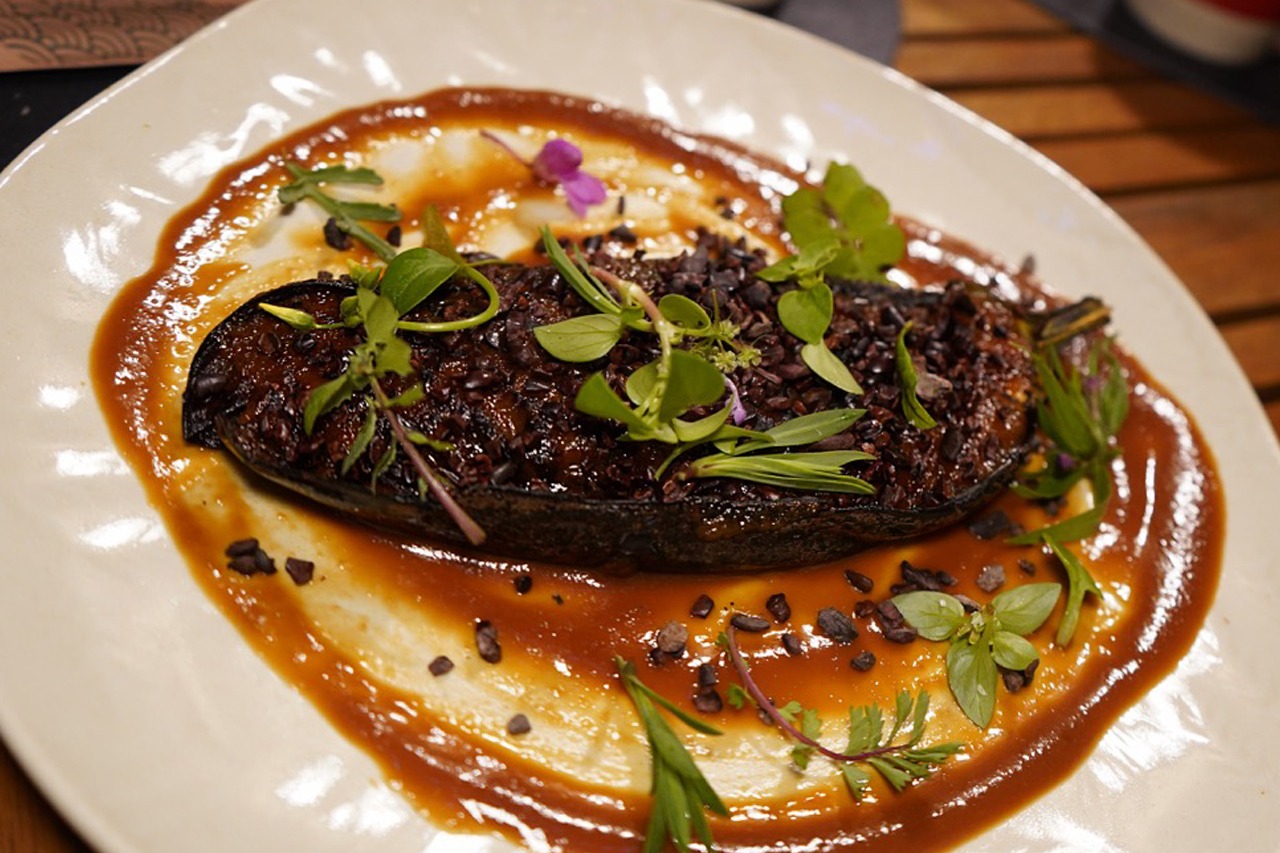
The standout among the starters is the nasu dengaku. Traditionally, this dish features grilled eggplant topped with sweet miso, but here it’s lightly fried and then caramelized with a blowtorch. Cocoa nibs add a crunchy texture, subtly enhancing the melting softness of the eggplant. The combination of miso and cacao works surprisingly well, adding depth and complexity.
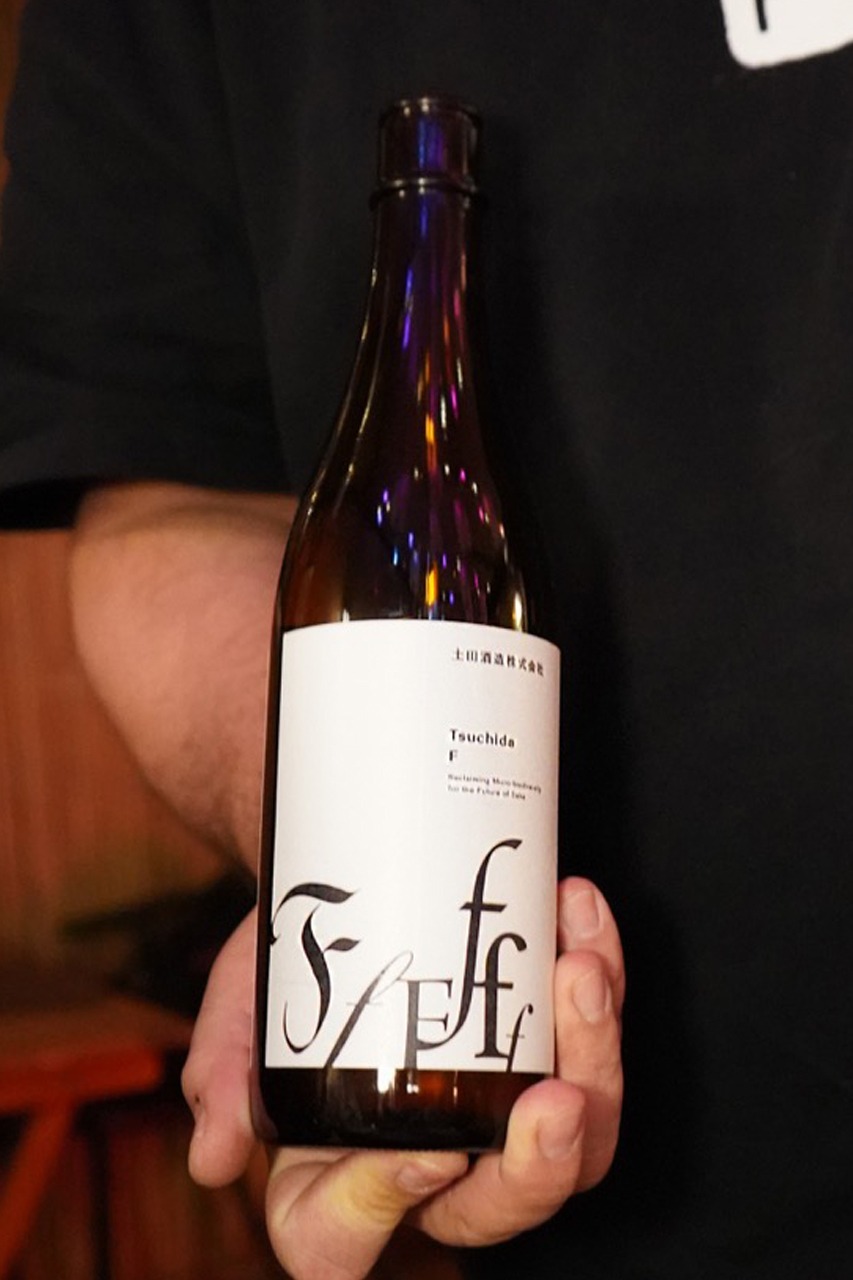
Paired with Tsuchida F from Tsuchida Shuzo, a bold, full-bodied sake with a distinctive character, the dish reaches another level. The richness of the sake amplifies the umami of the eggplant.
It’s the kind of pairing that alone makes the visit worthwhile.
Main dishes
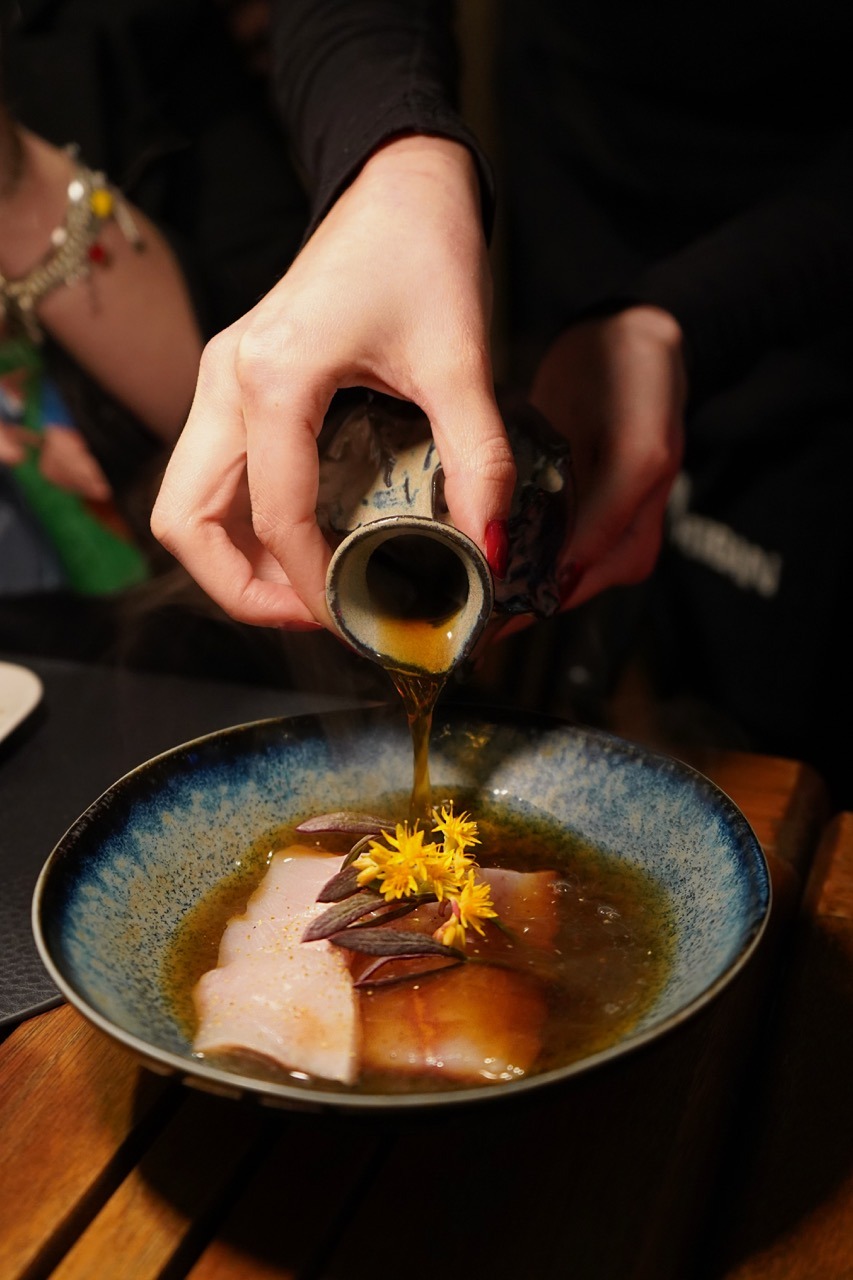
Hitashita sakana is a dish that plays with contrast. The fish is served as sashimi, then finished with a pour of warm tea-based dashi. It feels like a reversed version of shabu-shabu, the heat gently touches the fish without overpowering it, allowing both its delicacy and the depth of the broth to come through.
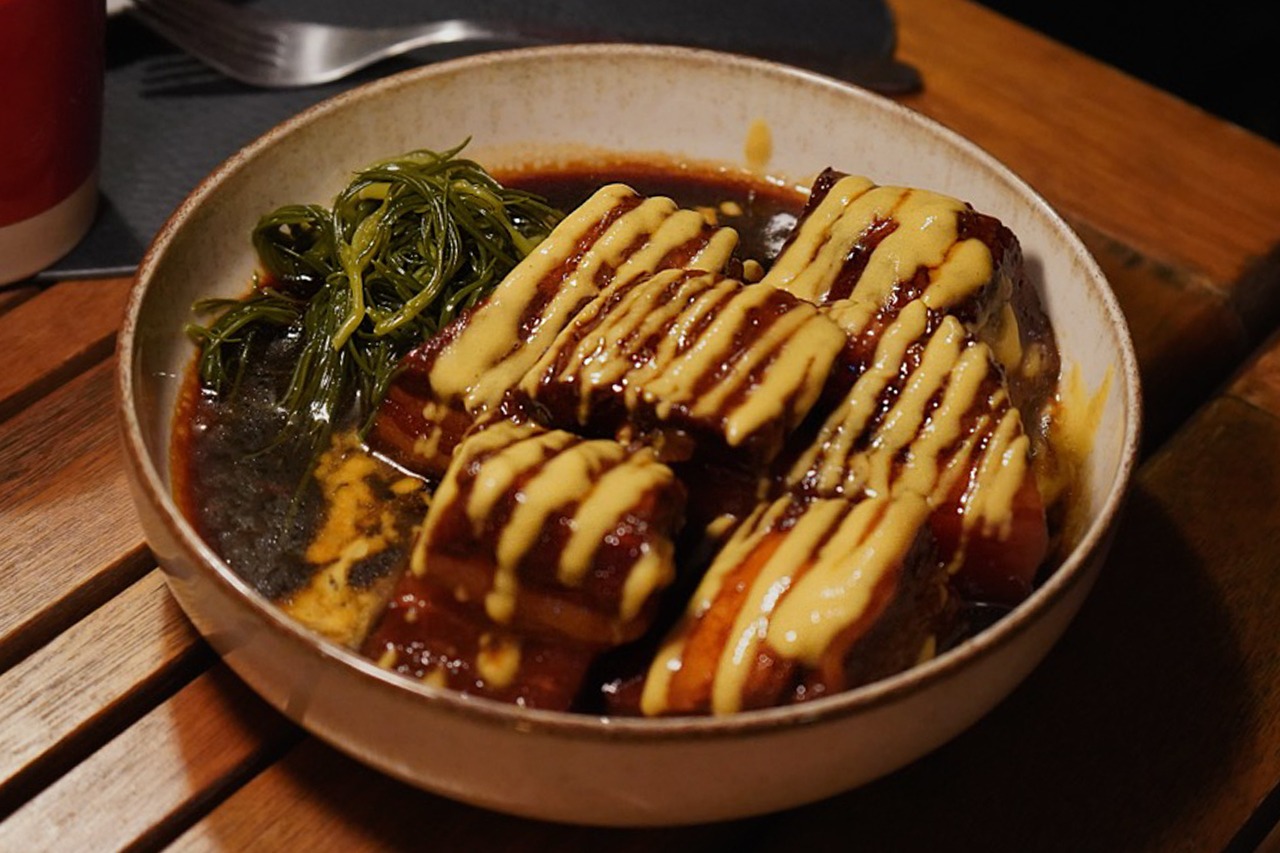
The braised pork (kakuni) uses black pork from Marche (Re Norcino), slowly cooked in stages with dashi, soy sauce, and mirin. It’s incredibly tender, with a rich broth full of flavor. The addition of agretti, a slightly bitter spring vegetable, balances the sweetness and richness of the dish.
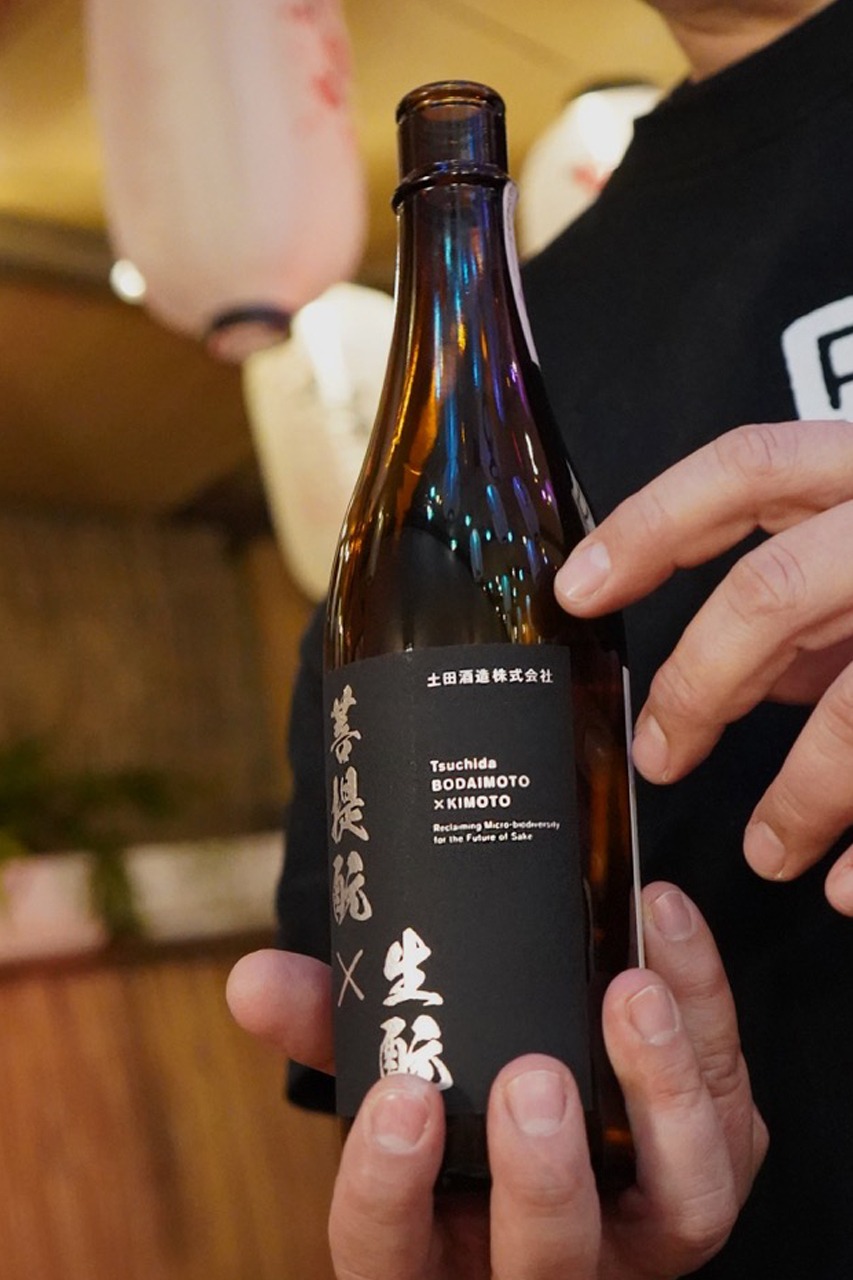
It pairs exceptionally well with the Bodaimoto × Kimoto sake from Tsuchida Shuzo. The rich, deeply flavored kakuni is layered with the sake’s powerful sweetness and umami, adding an extra depth to the overall taste.
Udon
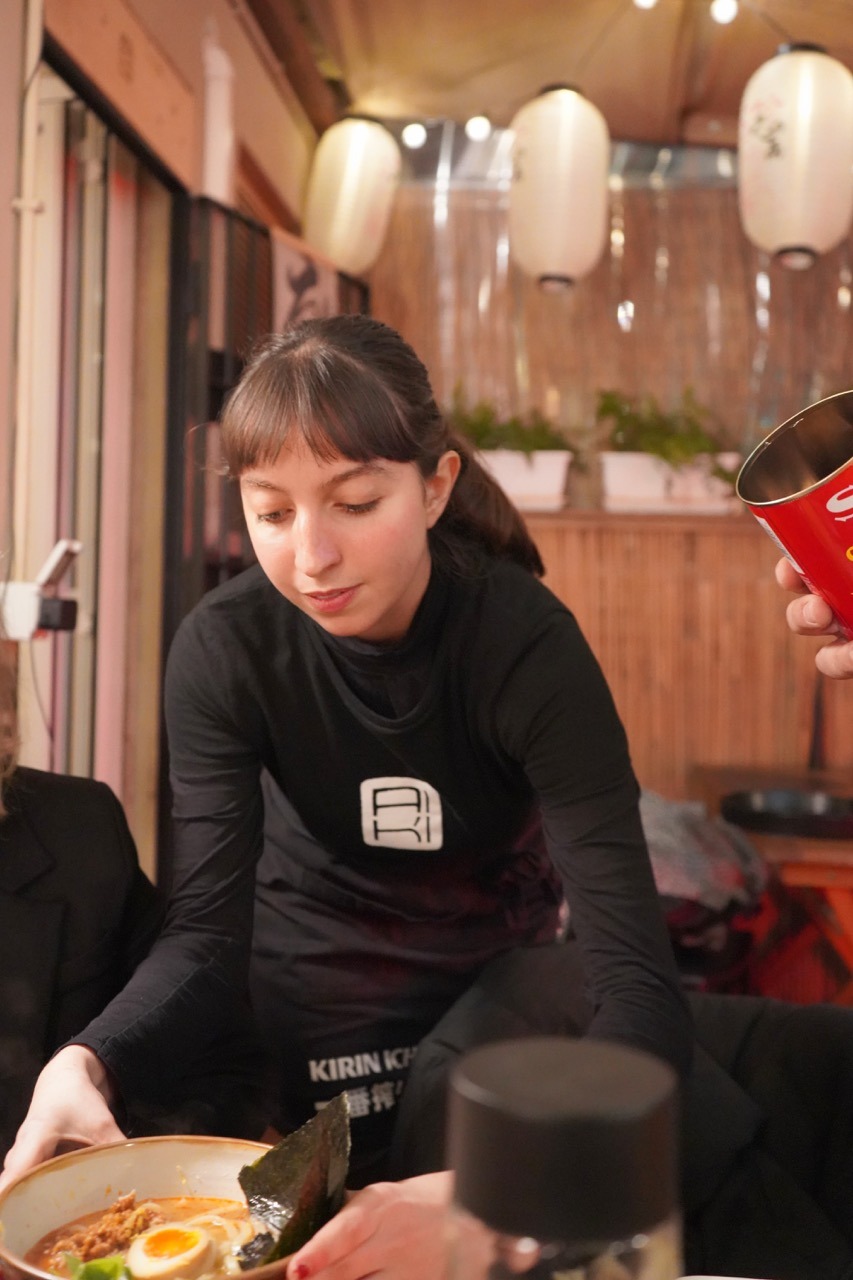
At Aiki, ramen isn’t part of the regular menu, it’s only served during special Sunday ramen bar events. Udon, on the other hand, is always available.
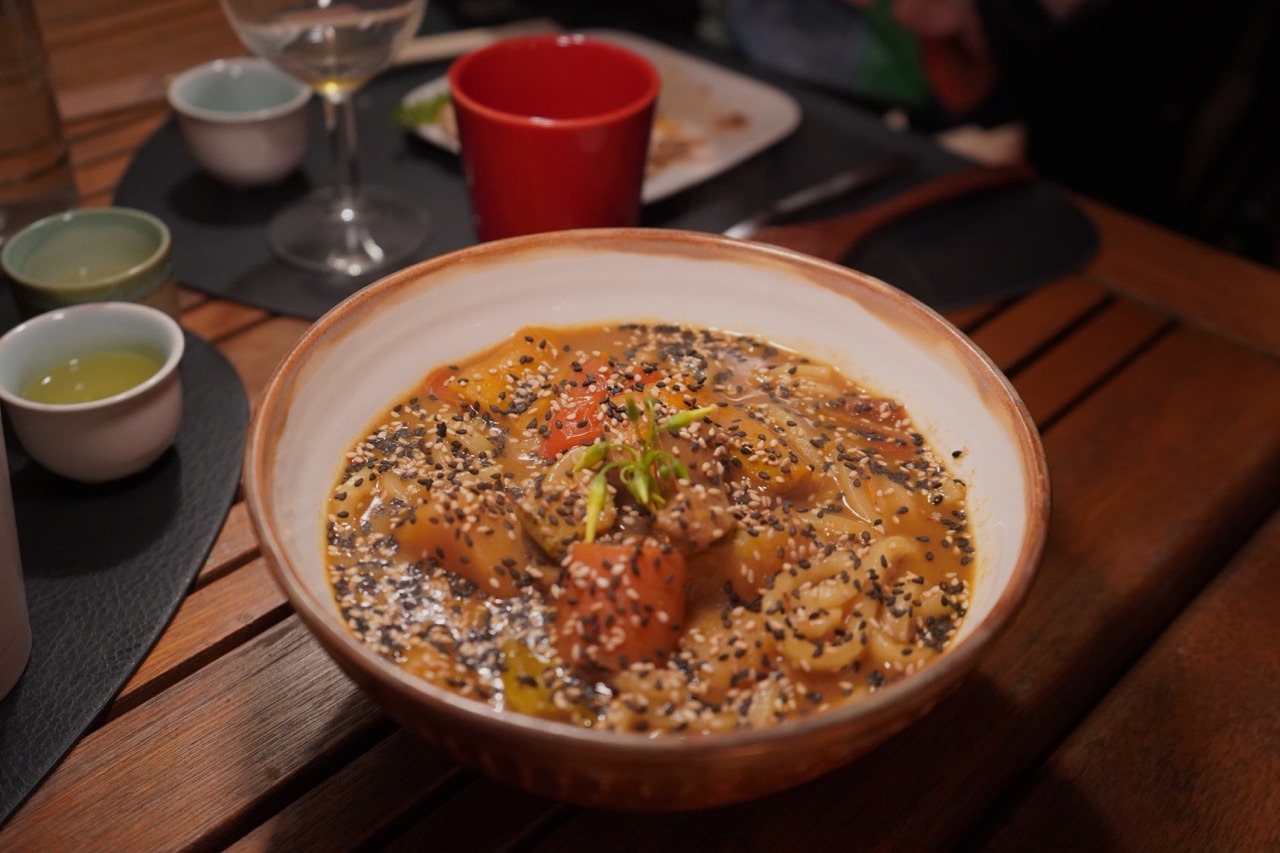
The vegetarian curry udon features a rich vegetable base with bold spices, making it both satisfying and flavorful.
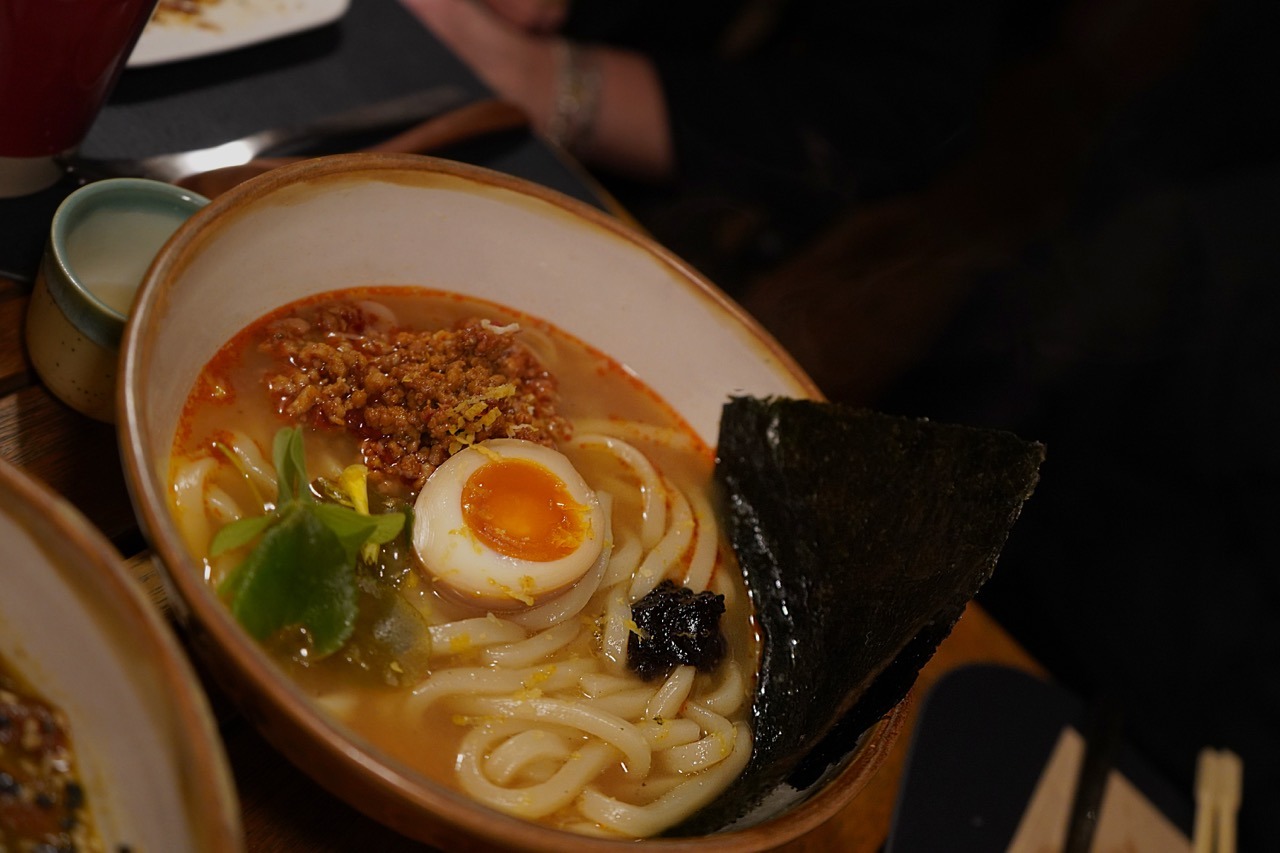
The meat version uses pork from Marche, combined with black garlic, lemon zest, and a lightly spicy ragù. The interplay of spice and citrus hints at something like tom yum, while the black garlic adds depth. There’s even a subtle influence of Chinese or Sichuan cuisine, pushing it beyond a strictly Japanese frame.
The noodles themselves are imported directly from Japan, with a firm texture and smooth finish. The quality of the ingredients stands out and just as importantly, they’re used with care.
Dessert
Desserts lean toward Japanese classics like daifuku and dorayaki.
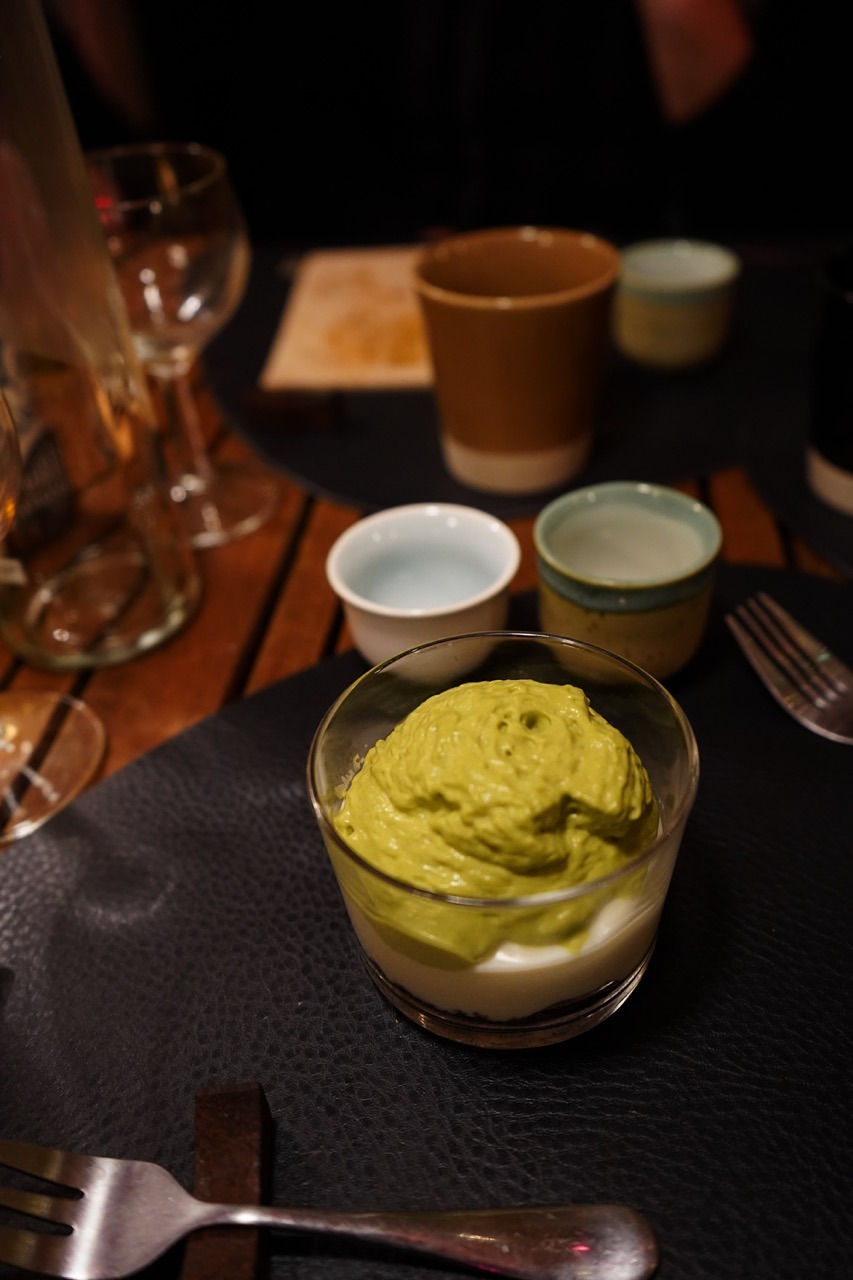
The matcha brownie is rich and well-balanced, with the bitterness of matcha complementing the sweetness of chocolate. It’s indulgent without feeling heavy.
The “Shiro Matcha” combines smooth white chocolate with matcha and kinako, resulting in a gentle, rounded sweetness. It feels distinctly Japanese, yet it’s not something you often see in Japan, it would likely do well there, too.
Rather than aiming for novelty, the dishes come together naturally, with subtle ideas woven throughout. Everything feels cohesive, and the flavors speak for themselves.
The more familiar you are with Japanese cuisine, the more you notice these small differences and appreciate them.
Before you know it, you want to come back. And you want to bring someone with you.
That’s the kind of place Aiki is.
Aiki Pub




square.jpg)