Cocktails in The City Rome: Italy’s First Edition
A one-day urban cocktail festival where you can experience Rome’s finest bars in a single venue.
Rome is home to some of the world’s most celebrated cocktail bars. Exploring them is one of the city’s greatest pleasures, but with venues scattered across neighborhoods such as Trastevere, Monti, Prati, Ostiense, and Montesacro, not to mention the difficulty of securing reservations at the most popular spots, visiting several of them during a short trip can be surprisingly challenging.
For one weekend in May, however, Rome’s cocktail scene came together in a single location.
On 16-17 May 2026, Orto Botanico di Roma (Rome Botanical Garden) hosted the first Italian edition of Cocktails in The City Rome. Alongside many of Rome’s leading cocktail bars, guest venues from Vicenza and Rieti joined the event, creating a unique showcase of contemporary Italian mixology.
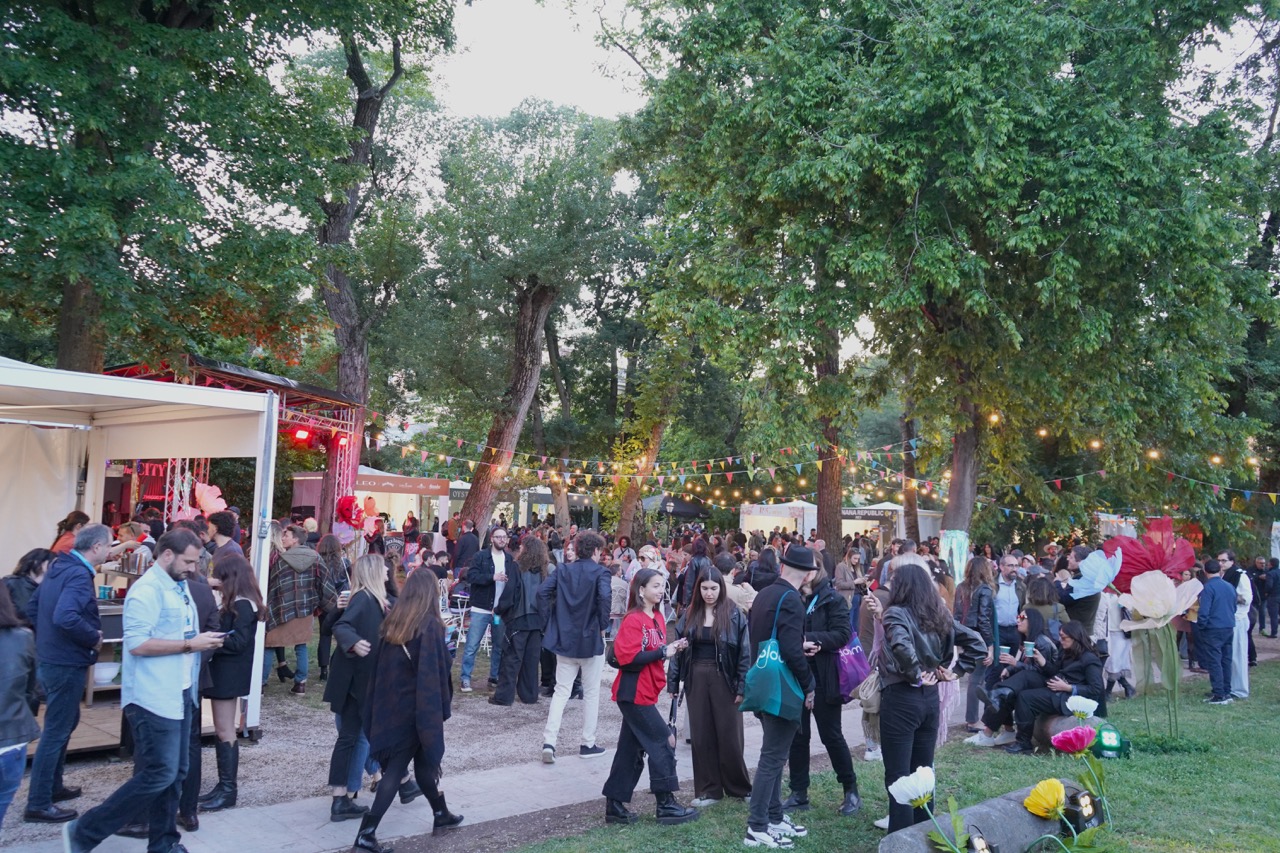
Surrounded by lush gardens, visitors enjoyed signature cocktails from the afternoon into the evening while exploring live music, food, workshops, and masterclasses. For cocktail enthusiasts, it was the ideal urban festival, one that celebrated not only drinks, but the culture surrounding them.
This article takes a closer look at the inaugural Cocktails in The City Rome, introducing the venue, participating bars, exclusive cocktails, and entertainment. If you’re planning a future trip to Rome, this is the kind of event worth building your itinerary around.
What is Cocktails in The City?
Originally launched in London, Cocktails in The City is an urban cocktail festival unlike a conventional food or drinks event.
Instead of placing spirits brands at the center of the experience, the festival celebrates the city’s bars themselves.
Bars that would normally require visitors to travel across the city set up temporary pop-up venues in a single location, each presenting cocktails that showcase their individual philosophy, creativity, and technical skill. Live music, DJs, workshops, masterclasses, and carefully curated food vendors transform the event into something far more immersive than a simple tasting festival. It’s an opportunity to experience an entire city’s cocktail culture in one place.
Following its success in London, the festival selected Rome as its first destination in continental Europe.
The choice reflects Rome’s growing reputation as one of Europe’s most exciting cocktail capitals. Beyond its rich tradition of classic cocktails, the city has become home to a new generation of bartenders, luxury hotel bars, craft spirits producers, and innovative low- and no-alcohol programs, all contributing to a vibrant and rapidly evolving mixology scene.
Rome’s Leading Bars Come Together at the Botanical Garden
This year’s edition featured twelve bars and beverage projects:
The Botanist Bar, Ceralacca, Smile Bar, Nucleo, Blind Pig, The Organics Sky Garden (Aleph Rome Hotel), Zest, Banana Republic, Rino Montesacro, REM & Led Dragon, Depero, Adriatico Amaretto.
Each participant operated its own pop-up bar inside the Botanical Garden, presenting exclusive cocktails developed in collaboration with spirits and mixer brands.
Supporting partners included Campari, Aperol, Espolòn, The Botanist, Oyster Gin, Brown-Forman, Red Bull, Orsini Soda, Picaflor, Amaro16.20, Martini, Patron, Adriatico and Etsu Gin. Rather than functioning as straightforward brand promotions, these collaborations allowed bartenders to reinterpret each product through their own creative lens, resulting in cocktails that differed from those typically served in their home bars.
The following sections introduce each participating venue and the cocktails created especially for the festival.
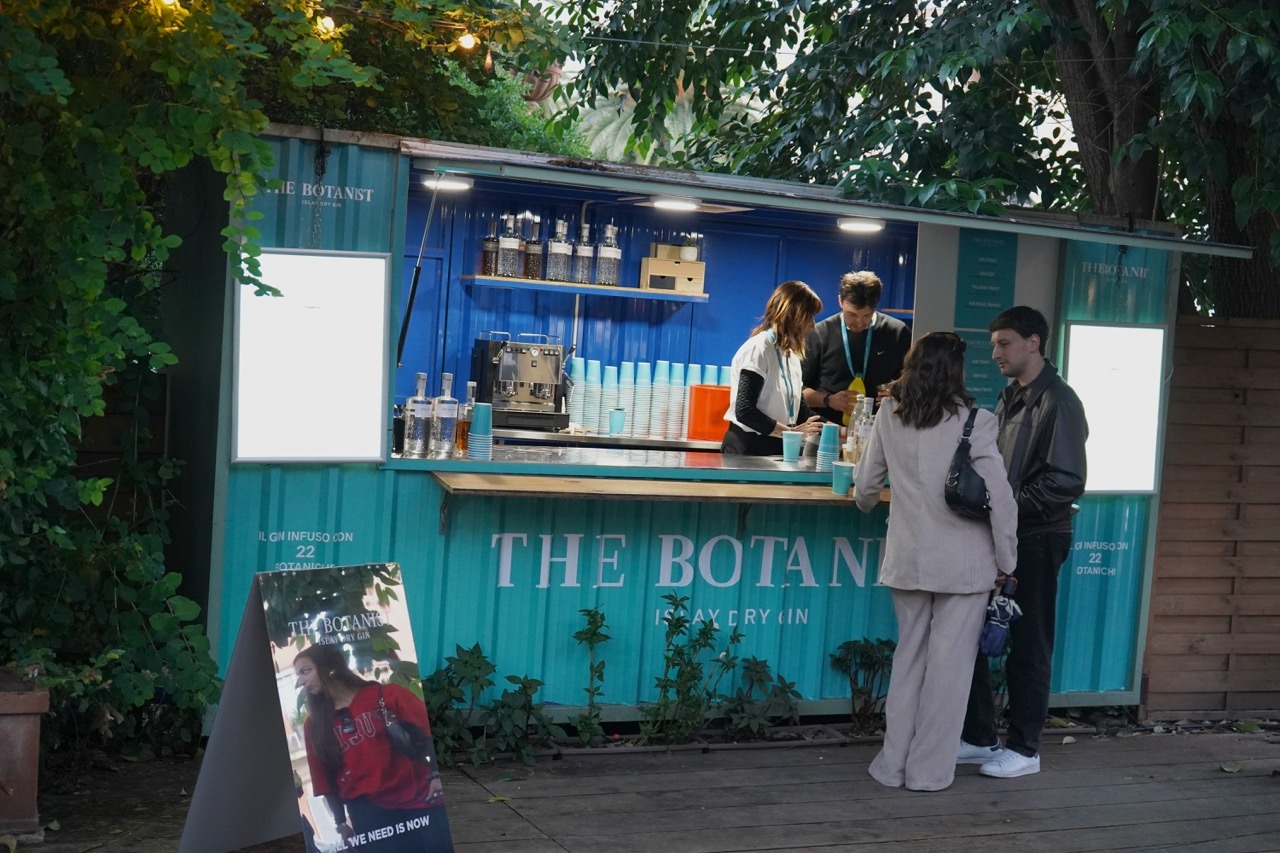
1. THE BOTANIST BAR × The Botanist Islay Dry Gin
The Botanist Bar built its menu around The Botanist Islay Dry Gin, presenting four approachable cocktails that highlighted the gin’s botanical character through familiar classics.
The Gin & Tonic paired The Botanist Gin with tonic water in its simplest form, while the Gin Fizz combined gin, lemon, sugar, and soda to create a bright, refreshing serve.
The Paloma Twist reimagined the tequila classic using gin instead, blending The Botanist Gin with lemon juice, agave syrup, and pink grapefruit soda for a citrus-forward highball.
The Gin Basil Smash combined gin, fresh lemon juice, sugar, and basil, emphasizing vibrant herbal aromas.
Considering the venue itself, a botanical garden, the focus on botanical gin and fresh herbs felt particularly appropriate, making this one of the festival’s most fitting menus.
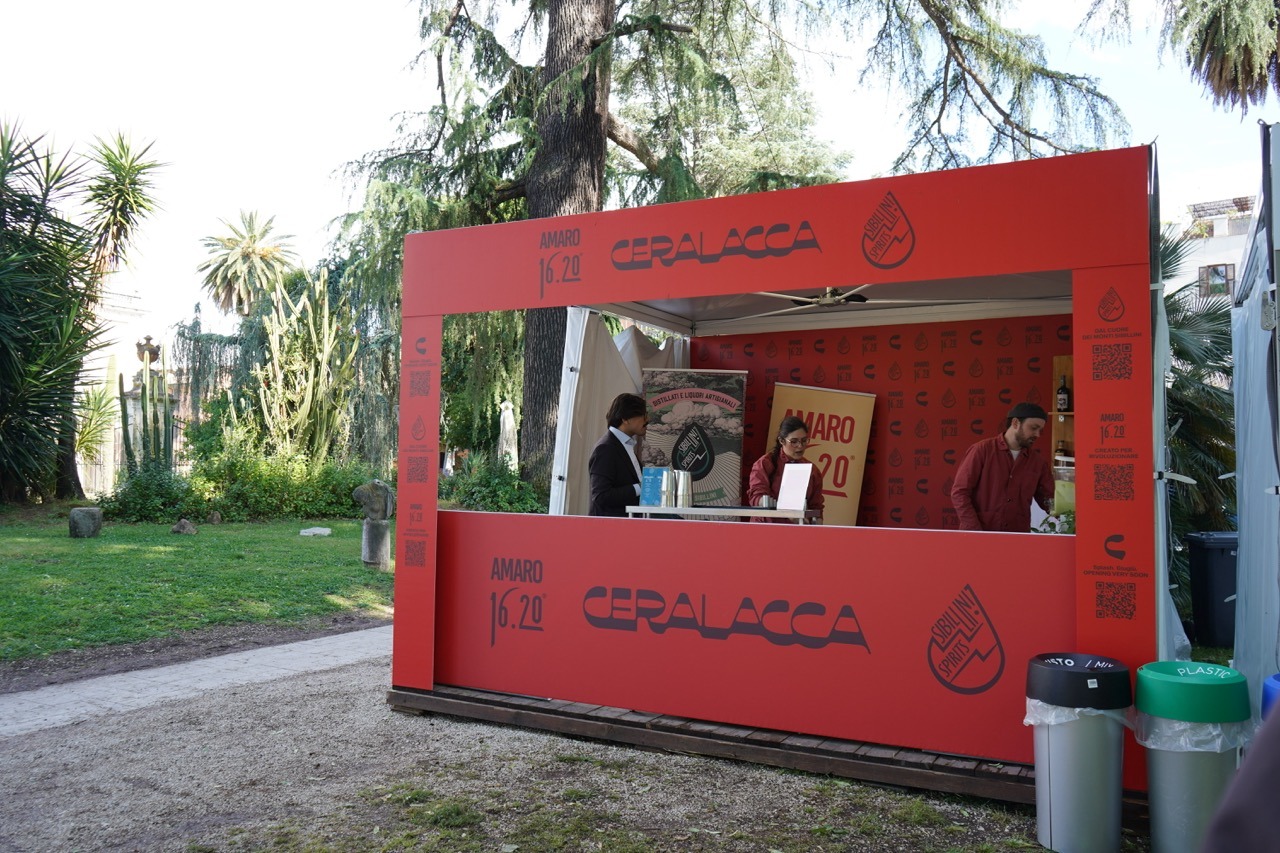
2. CERALACCA × Sibillini Spirits × Amaro 16.20
Ceralacca is one of Rome’s most anticipated new cocktail bars, scheduled to open later this year.
The name Ceralacca is the Italian word for sealing wax, evoking ideas of secrecy, craftsmanship, handwritten correspondence, and ritual. Even before opening its doors, the concept already suggests a strong narrative identity.
The project is led by Simone Onorati and Raimonda Basso Bondini. Onorati previously served for many years as bar manager of the legendary Jerry Thomas Speakeasy, and is widely regarded as one of Italy’s leading figures in contemporary classic mixology. The duo first introduced Ceralacca publicly during the Roma Whisky Festival 2026, generating considerable interest well before the official launch.
For Cocktails in The City Rome, the bar collaborated with Sibillini Spirits, a craft distillery inspired by Italy’s Monti Sibillini region, alongside Amaro 16.20, a modern Italian amaro developed specifically with cocktail applications in mind.
The frozen Gin Basil Slush combined Vettore Gin dei Sibillini, fresh lemon juice, sugar, basil, and geranium, creating an intensely aromatic cocktail built around fresh botanicals.
Their Negroni featured Vettore Gin, Bitter del Redentore, sweet vermouth, Amaro 16.20, and rhubarb, adding mountain botanicals and herbal complexity to the classic Italian aperitivo.
Amaro & Chinotto blended Amaro 16.20, chinotto, lime, and black cardamom into a drink that highlighted bitterness, citrus, and spice with remarkable clarity.
Unlike traditional amari intended primarily as digestifs, Amaro 16.20 was designed to perform equally well within modern cocktails. Sibillini Spirits, meanwhile, focuses on local botanical traceability, historical herbal recipes, and the terroir of Italy’s central mountain regions. Together, the two brands complemented Ceralacca’s philosophy of balancing classic foundations with contemporary creativity.
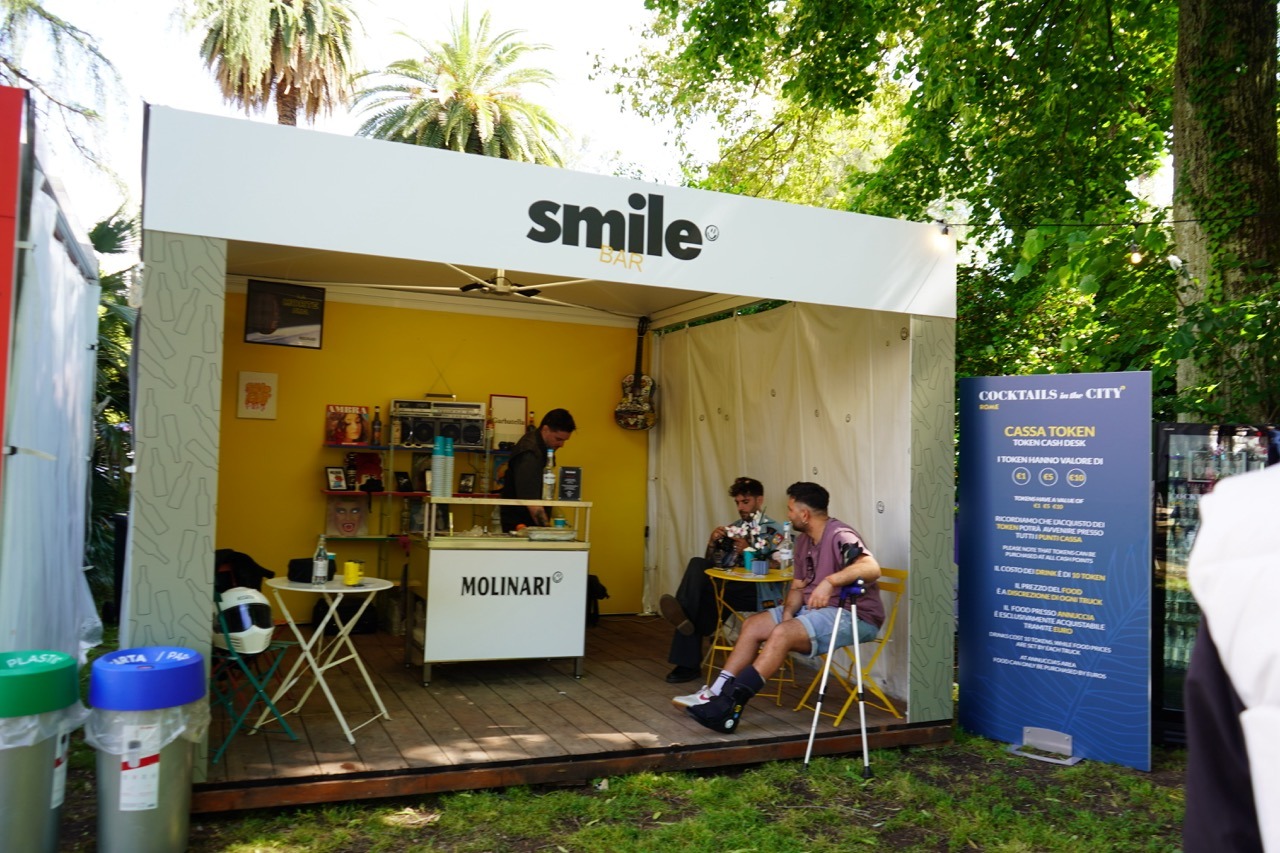
3. SMILE BAR × Molinari
Located in Rome’s Garbatella district, Smile Bar is a stylish neighborhood cocktail bar where music plays as important a role as the drinks themselves. Vinyl records provide the soundtrack, creating a relaxed yet carefully curated atmosphere where guests can enjoy original cocktails, wine, and light bites. Popular with both locals and visitors, the bar offers an authentic glimpse into everyday Roman nightlife.
For Cocktails in The City Rome, Smile Bar partnered with Molinari, presenting three cocktails built around distinctly different base spirits and flavor profiles.
Brio combined Molinari 0, lemon, Briosky, and sparkling water into a bright, refreshing highball.
Il Fragolone paired Madre Mezcal Espadín with strawberries and lightly salted cream, layering smoky agave notes with sweetness and a subtle savory finish.
Completing the menu was Aranciata Meccanica, a citrus-forward cocktail made with Stoli Premium Vodka, orange, mandarin, and Molinari Extra. The drink highlighted vibrant Italian citrus while allowing the distinctive anise character of Molinari to add depth and complexity.
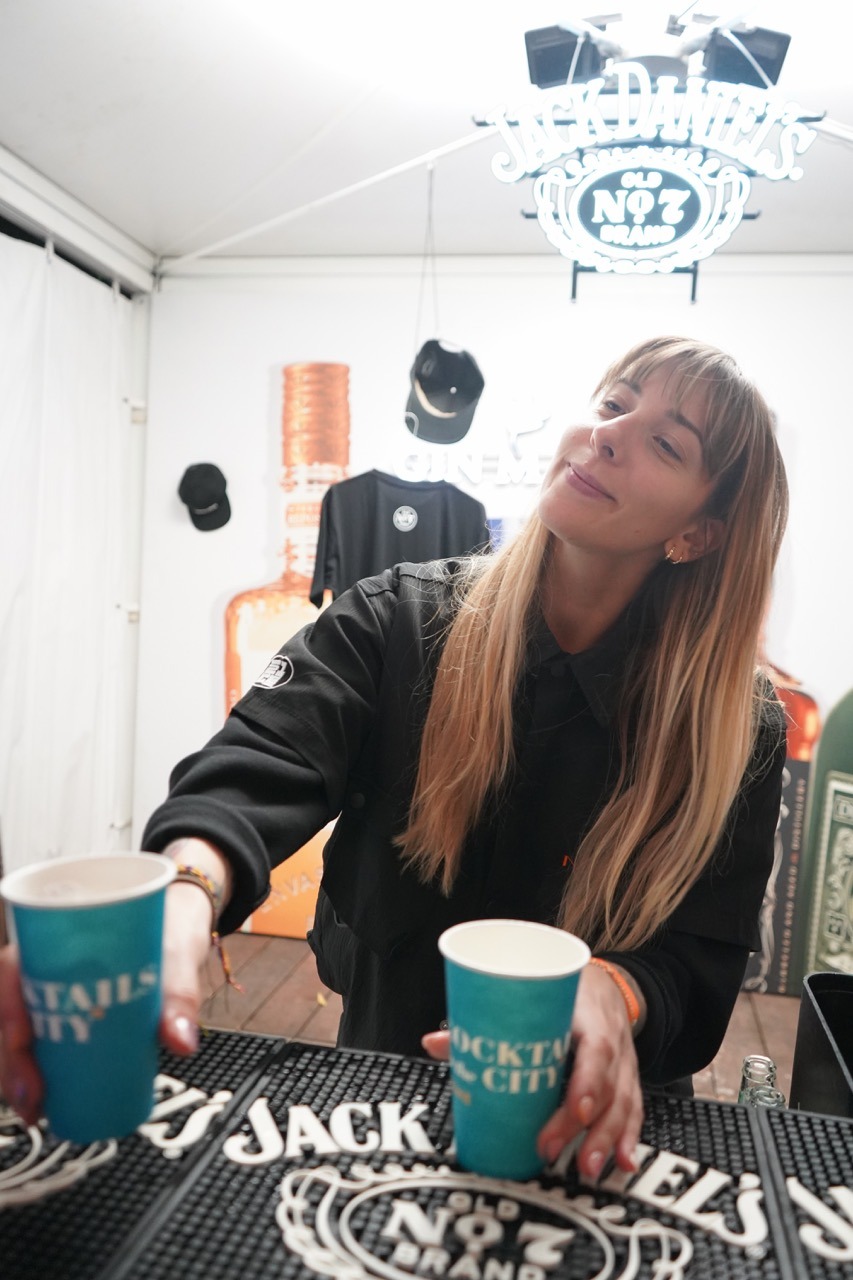
4. NUCLEO × Brown-Forman
Nucleo is one of Rome’s newest cocktail bars, having opened in Ostiense in 2026.
Although the venue itself is new, the team behind it is anything but inexperienced. Founded by Livio Morena, Davide Diaferia, Nausica Vitali, Daniele Gentili, and Andrea Fofi, Nucleo brings together some of the city’s most respected bartenders, effectively forming an all-star team drawn from Rome’s contemporary cocktail scene.
The bar embraces a minimalist philosophy, focusing on carefully refined cocktails built from a limited number of ingredients rather than unnecessary complexity. That same approach was reflected in the festival menu.
Everlong combined Diplomático Reserva, Bitter Bianco, grapefruit, and Orsini Club Soda, resulting in a crisp, bittersweet highball.
Garden of Eden featured El Jimador Tequila, Amaro Santoni, fresh strawberry, and Orsini Spicy Watermelon Soda, balancing fruit with herbal bitterness.
Mediterranean flavors defined Mare-Maid, where Gin Mare, salty bitters, peach, and olive oil created an unexpectedly elegant combination inspired by coastal cuisine.
Big City Life showcased Jack Daniel’s Bonded Rye alongside pear, ginger, and soda. Despite the whiskey’s bold character, the fruit and carbonation gave the cocktail an approachable, refreshing finish.
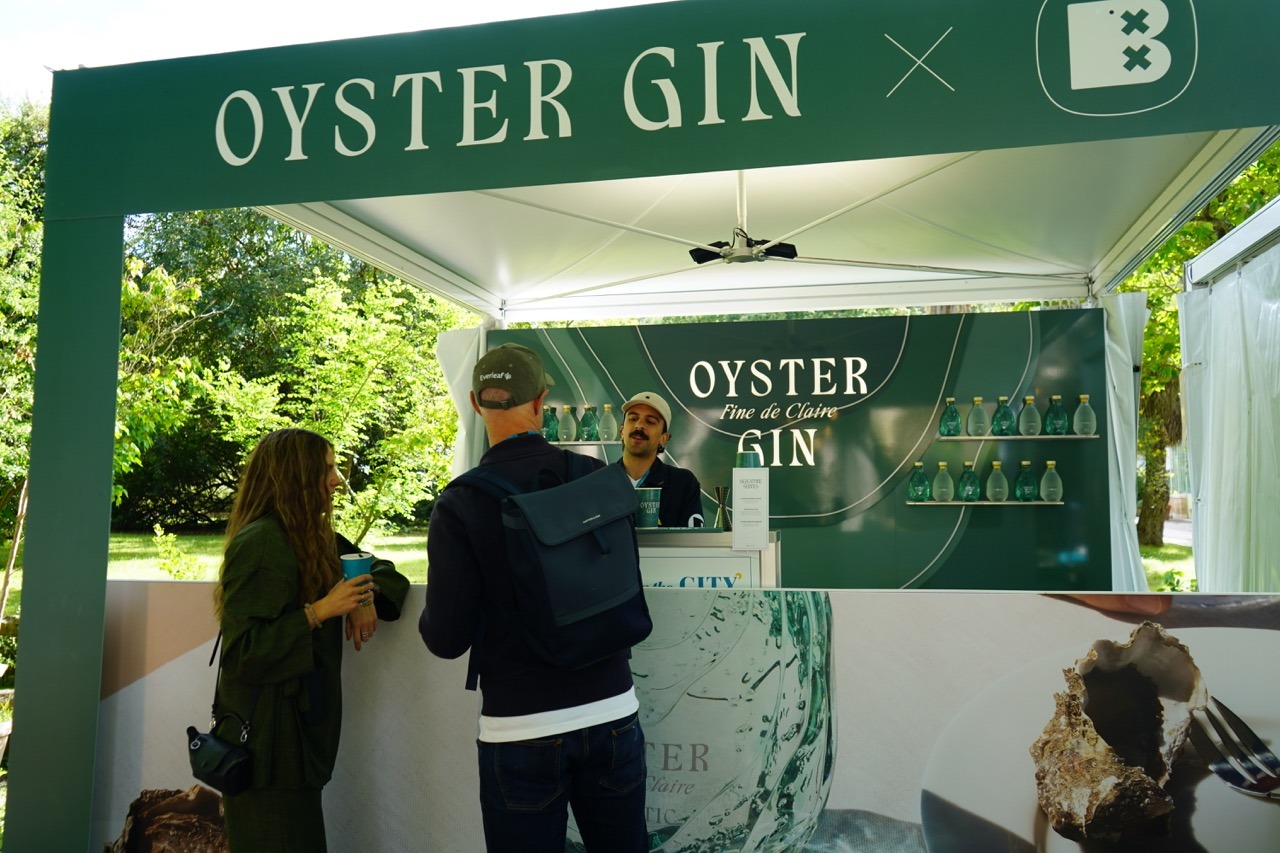
5. BLIND PIG × Oyster Gin
Located in Rome’s San Giovanni district, Blind Pig is a contemporary cocktail bar known for its stylish, diner-inspired interior and relaxed atmosphere. Alongside an excellent cocktail program, the bar offers a strong food menu, including sandwiches and seasonal dishes, and regularly hosts internationally inspired brunch events. Its thoughtful design, creative menu, and consistently high quality have made it a favorite among local cocktail enthusiasts.
For the festival, Blind Pig collaborated with Oyster Gin, creating three cocktails inspired by the sea and Mediterranean botanicals.
Oyster Summer Citrus combined Oyster Wild Citrus Gin, cucumber, lemongrass, and hibiscus into an aromatic, refreshing serve bursting with fresh citrus and herbal notes.
Oyster Salt Air featured Oyster Adriatic Gin, verjus, basil, watermelon, and pink grapefruit soda, evoking the flavors of the Adriatic coast. A non-alcoholic version was also available, reflecting the event’s strong commitment to mindful drinking.
The third cocktail, Oyster Adriatic Breeze, paired Oyster Adriatic Gin with mint and green tea cordial before finishing with tonic water. Herbal, clean, and effortlessly refreshing, it felt perfectly suited to an early summer afternoon in the Botanical Garden.
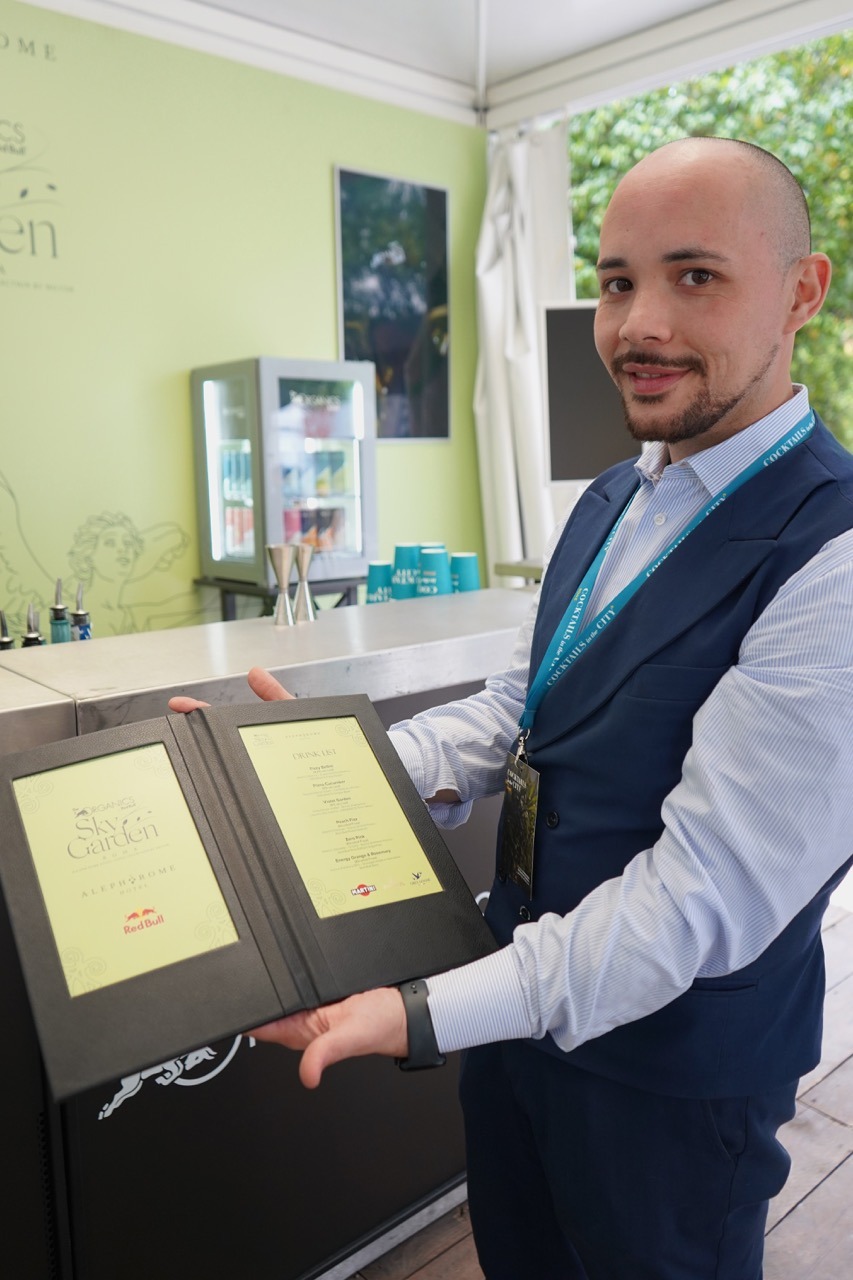
6. THE ORGANICS SKY GARDEN × The Organics by Red Bull
Representing the luxurious Aleph Rome Hotel, Curio Collection by Hilton, The Organics Sky Garden brought the sophistication of a five-star hotel bar to the festival.
Its menu stood out for its balanced selection of both low-alcohol and non-alcoholic cocktails, all built around The Organics by Red Bull mixer range.
Among the alcoholic serves, Fizzy Bellini combined Martini Bianco, white peach purée, and Organics Fizzy Peach, resulting in an elegant cocktail with an alcohol content of just 4.2%.
Plana Cucumber mixed Patrón Silver Tequila, cucumber cordial, and Organics Ginger Beer into a refreshing cocktail at around 8% ABV.
Also at 8% was Violet Garden, a floral combination of Grey Goose Vodka, raspberry shrub, violet liqueur, and Organics Tonic Water.
The non-alcoholic selection was equally thoughtful.
Peach Fizz featured Martini Floreale, fresh lime juice, and Red Bull Peach Edition.
Zero Pink blended Martini Vibrante, orgeat, fresh lemon juice, and Red Bull Pink Edition Sugarfree.
Energy Orange & Rosemary combined organic orange juice, honey and rosemary syrup, and Red Bull Zero into an aromatic alcohol-free refreshment.
Rather than treating alcohol-free drinks as simple substitutes, the team designed them with the same attention to aroma, texture, and balance as the cocktails, perfectly reflecting the festival’s emphasis on responsible drinking.
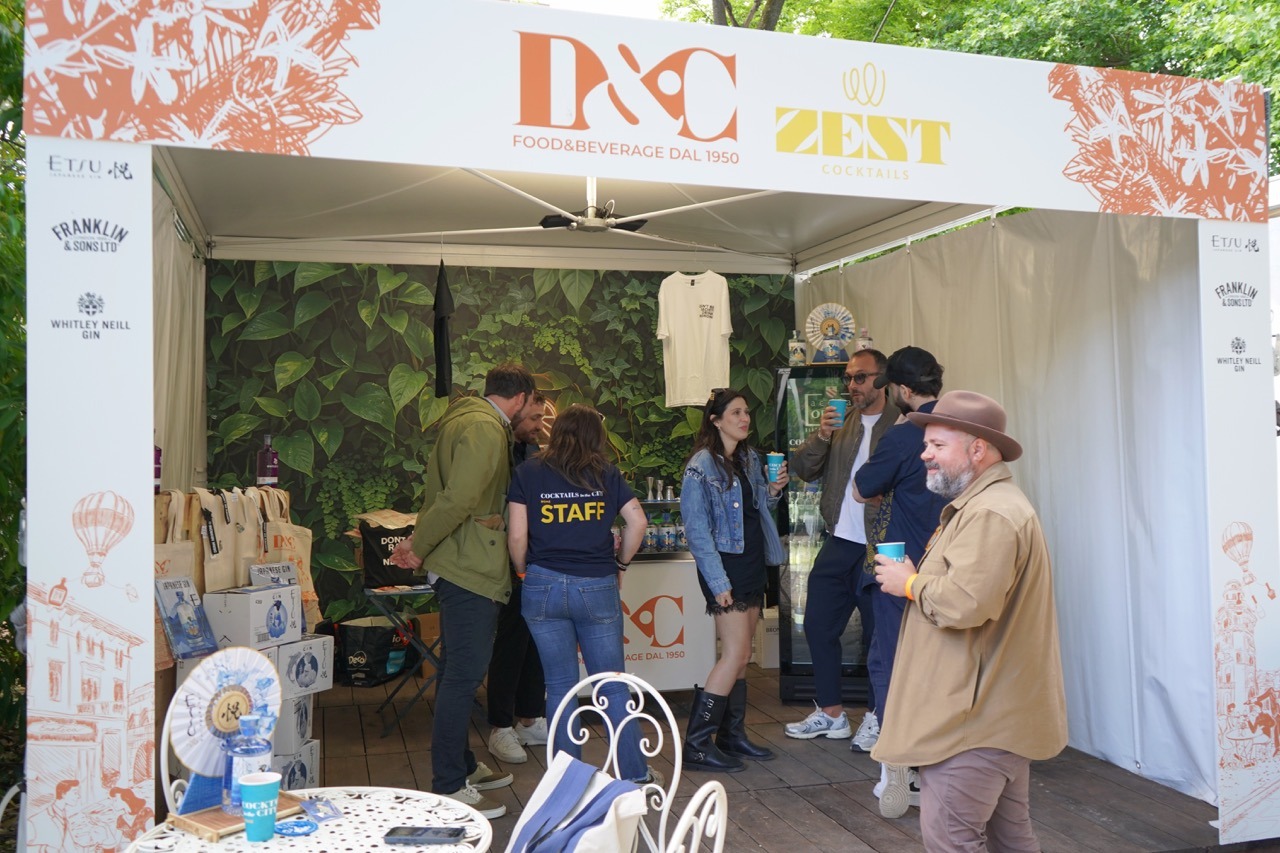
7. ZEST × Etsu Gin
Unlike most participants, Zest travelled from Vicenza in northern Italy, offering visitors a glimpse beyond Rome’s cocktail scene.
Despite being based outside one of Italy’s major cocktail capitals, Zest has earned widespread recognition for its inventive approach to mixology, making it one of the festival’s most anticipated guest bars.
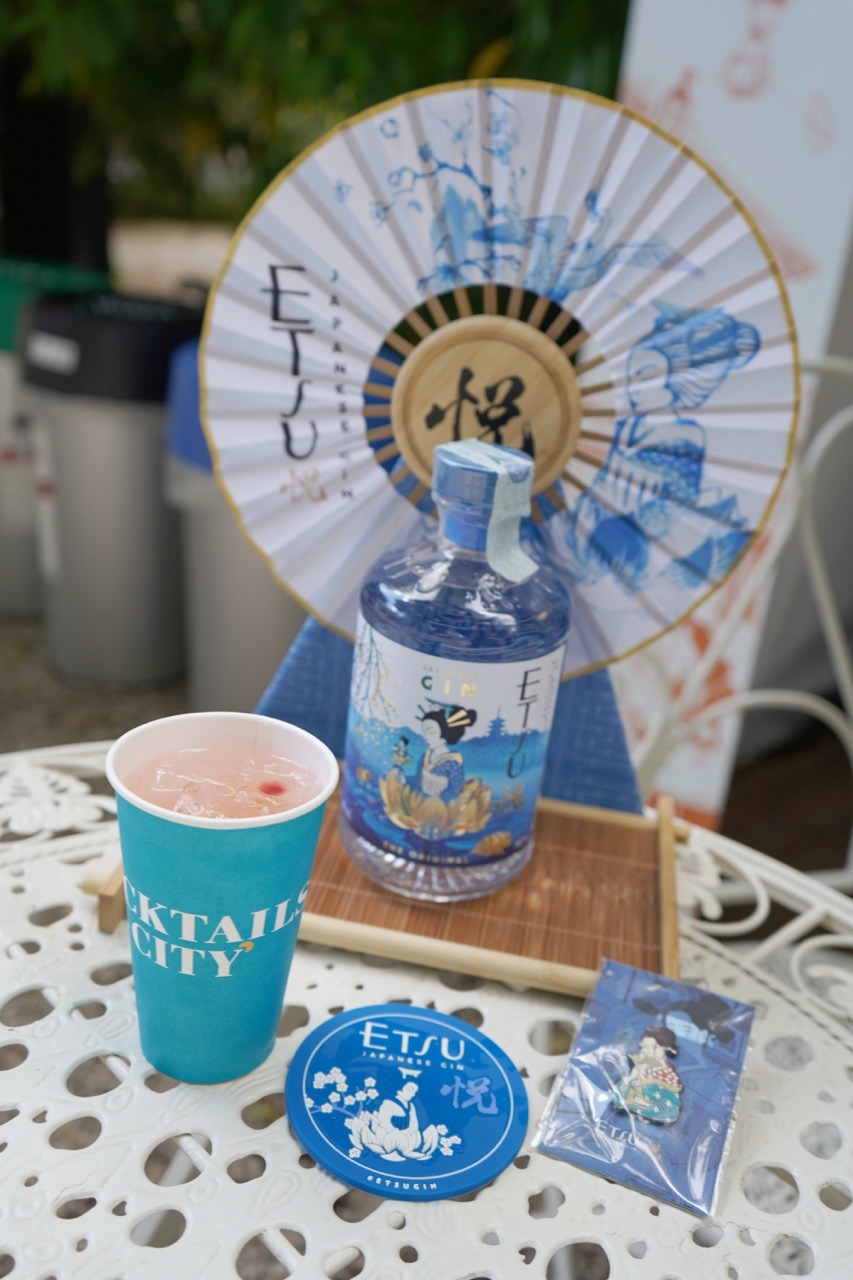
L’Inganno / Il Cavallo featured Etsu Sakura Gin, yuzu, orange blossom water, vanilla, and Franklin & Sons Yuzu Soda, layering delicate floral aromas with vibrant Japanese citrus.
For non-drinkers, L’Ingresso / Il Succo degli Assediatori combined Whitley Neill Rhubarb & Ginger 0.0, mint syrup, fresh lemon juice, and Hampstead Green Tea & Ginger into a refreshing alcohol-free cocktail.
The most technically ambitious creation was La Conquista / Il Leone di Troia, built from Etsu Pacific Ocean Gin, extra dry vermouth, fresh lime juice, sugar syrup, white vinegar, absinthe, elderflower soda, cucumber soda, and foamer.
Its combination of acidity, herbs, cucumber, and anise demonstrated the precision and creativity that have made Zest one of northern Italy’s most respected cocktail destinations.
8. BANANA REPUBLIC × Espolòn Tequila
Established in 1993, Banana Republic has long been one of the defining cocktail bars of Rome’s Prati district.
Known for combining serious cocktails with approachable food, including burgers, sandwiches, and sharing plates, the bar has built a loyal local following over more than three decades. Alongside an extensive cocktail list, its kitchen showcases seasonal ingredients and dishes designed to complement both aperitivo and late-night drinking.
For Cocktails in The City Rome, Banana Republic partnered with Espolòn Tequila, presenting four tequila-focused cocktails.
The classic Paloma featured Espolòn Tequila, Thomas Henry Pink Grapefruit, and lime.
A lighter variation, Low-Paloma, reduced the tequila to a half measure while retaining the fresh combination of lime and pink grapefruit soda.
Negrita reinterpreted the Negroni by replacing gin with Espolòn Tequila and Montelobos Mezcal, alongside Vermouth Cantina del Professore and Campari. The result maintained the structure of the Italian classic while introducing the smoky complexity of agave spirits.
Mexican Mule combined Espolòn Tequila, lime, and Thomas Henry Spicy Ginger Beer, delivering bright citrus, lively spice, and refreshing drinkability, an ideal cocktail for an outdoor festival setting.
9. RINO MONTESACRO × Aperol
Located in Montesacro, a residential neighborhood in northeastern Rome, Rino Montesacro has earned a loyal following through its understated atmosphere and consistently high-quality cocktails. Rather than relying on theatrical presentations or social media trends, the bar focuses on warm hospitality and refined mixology, offering a glimpse into the everyday cocktail culture enjoyed by young Romans away from the city’s main tourist districts.
For the festival, Rino Montesacro partnered with Aperol, presenting four cocktails that ranged from timeless classics to contemporary aperitivo creations.
Alongside the traditional Aperol Spritz, made with Aperol, Prosecco, and soda, the team introduced Dàlia, a floral variation featuring Aperol, peach and lemon cordial, Prosecco, and cardamom.
Montagne Rosse combined gin, Biancosarti, dry vermouth, Campari Soda, and rosemary, delivering a herbaceous, bittersweet profile.
The alcohol-free Wisteria blended peach and lemon cordial, apple, and ginger beer into a bright, fruit-forward drink that offered a refreshing alternative without compromising on complexity.
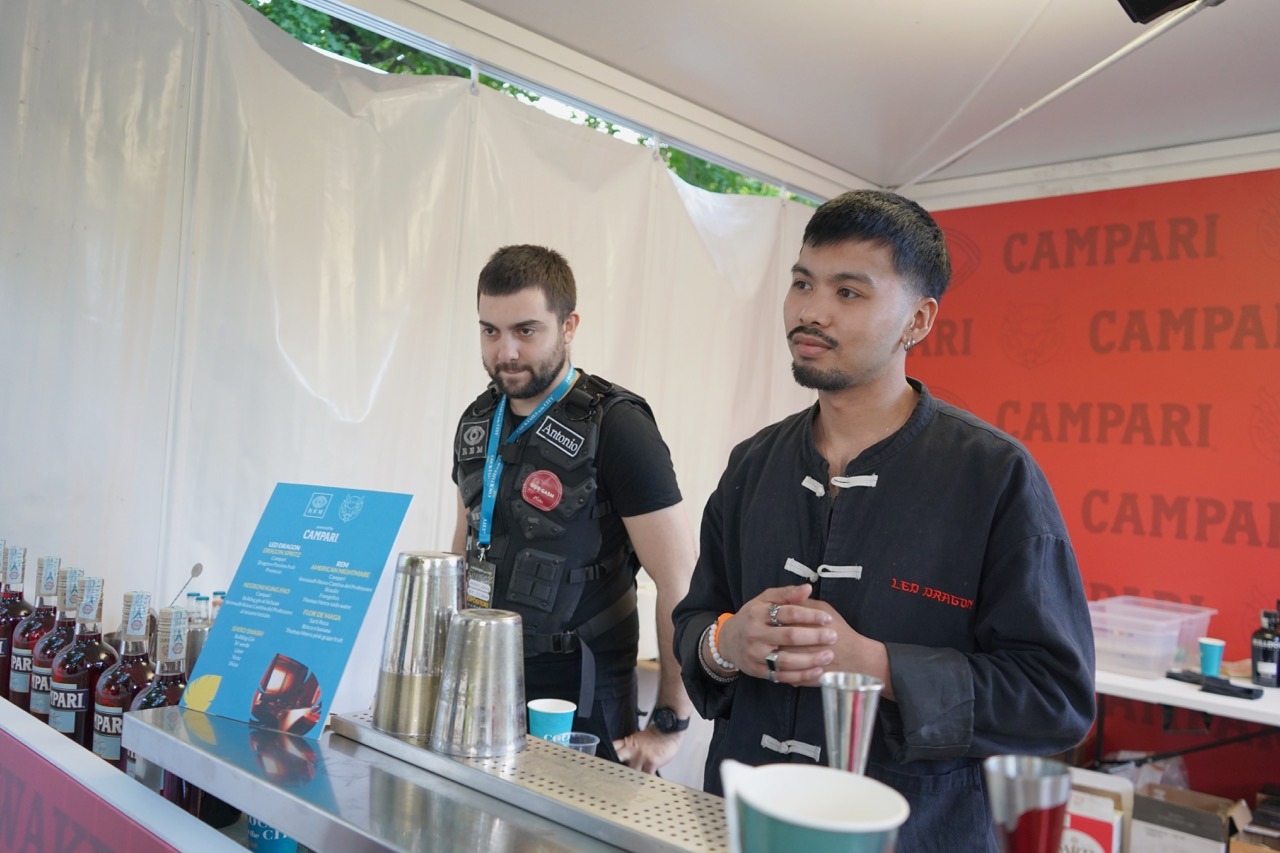
10. REM & LED DRAGON × Campari
Led Dragon, located in Trastevere, is one of Rome’s most distinctive cocktail destinations, combining contemporary mixology with Chinese culinary influences. From its Asian-inspired interior to its food and drink program, the venue offers a completely different perspective from the city’s traditional cocktail bars.
For Cocktails in The City Rome, Led Dragon collaborated with REM, creating a menu supported by Campari that showcased East Asian ingredients and bold aromatic combinations.
Dragon Spritz blended Campari, dragon fruit, passion fruit, and Prosecco into a colorful, tropical aperitivo.
One of the most memorable cocktails was Negroni Kung Pao, which combined Campari, Bulldog Gin, Sichuan-style vermouth, and roasted sesame. Richly aromatic and gently spicy, it evoked the flavors of Sichuan cuisine while maintaining the unmistakable structure of a Negroni.
Shiso Smash paired Bulldog Gin with green tea, lime, yuzu, and fresh shiso leaves, creating a bright herbal cocktail with vibrant citrus notes.
American Nightmare layered Campari with Vermouth Rosso Cantina del Professore, Braulio, Frangelico, and Thomas Henry Soda Water, bringing together bitterness, alpine herbs, and roasted hazelnut flavors.
Completing the menu was Flor de Maga, featuring Sarti Rosa, hibiscus, banana, and Thomas Henry Pink Grapefruit, a floral, tropical cocktail that provided a lighter contrast to the menu’s bolder creations.
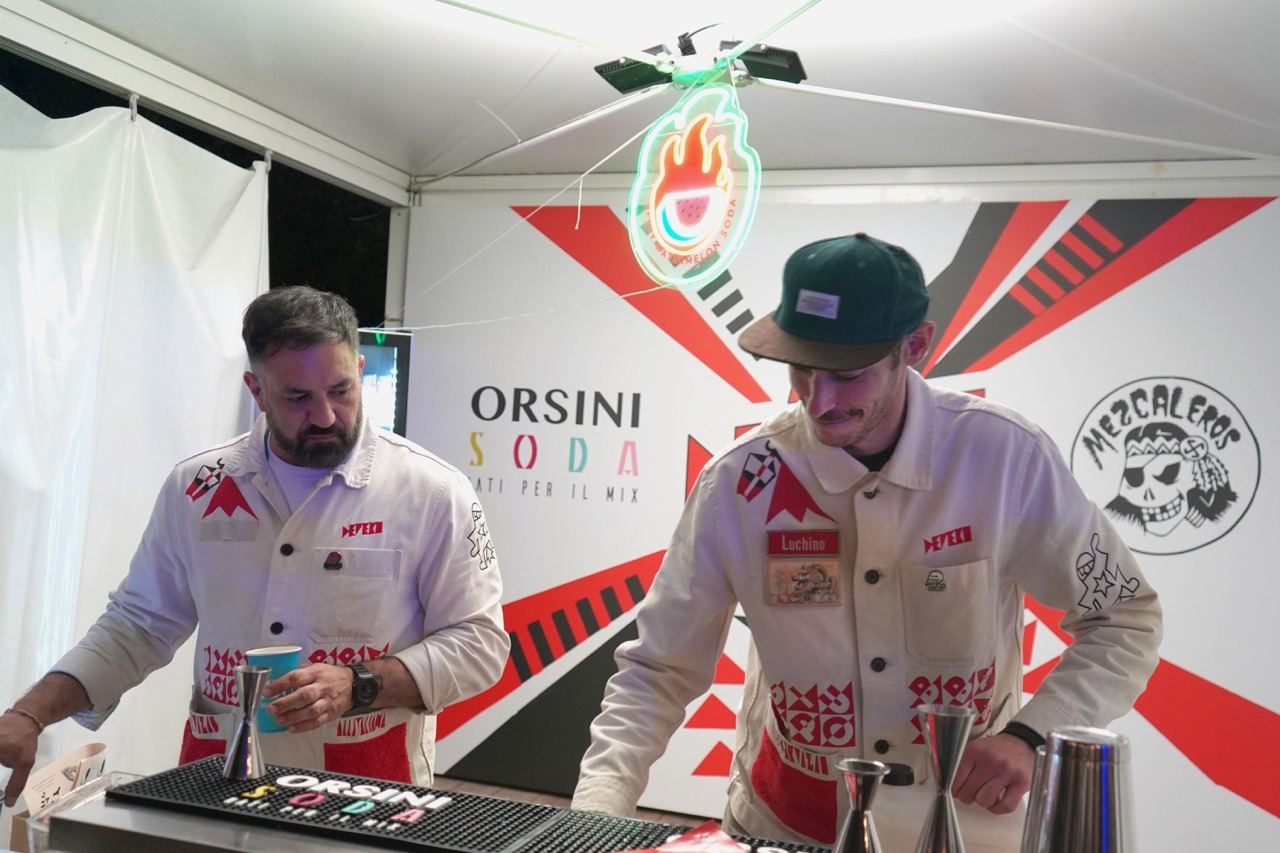
11. DEPERO × Picaflor × Orsini Soda
Travelling from Rieti, approximately ninety minutes northeast of Rome, Depero was another notable guest bar representing Italy beyond the capital.
Named after the Futurist artist Fortunato Depero, the venue approaches cocktails as part of a broader artistic experience, where design, food, and drinks are carefully integrated into a unified concept.
Its festival menu reflected both technical precision and playful creativity.
Cøla Tønic offered a non-alcoholic serve made with Falernum Zerø, distilled Coca-Cola, Orsini Tonic Water, and Orsini Ginger Beer.
Flamingo Spritz combined Picaflor Mezcal, Aperol, rosé wine, mint, and Orsini Spicy Watermelon Soda, balancing smoky agave with fruit and refreshing spice.
Torero featured Picaflor Tequila alongside mistrà, bergamot, basil, peach, and Orsini Club Soda, successfully bridging traditional Italian anise spirits with Mexican agave.
For Paloma lovers, the team served both a Classic Paloma, made with Picaflor Tequila, fresh lime juice, Papa Borracho Agave Syrup, and Orsini Pink Grapefruit, and a Spicy Paloma, which replaced grapefruit with Orsini Spicy Watermelon Soda for a livelier, more adventurous interpretation.
Additional offerings included Coffee Tonic, combining Paranubes Café de Olla with Orsini Tonic Water, and Tommy’s Highball, featuring Picaflor Mezcal, Papa Borracho Agave Syrup, and Orsini Lemon Tonic.
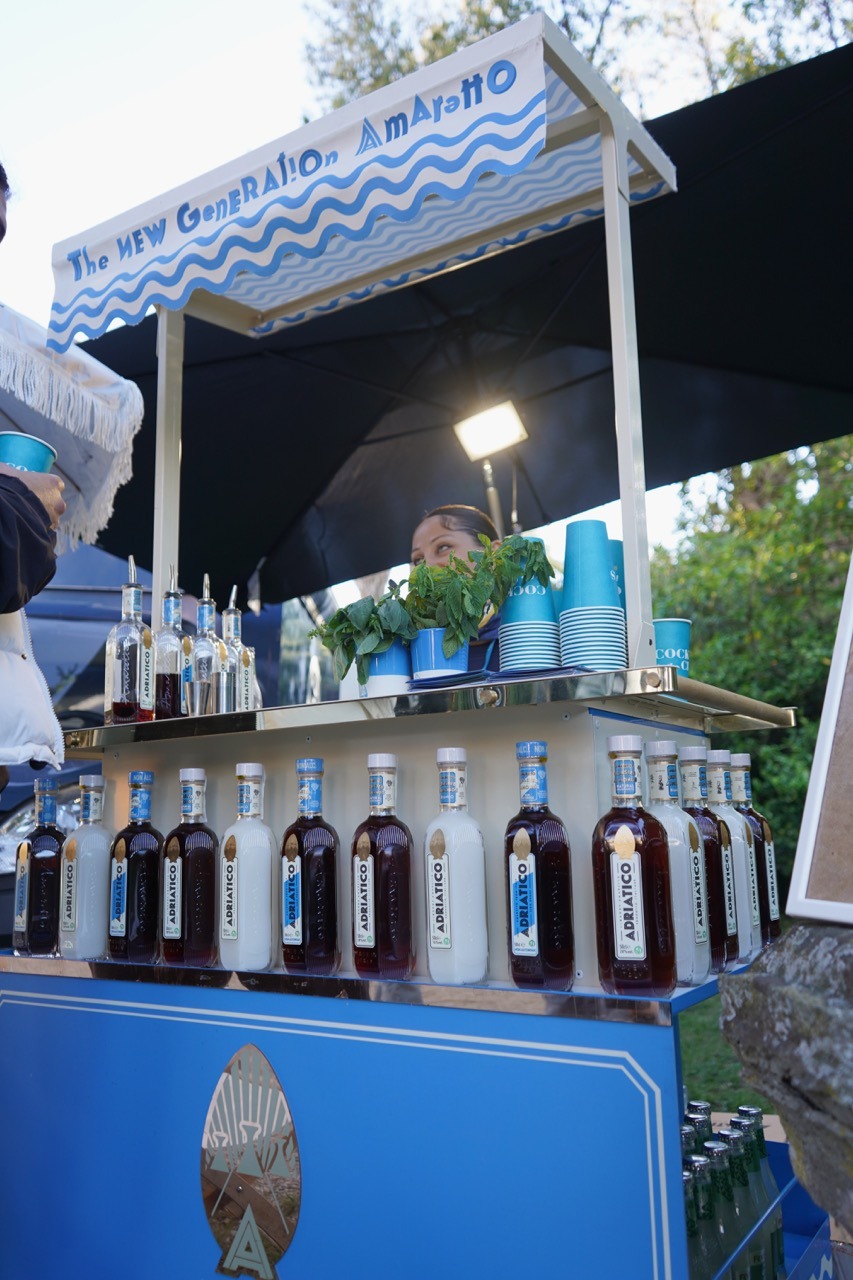
12. ADRIATICO AMARETTO
Adriatico Amaretto represents a modern interpretation of one of Italy’s best-known liqueurs.
Produced using rare Filippo Cea almonds from Puglia, Adriatico reduces the sugar traditionally associated with amaretto while emphasizing the roasted character of the almonds alongside subtle notes of vanilla, cocoa, and cinnamon. The result is a refined, contemporary liqueur that works equally well neat, with tonic, or in cocktails, and has become increasingly popular among bartenders in the craft cocktail community.
At Cocktails in The City Rome, Adriatico presented three cocktails inspired by the bright flavors of southern Italy and designed as easy-drinking long serves.
Puglia Paloma combined Adriatico Bianco, Fever-Tree Pink Grapefruit Soda, fresh lime juice, and a saline solution. Light, refreshing, and unexpectedly elegant, it offered a completely different interpretation of both amaretto and the Paloma.
Roasted Mule paired Adriatico Amaretto with Fever-Tree Ginger Beer, lime juice, and fresh mint. The roasted almond character blended naturally with the spicy ginger, creating a cocktail that was both rich and remarkably refreshing.
The alcohol-free Zero Mule featured Adriatico Zero alongside Fever-Tree Ginger Beer, lime juice, and basil. Retaining the signature roasted almond aroma while remaining entirely alcohol-free, it demonstrated how seriously the brand has embraced the growing demand for sophisticated no-alcohol cocktails.
More Than Cocktails: A Festival That Celebrated the Entire Botanical Garden
The appeal of Cocktails in The City Rome extended far beyond the drinks themselves.
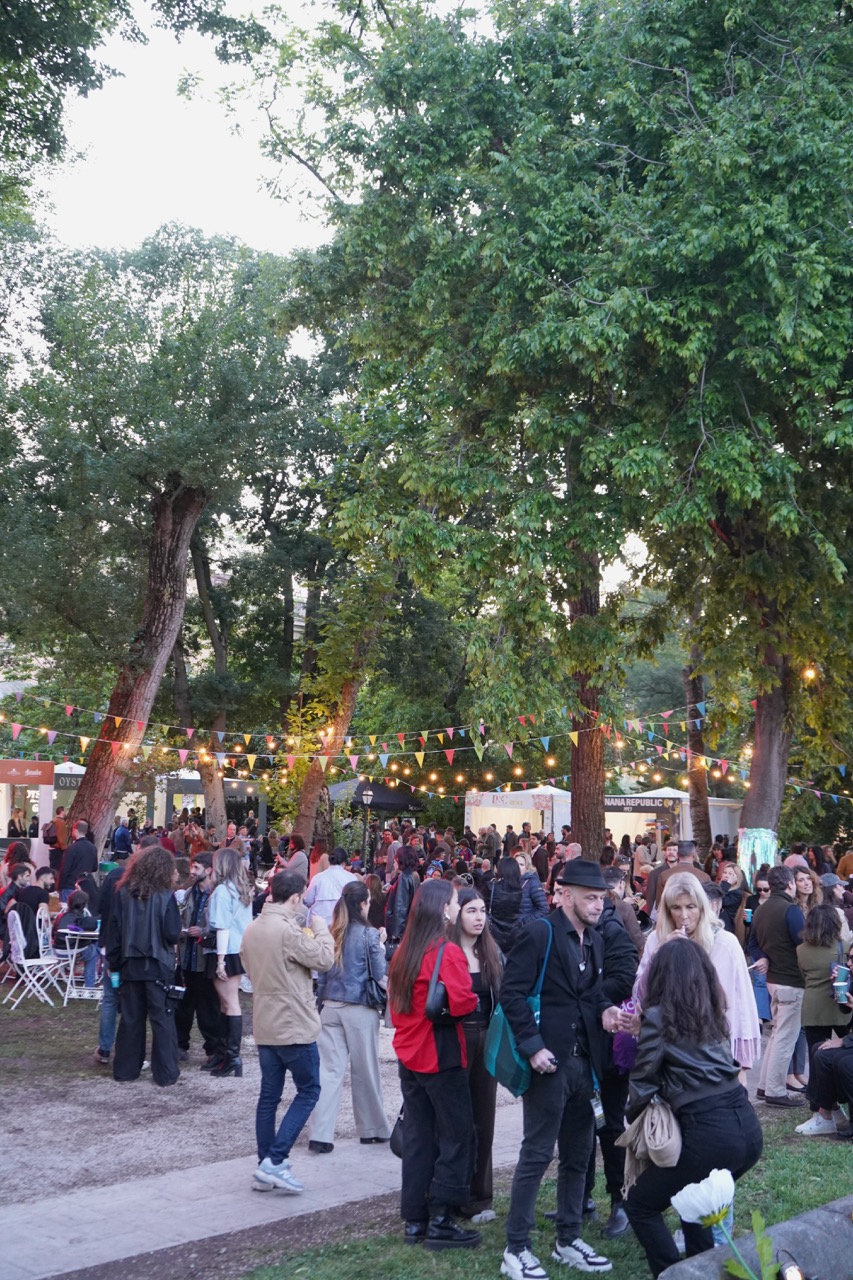
Throughout the weekend, visitors could take part in masterclasses, workshops, Pilates sessions, live music, DJ performances, and a silent disco, creating a full-day experience that lasted from the afternoon well into the evening.
Guests wandered through the winding paths of the Botanical Garden, stopping at pop-up bars, enjoying food between cocktails, attending educational sessions, and later settling into the music programme as the sun went down.
Rather than feeling like a traditional tasting event, the festival resembled a carefully curated Roman weekend, a celebration of food, drink, culture, and outdoor living.
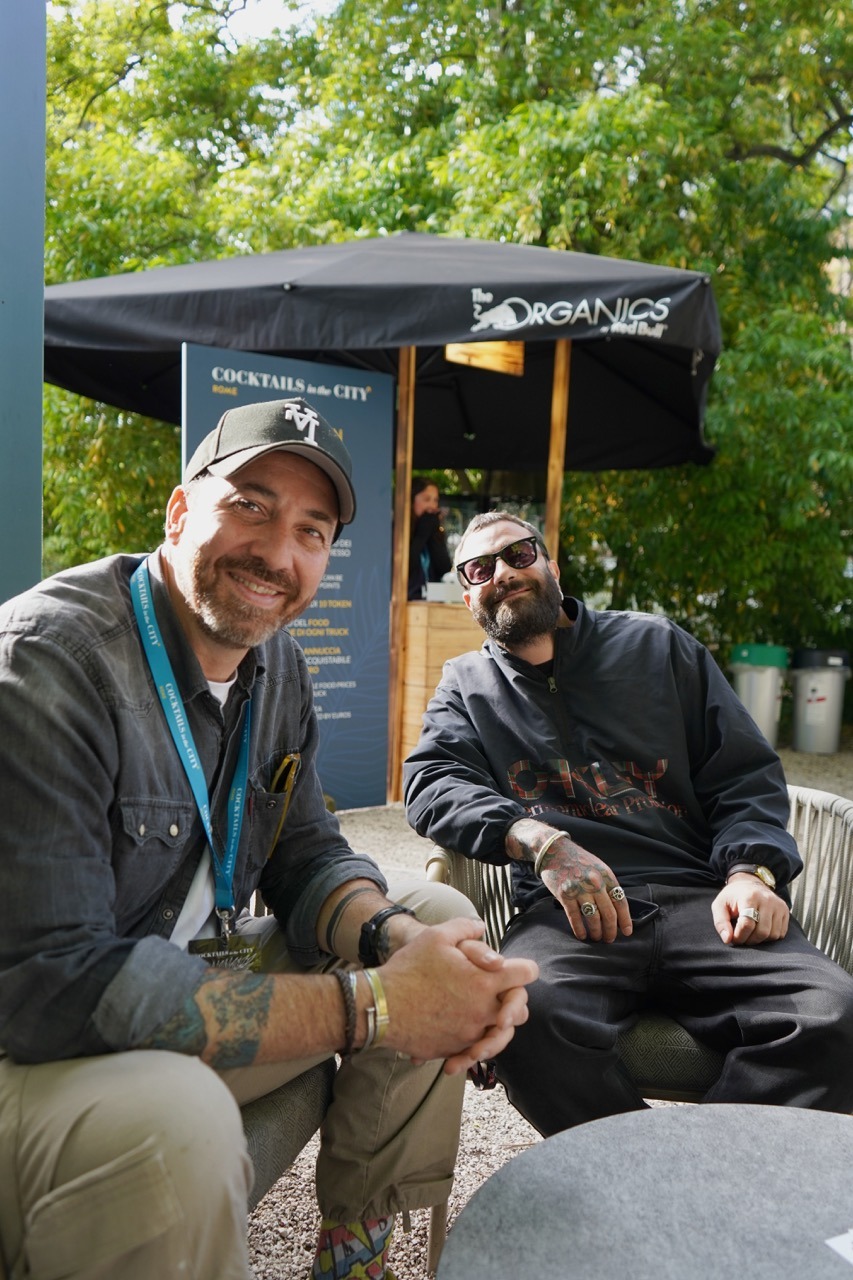
Workshops: Rum, Botanicals, and the Perfect Espresso Martini
Education formed an important part of the festival programme.
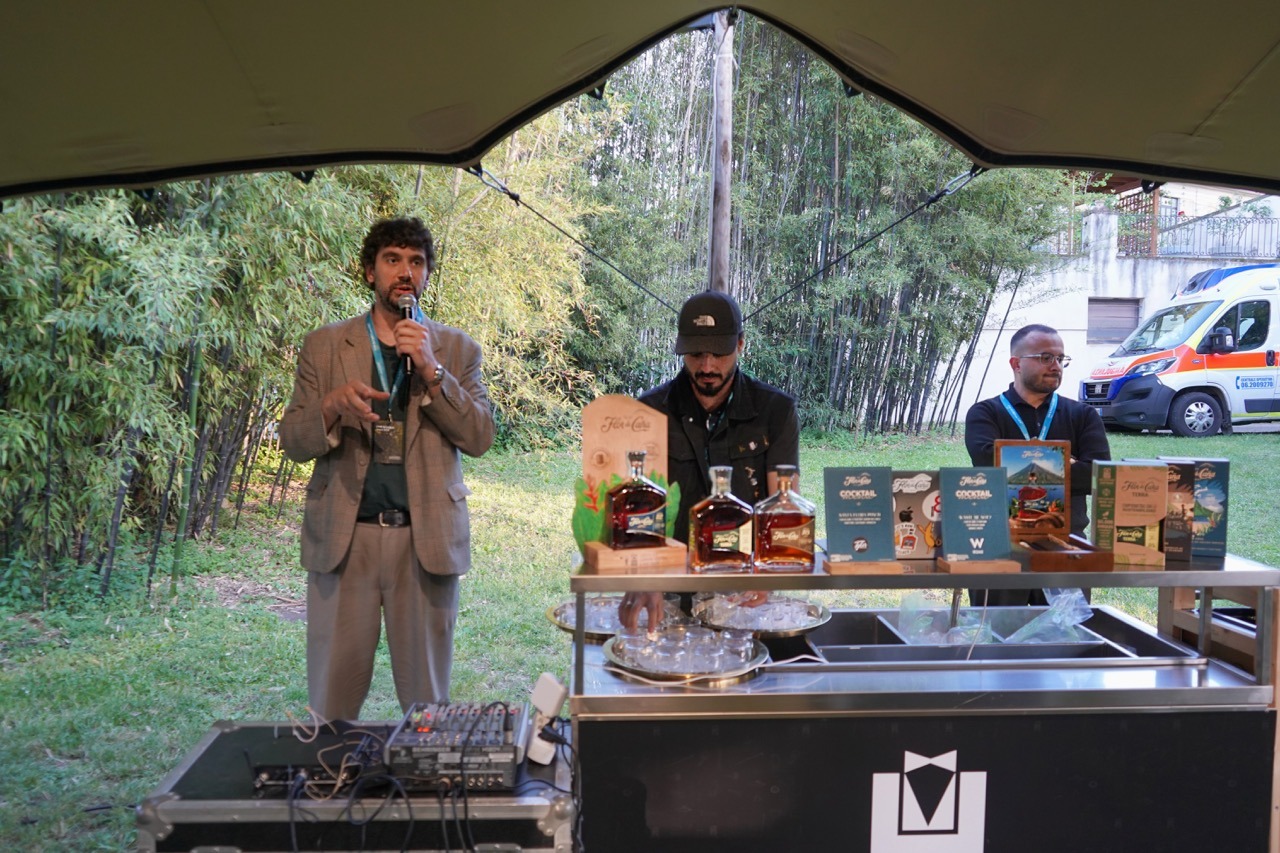
Flor de Caña hosted a Rum Masterclass on both days, introducing participants to the diversity of premium rum through guided tastings and practical mixology.
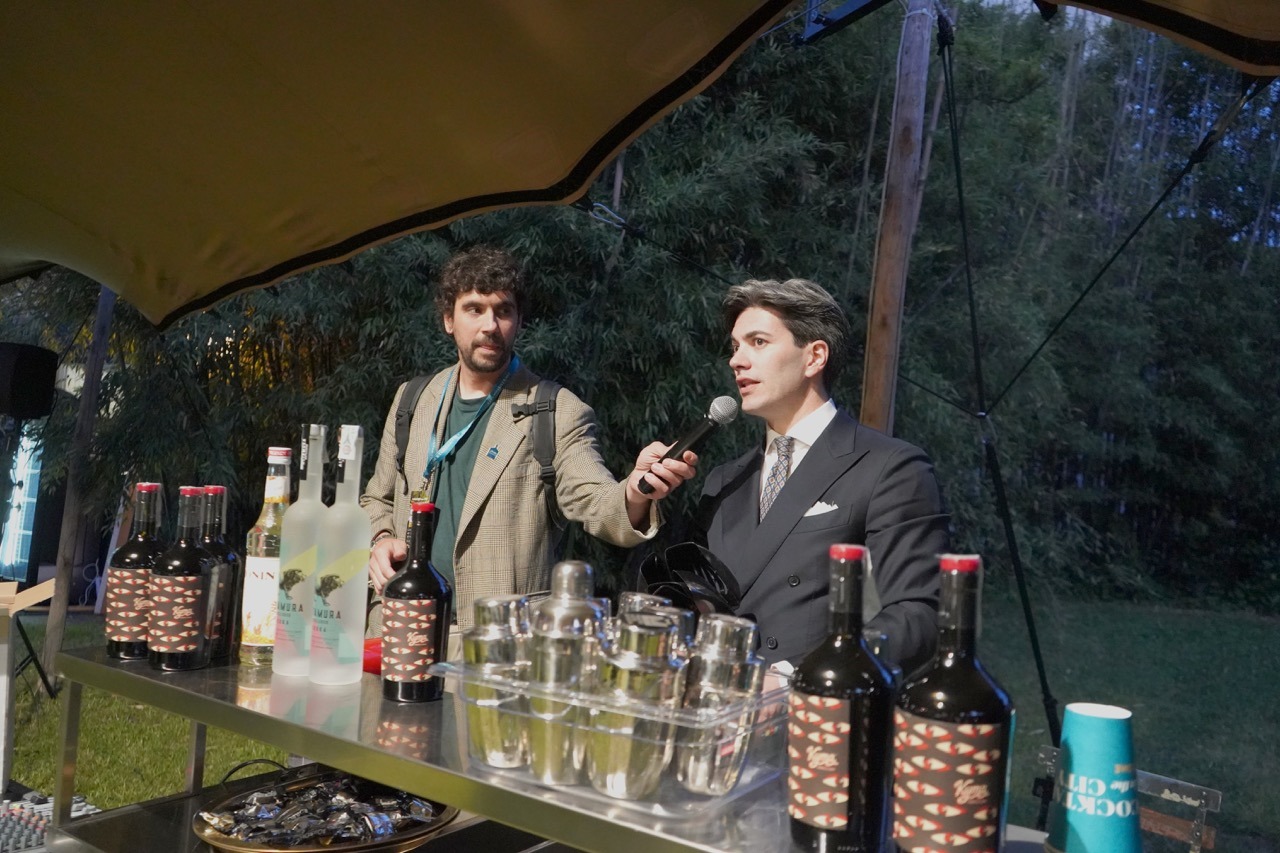
Coffee lovers could join the Espresso Martini Cocktail Class, presented by Kyma and Altamura Distilleries. The sessions were led by Mattia Capezzuoli, Bar Manager of the renowned Stravinskij Bar at Hotel de Russie, who explored both the technical and creative aspects of one of today’s most popular cocktails.
Nature itself also became part of the programme through Make You Greener, an interactive workshop exploring the aromas, properties, and sensory qualities of plants.
On Saturday evening, visitors were invited to slow down with a Pilates session led by Mimosa Achtner, founder of Oltrepilates.
The combination of cocktails, wellness, botanicals, and sensory experiences perfectly reflected the unique setting of Rome’s Botanical Garden, making the educational programme feel like an integral part of the festival rather than an optional extra.
DJs, Live Performances and a Silent Disco
Music was another defining element of the weekend.
On 16 May, Funk Pope opened the evening with a selection of funk, soul, and old-school grooves, followed by Hallyx, whose live electronic performance blended ambient textures with new-age influences.
The night concluded with Naomi, whose Afro-Caribbean-inspired DJ set kept the crowd dancing well into the evening.
The following day featured Old No.7 B(R)AND, an unusual collaboration between bartenders and musicians, before the closing performance by Post Office, a large-scale European project combining music, performance, and visual entertainment.
Meanwhile, inside one of the Botanical Garden’s greenhouses, Red Bull hosted a Silent Disco on both evenings.
Equipped with wireless headphones, participants could switch between different music channels while dancing alongside one another. The result was an experience that felt both deeply personal and surprisingly communal, a fitting reflection of the festival’s blend of individuality and shared enjoyment.
Food, Coffee and Spaces to Explore
A strong food programme ensured the festival was about much more than cocktails.
Visitors could sample Roman-style meatballs from Pret à Polpett, gourmet burgers from Il Malandrino, pinsa romana and traditional Roman fried snacks from Foodisfaction, Asian street food from Gyoza Express, and desserts from Annuccia.
For those looking to take a break from cocktails, Casa Manfredi served specialty coffee, highlighting another essential aspect of Roman food culture.
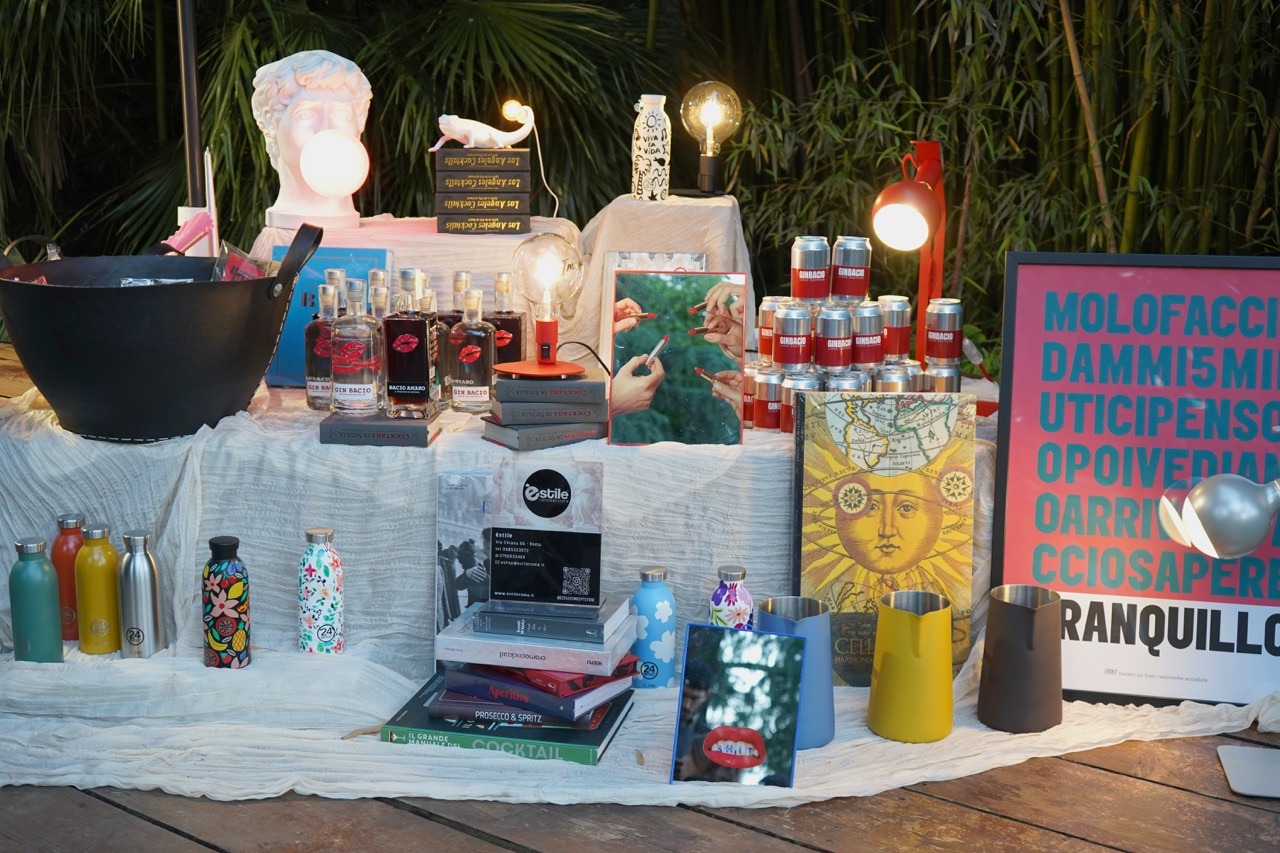
Additional areas hosted Punto Birra, Gin Bacio & E’Stile, and Make You Greener, expanding the festival beyond cocktails to include craft beer, plants, and contemporary lifestyle experiences.
For two days, Rome’s Botanical Garden was transformed into perhaps the city’s most exciting cocktail district.
A Cocktail Festival Focused on Experience Rather Than Consumption
One of the most striking aspects of Cocktails in The City Rome was the way low-alcohol and alcohol-free cocktails were integrated naturally into the programme, rather than being treated as secondary options.
The Organics Sky Garden offered cocktails at just 4.2% and 8% ABV, while bars such as Zest, Blind Pig, Depero, and Adriatico all presented thoughtfully designed non-alcoholic serves alongside their signature cocktails.
This encouraged visitors to enjoy the festival at their own pace, to alternate cocktails with food, music, and walks through the gardens, rather than focusing on consuming as many drinks as possible.
The statistic of approximately 1.5 cocktails per visitor perfectly illustrates this philosophy.
Cocktails here were not simply beverages; they became part of a broader lifestyle experience that combined hospitality, culture, entertainment, and design.
Next Year, Plan Your Trip Around the Festival
After years of success in London, Cocktails in The City made an impressive debut in Rome.
Its greatest strength lies in bringing together bars that would normally require several days of exploration across the city. In a single afternoon, visitors could discover celebrated venues from central Rome, rising stars in neighborhoods such as Ostiense and Montesacro, and guest bars travelling from Vicenza and Rieti.
For first-time visitors, the festival offered an ideal introduction to Rome’s contemporary cocktail scene. For those already familiar with the city’s bars, it provided a rare opportunity to experience exclusive collaborations, limited-edition cocktails, and one-off creations unavailable anywhere else.
Event founder Andrea Fofi described the inaugural edition as proof that modern mixology naturally connects with lifestyle, culture, and entertainment. With approximately 5,000 visitors and more than 7,000 cocktails served, the festival demonstrated that the format developed in London resonates just as strongly in Italy.
More importantly, it showed that Rome, and Italy as a whole, is ready for a new generation of cocktail events centered on quality, creativity, and responsible drinking.
Cocktails in The City Rome 2026 highlighted the growing appreciation for cocktails as cultural experiences rather than simply alcoholic beverages. At the same time, it reaffirmed Rome’s position not only as a city of historic cafés and classic aperitivi, but as one of Europe’s leading destinations for contemporary mixology.
If the festival returns next year, it will be well worth planning an entire trip around it.
Spend the afternoon wandering through one of Rome’s most beautiful gardens, enjoy cocktails as the sun begins to set, and end the evening surrounded by music beneath the trees.
It’s a completely different way to experience Rome and one that captures the city’s modern cocktail culture in a single unforgettable day.
Cocktails in The City





square.jpg)