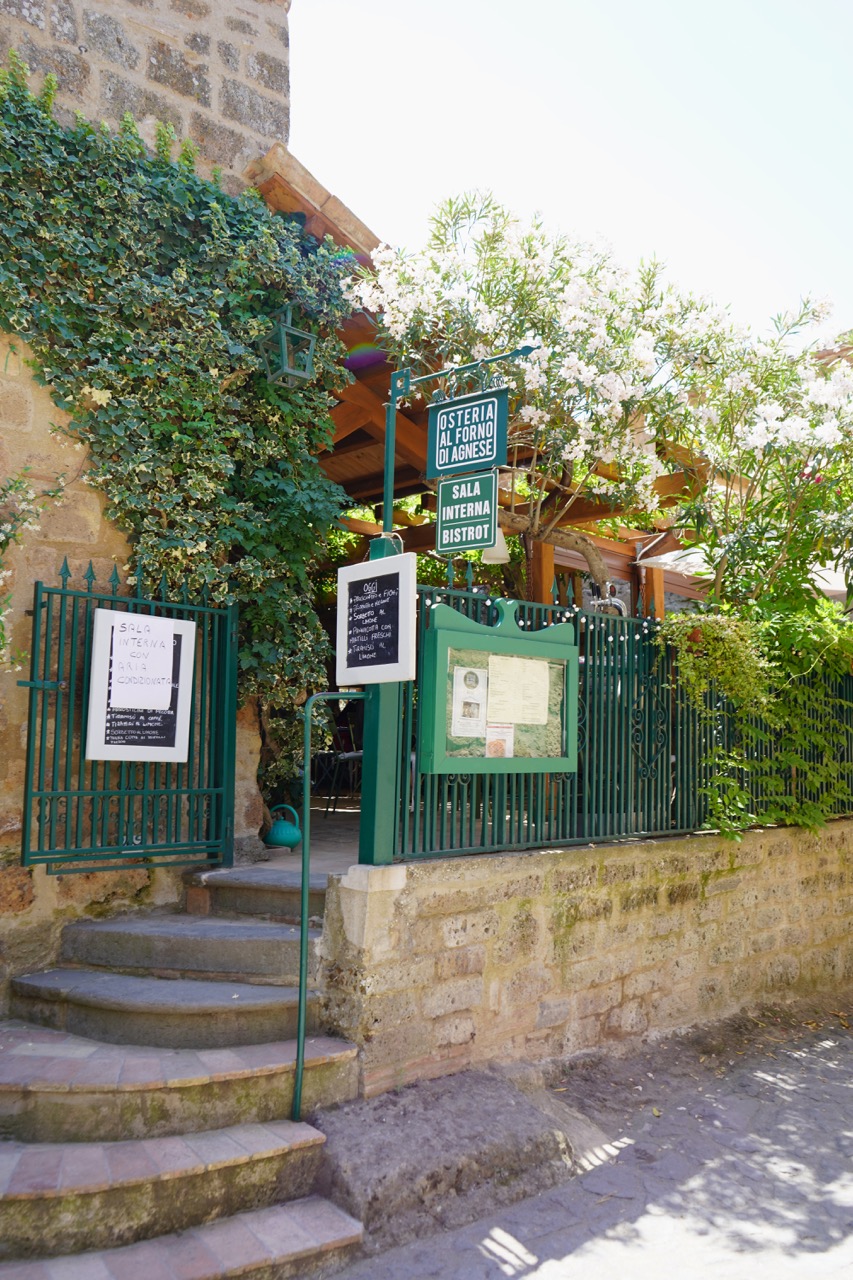
Osteria al Forno di Agnese: A Story of Civita
"Have you ever seen Miyazaki's Castle in the Sky?"
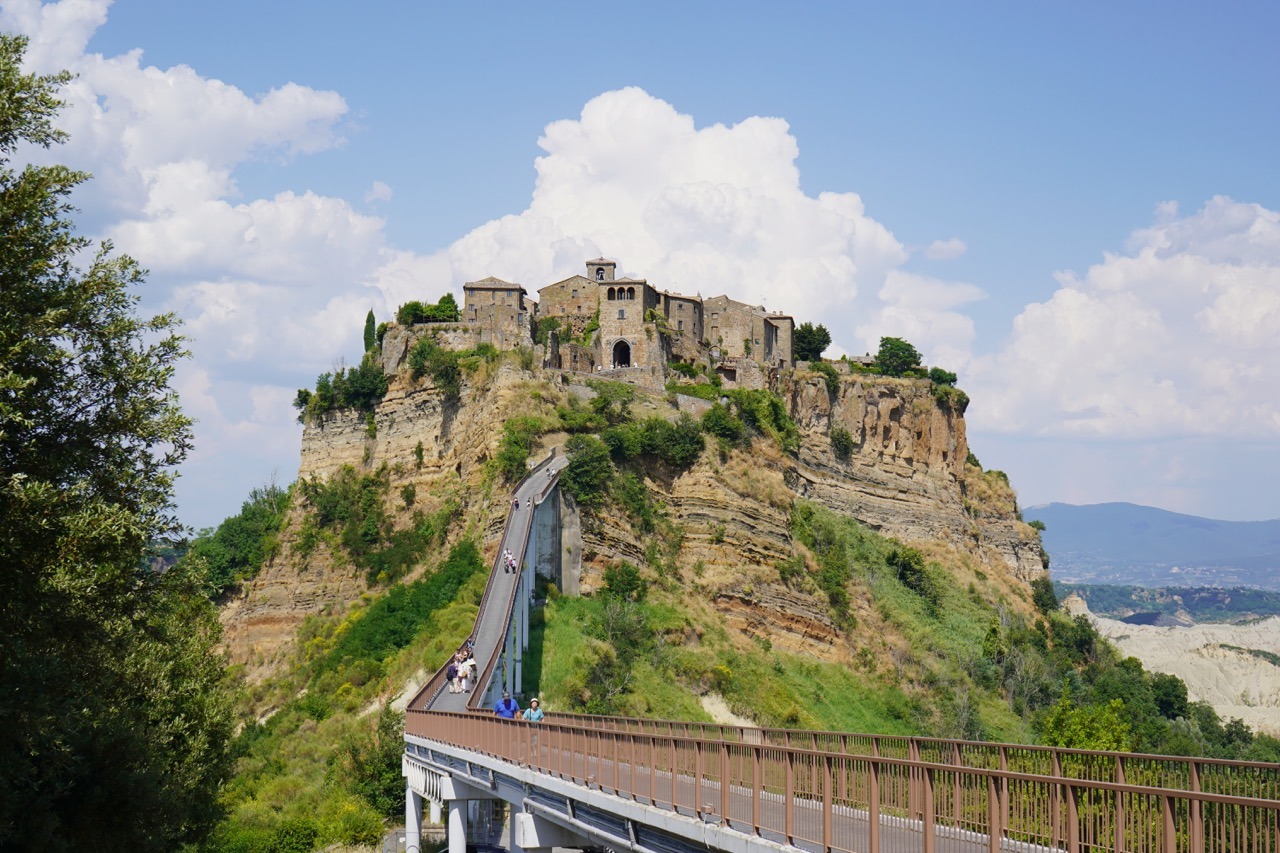
After walking across the 300 meter suspended bridge leading to Civita di Bagnoregio, this was the first sentence we heard from a local tour guide. It was followed by a smile and an invitation "You can join us if you want, it's free."
We already had plans for the day, so we politely declined. Yet the gesture immediately conveyed something important about Civita. Despite receiving hundreds of thousands of visitors each year, it remains a place where hospitality feels genuine.
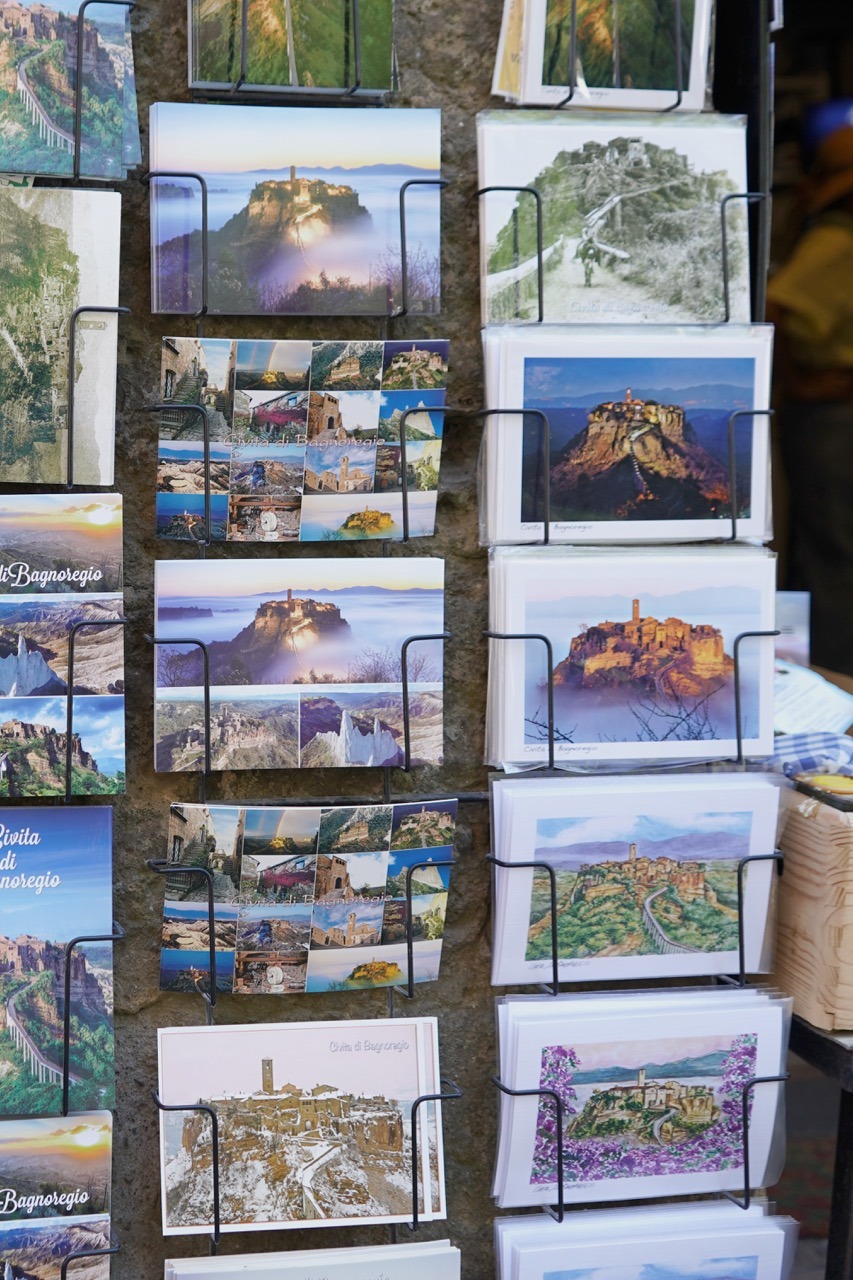
A few minutes later, we arrived at Osteria al Forno di Agnese, where Raffaele and Manuela welcomed us with two books. One was a collection of historical photographs, some dating back to before the First World War. The other contained more recent images of the town. Together, they told the story of Civita di Bagnoregio.
A quick look through the pages is enough to understand how deeply this small town can shape a person's life.
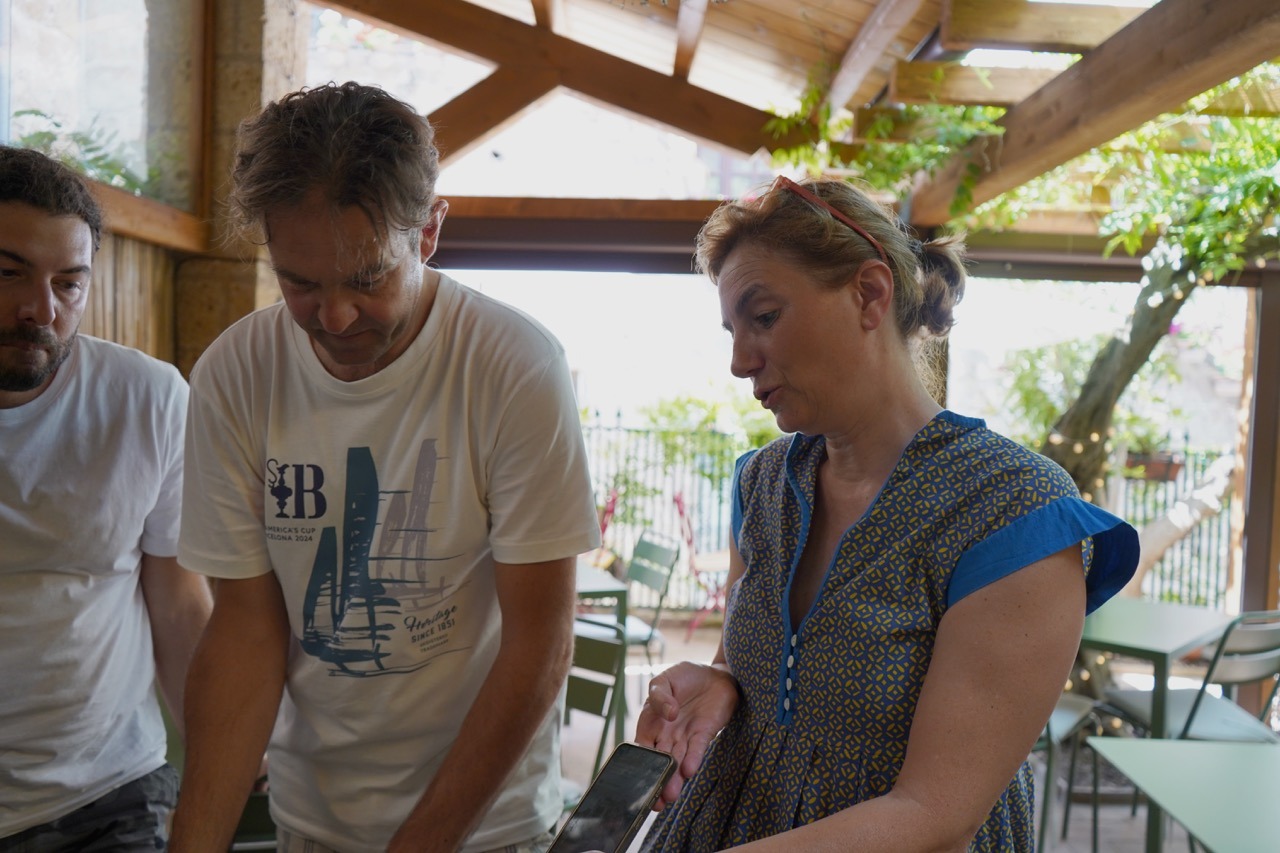
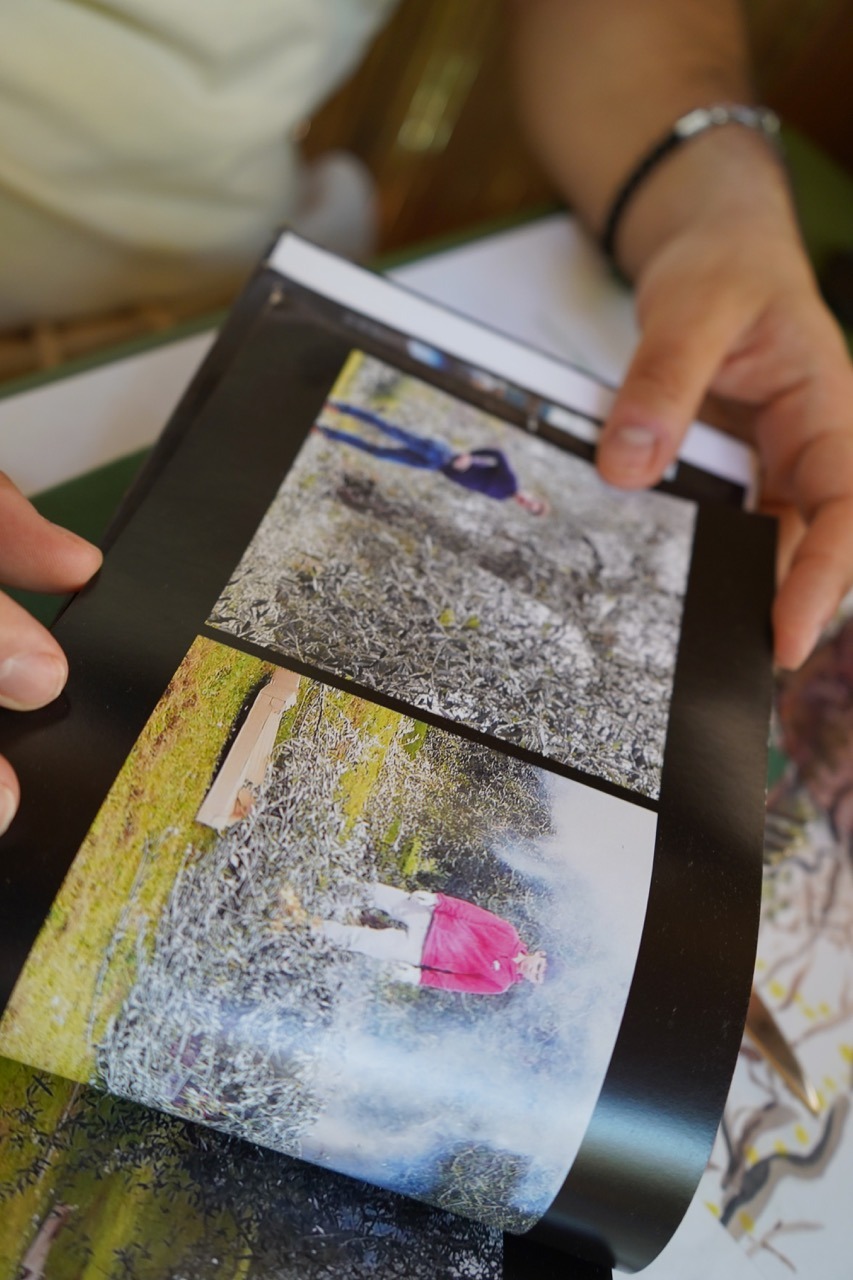
Raffaele grew up here, inside the ancient village. Looking at the photographs, he recalls a different Civita. A livelier one, even as the population gradually declined. As a child, he played with children from the United States who spent long periods in the town. Thanks in part to collaborations with American universities, Civita had already become known among international visitors decades ago.
"It was a different kind of tourism," he explains.
Families would come and stay for days, sometimes weeks. They spent time getting to know the town rather than simply visiting it. Time moved more slowly then.
The history of Osteria al Forno di Agnese is deeply intertwined with that of Civita itself.
Raffaele's grandmother, Agnese, transformed the village's communal bakery into an osteria. For those unfamiliar with the concept, a communal bakery was a place where residents could bring their prepared dough and bake bread in a shared wood-fired oven. It was a practical necessity, but also a social institution.
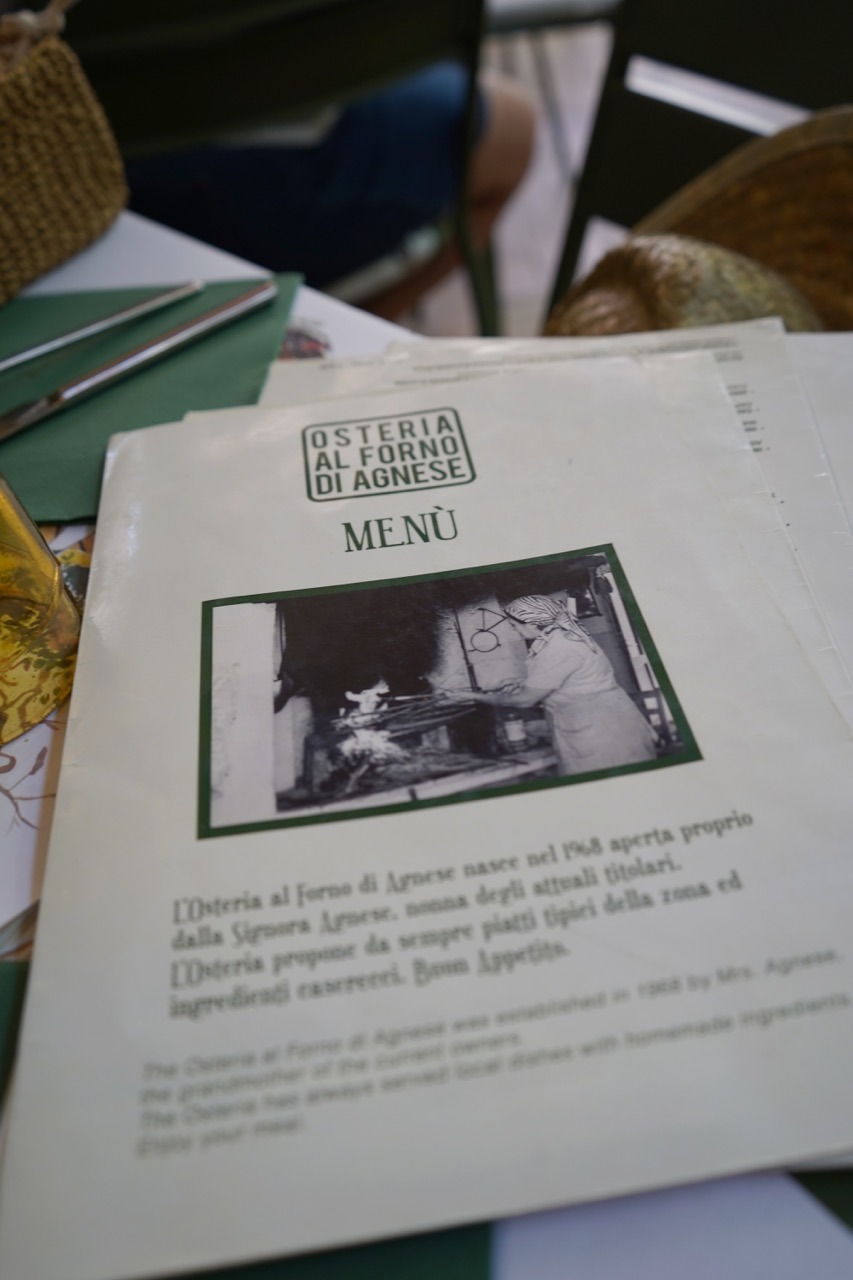
When Agnese opened the osteria, she preserved that same communal spirit. It became a place where simple food was served, where neighbors gathered, and where visitors could feel as though they were entering someone's home rather than a restaurant.
The business has remained in the family ever since. Three generations have followed the same path, although not always directly.
Both Raffaele and Manuela initially chose different careers. Raffaele worked as an agricultural surveyor, while Manuela studied law. Yet hospitality was part of both their family histories, and eventually they felt drawn back to it.
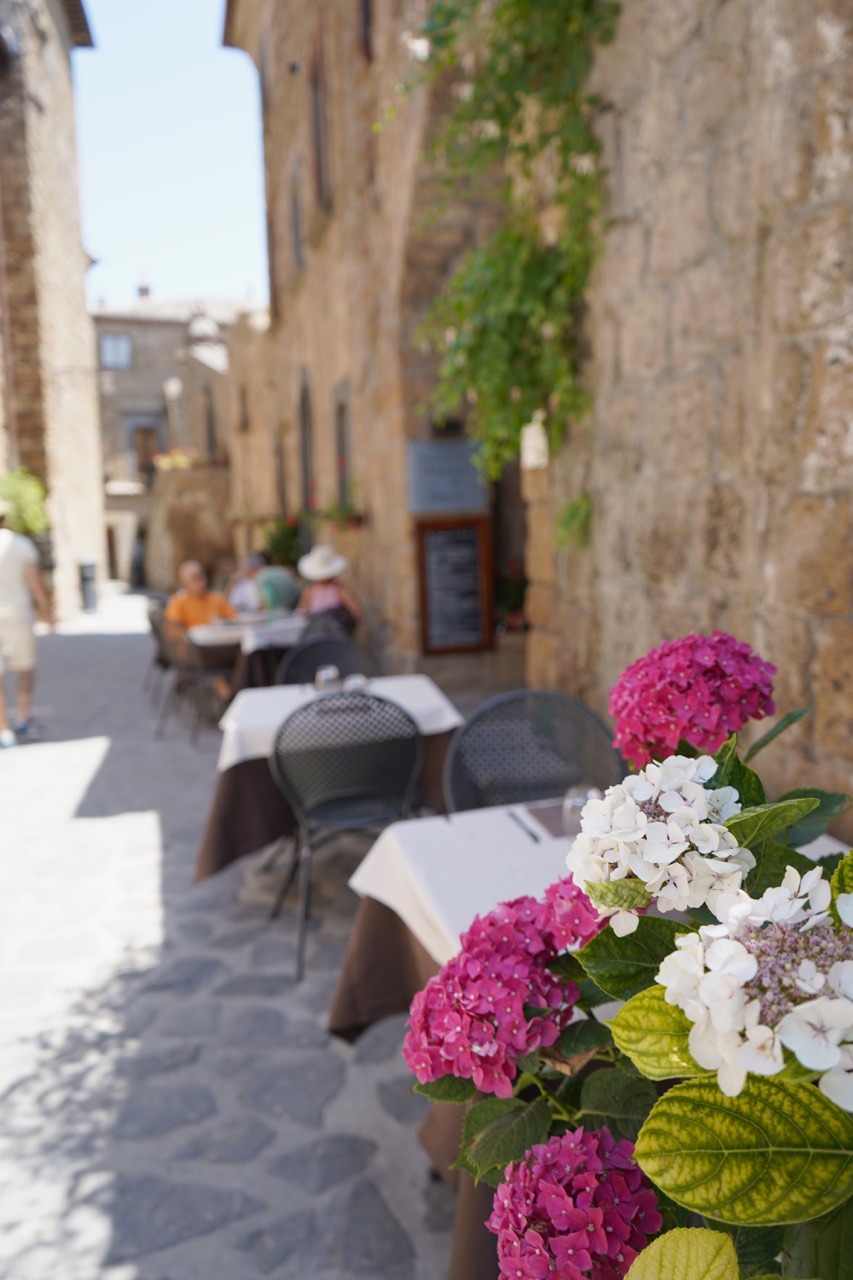
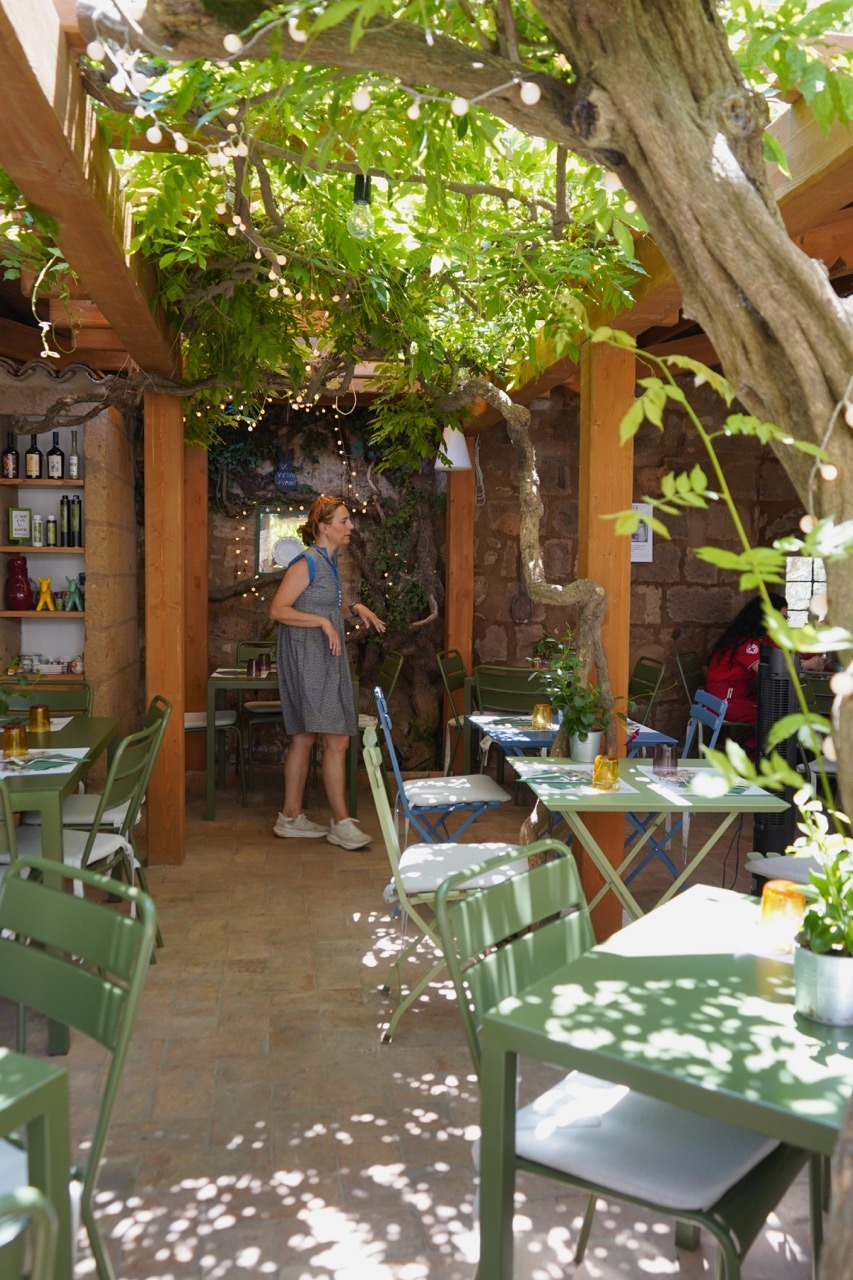
In 2009, they decided to take over the management of the family restaurant. They planted a wisteria vine that today covers the entire terrace, creating one of the most charming dining spaces in the village. Manuela manages the dining room, while Raffaele's son now leads the kitchen, making him the fourth generation involved in the family business. Raffaele, meanwhile, brings his agricultural expertise to the sourcing of ingredients, maintaining close relationships with local producers.
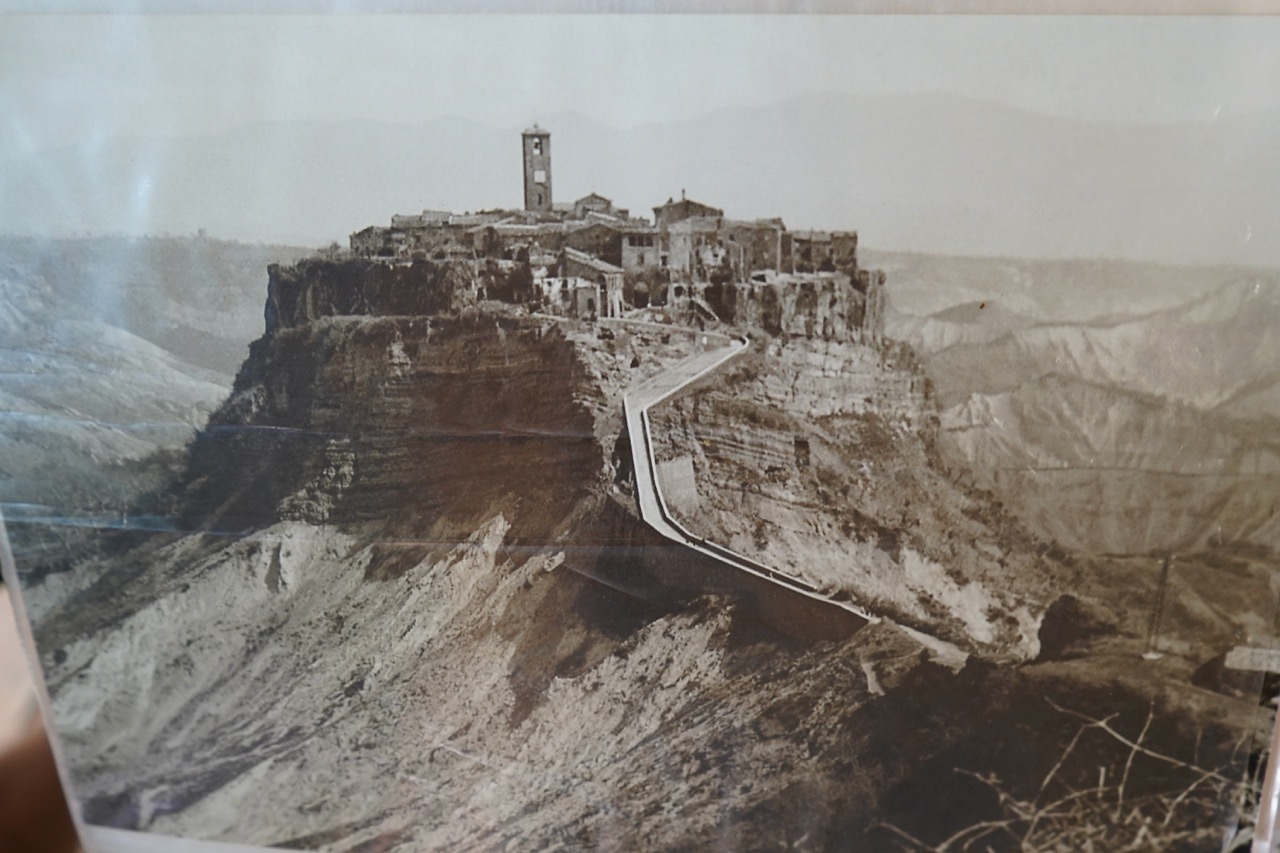
Civita is famously known as "the dying city", a name that refers to the erosion constantly reshaping the volcanic plateau on which the town stands. Looking through the historical photographs, the process is impossible to ignore. Entire sections of the landscape have changed over time.
Yet after spending an afternoon with Raffaele, another definition comes to mind. Civita does not feel like a dying city. It feels like a city in transformation.
Today only around fifteen people live permanently within the walls of the old town. At the same time, visitor numbers continue to grow. According to Raffaele, the real tourism boom began around 2011. Part of this growth, he believes, is linked to the international fascination generated by Hayao Miyazaki's films, whose fantastical worlds are often associated with places such as Civita.
The tourism itself has changed. Today's visitors often arrive on day trips from Rome, on organized tours, or as part of cruise excursions. They come in greater numbers than ever before, but they stay for less time.
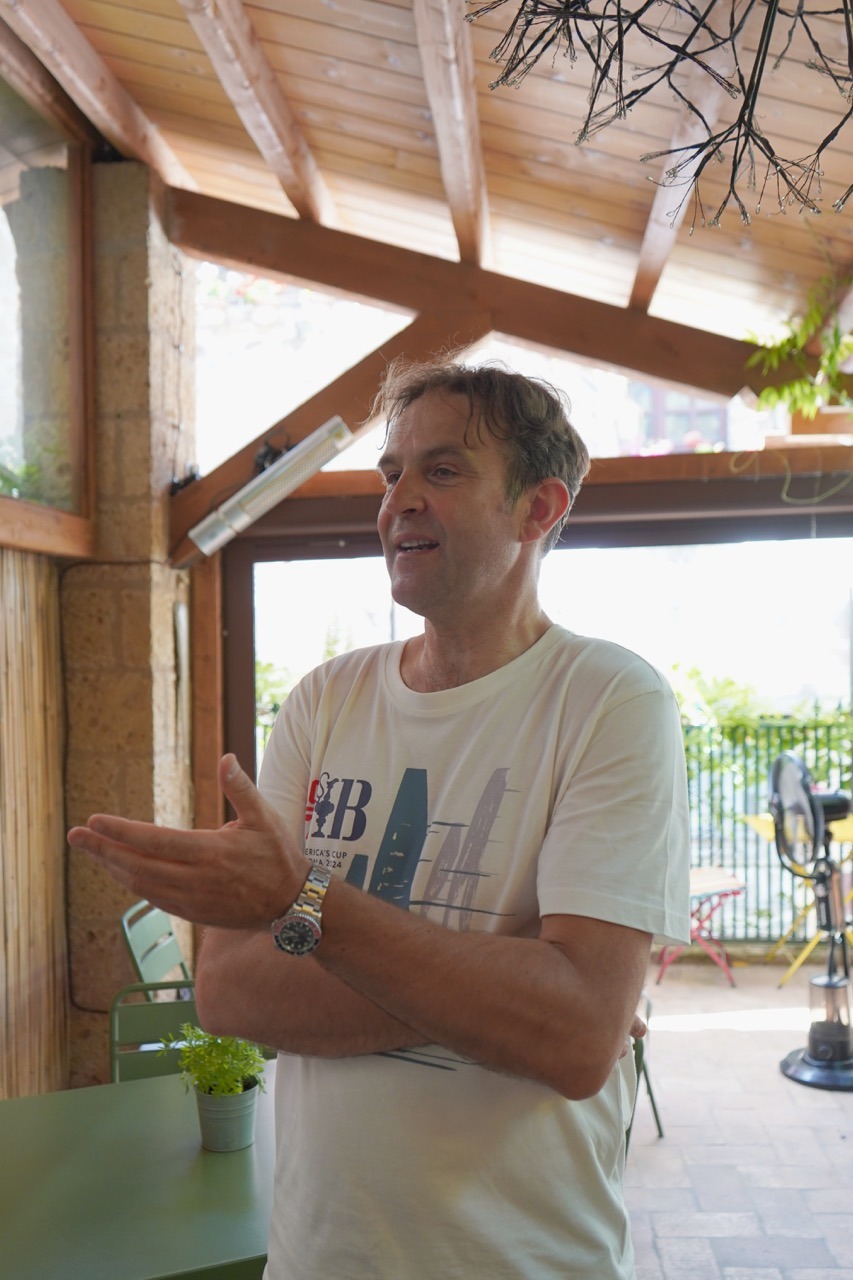
Should a restaurant adapt when the town around it changes?
According to Raffaele, of course it should, but only as much as necessary. without losing its identity.
The service remains that of a traditional osteria. Guests are welcomed less as customers than as friends stopping by for lunch. The kitchen follows the same philosophy. The recipes are rooted in local tradition and avoid unnecessary complications. The focus is instead placed on ingredients: excellent olive oil, aromatic herbs, and carefully selected local produce.
Lunch begins in perhaps the oldest Italian way possible: fresh bread and olive oil. When the oil is good enough, little else is required.
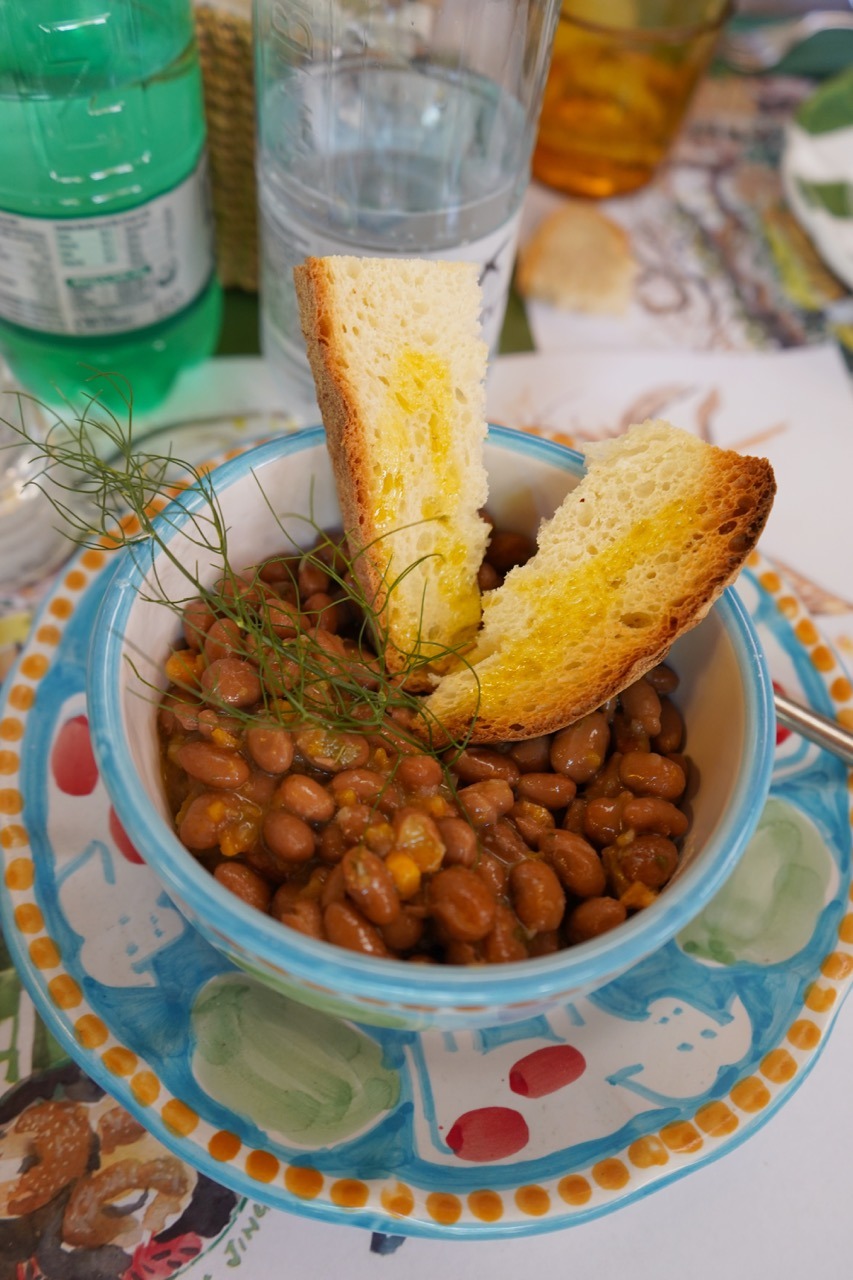
The first dish to arrive is a warm bean salad dressed with onions, herbs, lemon, and an anchovy vinaigrette. It is simple, fresh, and deeply satisfying. The beans retain their texture while the anchovies add a gentle savory depth that never overwhelms the dish.
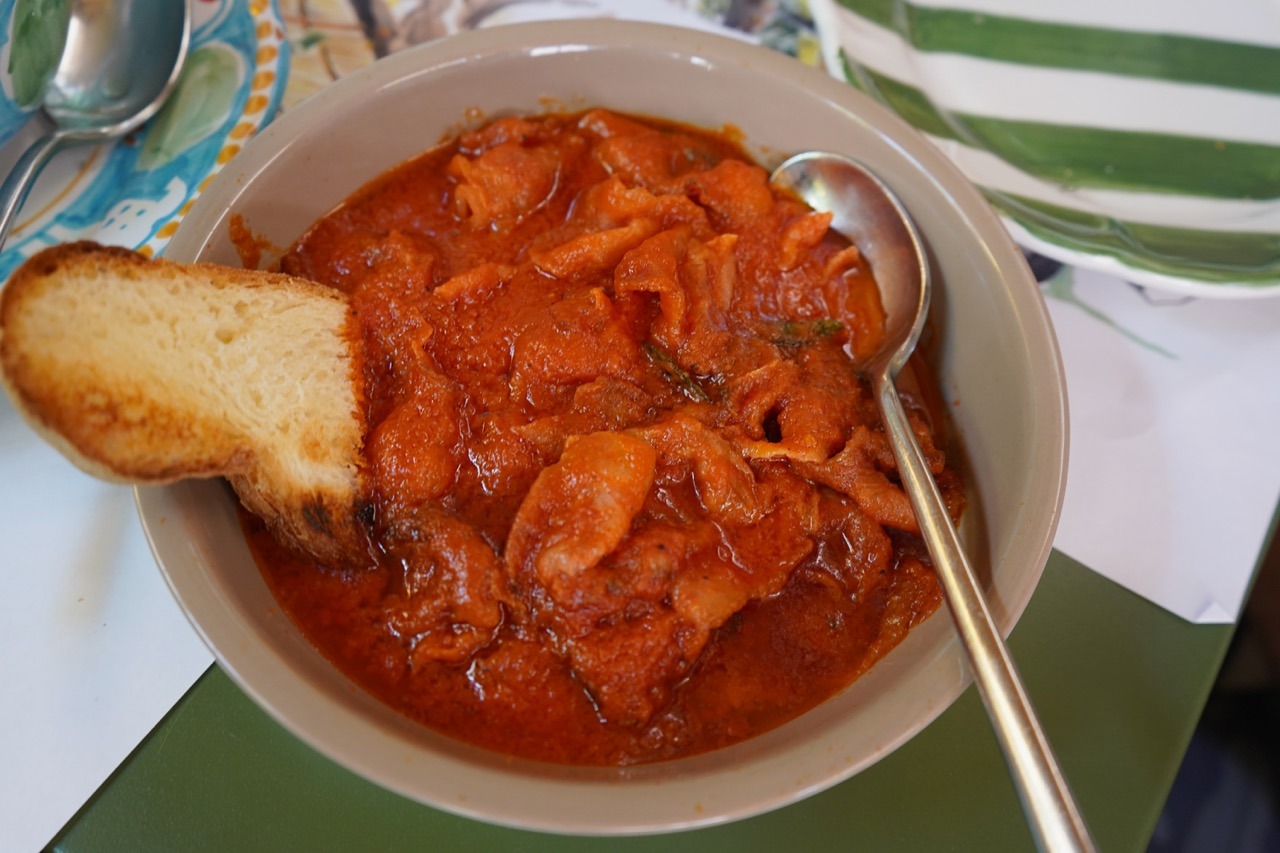
Next comes the baffo di maiale al pomodoro. Thin slices of cured pork are slowly cooked in tomato sauce scented with sage. Rich but not heavy, it immediately evokes the spirit of the traditional Italian osteria. A plate of tomato sauce, fresh bread for scarpetta, a glass of red wine, and lunch suddenly becomes an experience rather than a meal.
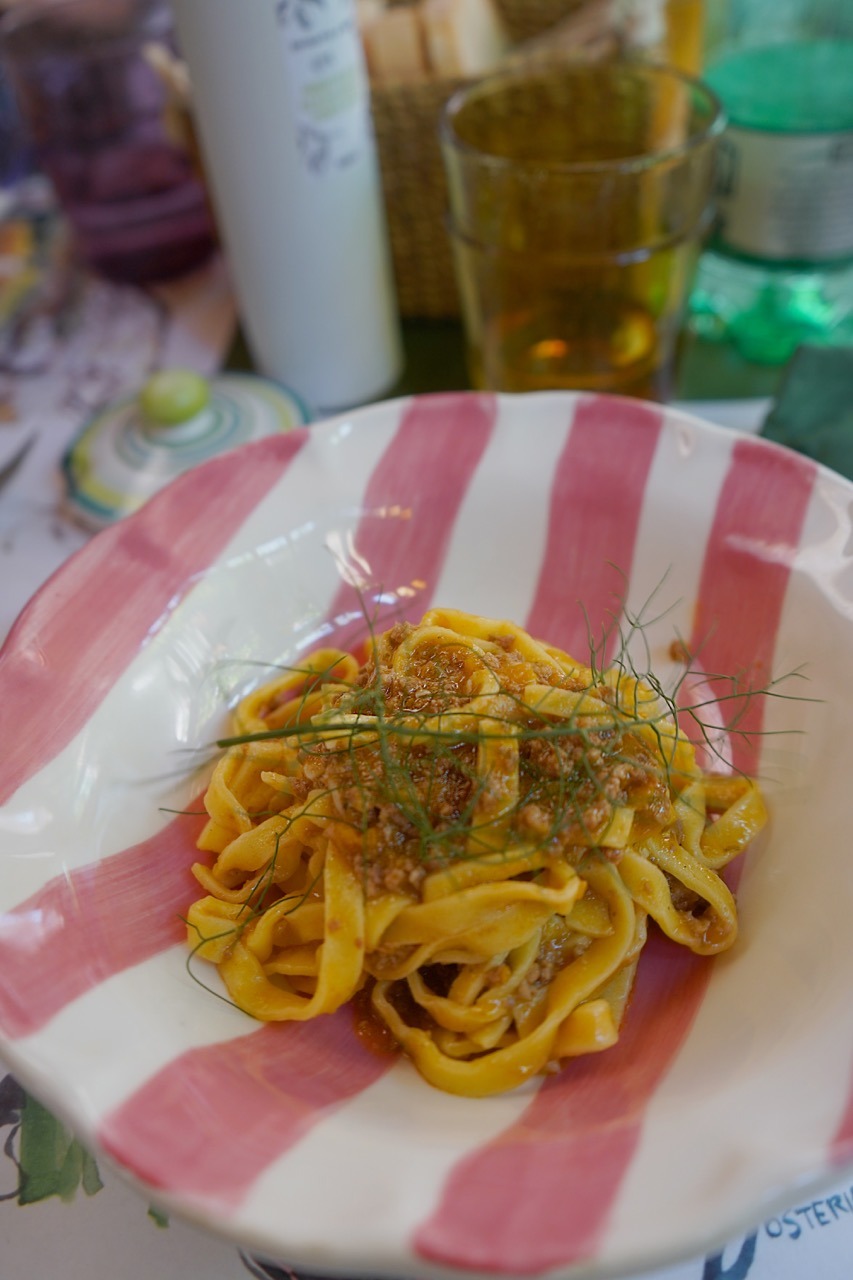
We continue with homemade tagliatelle served with Chianina ragù. The pasta is produced by a local pasta maker following the restaurant's specifications, while the meat comes from a butcher in nearby Celleno. Like much of the menu, it reflects the restaurant's commitment to keeping ingredients as local as possible.
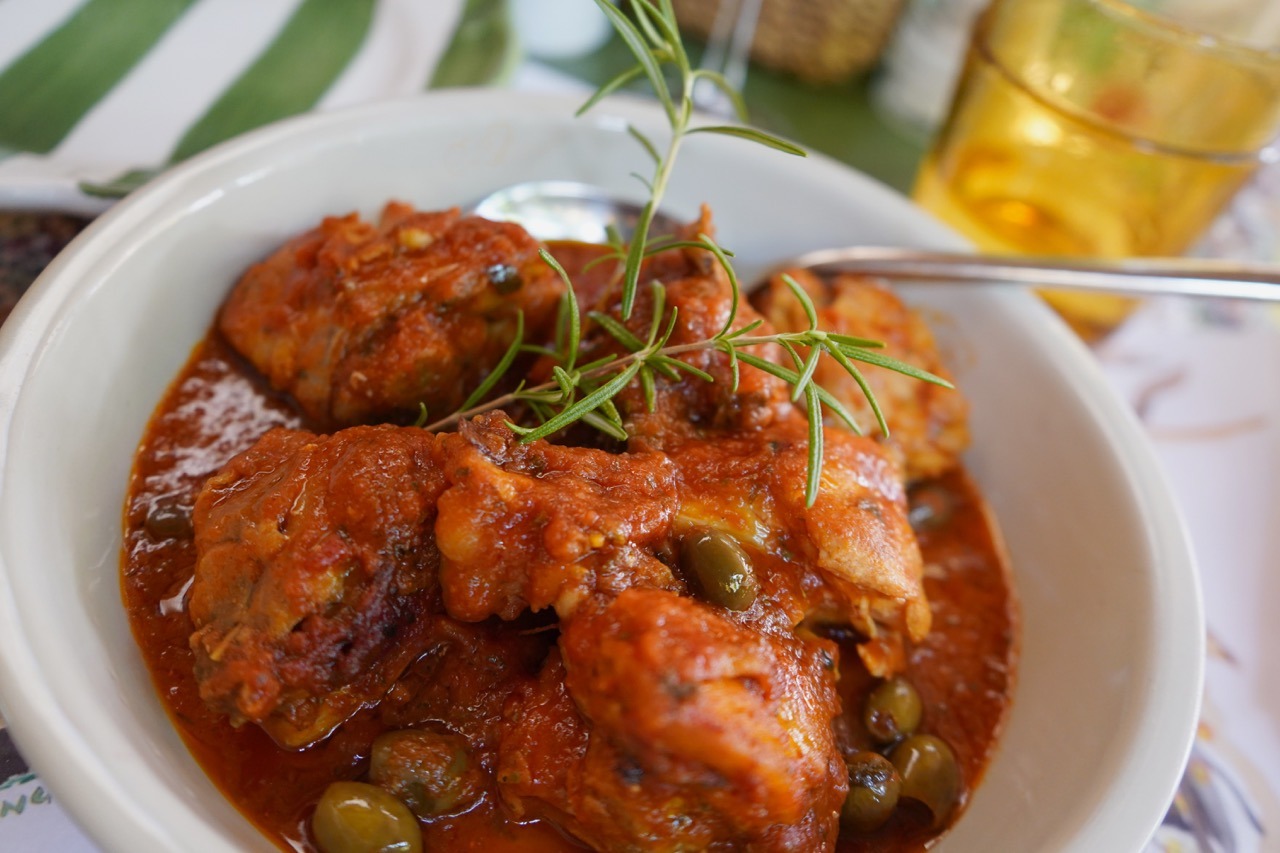
The final savory dish is pollo alla civitonica, one of Civita's traditional recipes. Chicken is slowly cooked with tomatoes, olives, and aromatic herbs. The result is straightforward but delicious: tender meat, a flavorful sauce, and a dish that perfectly represents the honest cooking found throughout the Tuscia.
The menu includes many regional classics, from farro soup and amatriciana to cacio e pepe-filled panciotti, wild boar ragù, and seasonal truffles. Daily specials complement the regular offerings, changing according to market availability and the ingredients arriving from local suppliers.
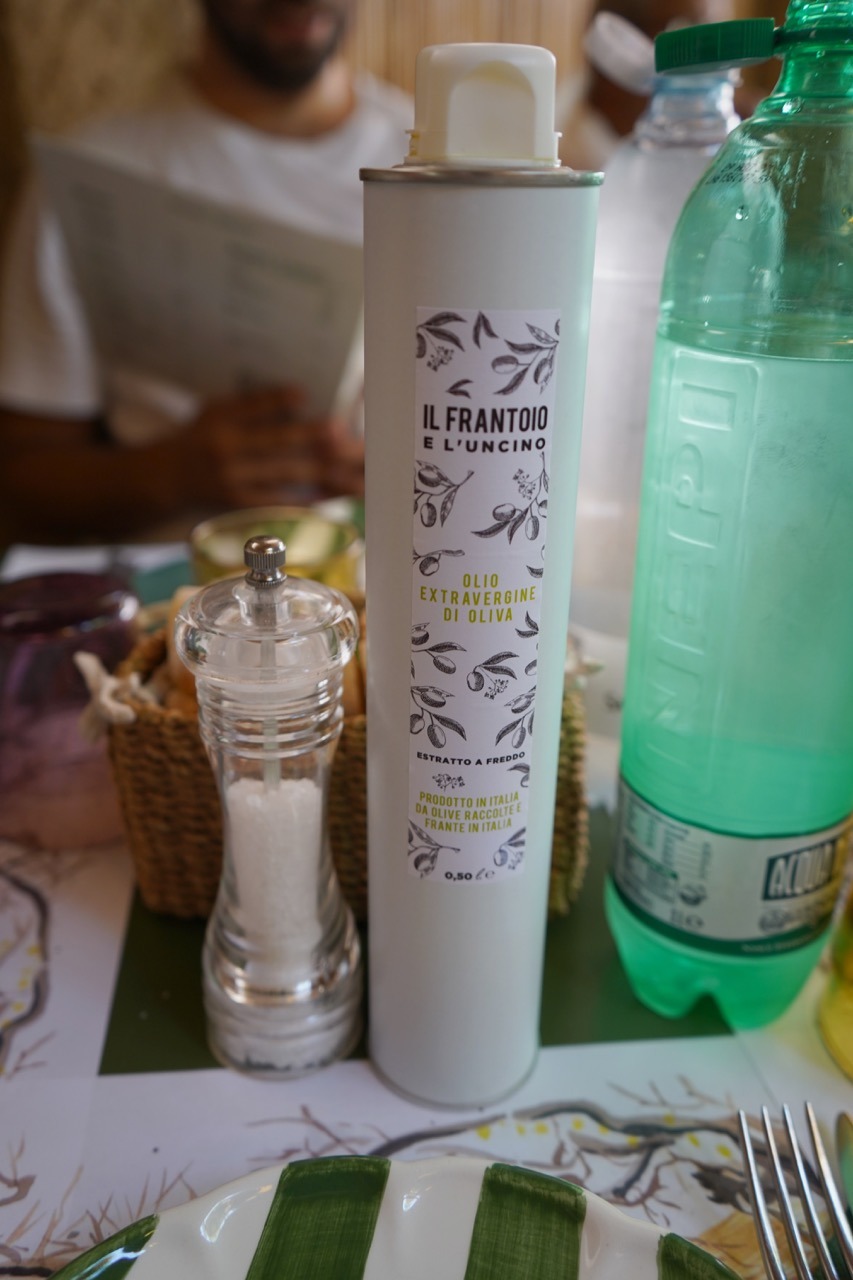
Olive oil plays a particularly important role. The family produces its own oil in two versions. One comes from an old local cultivar known as Rajo, while the other is a multi varietal blend created to ensure greater resilience in production. The oil is used throughout the kitchen and is also available for purchase. Tastings are organized regularly for visitors interested in learning more about one of the region's defining products.
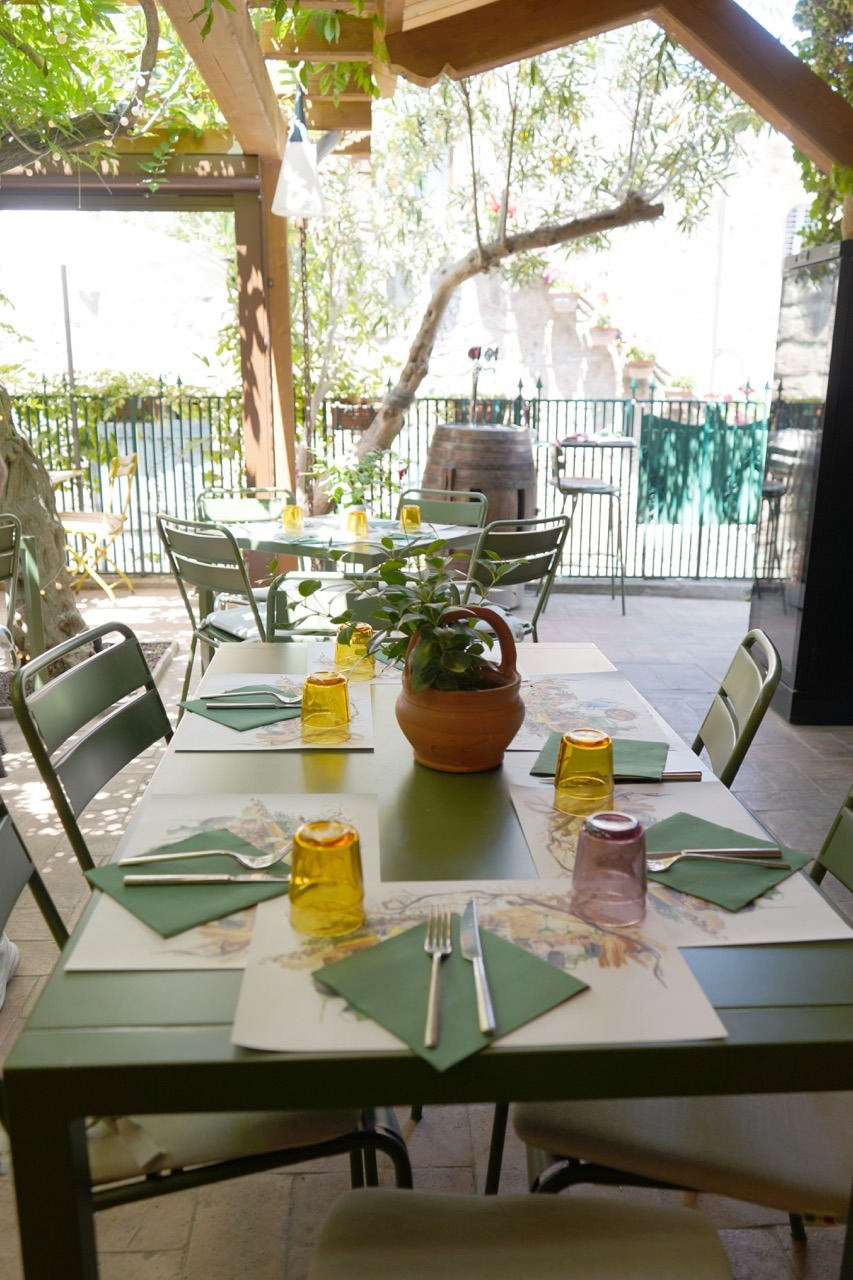
As the afternoon comes to an end, it becomes clear that Osteria al Forno di Agnese is not simply a restaurant. It is a reflection of Civita itself.
The town continues to change. Tourism continues to evolve. New generations take on new responsibilities.
Yet some things remain remarkably constant: a family table, a wood-fired oven's legacy, a bottle of olive oil, a glass of wine and the belief that hospitality begins by making strangers feel at home.
If a visit to Civita di Bagnoregio is already on your itinerary, make sure to leave enough time for lunch. The bridge may bring you into the village, but places like Osteria al Forno di Agnese are what allow you to understand it.
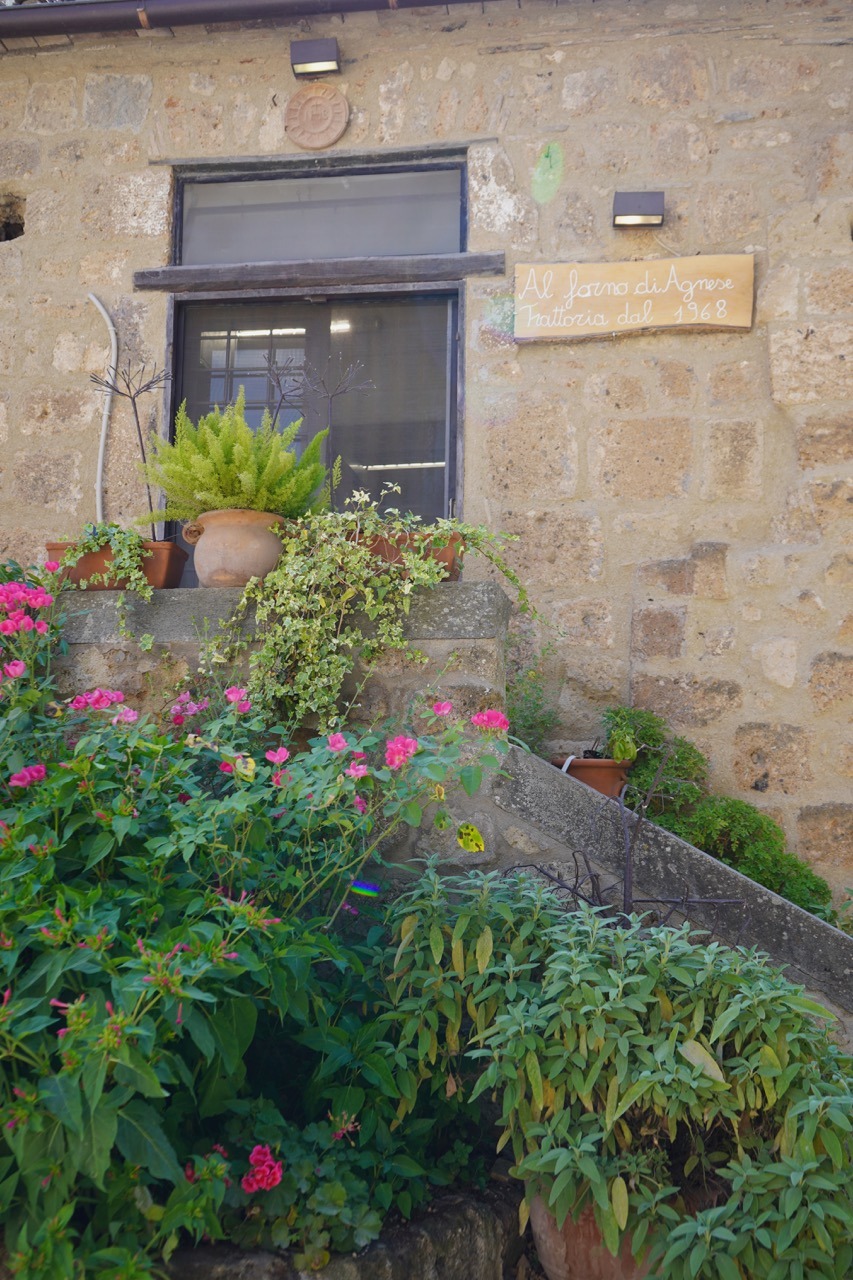
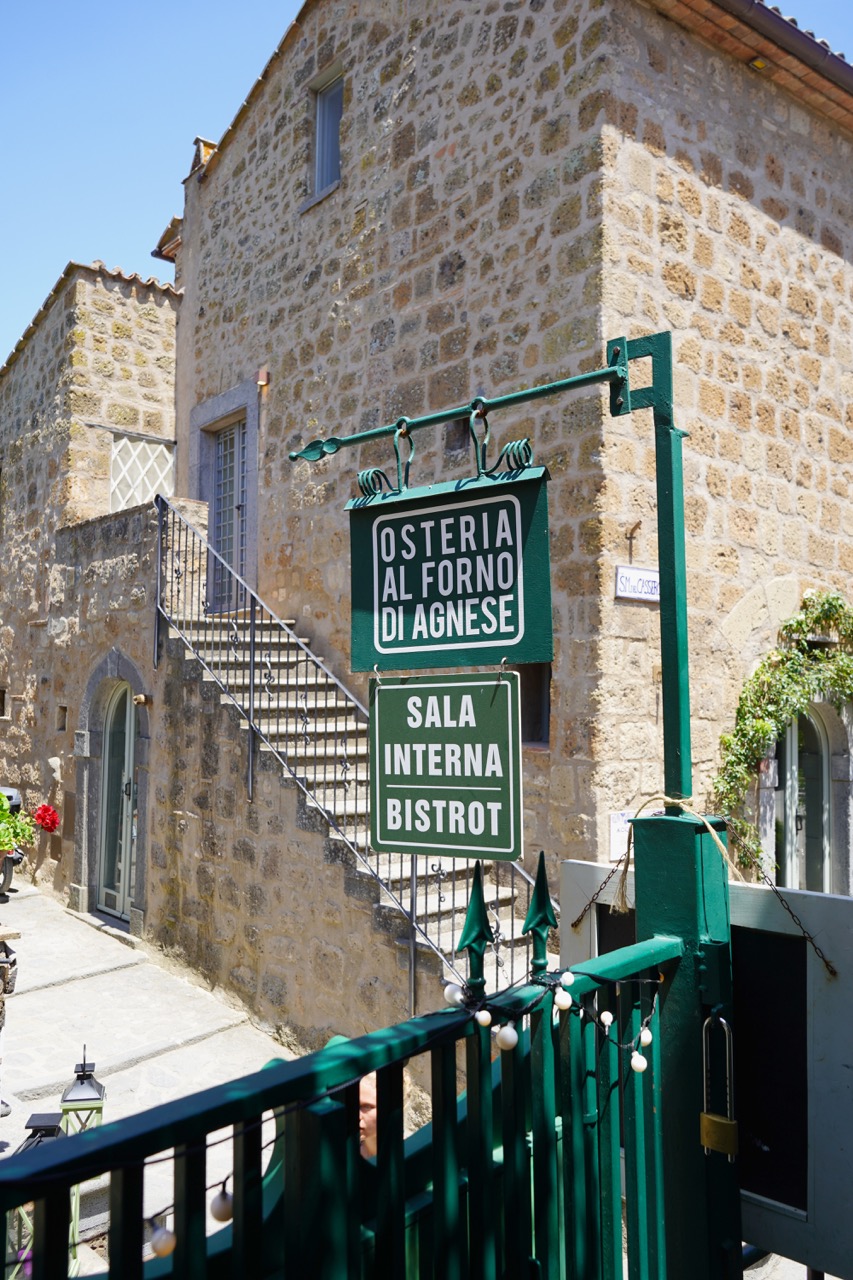
Osteria al Forno di Agnese



square.jpg)