Pallini: The Next Market
How Limonzero Shows Pallini’s Commitment to Non-Alcoholic Drinking
Last year, Pallini celebrated its 150th anniversary. Based in Rome, the company now exports its products to 80 countries and is known as one of the world’s leading names in limoncello.
Pallini Limoncello is one of the company’s core products, with top-level global performance in both volume and value. In 2025, the company’s revenue reached approximately €27.6 million, with limoncello accounting for 64% of sales.
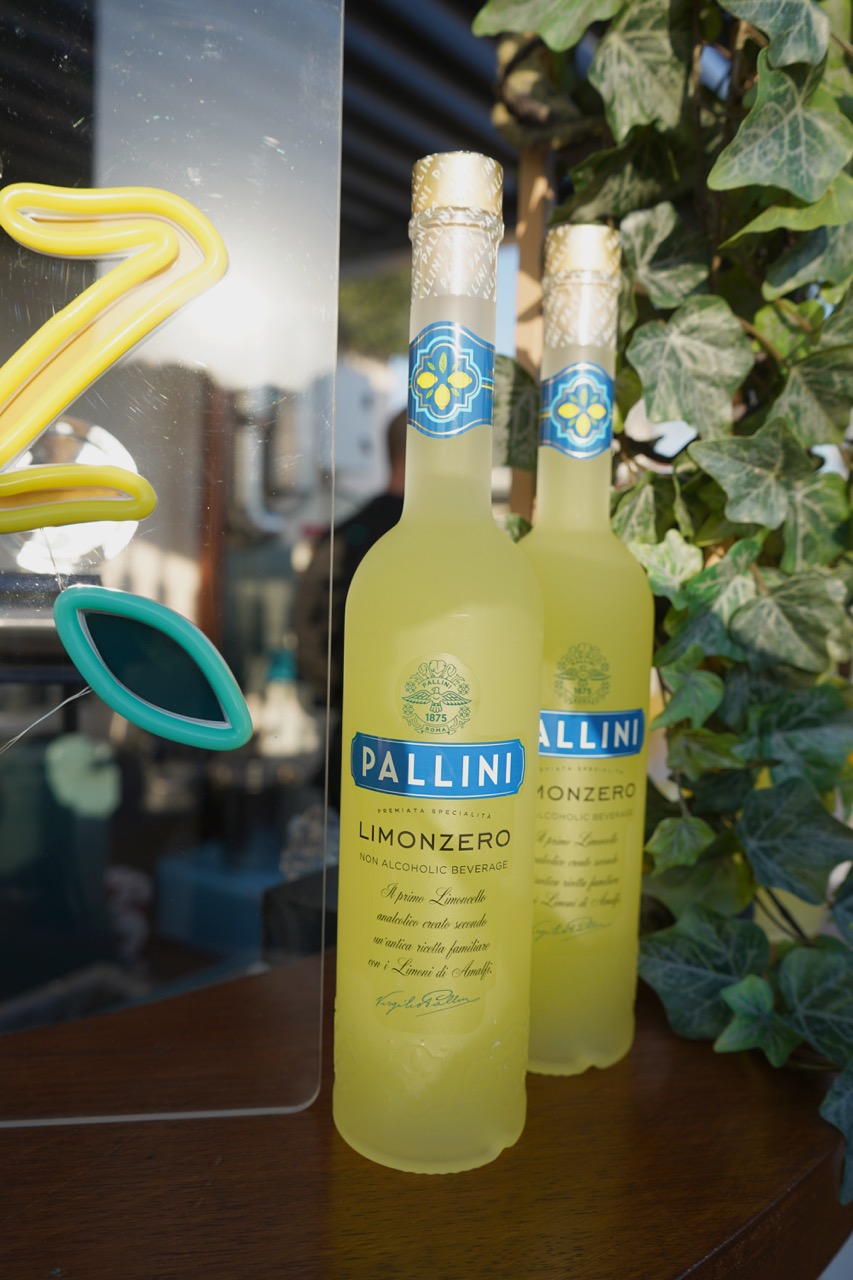
Yet the category showing the strongest growth within Pallini today is not traditional limoncello itself. It is Limonzero, the brand’s first non-alcoholic limoncello.
Between 2024 and 2025, Limonzero recorded year-on-year growth of 95%. This year, driven by strong demand from the U.S. market, it is continuing to grow by more than 50%.
For a distillery with 150 years of history, the fact that non-alcoholic drinks are seen as the next growth market is a symbolic development for today’s bar industry.
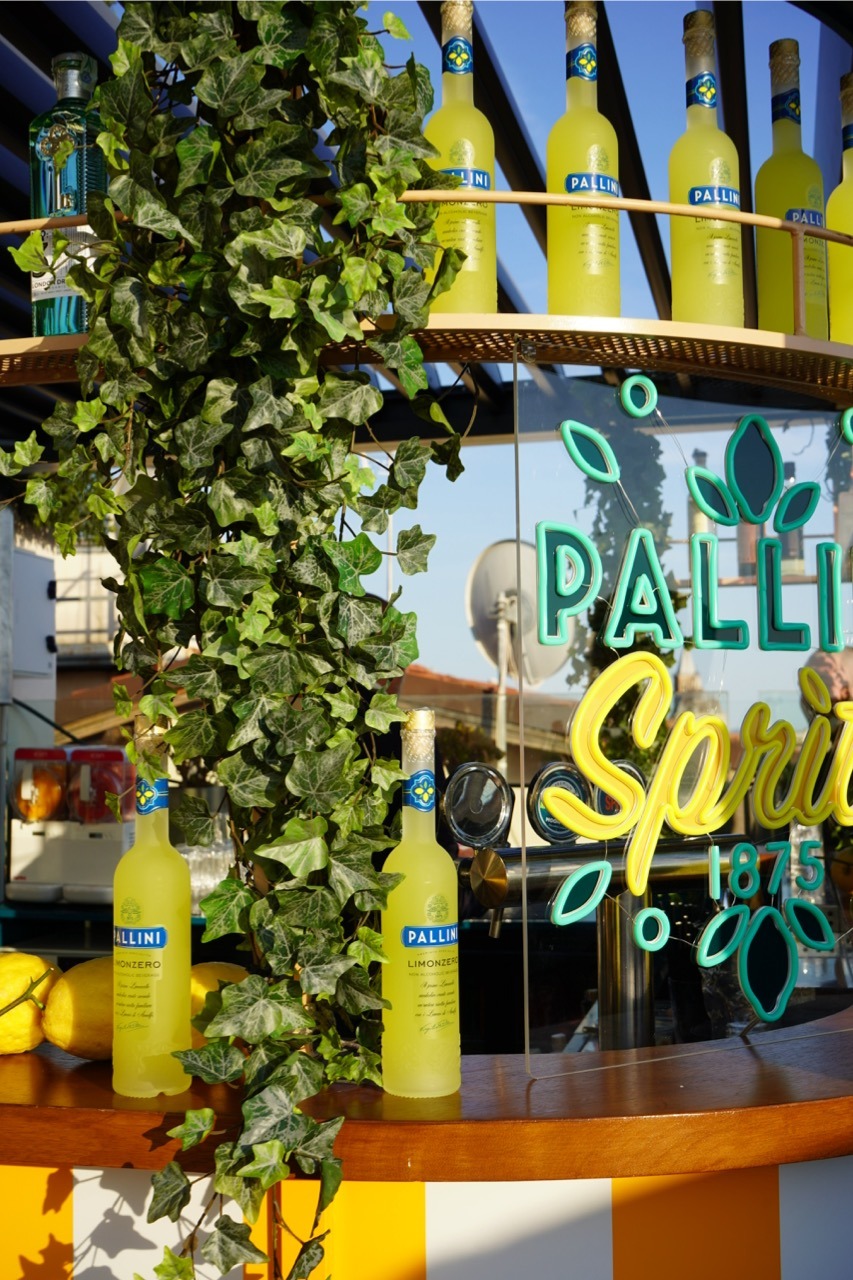
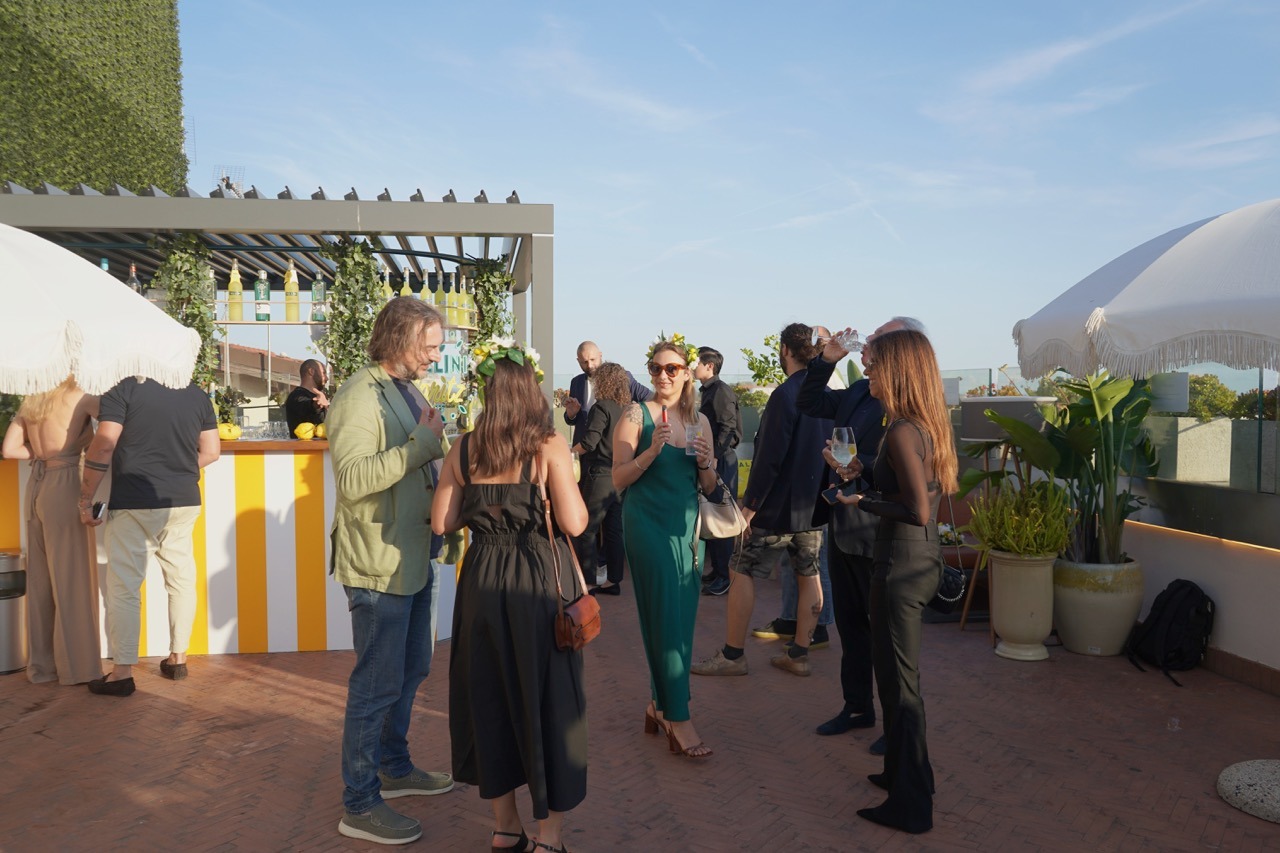
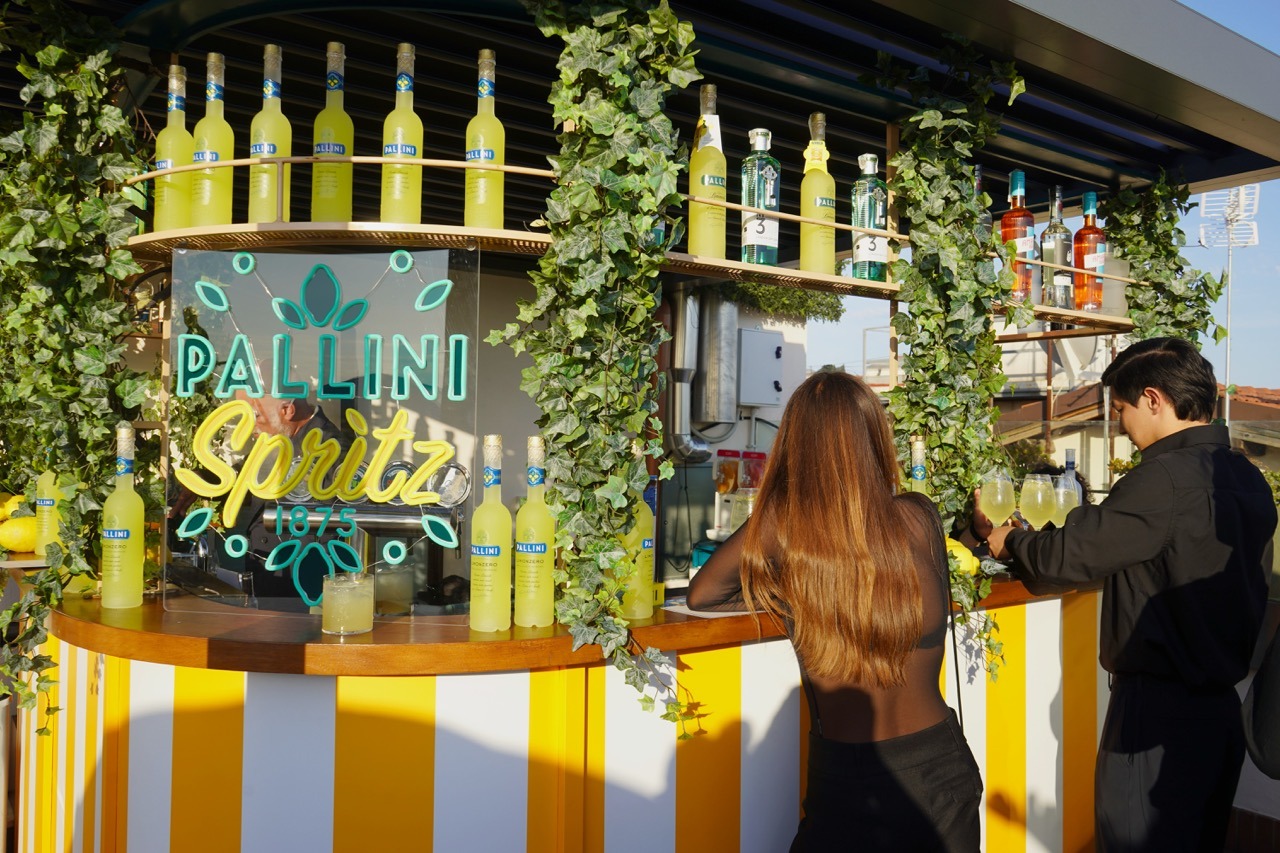
Pallini’s mixology event in Rome clearly reflected that direction.
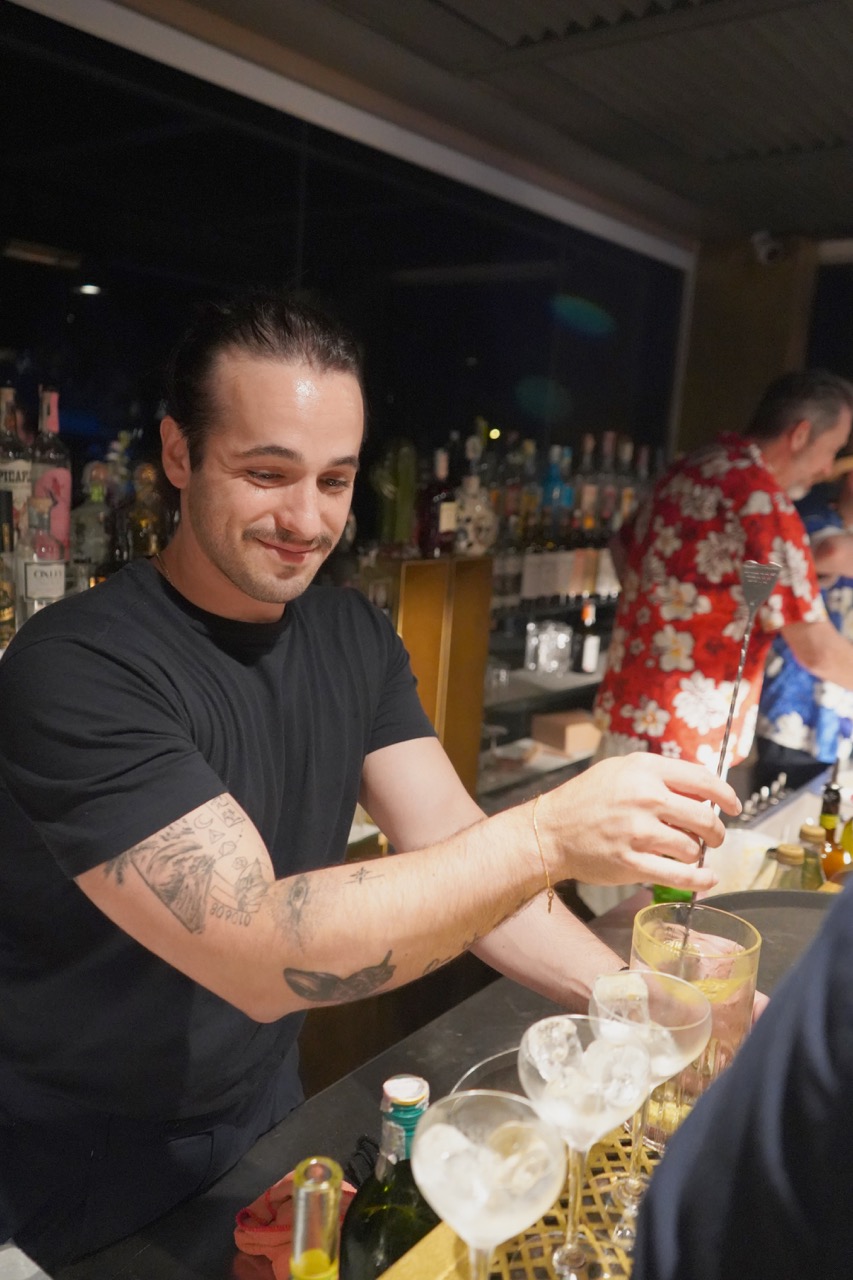
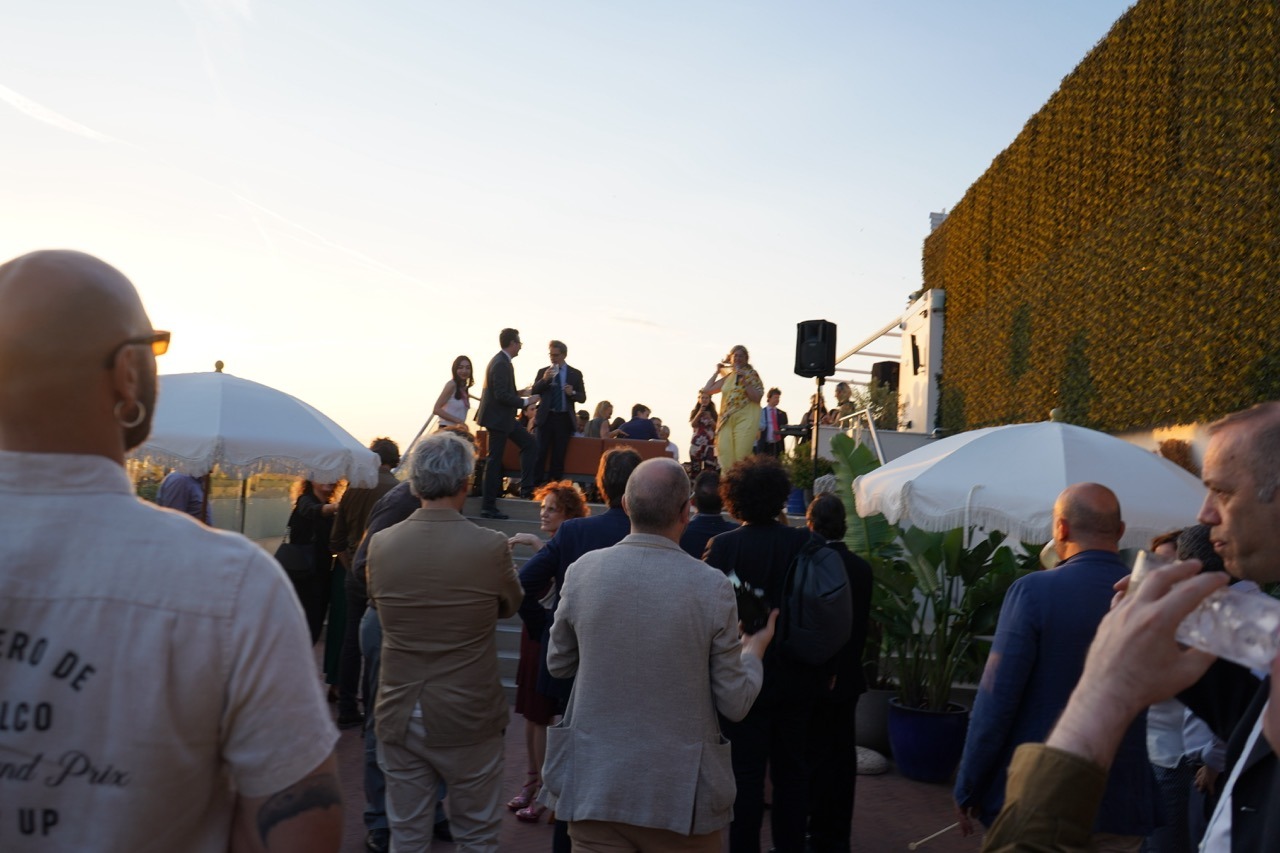
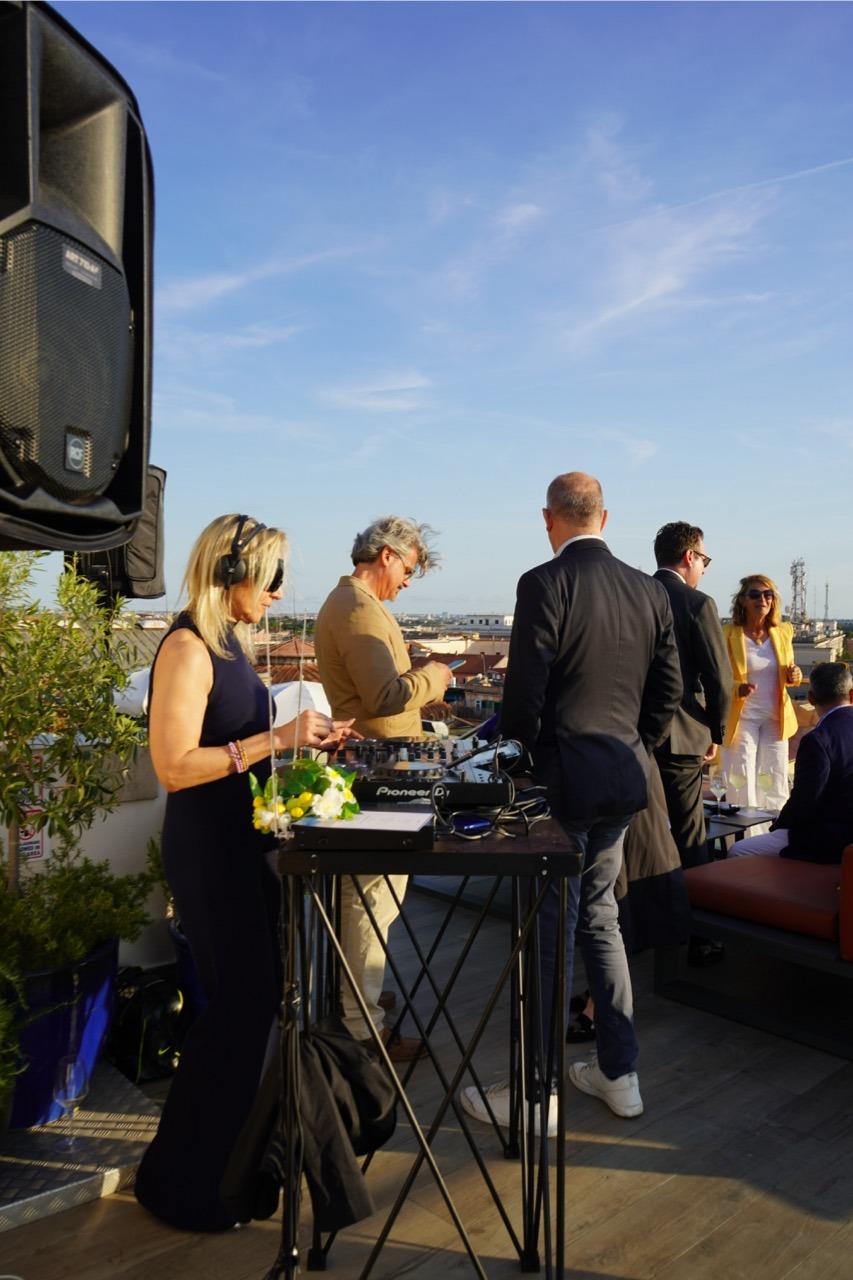
The venue was SEEN by Olivier, located on the rooftop of Anantara Palazzo Naiadi Rome Hotel. Overlooking the city of Rome, the terrace became the stage for new non-alcoholic cocktails made with Limonzero.
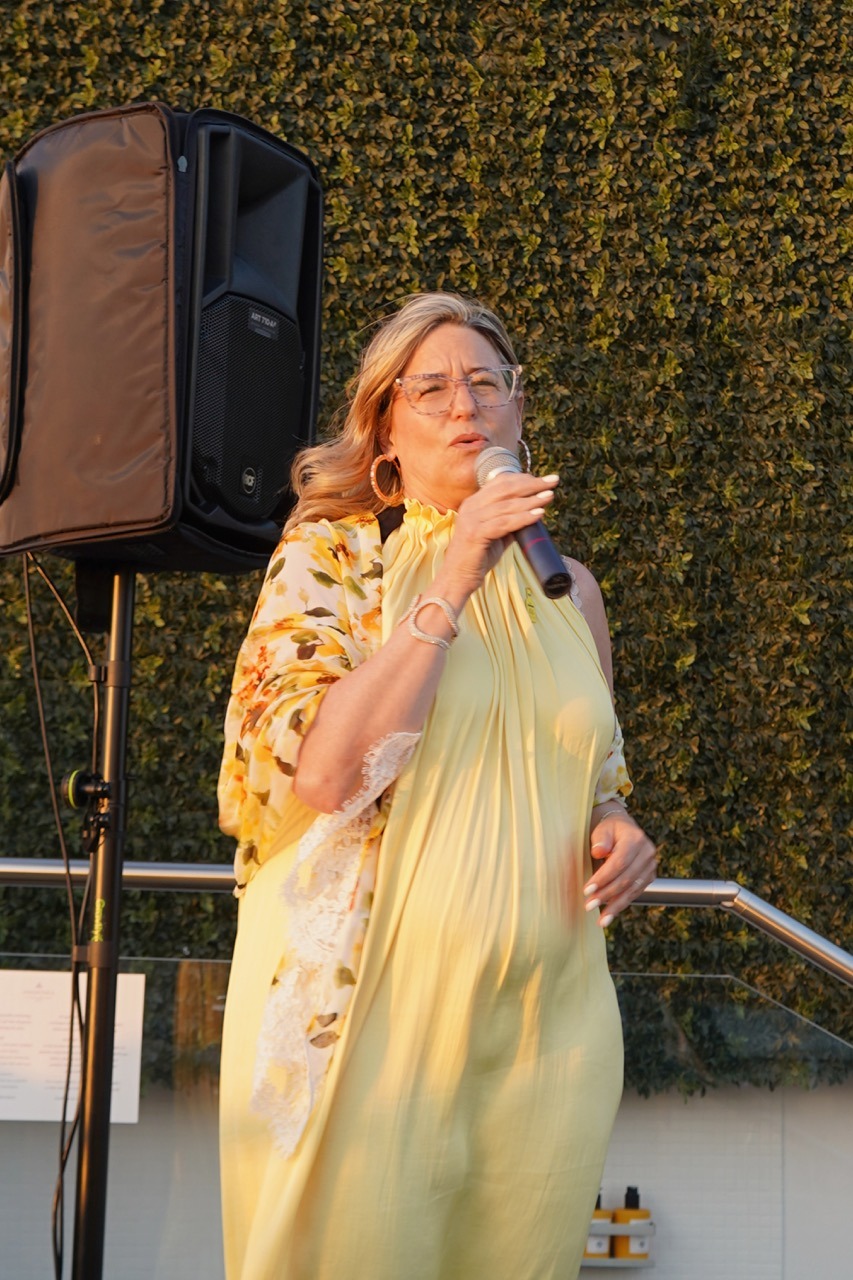
The event was led by Micaela Pallini, fifth generation of the founding family and the company’s President and CEO. Speaking about the growth of the non-alcoholic market, she said:
“Between 2024 and 2025, the non-alcoholic spirits market is expected to grow by 65%. This is partly due to major brands investing in non-alcoholic products.”
For Pallini, Limonzero is not simply a response to a trend. It is a product designed to extend the company’s existing strength in lemon liqueurs into a market that does not depend on alcohol.
In that sense, Limonzero is not a “substitute” for people who do not drink. Rather, it is a reinterpretation of Pallini’s Amalfi lemons, limoncello tradition, and aperitivo culture for today’s consumers.
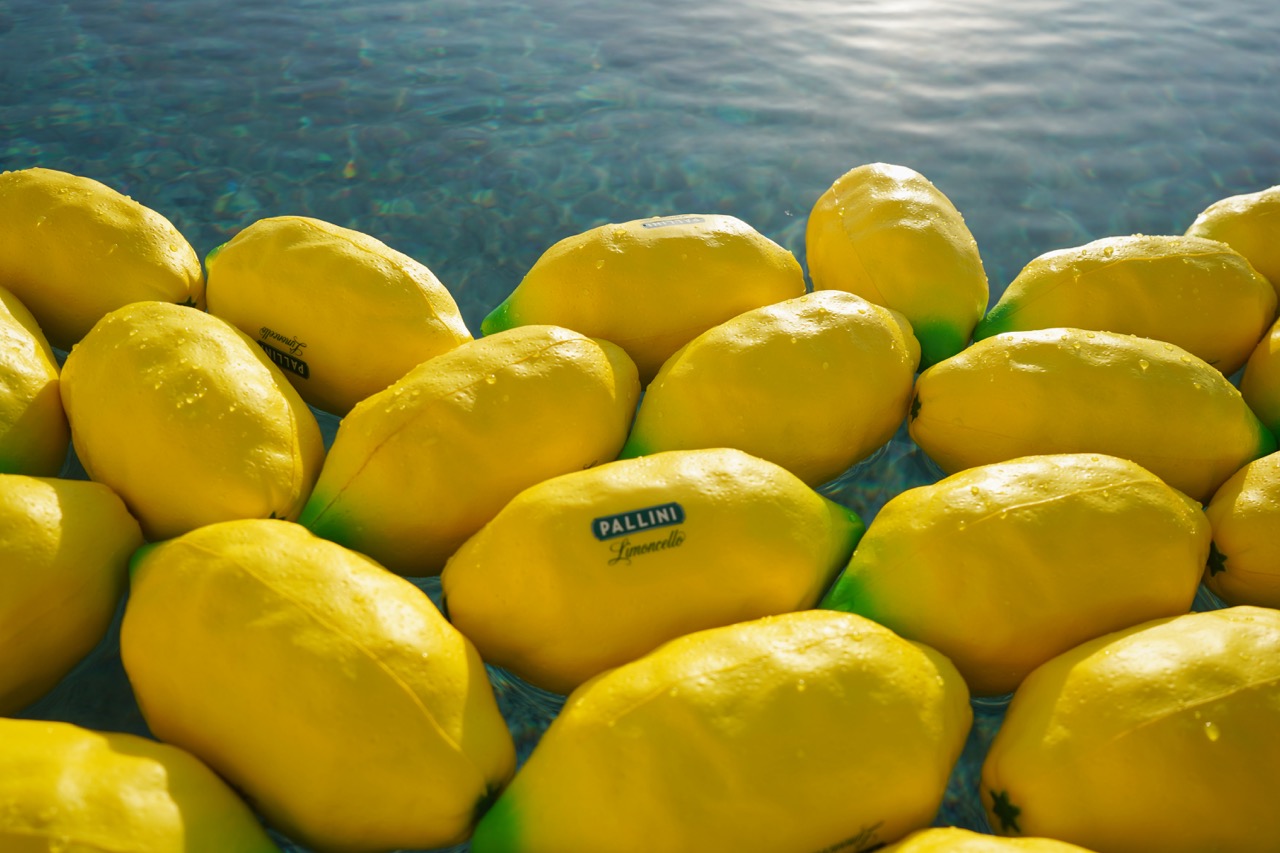
Limonzero is made with Sfusato IGP lemons from the Amalfi Coast. Without added aromas or artificial flavours, it highlights the natural fragrance of lemon, while natural ginger adds a subtle accent.
The aroma is bright and the palate is light. Those expecting the richness of limoncello may instead be surprised by its balance. Sweetness, acidity and ginger spice create space for it to work as a cocktail base, even without alcohol.
What mattered most at this event was that Pallini did not present Limonzero only as a finished drink. What Pallini presented was not just a product, but a way to use it behind the bar.
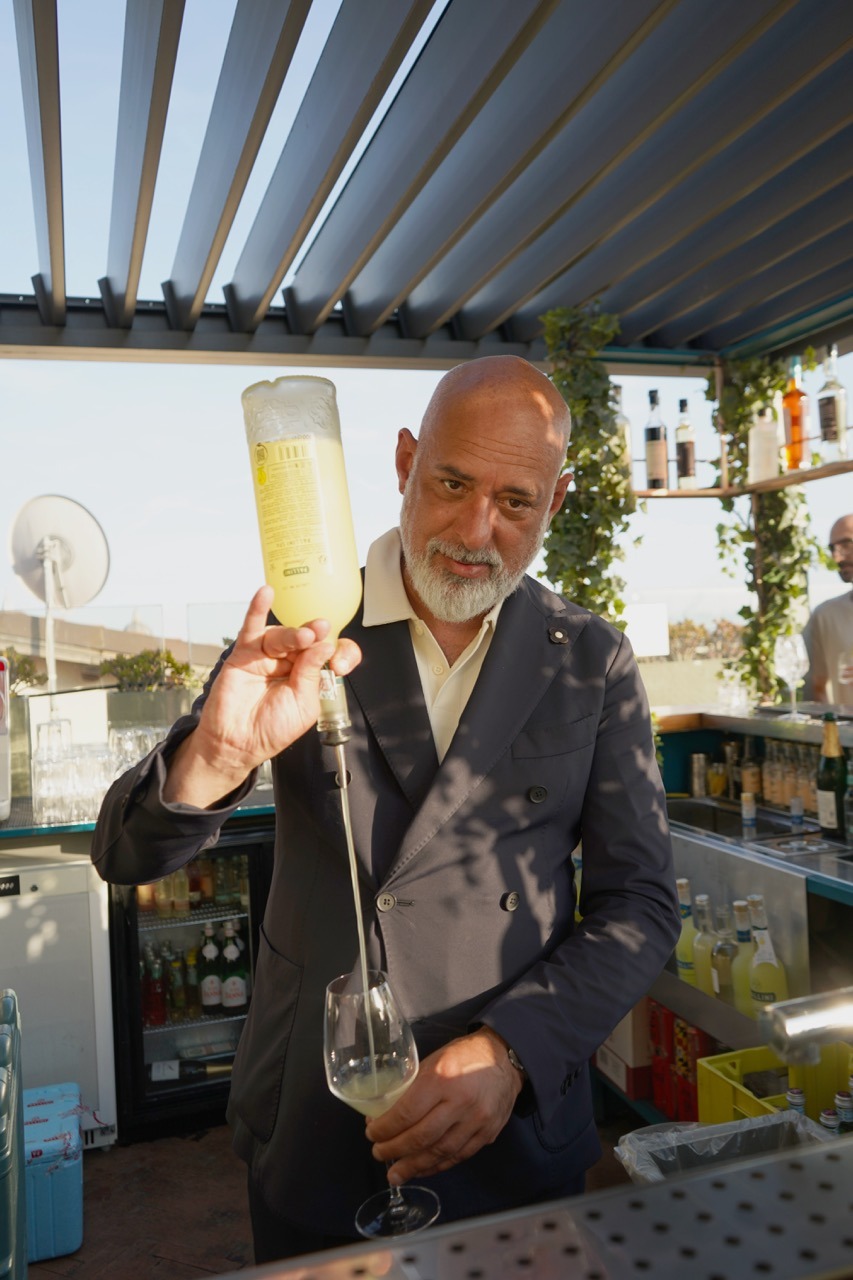
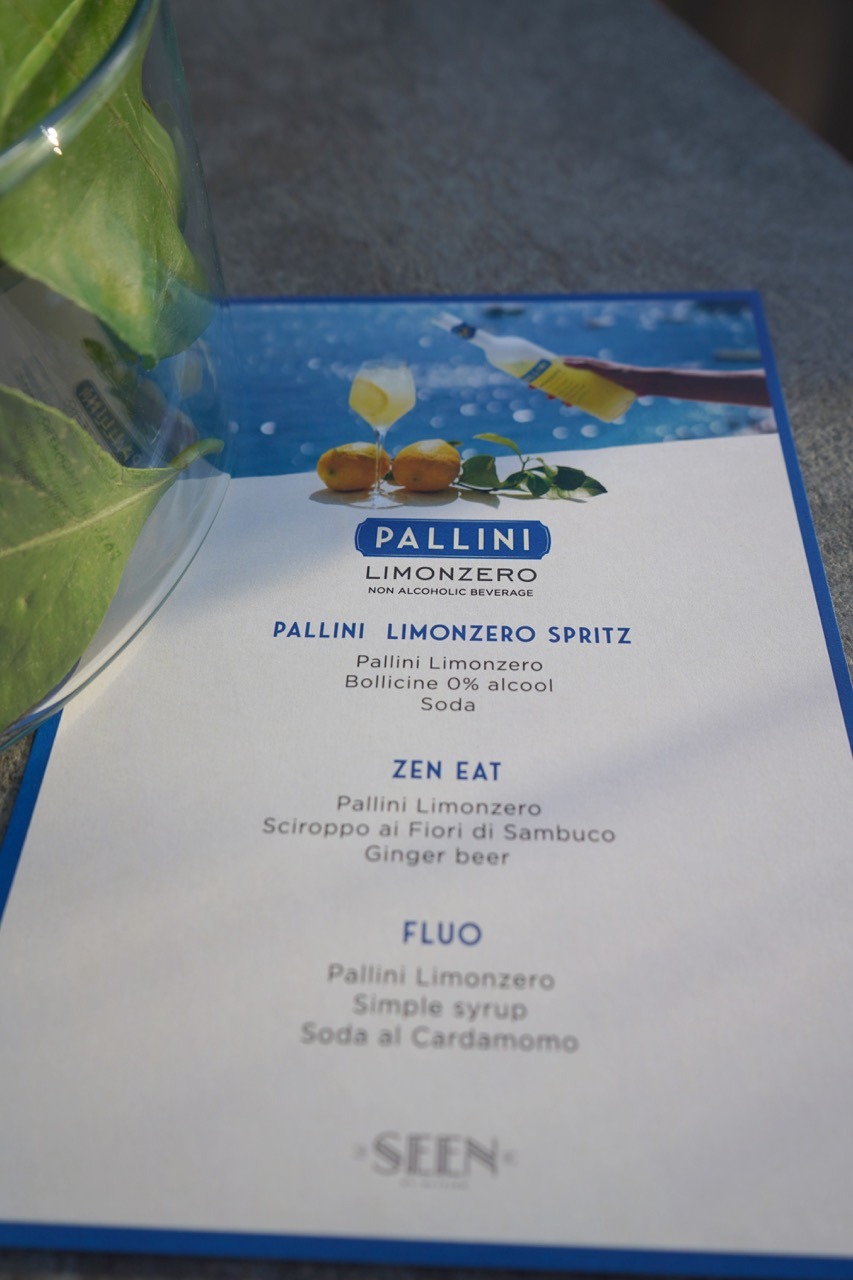
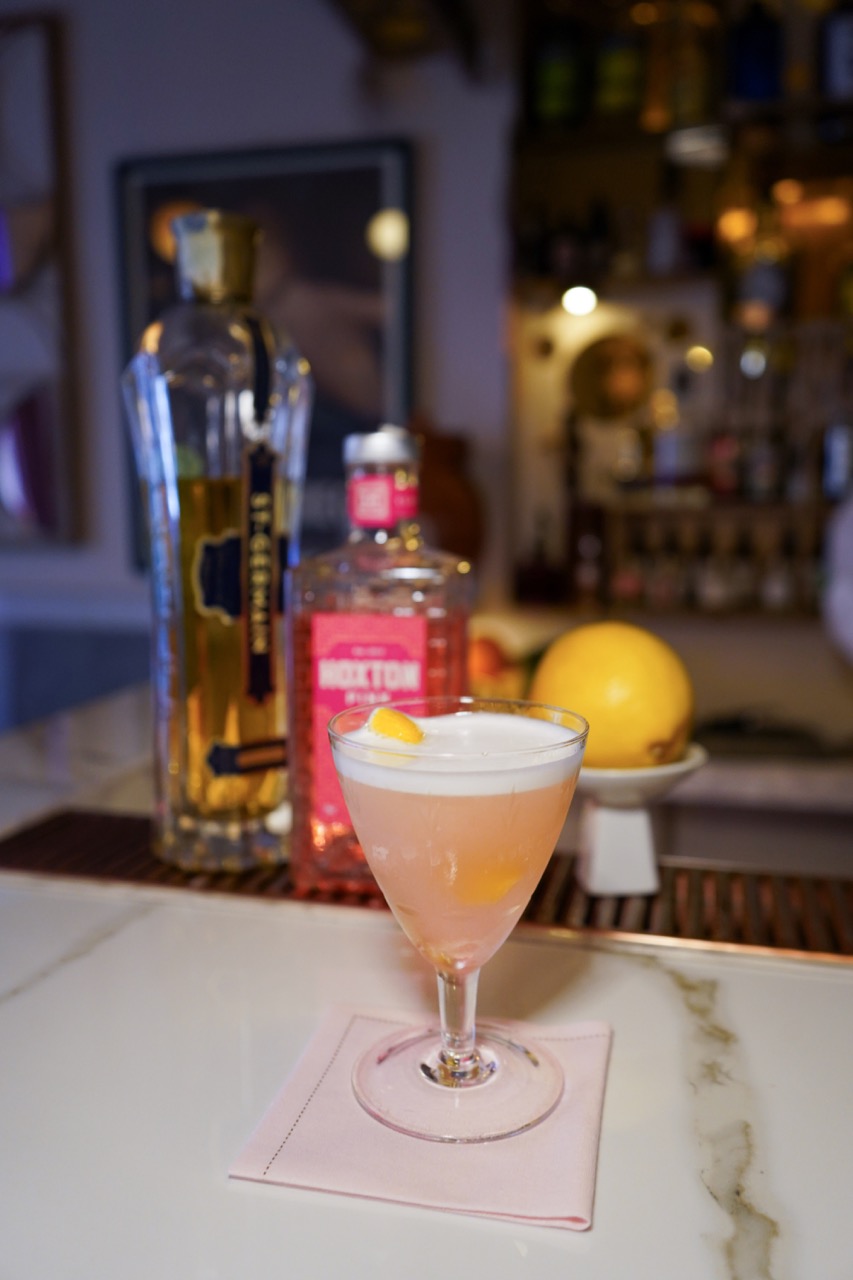
Michele Salerno, bartender at Zen Eat in Messina, proposed several cocktails built around Limonzero.
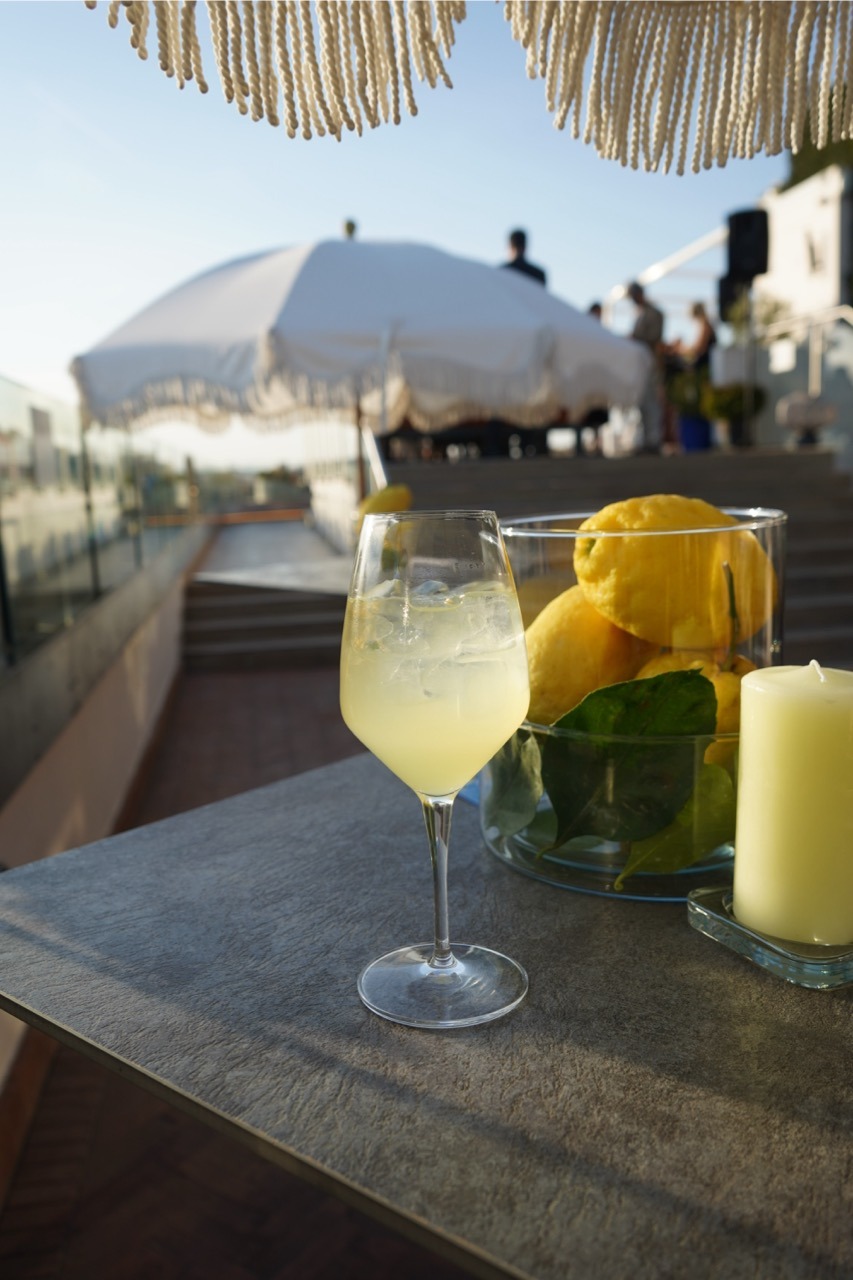
One was the Limonzero Spritz, a non-alcoholic spritz made with Limonzero, 0.0% sparkling wine and soda, garnished with lemon. It preserves the language of the spritz, essential to Italian aperitivo culture, while creating a lighter drink without alcohol.
Zen Eat combines Limonzero with elderflower syrup and ginger beer. The ginger beer draws out the ginger note already present in Limonzero. Lemon brightness, floral aroma and ginger spice come together in a drink suited not only to aperitivo, but also to daytime terraces and beachside menus.
Fluo combines Limonzero with simple syrup and cardamom-flavoured soda. Here, the freshness of lemon meets the cooling spice of cardamom, creating aromatic layers and avoiding the flatness often associated with non-alcoholic cocktails.
Limonzero Tonic was also introduced, combining Limonzero with tonic water. It is the simplest serve, but highly practical for bars. It is easy to make, easy to offer as an aperitif, and easy to explain to guests. Drinks like this are essential when integrating non-alcoholic options into a bar menu.
As the non-alcoholic category expands, bars still face challenges: drinks can be too sweet, too simple, difficult to pair with food, or structurally weaker than alcoholic cocktails.
Limonzero responds to those challenges with lemon acidity, ginger spice and the story of Amalfi. In other words, it works as an ingredient for building cocktails.
Pallini’s approach to Limonzero carries the credibility of a historic brand. But that credibility does not come simply from having a long history. Pallini has repeatedly found new markets and expanded its brand with each era.
Founded in 1875, the small distillery began in Antrodoco, central Italy. In 1922, it moved its base to Rome, where Mistrà became one of the capital’s representative liqueurs. The company later began exporting to the United States and strengthened its international presence through Sambuca Romana and Pallini Limoncello.
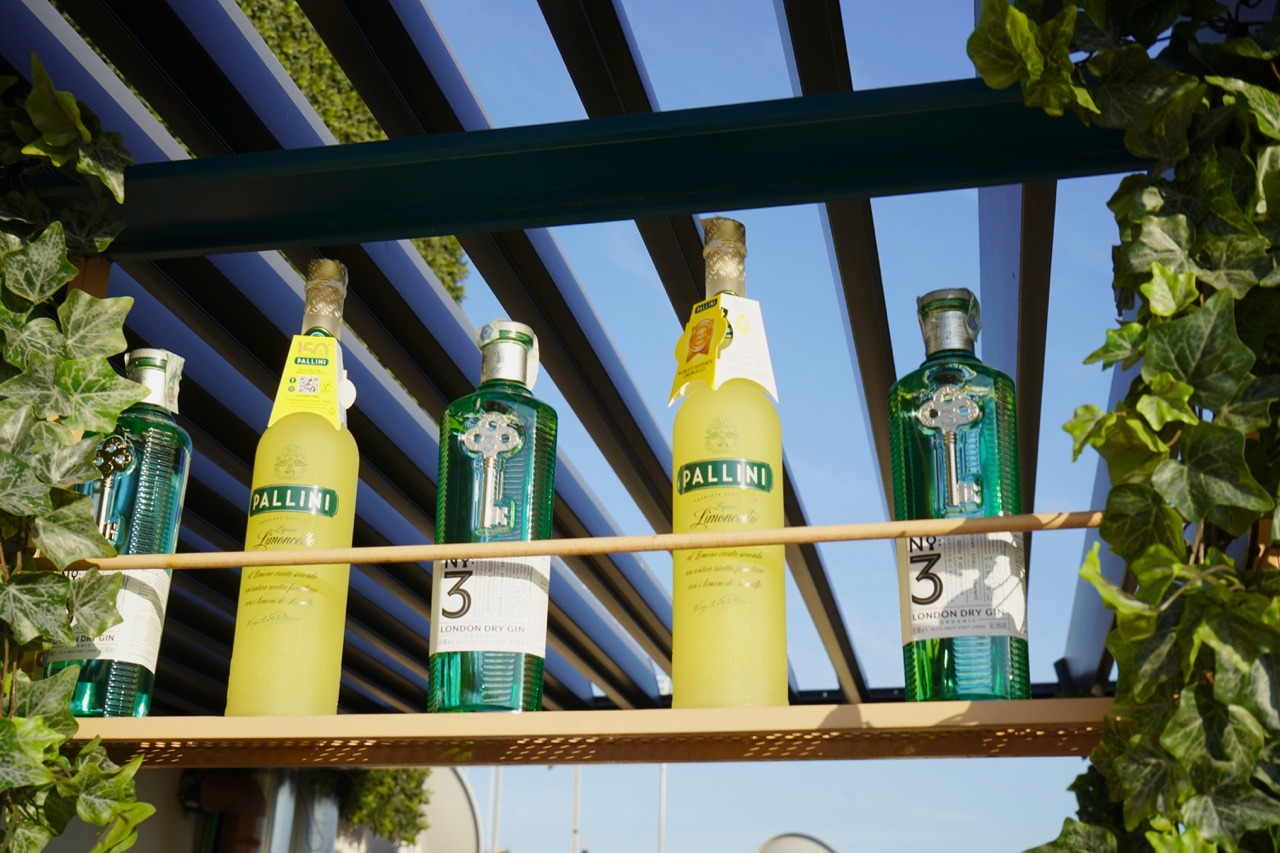
Pallini Limoncello, in particular, became the core product that helped turn the company into a global brand. Today, it is known as the world’s best-selling limoncello and remains one of Pallini’s main pillars.
The phrase “150-year-old company” often suggests a brand that continues to protect tradition. But looking at Pallini’s path, its history is also one of embracing change. Moving to Rome, entering the U.S. market, and expanding limoncello globally: at each stage, the company read the market, found new growth opportunities, and developed the brand.
What Pallini is trying to grow next is not just one non-alcoholic product.
It may be a vision of the bar’s future, where people can enjoy a drink together beyond the presence or absence of alcohol.
Recipes by Michele Salerno
Zen Eat
Ingredients:
4cl Pallini Limonzero
2cl Elderflower syrup
Top with ginger beer
Method: Pour 4cl Pallini Limonzero and 2cl elderflower syrup into a highball glass. Stir and top with a small amount of ginger beer.
Limonzero Spritzball
Ingredients:
50ml Pallini Limonzero
90ml Bollicine 0.0%
30ml soda
Method: Pour 50ml Pallini Limonzero, 90ml Bollicine 0.0% and 30ml soda into a glass filled with ice. Stir and garnish with a lemon wedge.
Fluo
Ingredients:
4cl Pallini Limonzero
1cl simple syrup
Cardamom-flavoured soda
Method: Pour 4cl Pallini Limonzero and 1cl simple syrup into a highball glass. Stir and top with cardamom-flavoured soda.
History of Pallini
1875
Nicola Pallini founded Pallini in Antrodoco, central Italy.
1922
His son Virgilio Pallini moved the distillery to Rome and developed Mistrà into one of the city’s representative liqueurs.
1962
The third generation moved production to the current facility and began exporting to the United States.
1985
Virgilio Pallini Jr. took over the business and developed Sambuca Romana into a leading brand in the U.S. market. The television commercial “Pallini è un gran Mistrà” also became widely known.
2001
Micaela Pallini, the fifth generation, joined the company and built the structure that would grow Pallini Limoncello into a global brand.
2024
The company exported to 70 countries. Pallini Limoncello became the world’s No.1 limoncello in both volume and value.
2025
Pallini celebrated its 150th anniversary.
Pallini





square.jpg)