Safeguarding Three Thousand Years of History
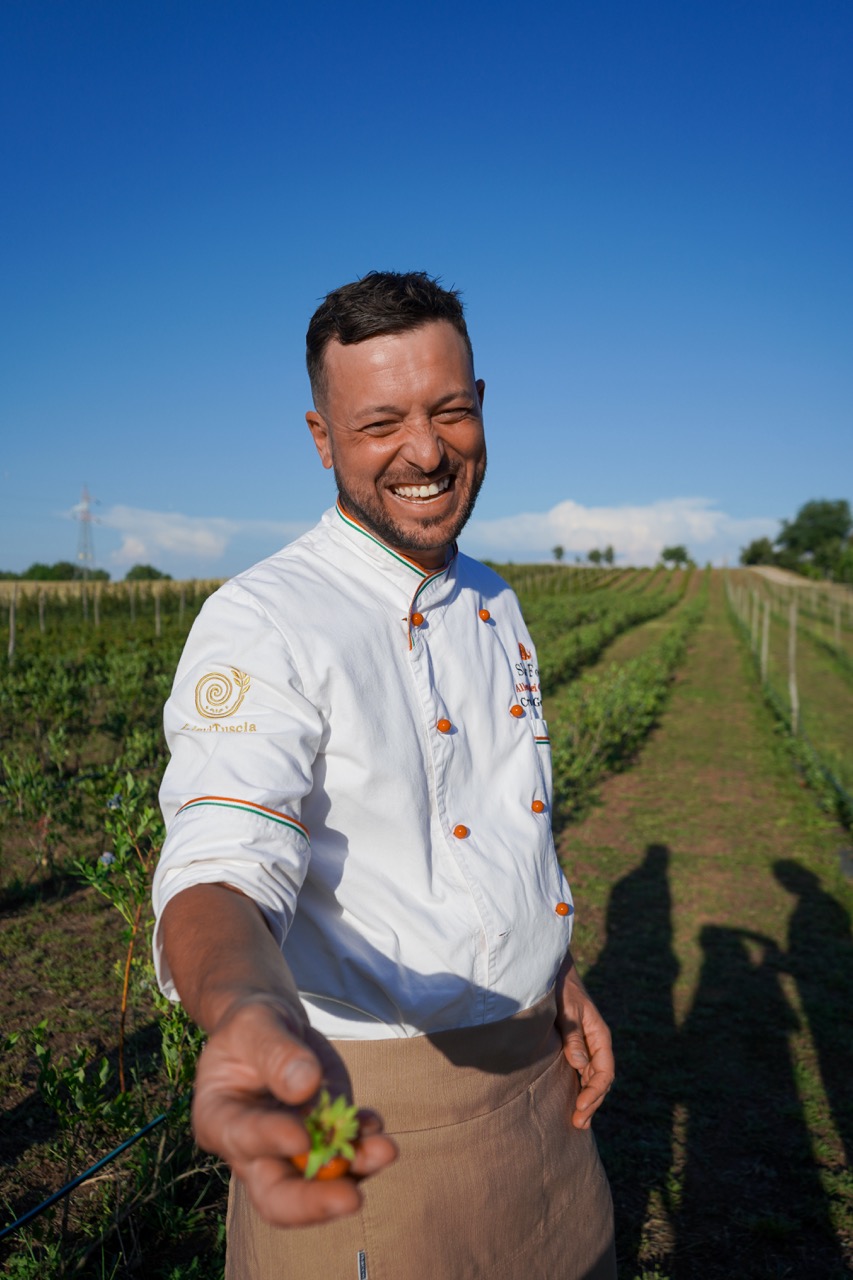
"Over the next ten years, we have the responsibility to safeguard three thousand years of history."
When Cristiano Germani says these words, he is not talking about archaeology. He is not referring to museums or monuments. He is talking about something infinitely more fragile.
Italy's heritage is made up of castles, churches, Renaissance palaces, and priceless works of art. Then came modernity. We digitized everything, accelerated everything, globalized everything. Today we can cross the planet in a matter of hours, buy the same products almost anywhere, and enjoy the same flavors in virtually every city in the world.
Yet while Italy's tangible heritage continues to be restored and protected, its intangible heritage is at real risk of disappearing.
A recipe passed down by word of mouth. The way a grandmother kneads bread. The choice of one olive cultivar over another. The knowledge of how to raise livestock, harvest honey, or interpret the changing seasons. Skills that rarely find their way into books, yet survive through the hands of those who practice them and the memories of their families.
This is the heritage we are truly in danger of losing.
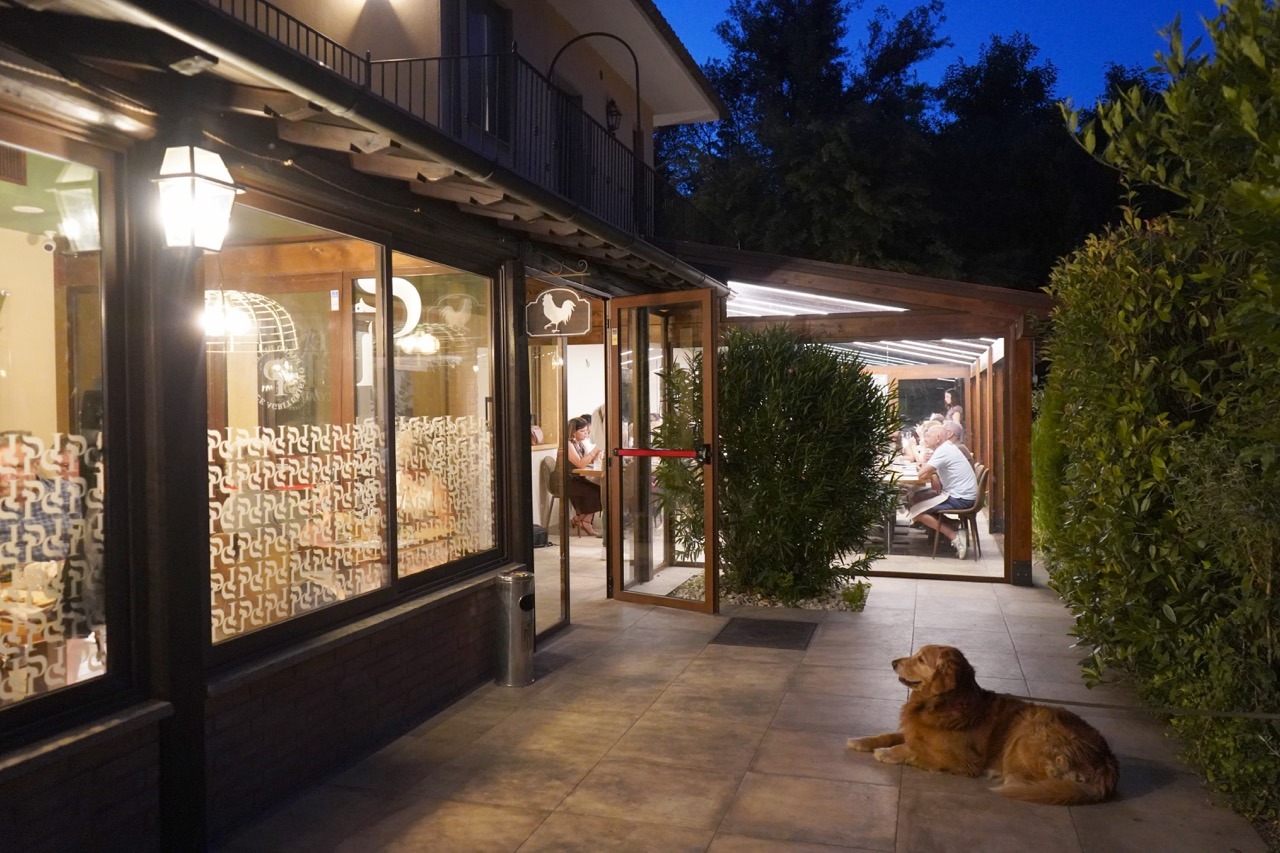
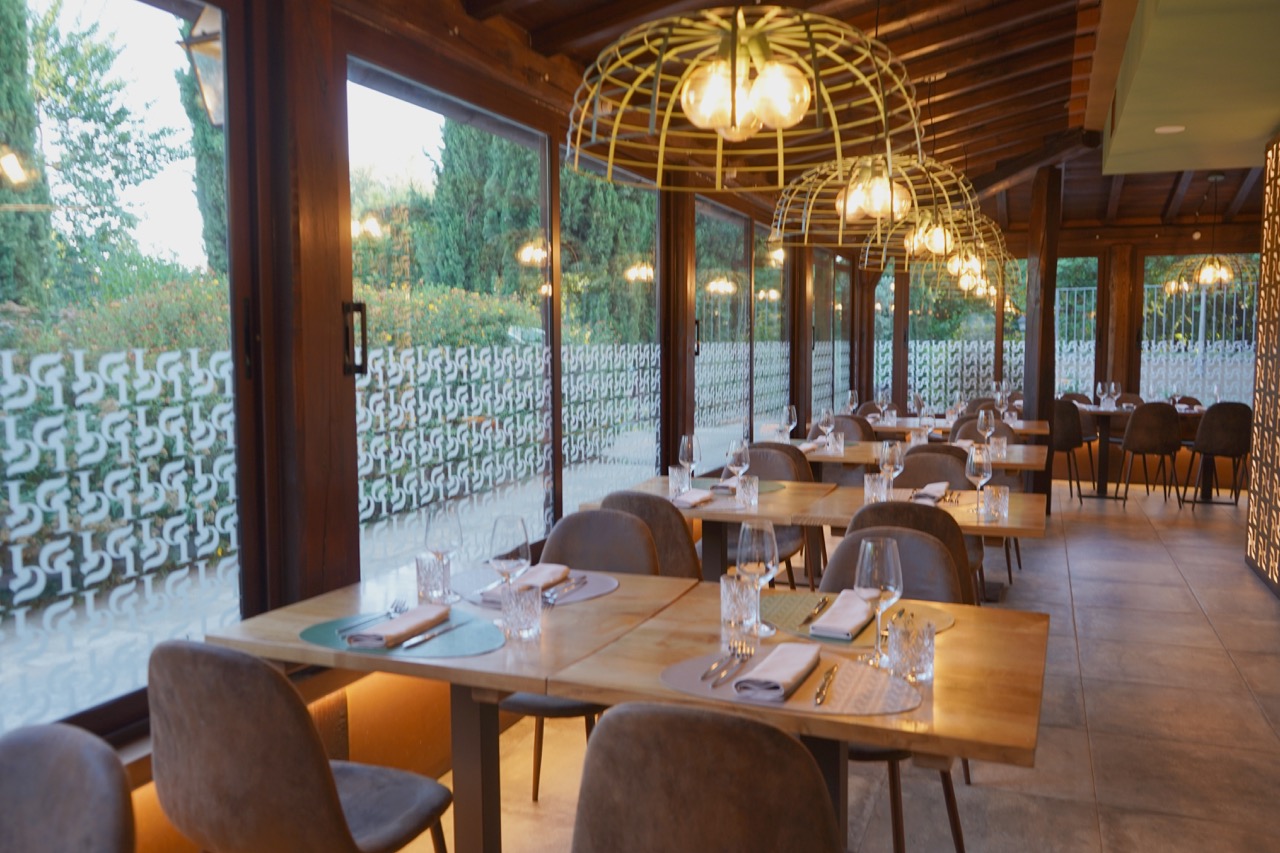
Perhaps that is why, upon arriving at Parco delle Querce, nestled among the hills overlooking Lake Bolsena, it immediately becomes clear that calling it simply an agriturismo would be an understatement.
It is, rather, a place where memory is constantly set back in motion. Where tradition is not preserved behind glass, but put to work every single day. Where the past is not a source of nostalgia, but raw material for the future.
For Cristiano Germani and Simona Foderini, safeguarding three thousand years of history means making a deliberate choice: transforming the past into something alive. Not replicating it, but allowing it to evolve.
Tuscia is an ancient land, shaped by volcanoes, crossed by the Etruscans, molded by the Romans, and dotted with medieval villages, centuries-old forests, volcanic lakes, and countryside that still preserves a rare balance between people and nature.
Yet despite its extraordinary historical and natural heritage, Tuscia remains one of Italy's least celebrated regions.
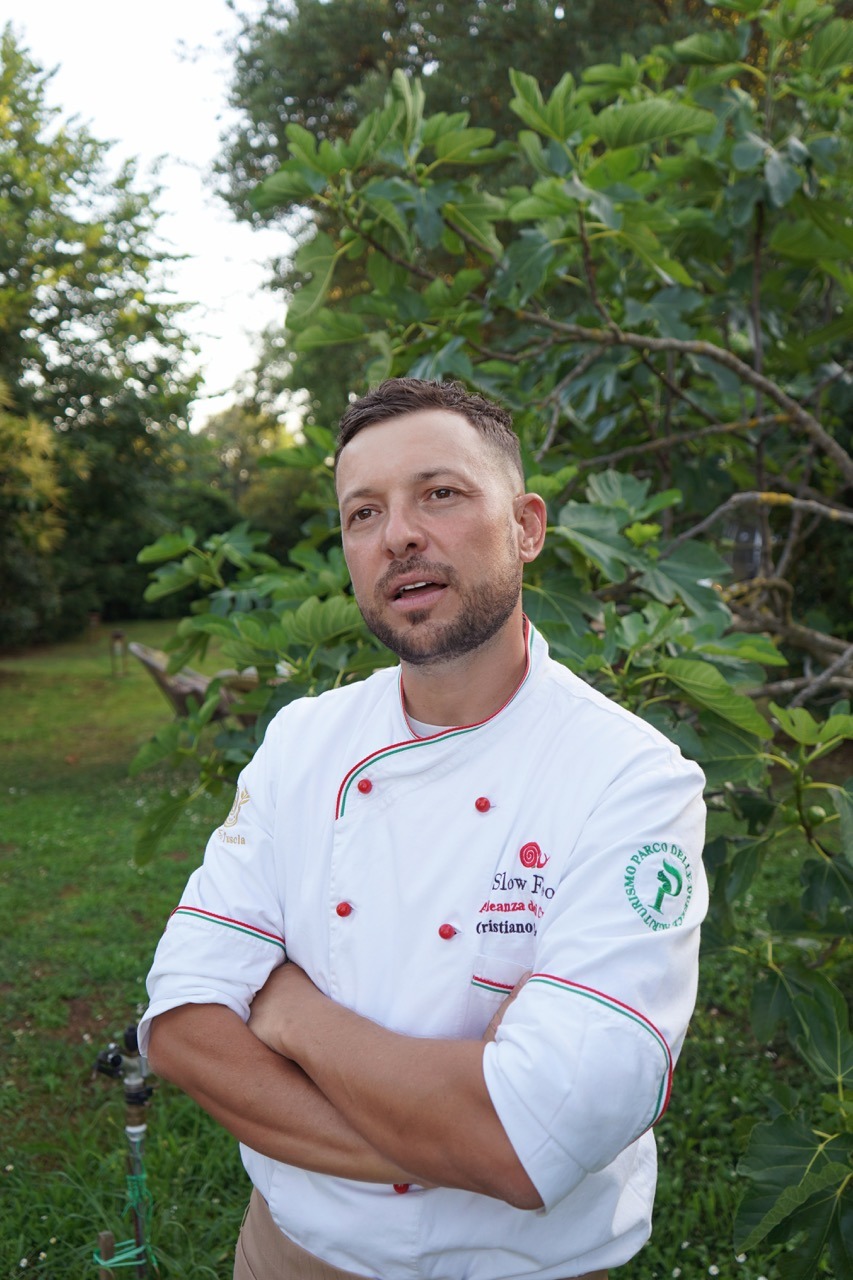
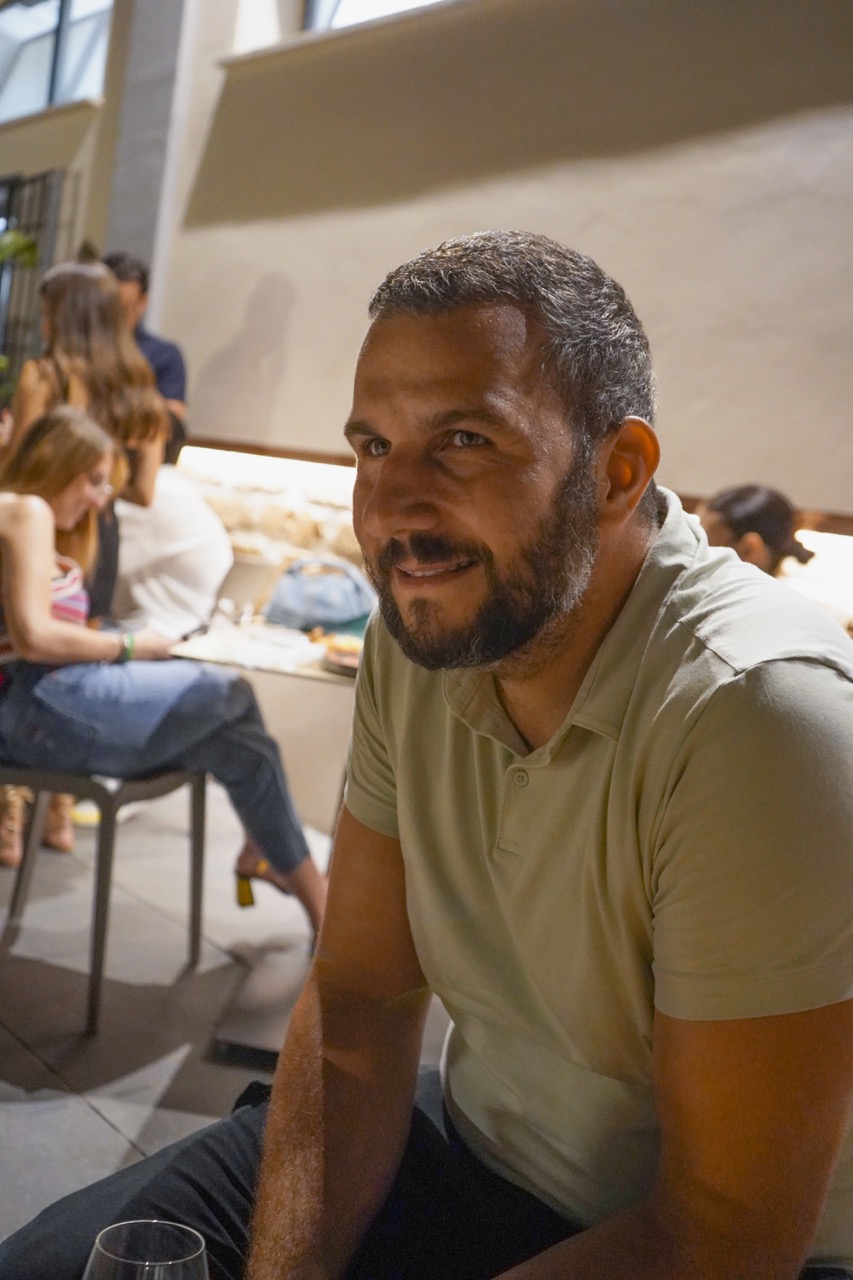
"This is an extraordinary place, but one that is still largely overlooked," Cristiano explains as he guides visitors through vegetable gardens, olive groves, and orchards. "It's one of the few volcanic regions in Italy that has never experienced a true tourism boom."
He says it not with regret, but almost with a sense of responsibility.
Because the real challenge is not attracting more visitors.
It is telling the story of the land without changing its soul.
In recent years, rural tourism has become one of the most sought-after experiences among international travelers. After decades of whirlwind holidays, more and more people are looking to slow down, to understand a place through the people who live there. They are seeking authenticity rather than carefully constructed scenery.
And this is precisely where Parco delle Querce has found its identity.
Nearly twenty years ago, it began as the dream of two young people barely in their twenties. Cristiano was studying Agricultural Sciences, while Simona was pursuing International Law at the University of Siena. Neither imagined that the family property would one day become the center of their lives.
"At first it was almost a side project," they recall with a smile. "We thought it would simply provide a little extra income. Instead, it became our life."
Eighteen years later, that dream has grown into something far greater than a farm with a restaurant and guest rooms.
It has become an ecosystem.
A place where every new idea begins with the simplest, and perhaps the most difficult, question of all:
How can we tell the story of Tuscia through what we do every single day?
Because here, every decision seems to follow one guiding philosophy:
The land should not merely be described.
It must be experienced.
Walking through the estate with Cristiano Germani is enough to understand that the word supply chain carries a very different meaning here from the one so often found in food tourism brochures.
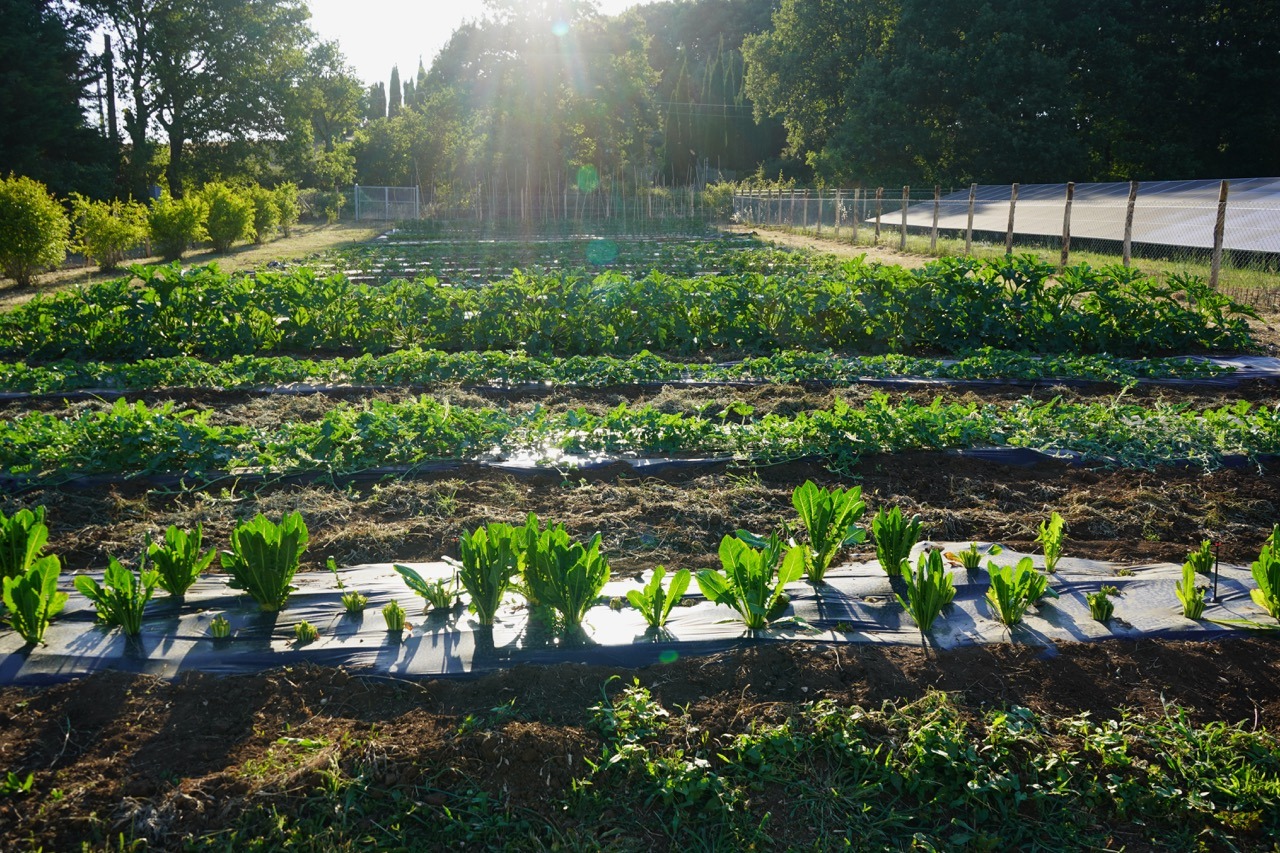
The vegetable gardens give way to orchards. The orchards merge into olive groves. Beyond them stand rows of beehives, followed by experimental fields, wheat, and berry crops. Every element connects naturally with the next, as if the entire farm had been designed first as an ecosystem and only then as an agricultural business.
"Today, around ninety percent of everything we use comes from the local area," Cristiano explains. "More than thirty percent is produced right here on the estate."
At Parco delle Querce, production always comes before cooking.
Across the farm's twenty hectares grow more than four thousand olive trees, orchards planted with heirloom varieties, berries, seasonal vegetables, aromatic herbs, beehives, and experimental crops that evolve with the rhythm of the seasons.
The goal is not complete self-sufficiency.
Rather, it is to develop an intimate understanding of every ingredient before transforming it into food.
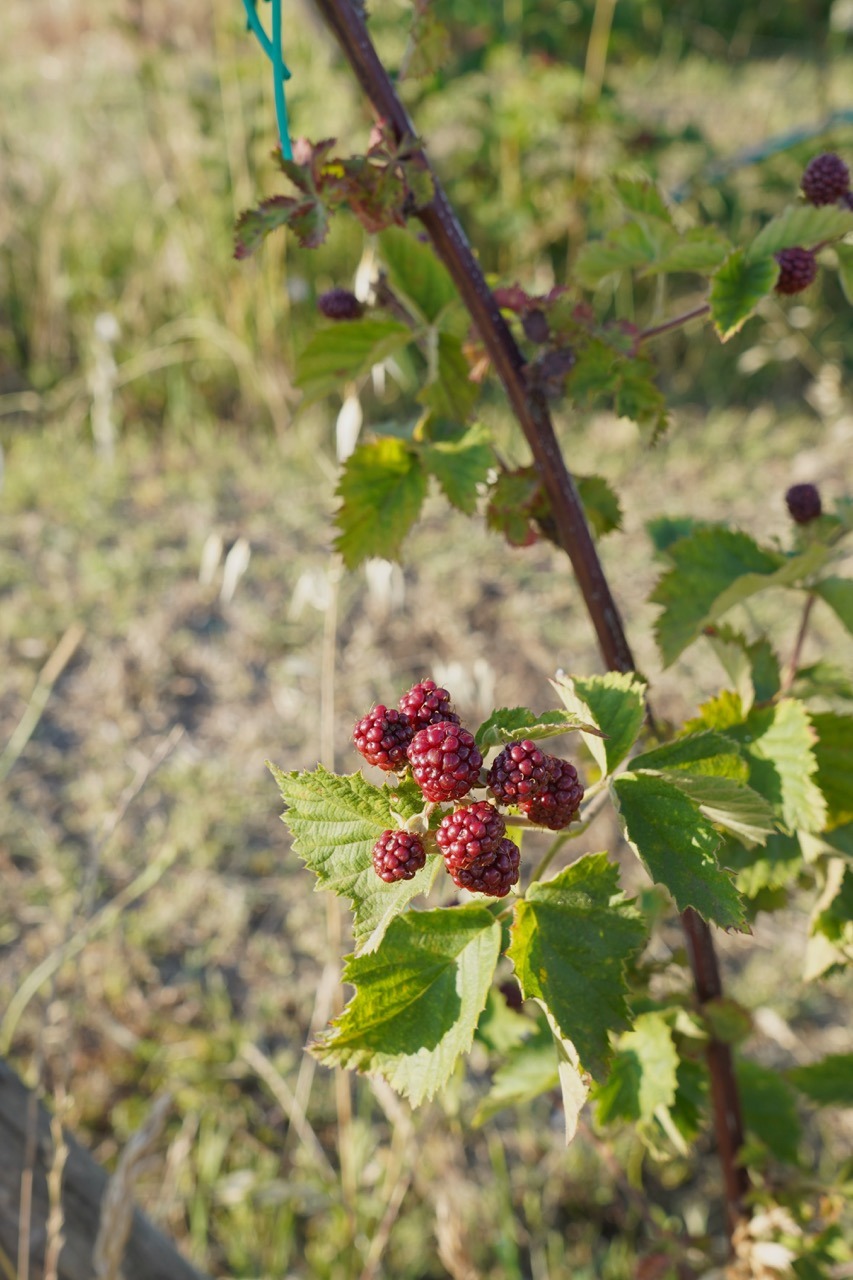
Tomatoes are not simply tomatoes: eight different varieties are cultivated, each selected for a specific texture, flavor profile, or culinary performance. Eggplants vary in shape and flesh. Several types of zucchini are grown. Different berry varieties ripen at different times, ensuring a continuous harvest throughout the summer.
Ten beehives provide pollination for the orchards while producing a limited quantity of wildflower honey, used almost exclusively in the restaurant and at breakfast. It is often served directly from the honeycomb, preserving the natural wax that prolongs the flavor and offers an experience that has become rare even for many honey enthusiasts.
It is a constant pursuit of authenticity.
As visitors walk through the gardens, a large photovoltaic system comes into view. Together with solar thermal technology, it allows the estate to be largely energy self-sufficient.
This is sustainability that is not advertised but quietly embedded in practical choices.
The same philosophy guides the selection of the farmers and producers the estate works with.
The meat is not raised on-site, but sourced exclusively from small local farms that share the same values: short supply chains, animal welfare, and husbandry practices that respect natural cycles.
"We can't produce everything," Cristiano says. "But we can choose who we work with."
The territory itself becomes a network of people rather than a single farm.
Local mills grind cereals grown in nearby fields. Small artisan dairies produce cheeses using traditional methods. Wineries across Tuscia create labels developed in collaboration with the estate. Craft breweries transform ideas born beneath these oak trees into entirely new beers.
It is an economic model before it is a gastronomic one.
Every partnership strengthens another local business.
Every project helps build a cultural supply chain before a commercial one.
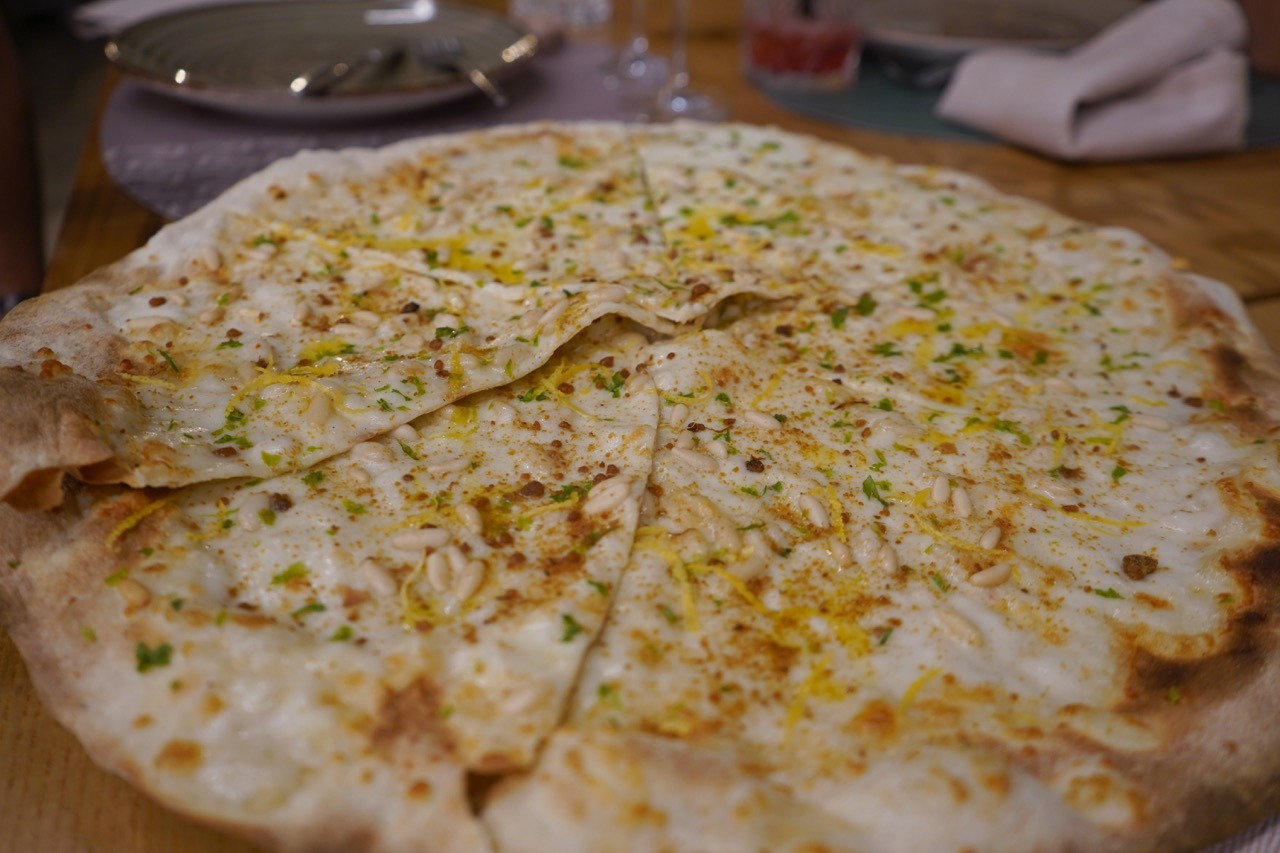
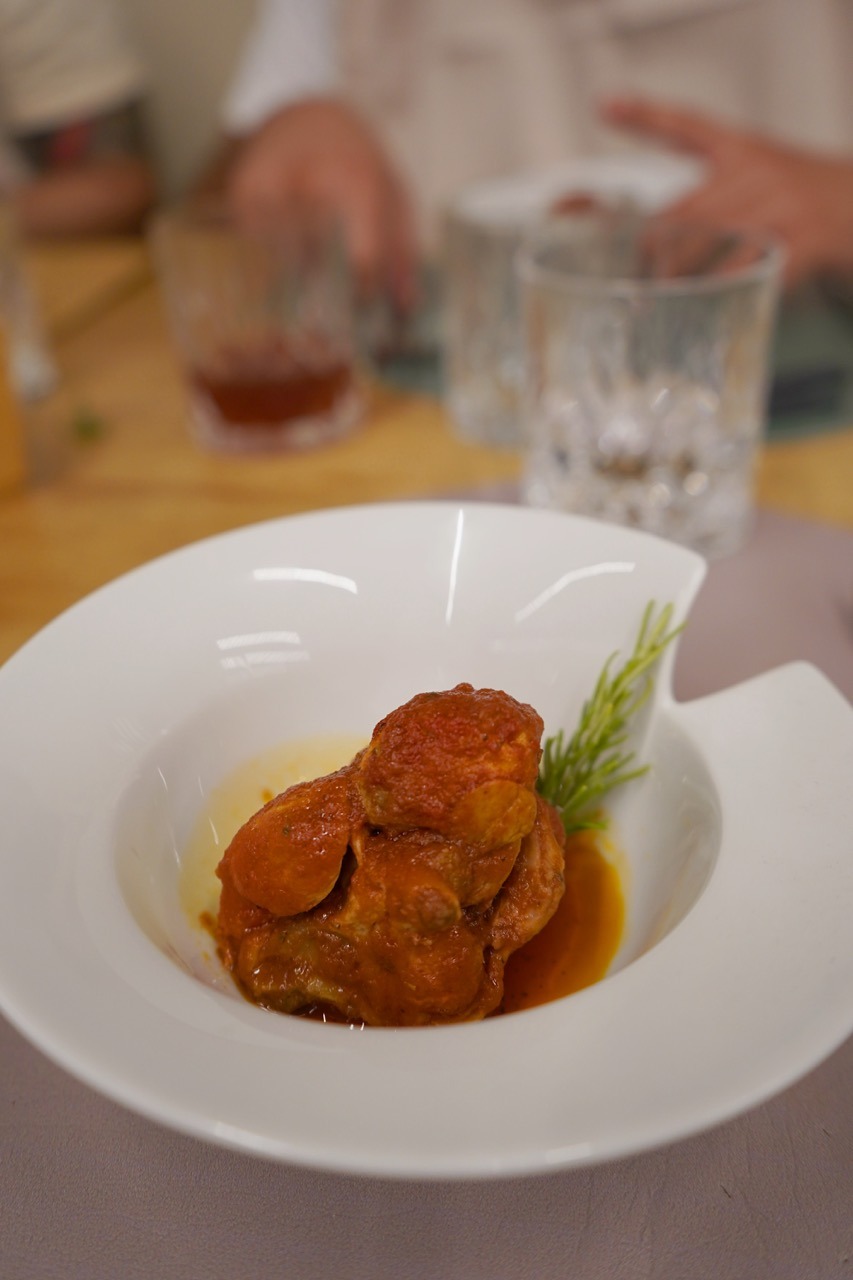
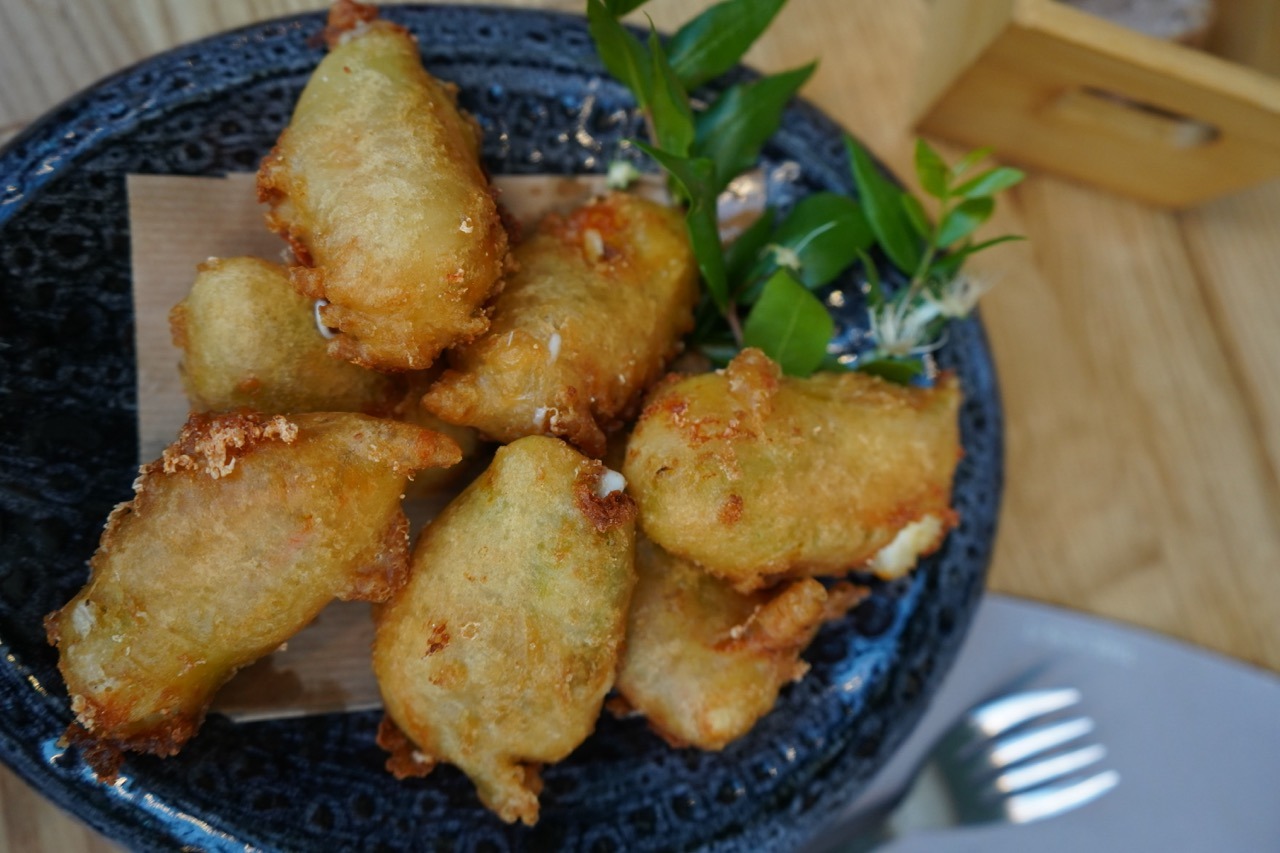
The menu changes five times a year, the four seasons, plus a special Christmas menu.
Not because seasonality has become fashionable, but because it is the fields themselves that determine what reaches the table.
It is a cuisine that looks confidently toward the future while continuing to listen carefully to the past.
It is from this ongoing dialogue between heritage and innovation that Lievituscia and Ghiandology, two of Parco delle Querce's most original projects, have taken shape.
Although very different from one another, both are driven by the same question:
How can you tell the story of Tuscia through flavors that people have never experienced before?
Every recipe begins with a simple idea:
What happens when a contemporary technique meets a forgotten ingredient?
When an ancient rural tradition is reinterpreted through the language of modern cuisine?
When the past stops being nostalgia and once again becomes a field for experimentation?
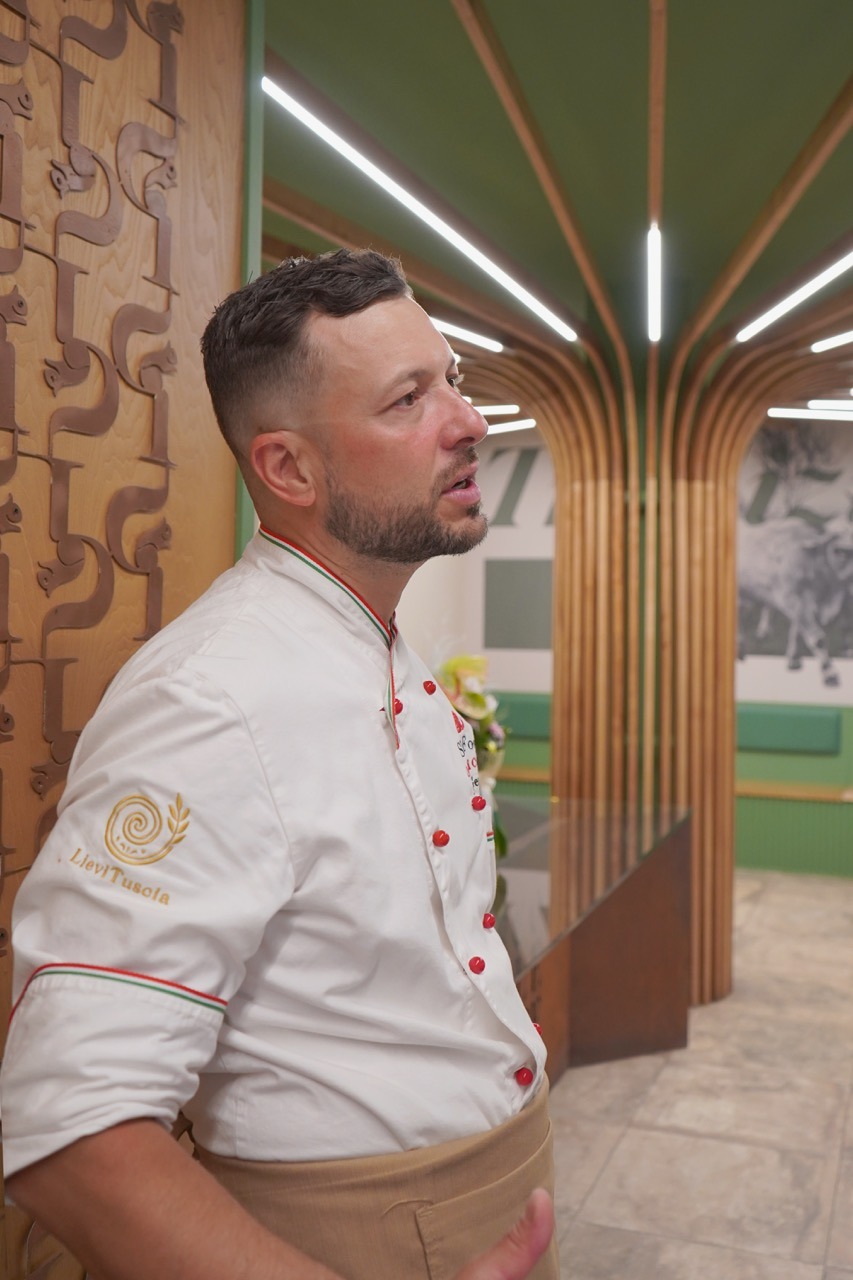
It is from this approach that Lievituscia was born: a seasonal collection of naturally leavened baked goods in which every panettone, every Easter colomba, and every new creation begins with historical research before it ever reaches the kitchen.
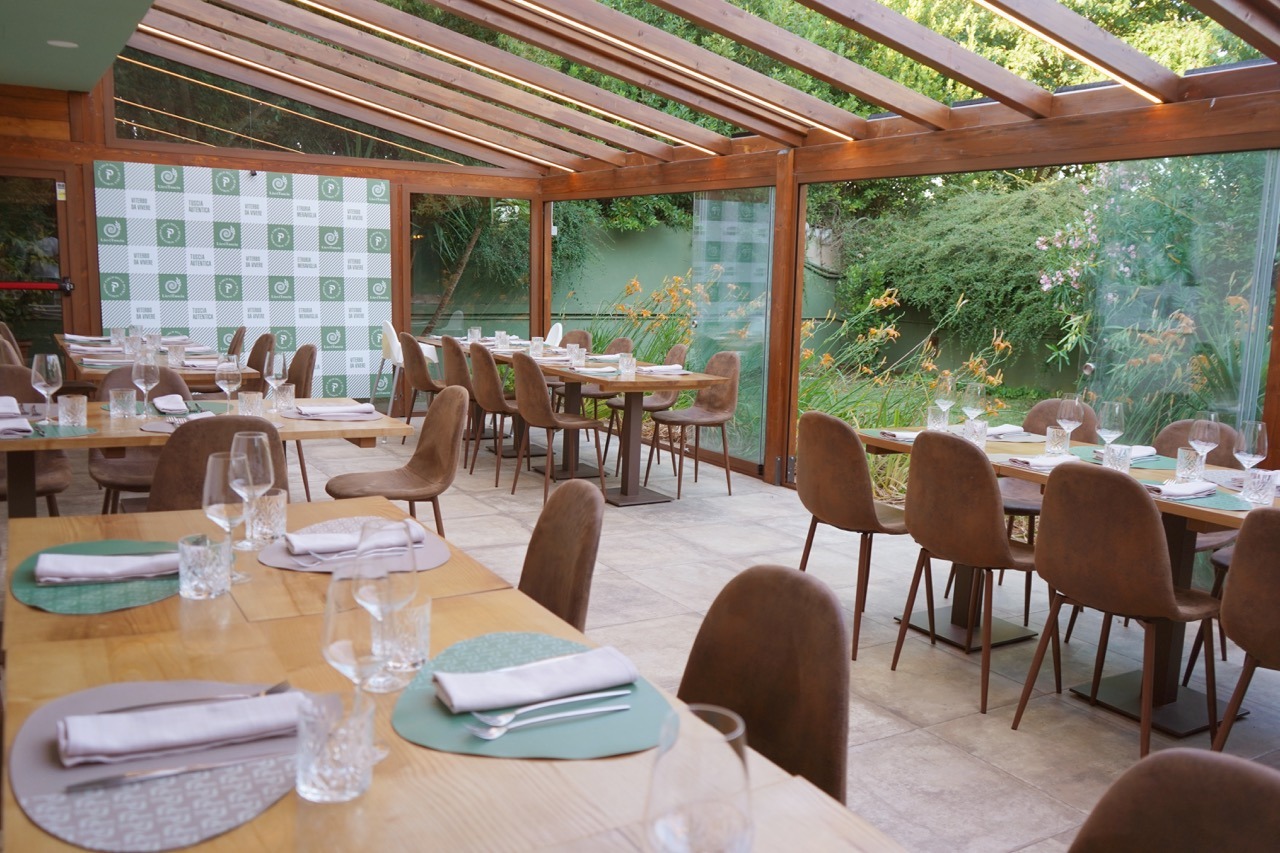
The first experiment, Pan Truscone, draws inspiration from the ancient Etruscan spongata, reinterpreting its ingredients and symbolism through a contemporary lens. Candied raspberries produced on the estate, chestnuts, hazelnuts, and carefully selected local ingredients become the common thread of a dessert that does not seek to surprise for its own sake, but to awaken a sense of recognition.
The same philosophy guides the spring colomba, which revives the symbolic importance of the citron in Tuscia's religious history, and the autumn panettone, made exclusively with extra virgin olive oil instead of butter. This bold reinterpretation has received prestigious national awards for its ability to transform one of the region's defining ingredients into a thoroughly contemporary expression.
"We need to be contemporary," Cristiano reflects. "It's difficult to call yourself an innovator today, because creating something entirely new is rare. What we can do is reinterpret what already exists."
Traditions survive only when they find new ways of telling their story.
Otherwise, they become folklore.
Perhaps this awareness is what inspired Parco delle Querce's most visionary project.
It is called Ghiandology.
The name may raise a smile, but behind the playful word lies an exceptionally serious research initiative.
For thousands of years, acorns were one of humanity's essential food sources. Long before cereals became widespread, they nourished prehistoric communities. They remained part of rural cooking well into the nineteenth century, and during the Second World War they even served as a substitute for coffee when coffee itself had become impossible to find.
Then they disappeared.
Not because they had lost their value, but simply because progress made it easier to forget them.
At Parco delle Querce, the decision was made to rediscover them, study them, and explore how they might once again speak to contemporary tastes.
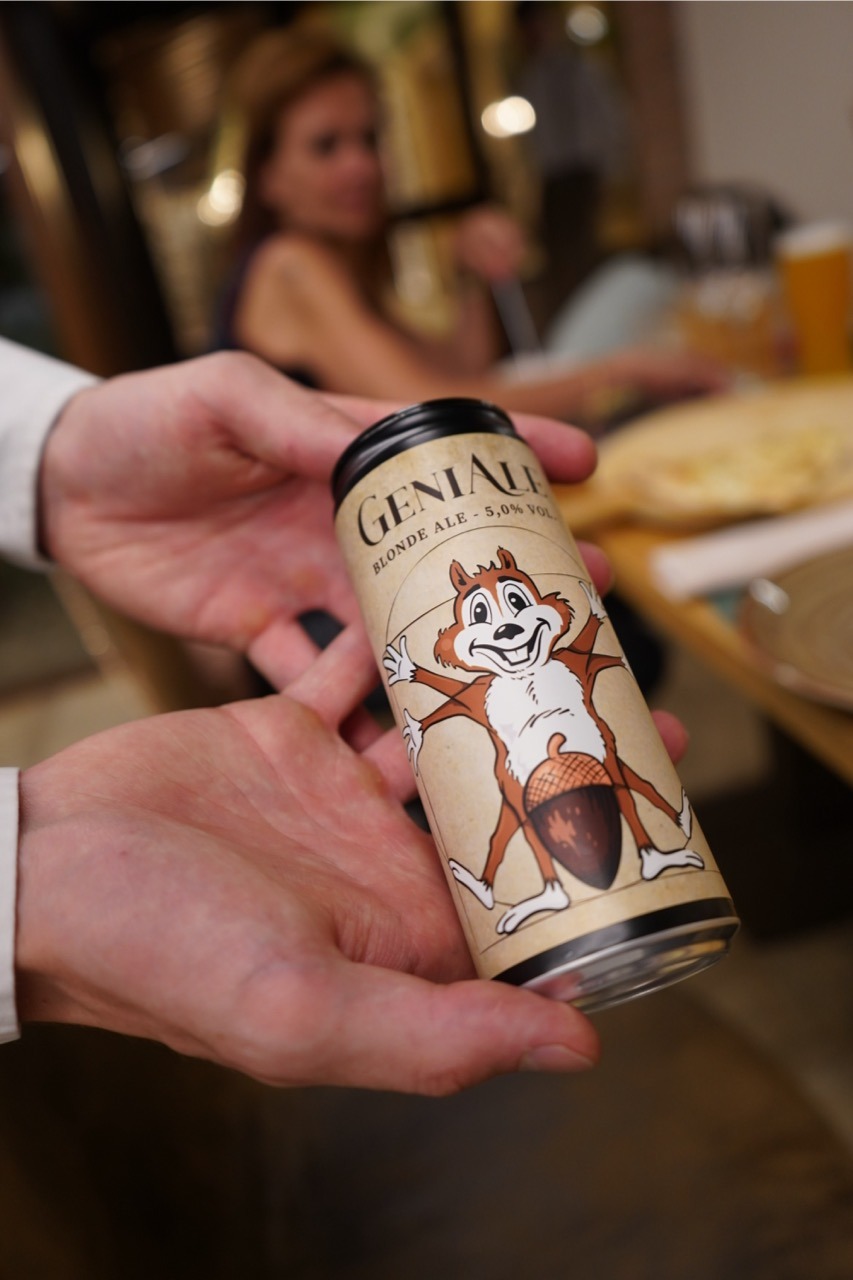
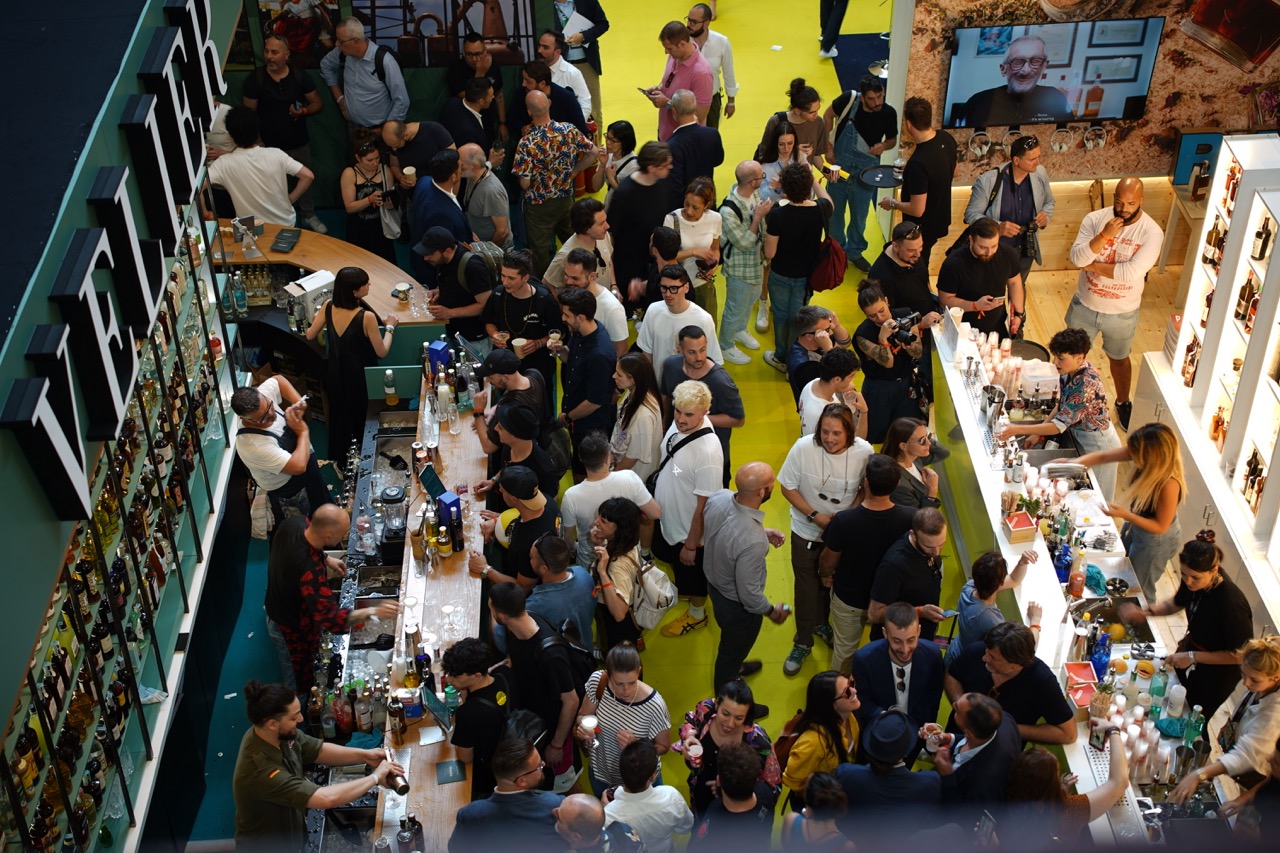
The result is an entire collection of products built around this forgotten ingredient: a deliberately austere herbal bitter, an infusion with notes reminiscent of black tea, pizza dough enriched with acorn flour, bread, fresh pasta, biscuits, cocktails, a craft beer, and even a gin.
The estate has also launched collaborations with universities to investigate the nutritional properties of acorns and better understand their potential as a modern food ingredient.
This says a great deal about Cristiano Germani's way of working.
Every intuition is accompanied by knowledge.
In many places, words like tradition, farm-to-table, and short supply chain have become little more than marketing slogans.
Here, they become subjects of research.
By the end of the visit, it becomes clear that Parco delle Querce's true product is not its olive oil, its honey, its acorn bread, or even its award-winning leavened cakes.
These are simply the means.
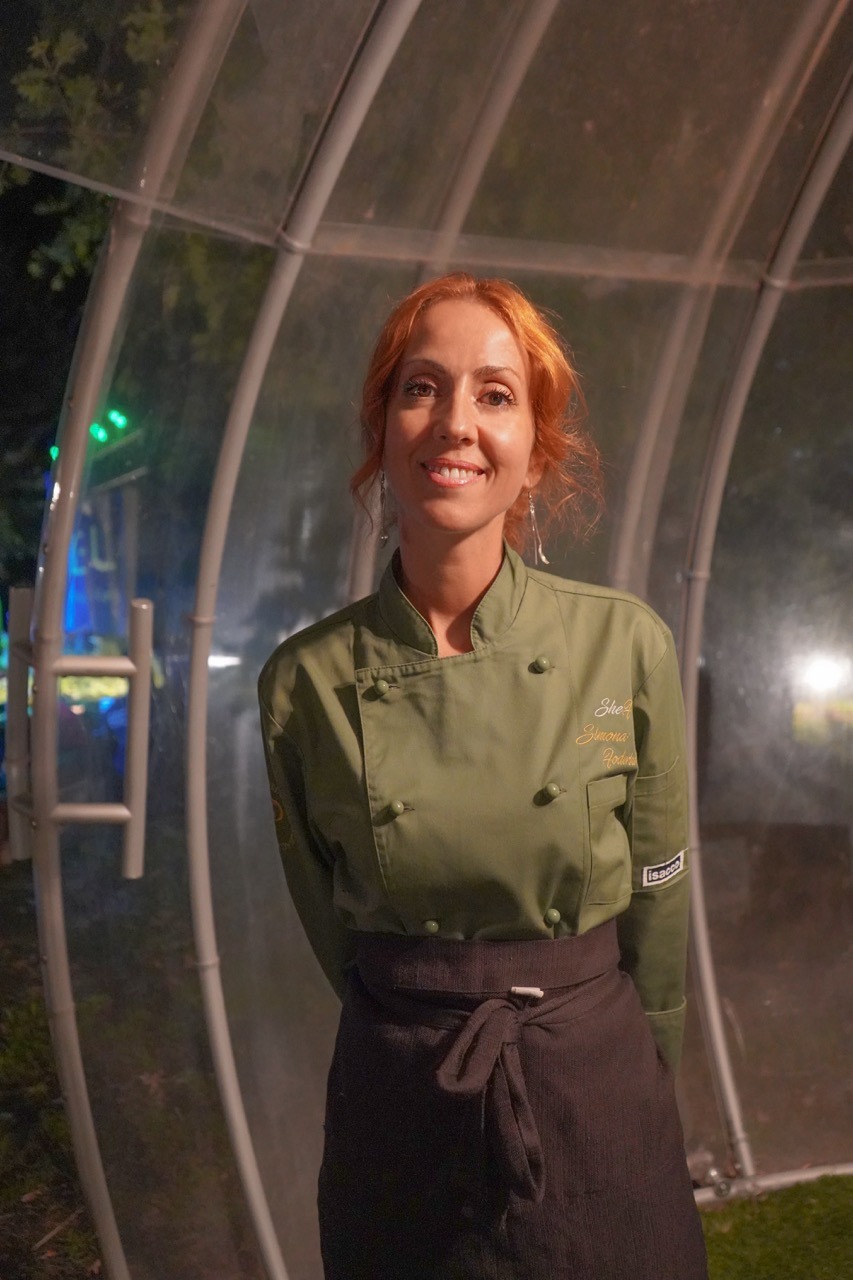
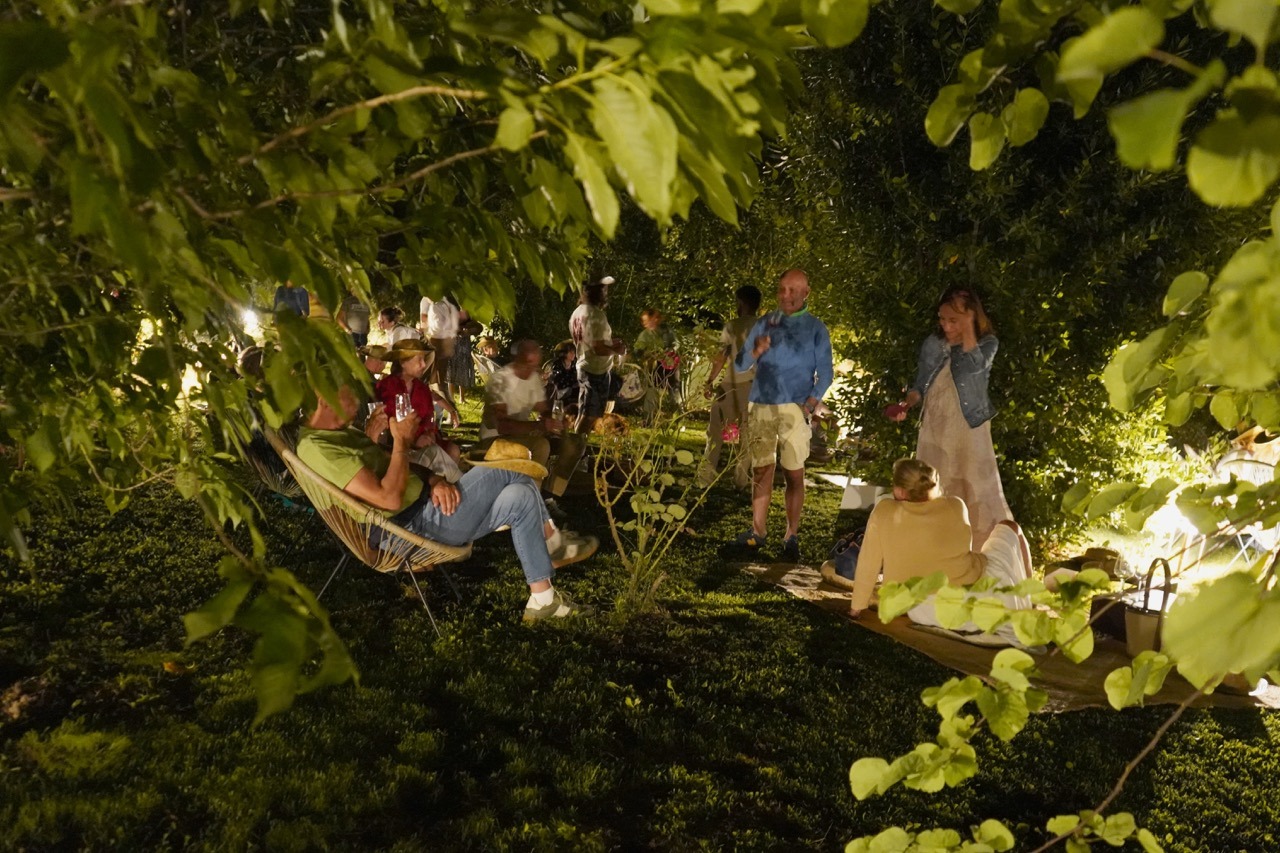
What Cristiano Germani and Simona Foderini are really producing is continuity.
At a time when everything changes at the speed of an algorithm, they invest in the long view.
They cultivate heirloom varieties, recover forgotten ingredients, transform scientific research into gastronomic culture, and have built a model of hospitality that encourages people to slow down, observe, and understand.
It is a quiet form of resistance.
Because Italy's greatest heritage is not only what is preserved inside museums.
It is what continues to live in its fields, its kitchens, and in the everyday gestures of those who choose not to interrupt a story that began thousands of years ago.
And so the sentence Cristiano spoke almost casually during our conversation takes on an entirely different meaning:
"Over the next ten years, we have the responsibility to safeguard three thousand years of history."
After spending time at Parco delle Querce, you realize it is not a metaphor.
It is a commitment.
Parco delle Querce
https://new.agriturismoparcodellequerce.it/



square.jpg)