Criollo – Il Bistrot del Gelato
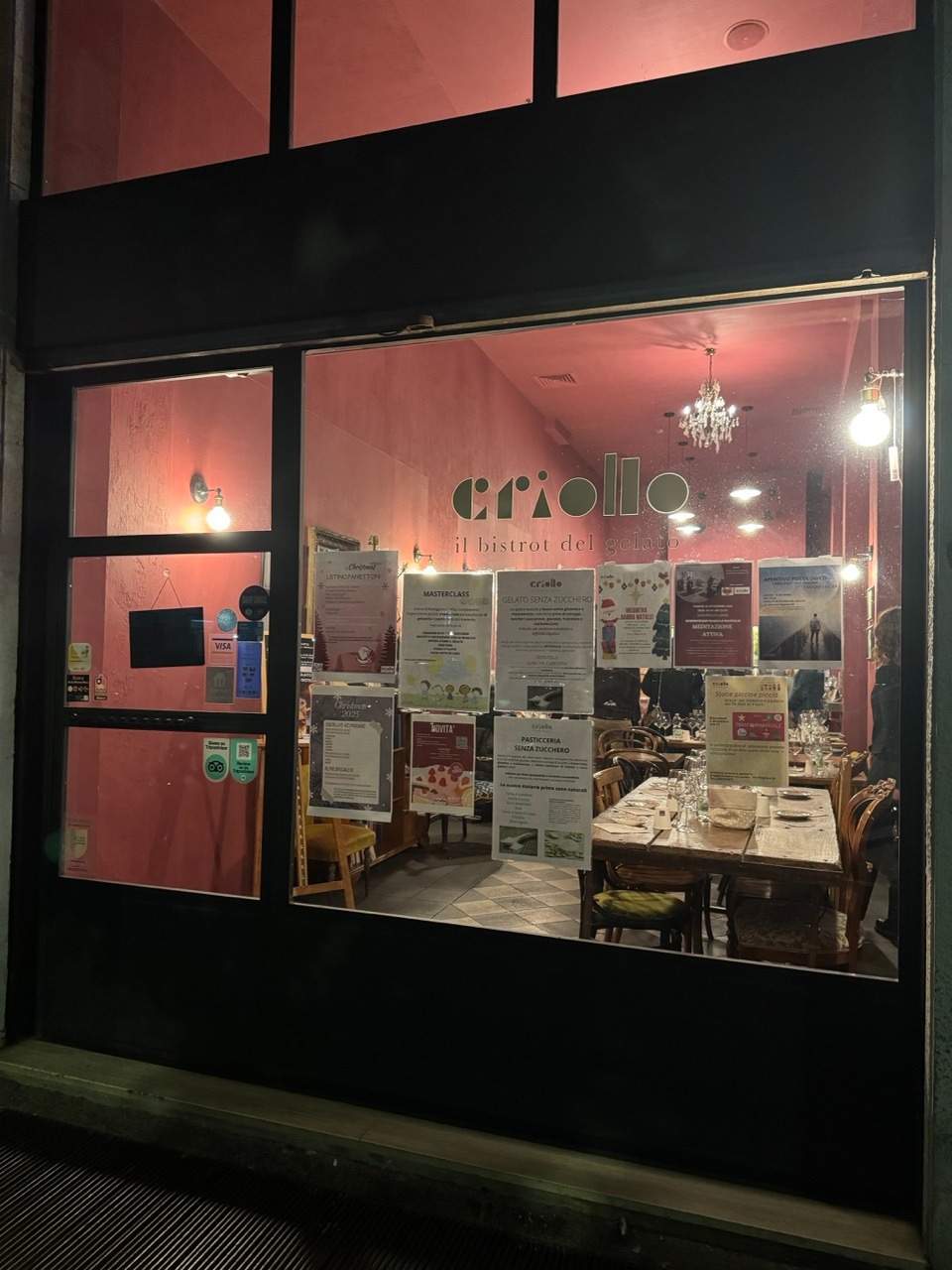
Even people who have visited many famous gelaterias in central Rome sometimes come across a place that feels a little special. One of those places is Criollo – Il Bistrot del Gelato, a gelateria located in a residential area of the Marconi district in southern Rome.
This place calls itself a “gelato bistrot.” Here, gelato goes beyond the idea of a simple sweet dessert. Instead, it becomes part of a new experience that connects gelato with food, wine, and gastronomy. It is one of the most unique gelaterias in Rome.
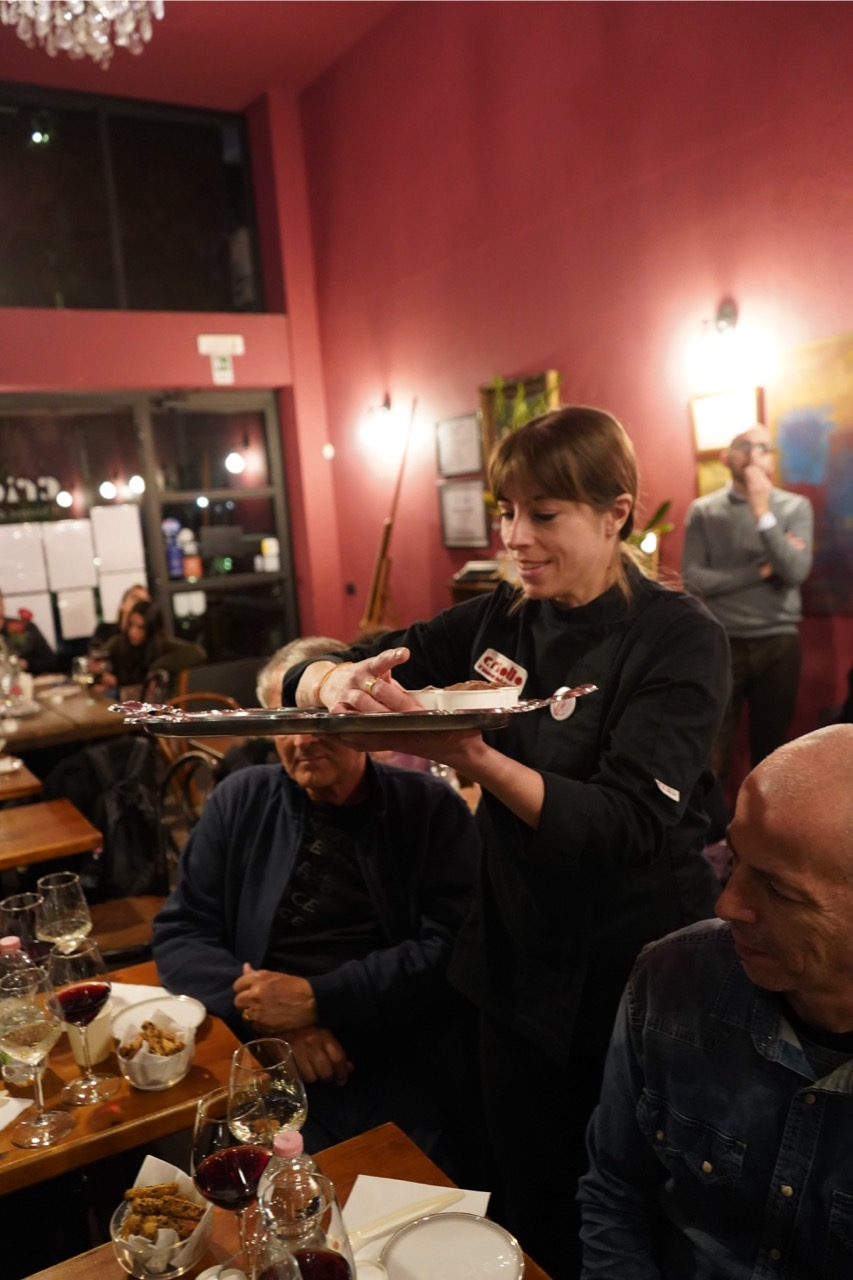
When you walk into the shop, the first thing you notice is the warm and welcoming atmosphere. On the menu, classic flavors such as pistachio and chocolate appear alongside some that make you look twice.
For example, there is gelato made with mortadella, or flavors based on cheese. These combinations come from ideas that feel closer to cooking than to traditional dessert making. By combining sweetness with saltiness and umami, the possibilities of gelato expand far beyond what we usually expect. Here, gelato is not simply dessert, it is a form of gastronomy.
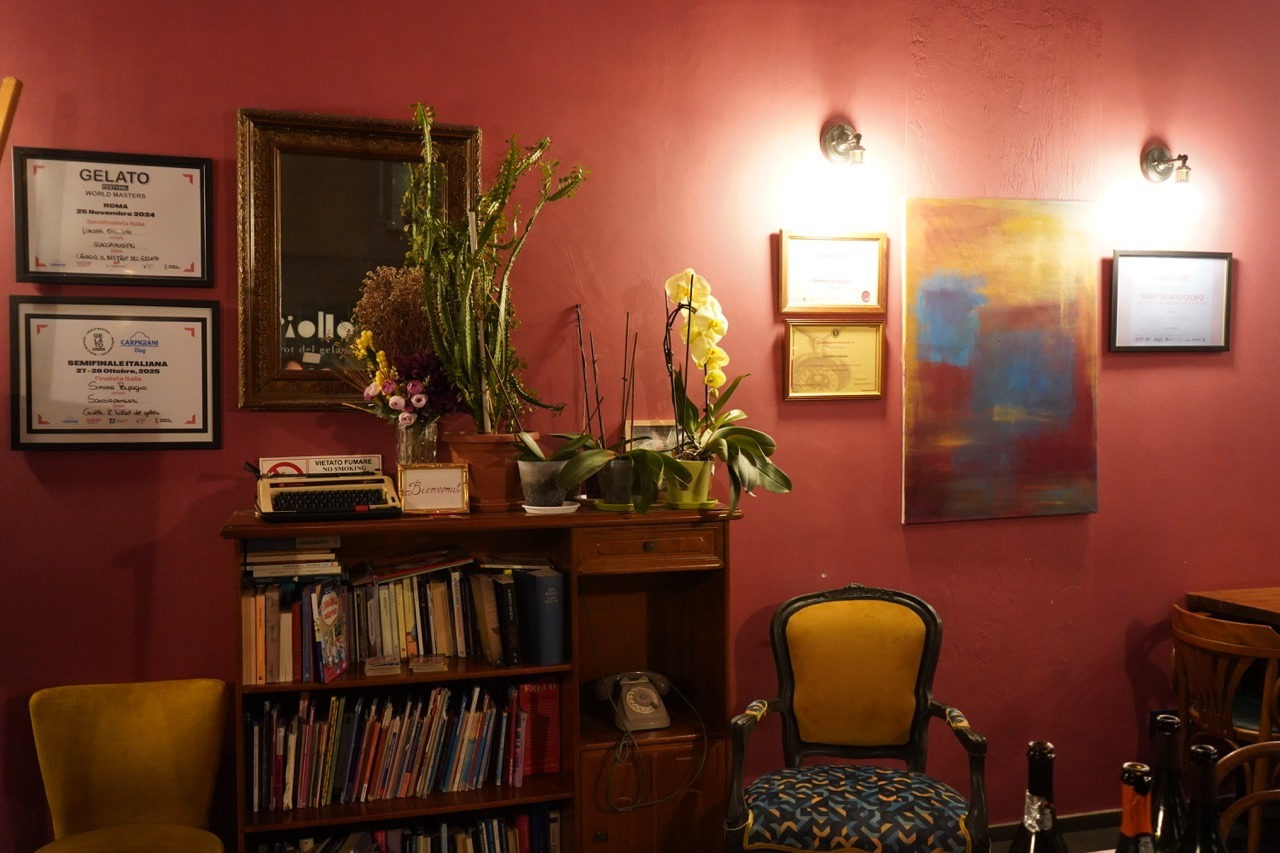
Leading this place is gelato artisan Simona Papagno.
She studied at the famous gelato school in Perugia, which is well known in Italy, and after many years of experience she opened Criollo. She is known for her careful choice of ingredients and her creative ideas, and she has been recognized among the top gelato artisans in the world.
However, inside the shop she feels less like an award-winning artisan and more like a welcoming host. From behind the counter she introduces recommended flavors and casually suggests, “This one also pairs very well with wine.” In these small conversations you can feel the warm spirit of the shop.
The gelato that Simona carefully creates is rich but also delicate. With each spoonful, the character of the ingredients appears clearly. From classic flavors to unexpected combinations, her creativity often surprises visitors.
Behind this flavor is her strong commitment to ingredients. Simona explains in detail where each ingredient comes from and what makes it special. Where the ingredients are sourced, and why certain combinations are chosen. Listening to her explanations, each gelato starts to feel like a small dish from a fine kitchen.

The charm of Criollo does not stop with gelato. As the name “gelato bistrot” suggests, the shop offers many ways to enjoy food centered around gelato. There are options not only for people who love sweets, but also for those with dietary restrictions such as vegan or gluten-free diets. This makes it a place where everyone can feel comfortable visiting.
It may also explain why many health-conscious people in Rome visit the shop regularly.
Another important aspect of Criollo is its connection with the local community. Events and workshops are held regularly, and the shop often becomes a lively gathering place for people in the neighborhood.
Recently, Criollo hosted an event called
“IL CIOCCOLATO INCONTRA… I DISTILLATI”
(Chocolate Meets Distillates).
It was a special evening dedicated to pairings of chocolate, spirits, wine, and gelato.
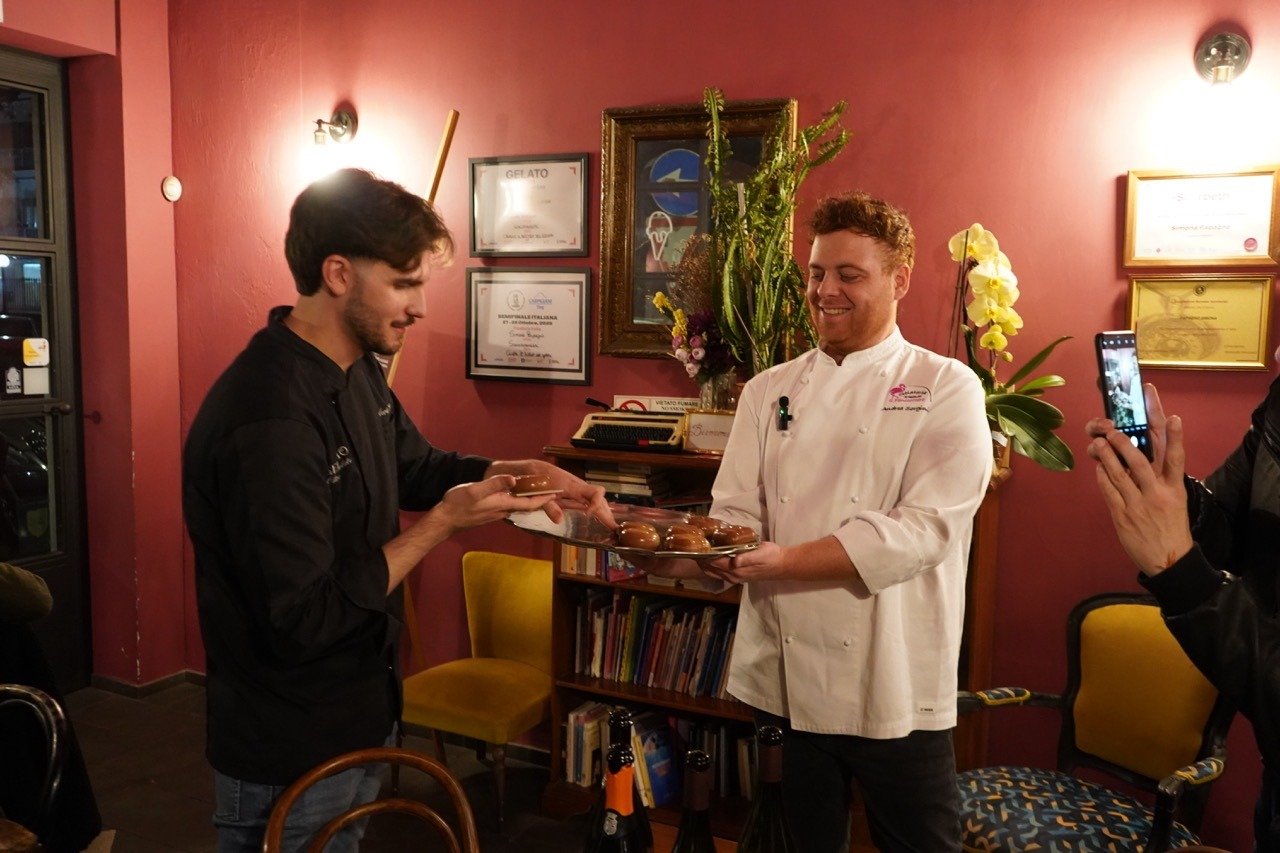
During the event, Valerio Gaveglia from Gelasio and Andrea Sorgini from the gelateria Il Fenicottero held a live cooking show. Their presentation explored a new approach centered on the combination of frozen ingredients, chocolate, and oil.
The event began with a discussion about cacao, the main ingredient of chocolate.
Cacao is harvested twice a year. Farmers carefully check the ripeness of the fruit before harvesting. The cacao beans are removed from the cacao pods and then go through fermentation and drying before they become chocolate ingredients. This fermentation step is extremely important. If it fails, the final chocolate can develop serious problems in aroma and flavor.
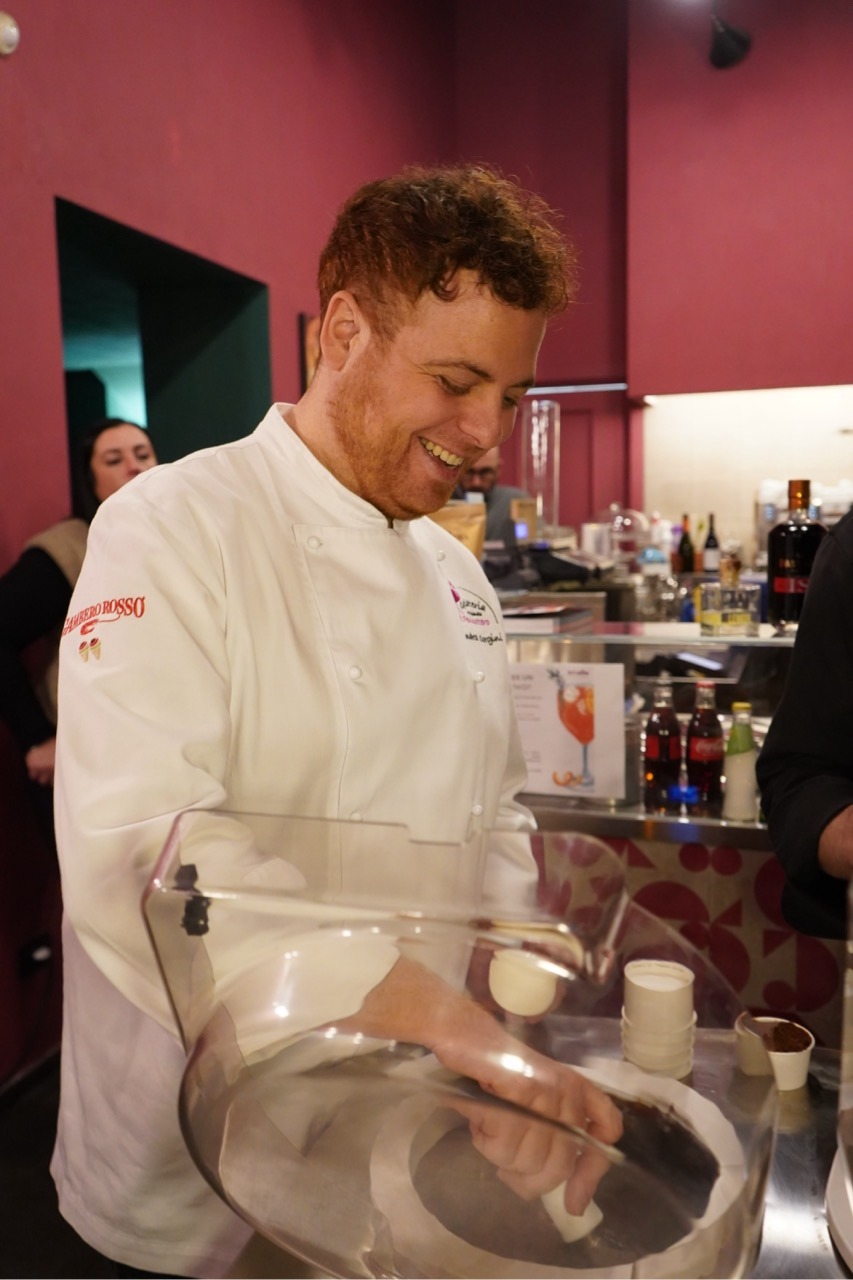
From there, the discussion moved to the chocolate production process.
There are three main products that come from cacao beans:
cacao mass, cacao powder, and chocolate.
When cacao butter is extracted using a press, what remains becomes cacao powder. When cacao mass is combined with sugar, lecithin, and other ingredients according to a recipe, it becomes chocolate.
This difference also has a strong effect on gelato making. Using only cacao powder can sometimes produce a flat flavor, while cacao mass gives the gelato deeper aroma and richer texture.
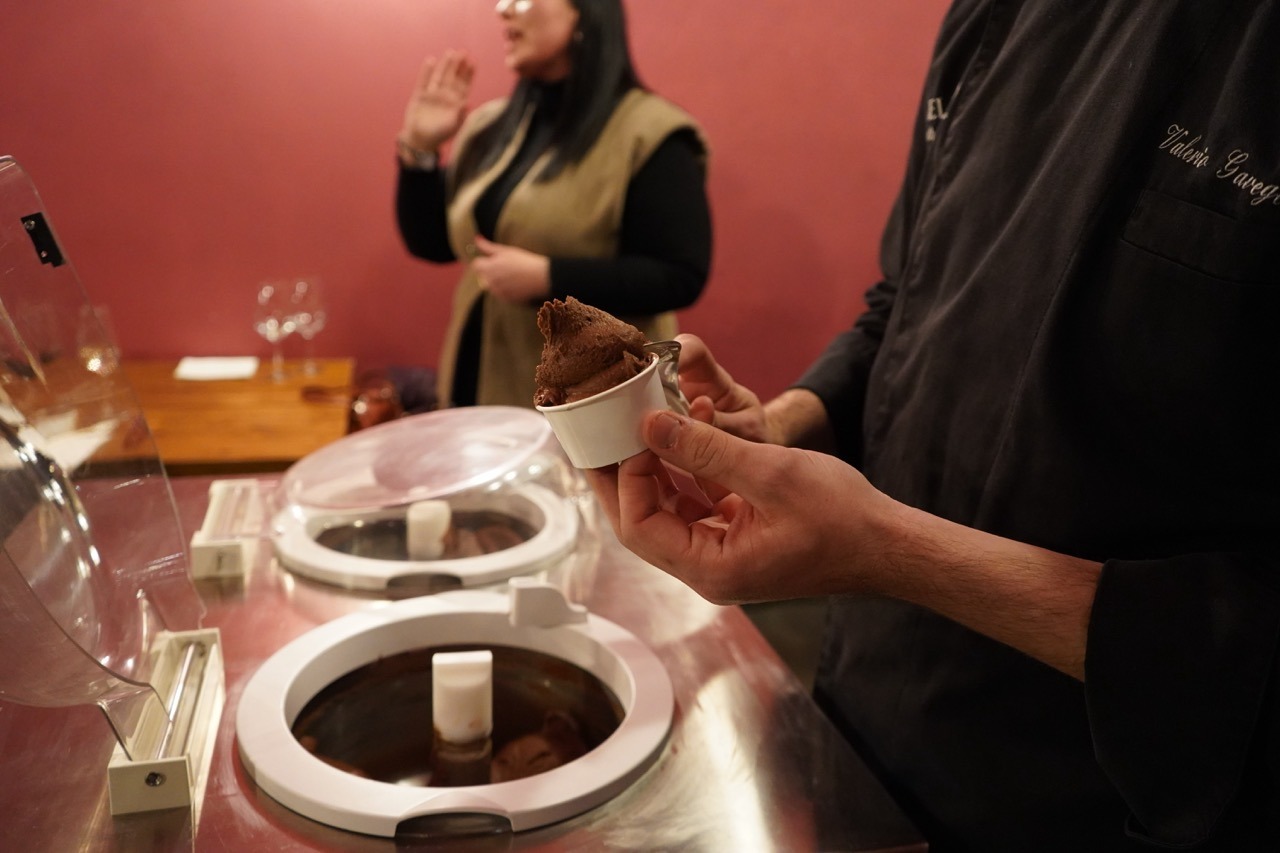
The first tasting of the evening was a gelato made with Madagascar chocolate. It was paired with an old traditional liqueur called Ratafia.
This liqueur dates back to the Middle Ages. In Italy it is often made from red wine and amarena cherries, giving it a flavor with berry-like acidity and fruity sweetness. These flavors paired beautifully with the natural red-fruit notes of Madagascar chocolate, creating layers of aroma in the mouth.
The technical side of gelato making was also explained in detail.
This gelato was made with a water base instead of milk, and contained 10% Ratafia and 21% chocolate. Another important detail was the processing temperature. Instead of the usual pasteurization at 85°C, the mixture was processed at 60–65°C. This helps protect the volatile aromas of cacao and prevents unnecessary stress on the fats in cacao butter.
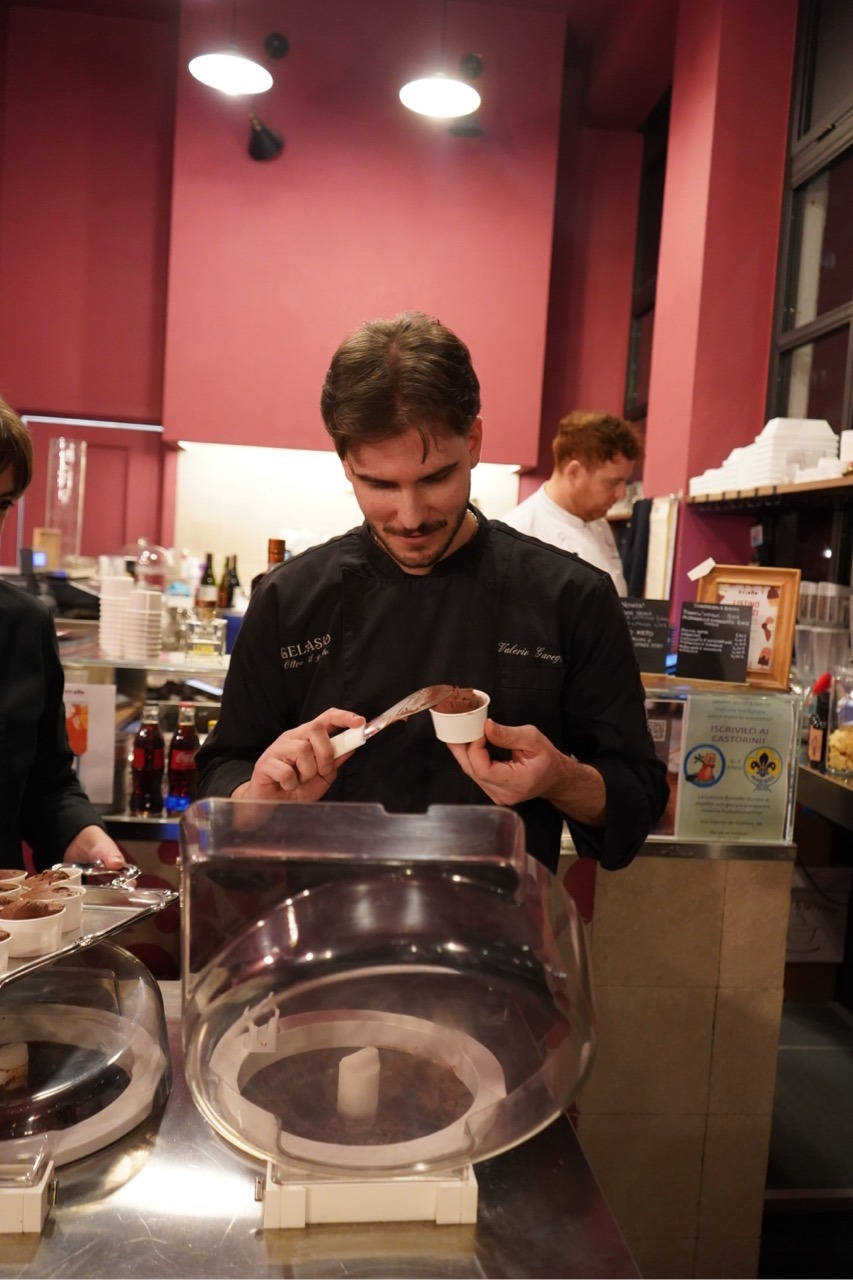
Another point discussed was sugar.
“Sugar is not used only to create sweetness,” it was explained.
Sugar also plays an important role in building the aromatic structure of the final product. In this gelato, 90% of the sugars were sucrose, and the sucrose itself had been flavored using berries through vacuum dehydration. This technique added subtle fruit notes that enhanced the chocolate.
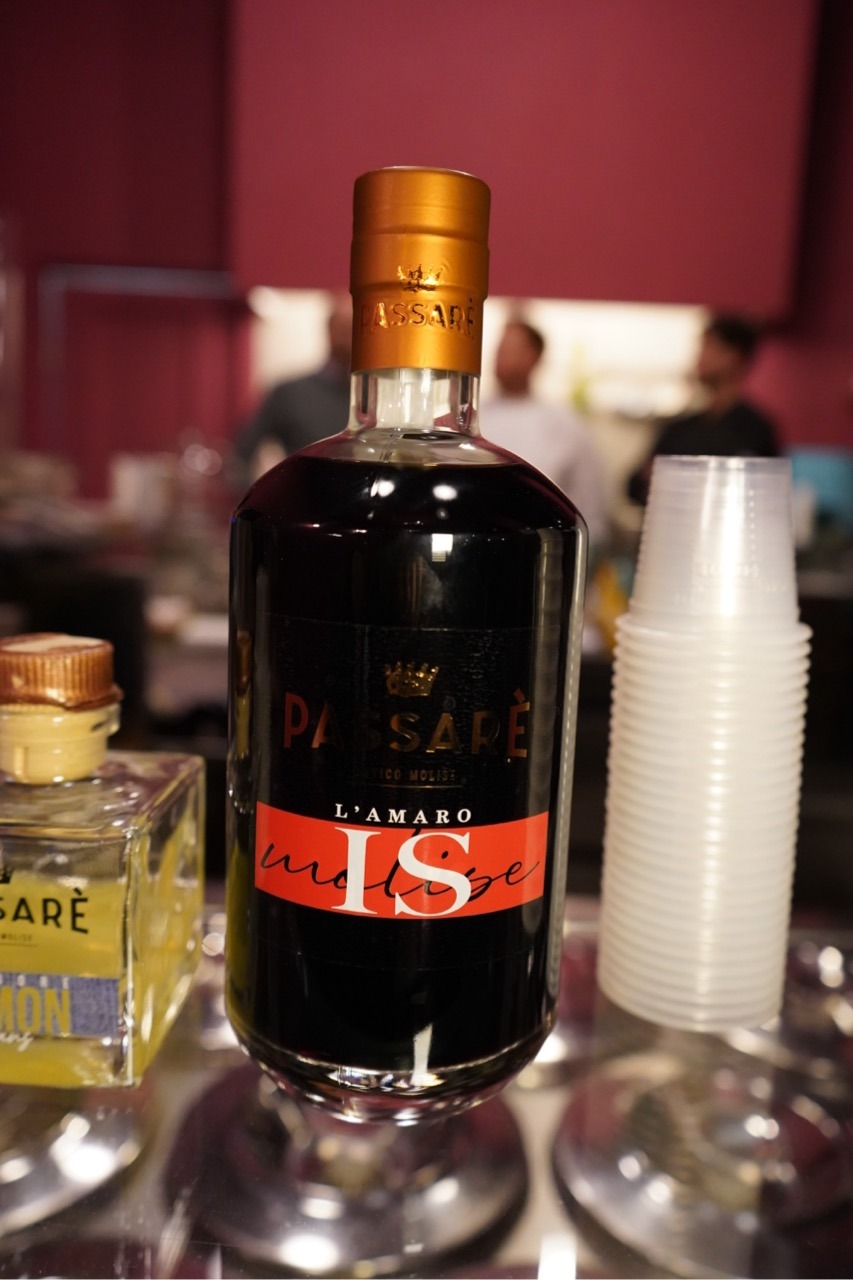
Spirits from Passarè were also used in the recipe.
Because the spirit has an alcohol content of 45%, it is very difficult to balance it in gelato. To solve this, maltodextrin was used to strengthen the body and structure of the gelato.
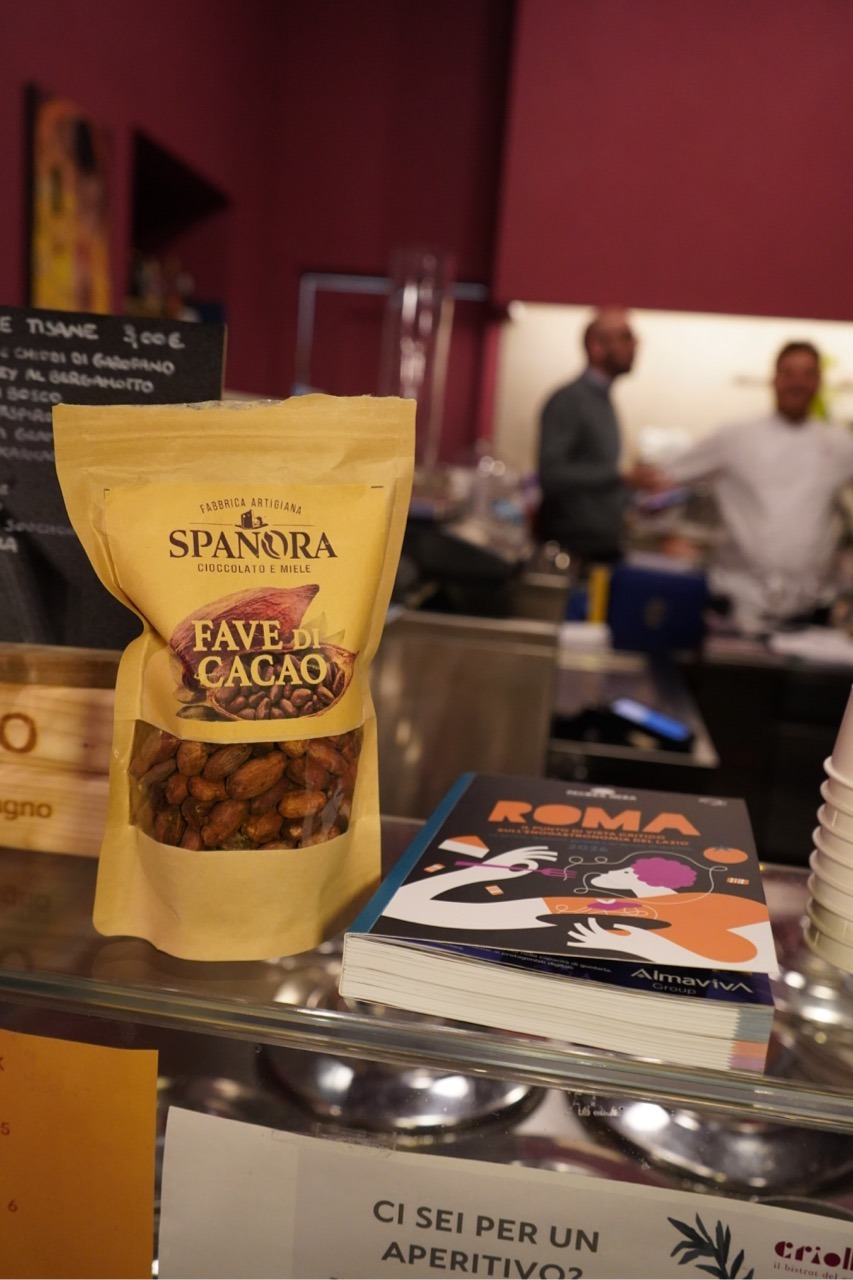
Guests were also given whole cacao beans. They could taste them directly by removing the thin shell, or learn how they can be used to make cacao tea. By tasting cacao without sugar first, the sweetness and aroma of the gelato that followed became even clearer.
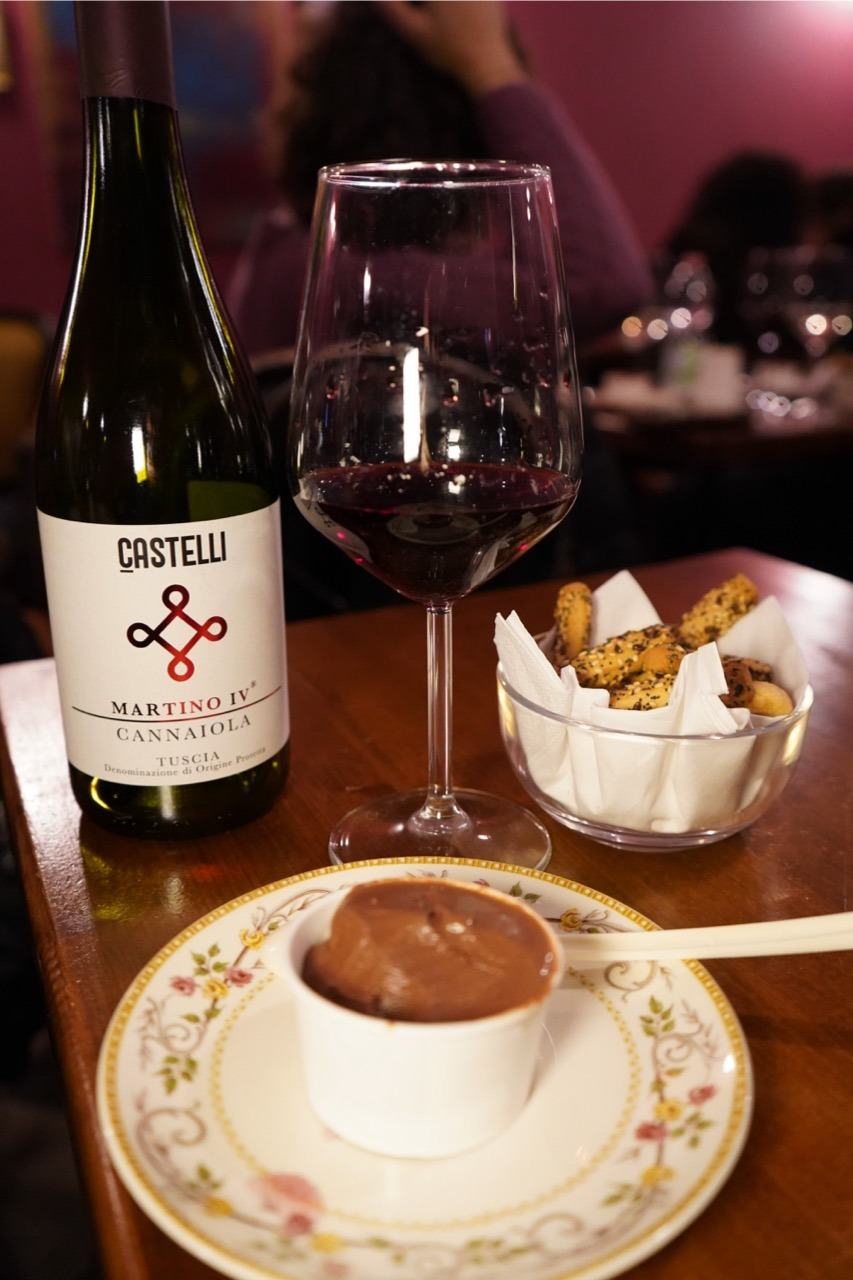
Another highlight of the event was the wine pairing.
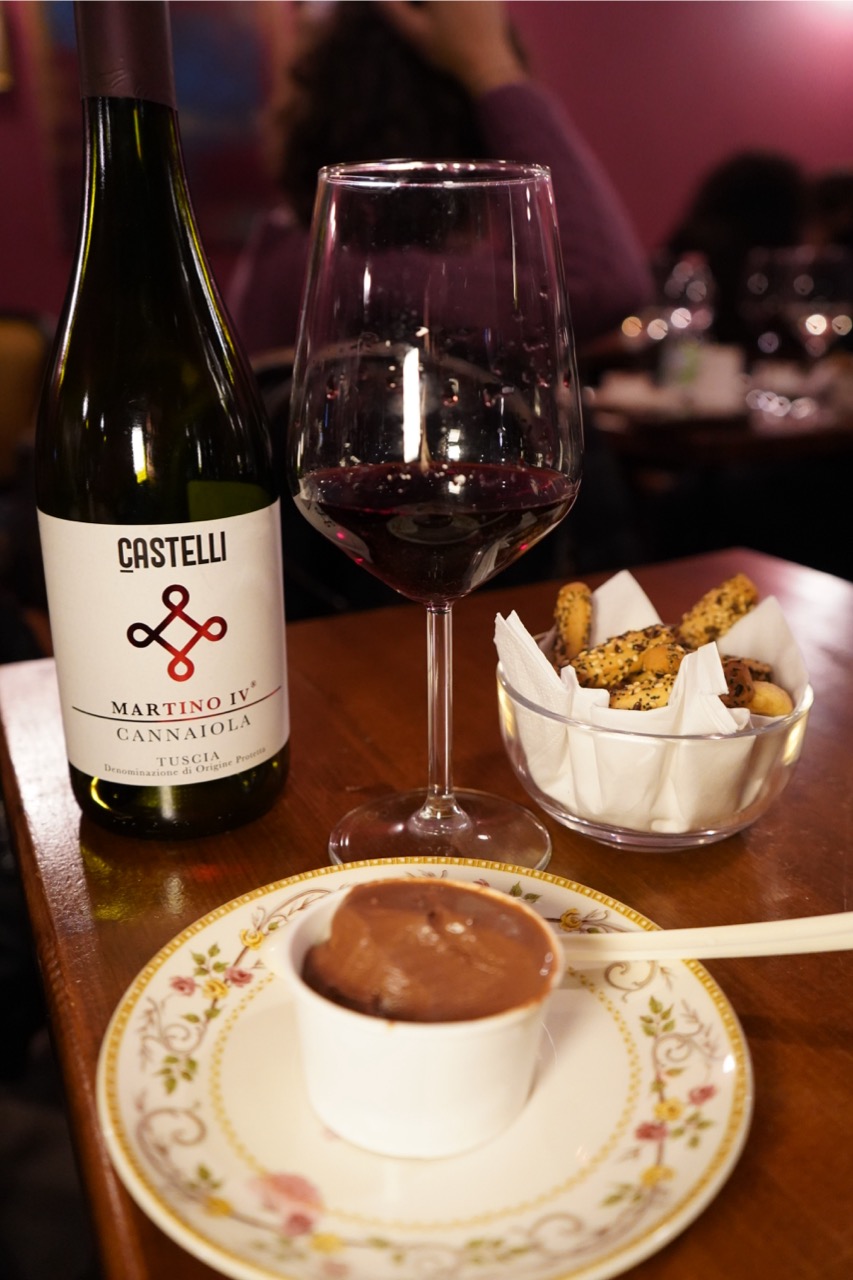
The tasting was guided by Pamela Di Marco from the Associazione Romana Sommelier. A lightly sweet sparkling wine and a semi-sweet red wine were served. Guests were free to experiment with different pairings while enjoying the gelato.
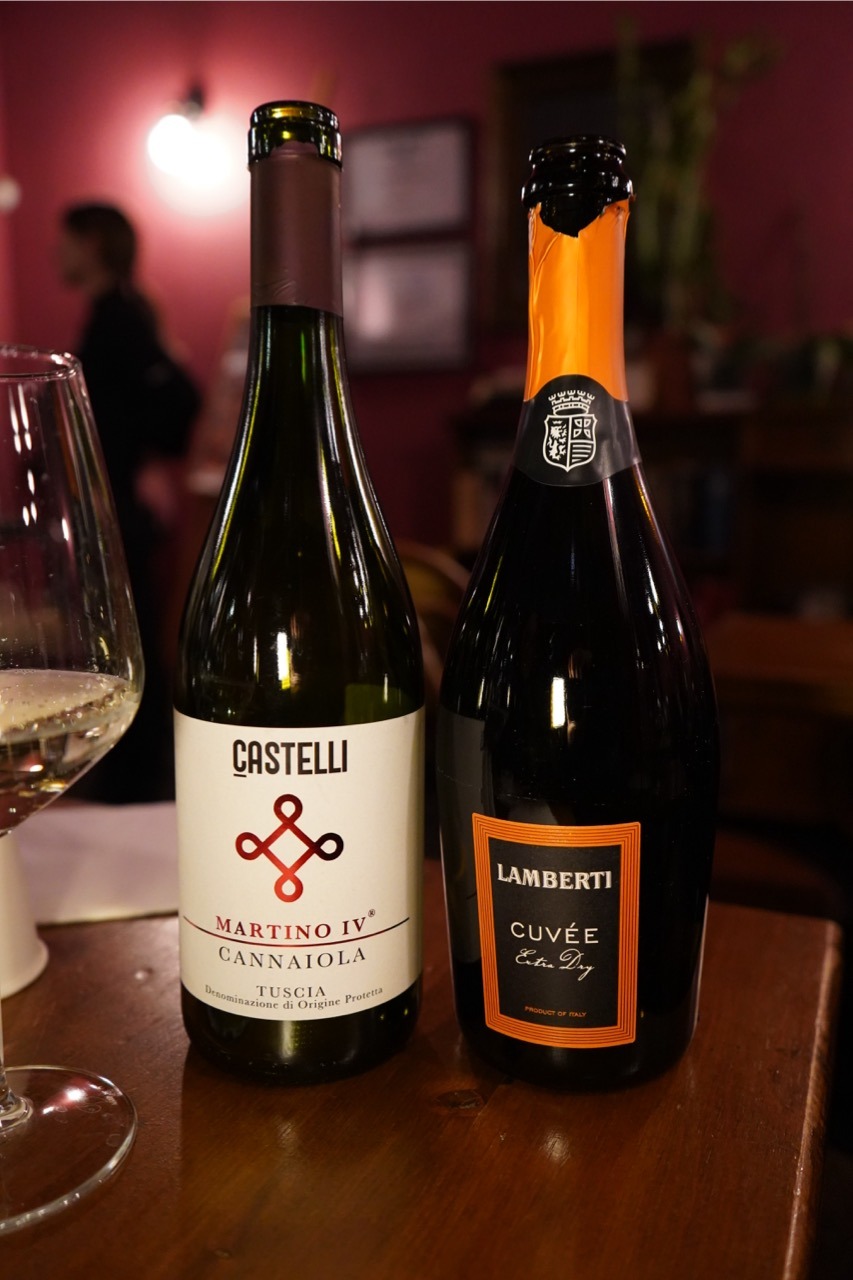
Later in the evening, a citrus semifreddo was presented.
The dessert was designed to express the flavor of heated chocolate in a more three-dimensional way. Inside the semifreddo was a gel made with citrus distillate.
The spirit used was called “Lemon Jeans.” It was made by separately infusing lemons from three famous regions: Gargano, Amalfi, and Sicily.
No sugar was added. Instead, a small amount of lime was used at the end to create a fresh finish. The citrus aroma spread beautifully through the semifreddo, suggesting new possibilities in the world of gelato.
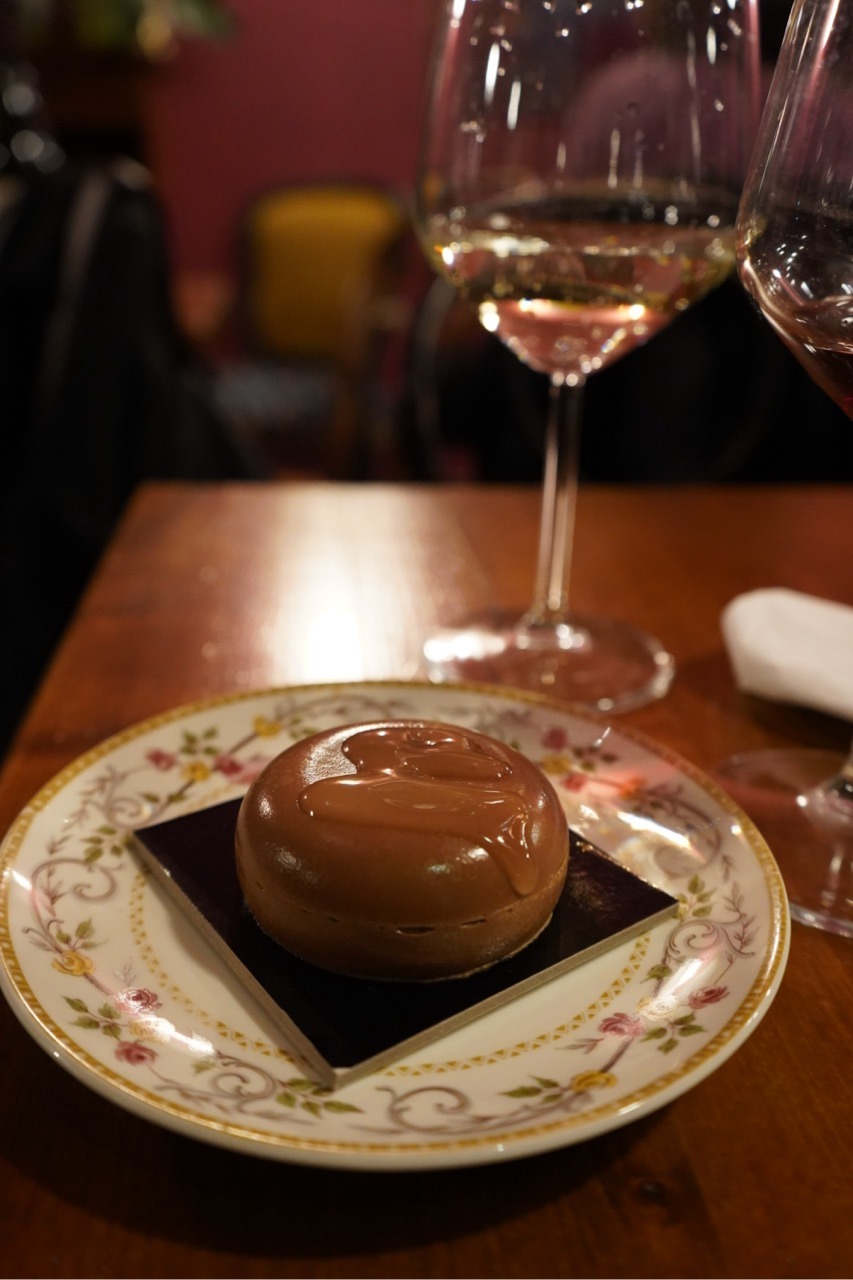
In that space, gelato, spirits, chocolate, and wine met freely. It truly felt like an experimental stage of gastronomy, very much in the spirit of Criollo.
At the end of the event, one comment stayed with the guests:
“Don’t judge the gelato from the first bite.
The human body temperature is about 36°C. Cold gelato does not fully open its flavor at the first taste. It is only with the second spoon that the balance of aroma and sweetness becomes clear.”
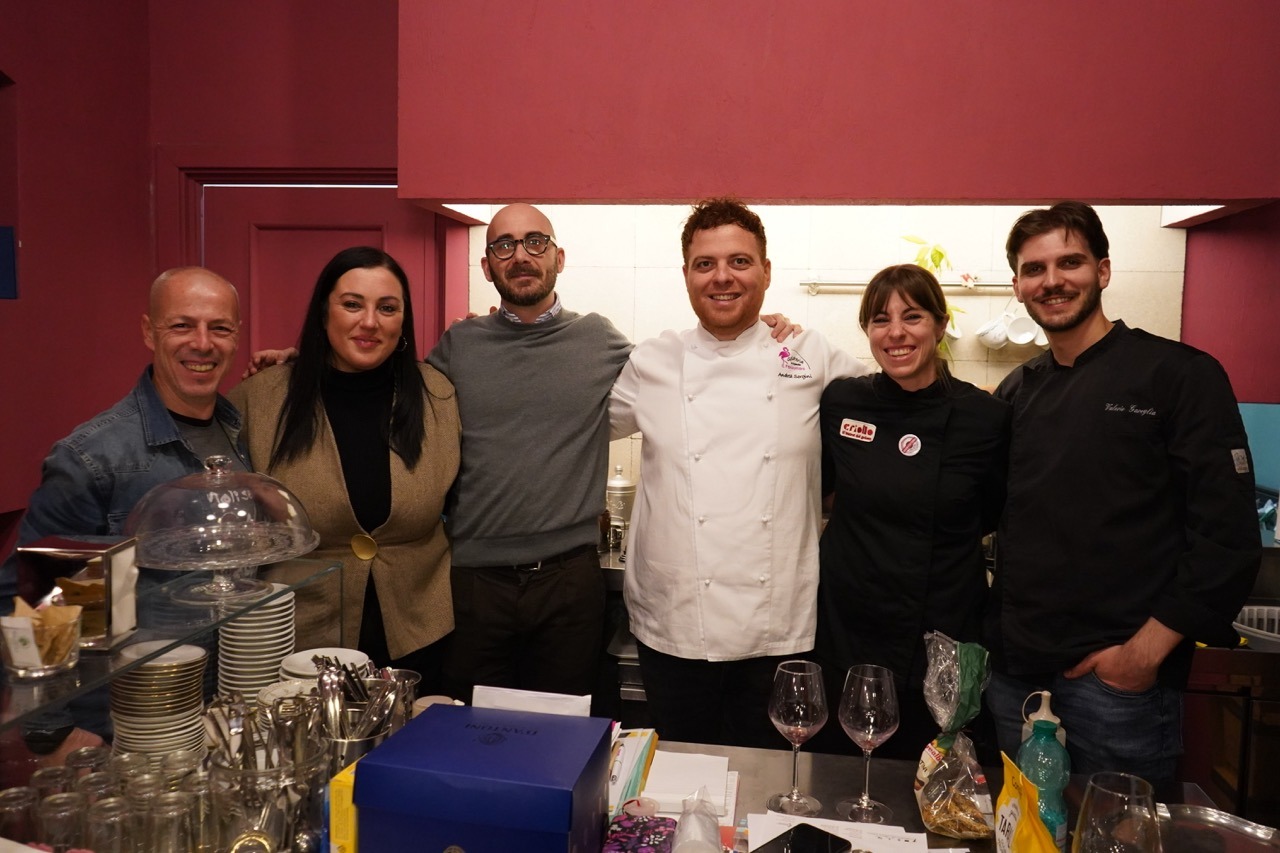
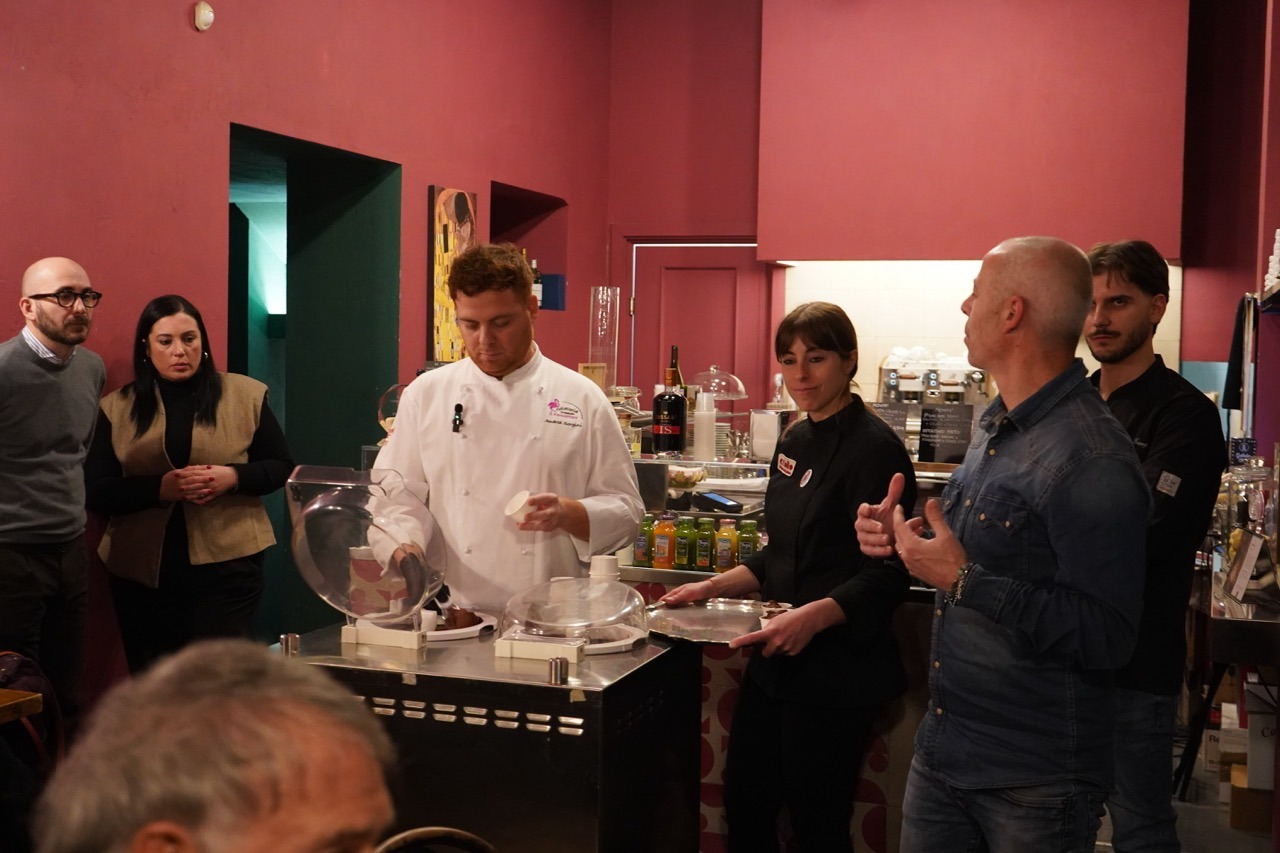
The gelato served at this shop goes beyond the world of sweets. It becomes a small form of gastronomy where ingredients, aromas, temperature, alcohol, and culture come together.
If you are looking for gelato in Rome, it is worth making the trip to the Marconi district.
Standing in front of the counter at Criollo, you may discover a completely new story about gelato.
Simona Papagno
Owner and gelato artisan of Criollo – Il Bistrot del Gelato.
She studied at one of Italy’s most respected gelato schools and has received many recognitions, including participation in the world-renowned Sherbeth Festival, selection among the Top 50 Gelato Artisans in the World, and finalist status in the Italian finals of the Gelato Festival.
She is also active in promoting gelato culture through events, workshops, and charity initiatives, contributing to both the local community and the gelato industry. Her gelato expresses gastronomy through careful ingredient selection and creative combinations. While respecting tradition, she continues to explore new ideas and offers gelato that can also meet different dietary needs, including vegan, gluten-free, and ketogenic styles.
Criollo
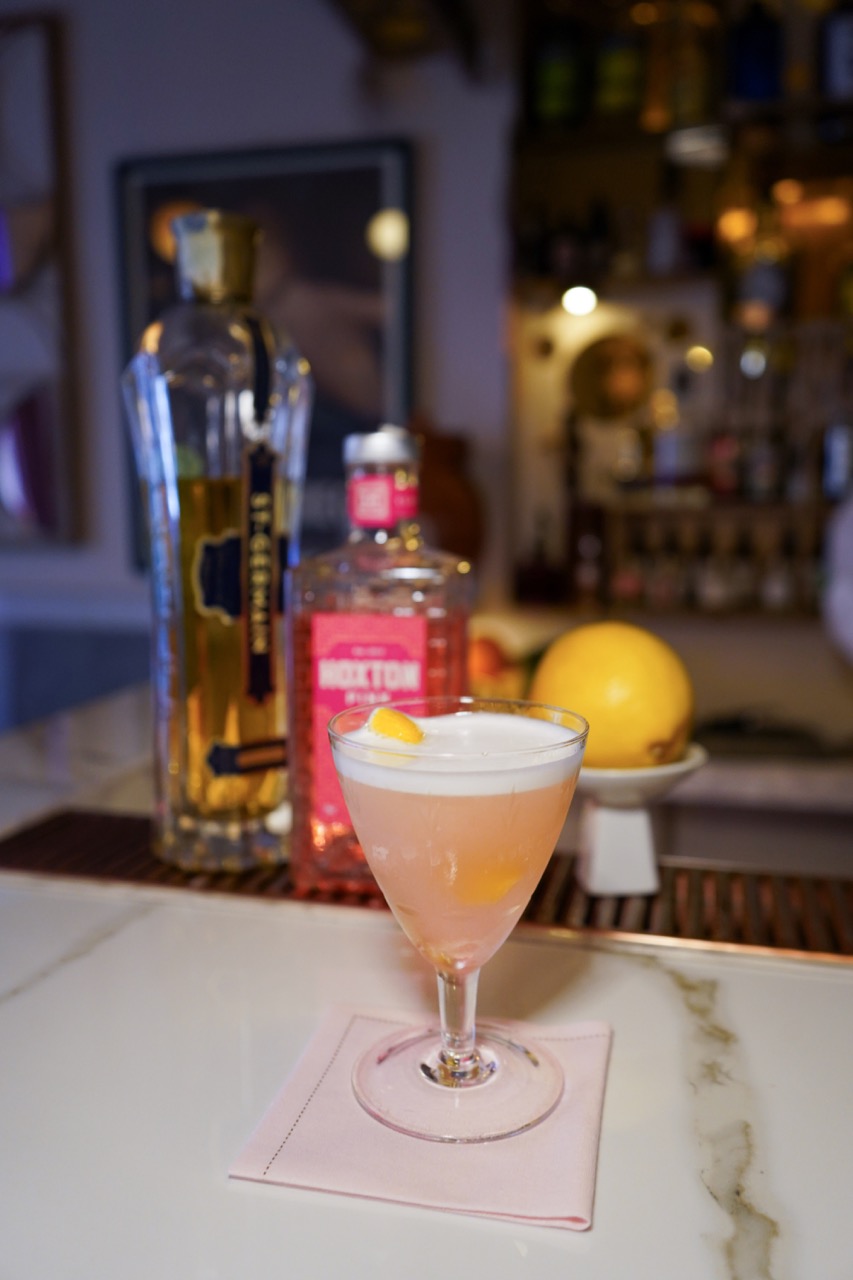
A unique gelateria offering classic vegan and gluten-free flavors as well as gourmet and ketogenic options. Criollo is known for presenting gelato as a form of gastronomy, and one of its special features is the possibility to enjoy gelato paired with wine or cocktails.
Criollo – Il Bistrot del Gelato



square.jpg)