ORO BISTROT: Back to the Bar

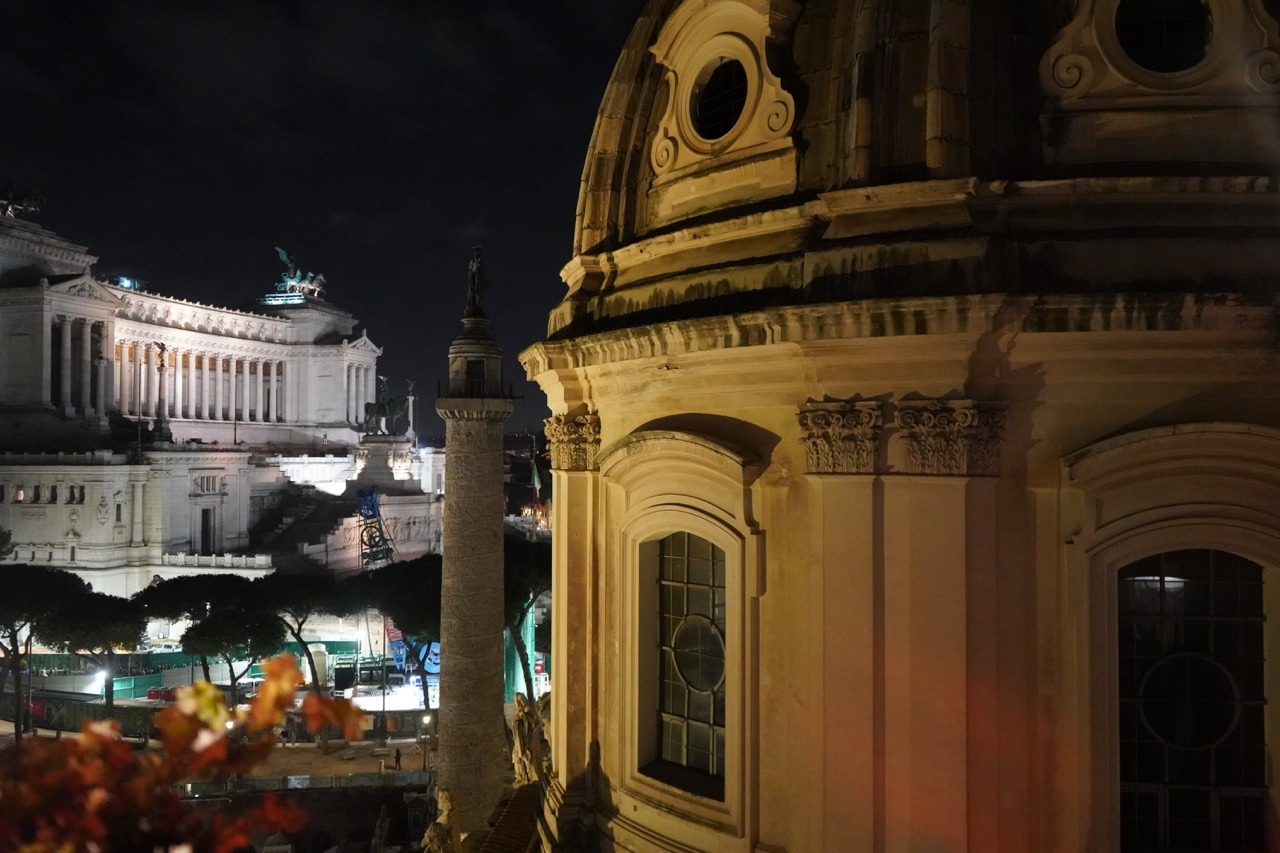
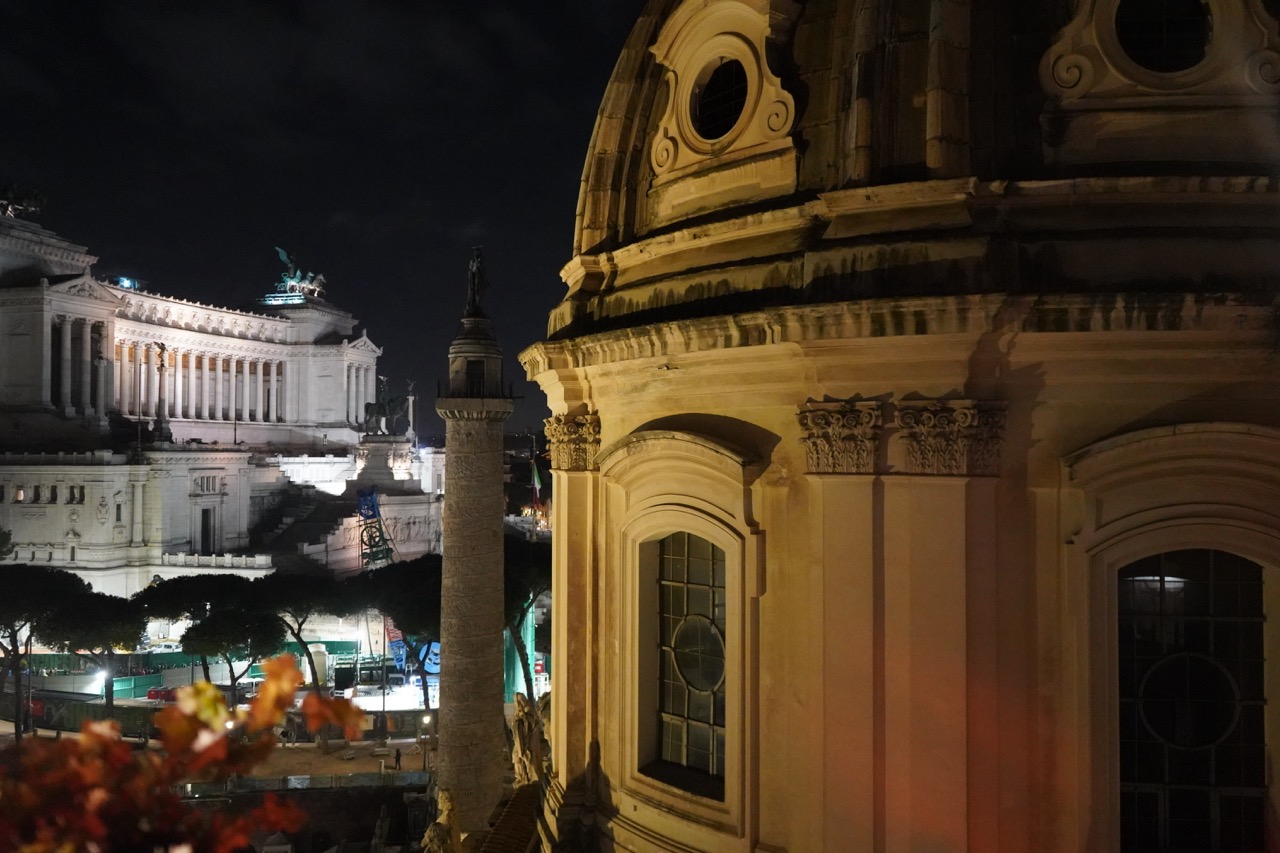
A terrace overlooking the ruins of ancient Rome. From here, you can see the Imperial Forums, once the political and power center of the Roman Empire. Looking further up, the massive white marble monument Altare della Patria (Vittorio Emanuele II Monument) rises proudly above the city.
With this spectacular view in front of you, the rooftop restaurant and cocktail bar Oro Bistrot offers a cocktail experience that almost feels like traveling through time.
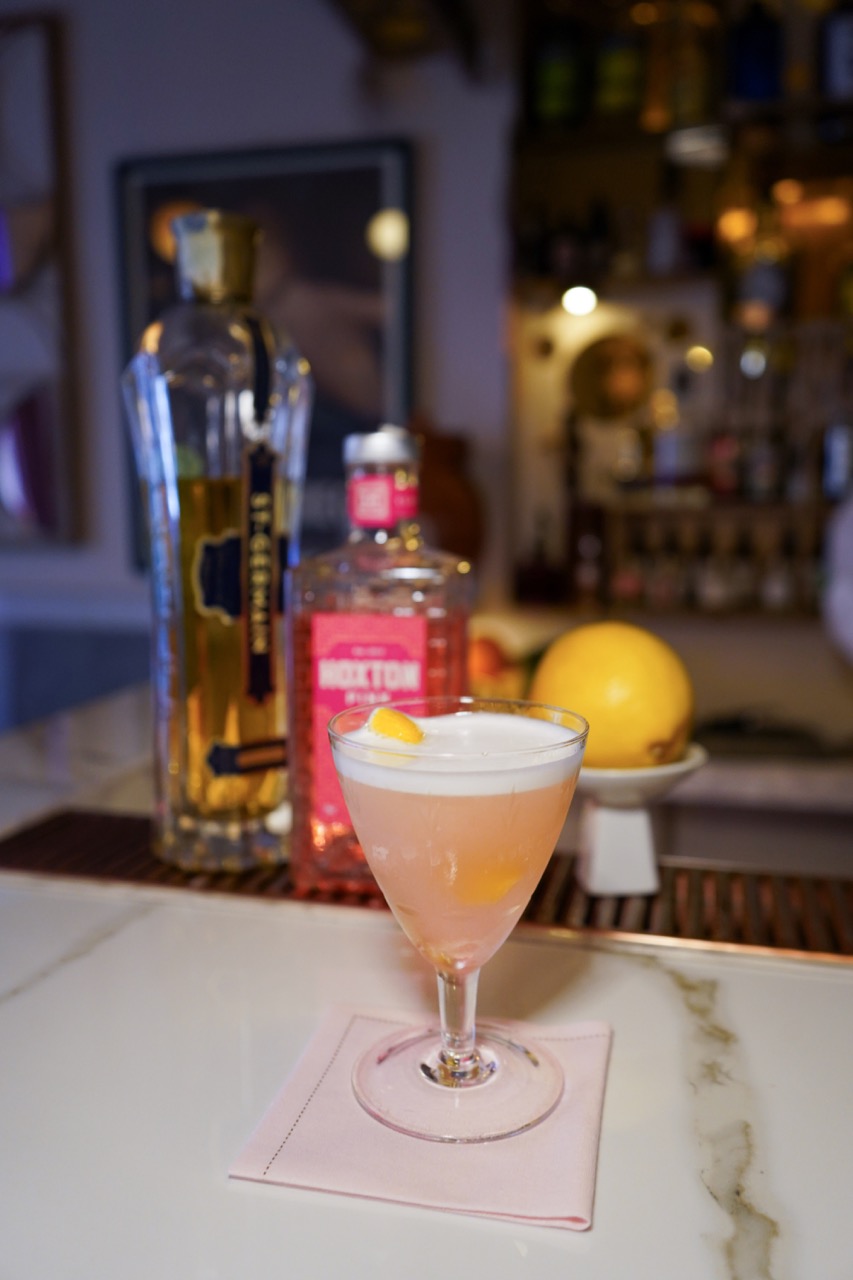
Classic Cocktails Reimagined for Today
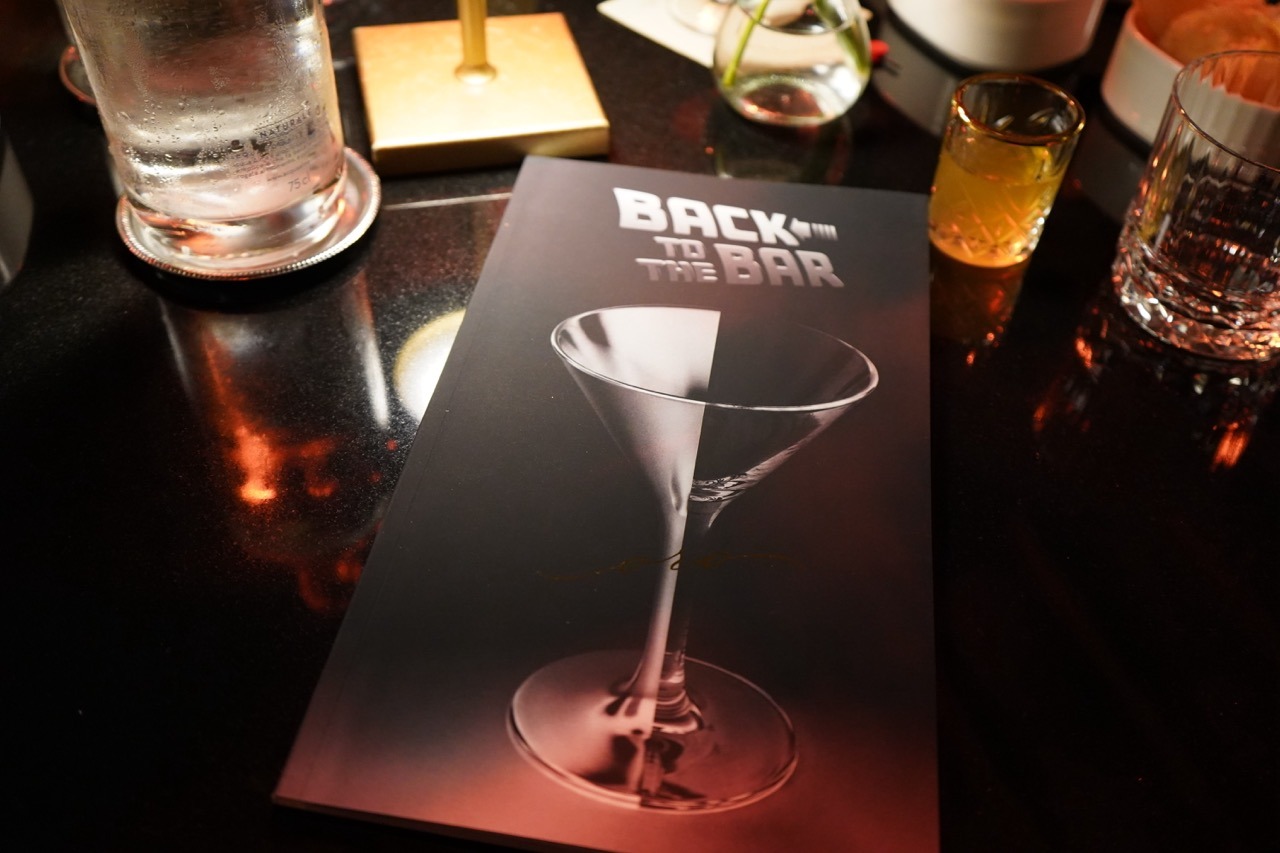
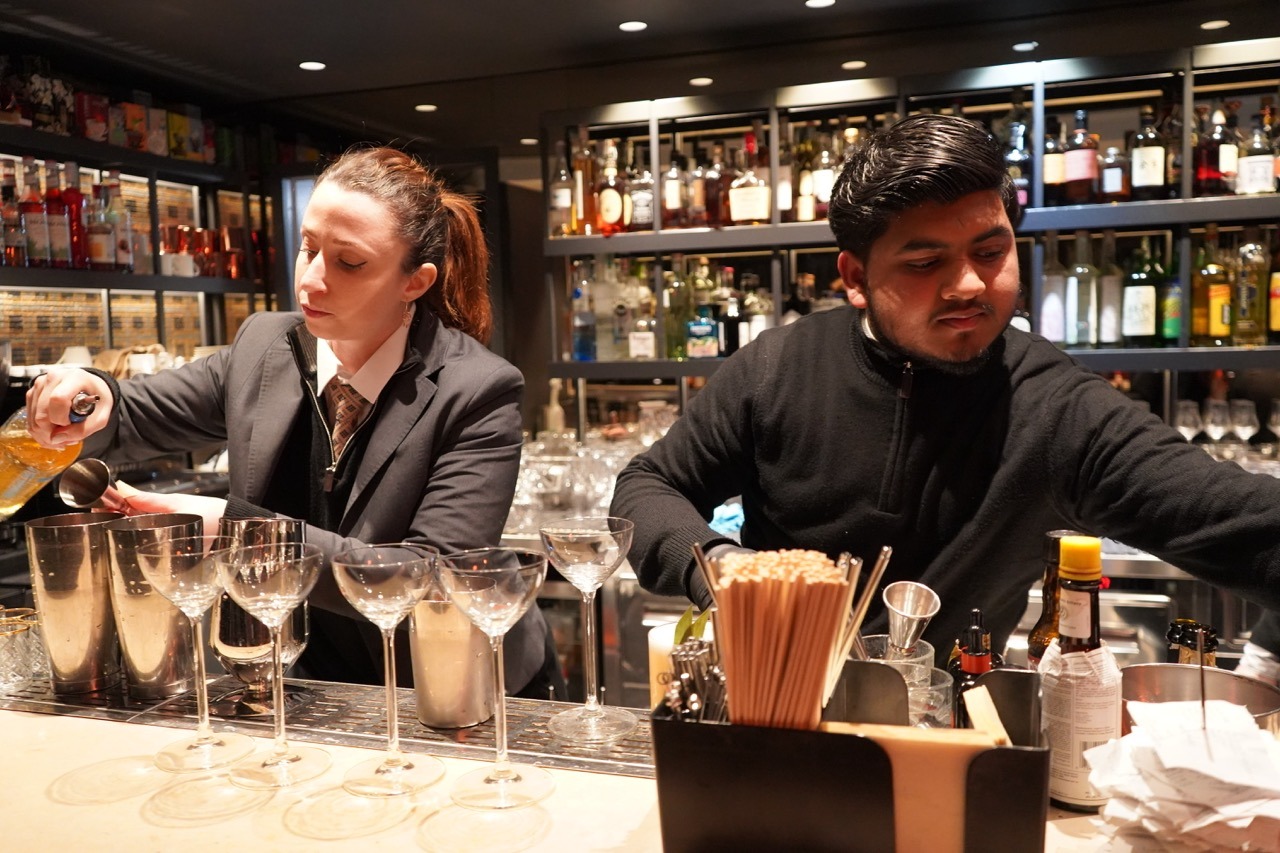
The cocktail program at Oro Bistrot is led by Bar Manager Daniele Zandri. His new drink list, titled “Back to the Bar,” was created from a clear idea: going back to the essence of cocktails.
The menu focuses on classic cocktails that were created between 1880 and 1950, many of which have been forgotten over time. Zandri first studied the original historical recipes and recreated them exactly as they were, to understand their authentic taste.
After that, he analyzed the structure of the flavors and rebuilt the drinks using modern techniques to create a new interpretation.
Many of these historic recipes were originally strong after-dinner drinks, which were considered balanced at the time. To fit modern drinking styles, the alcohol level has sometimes been slightly adjusted to create cocktails that feel smoother and easier to enjoy today.
The techniques used include infusion to extract aromas from ingredients, clarification to create a clean and transparent flavor, and new ways of presenting texture in the drink. Carefully selected spirits and ingredients are used, and no artificial coloring is added. Flavor, aroma, and visual presentation are all carefully designed.
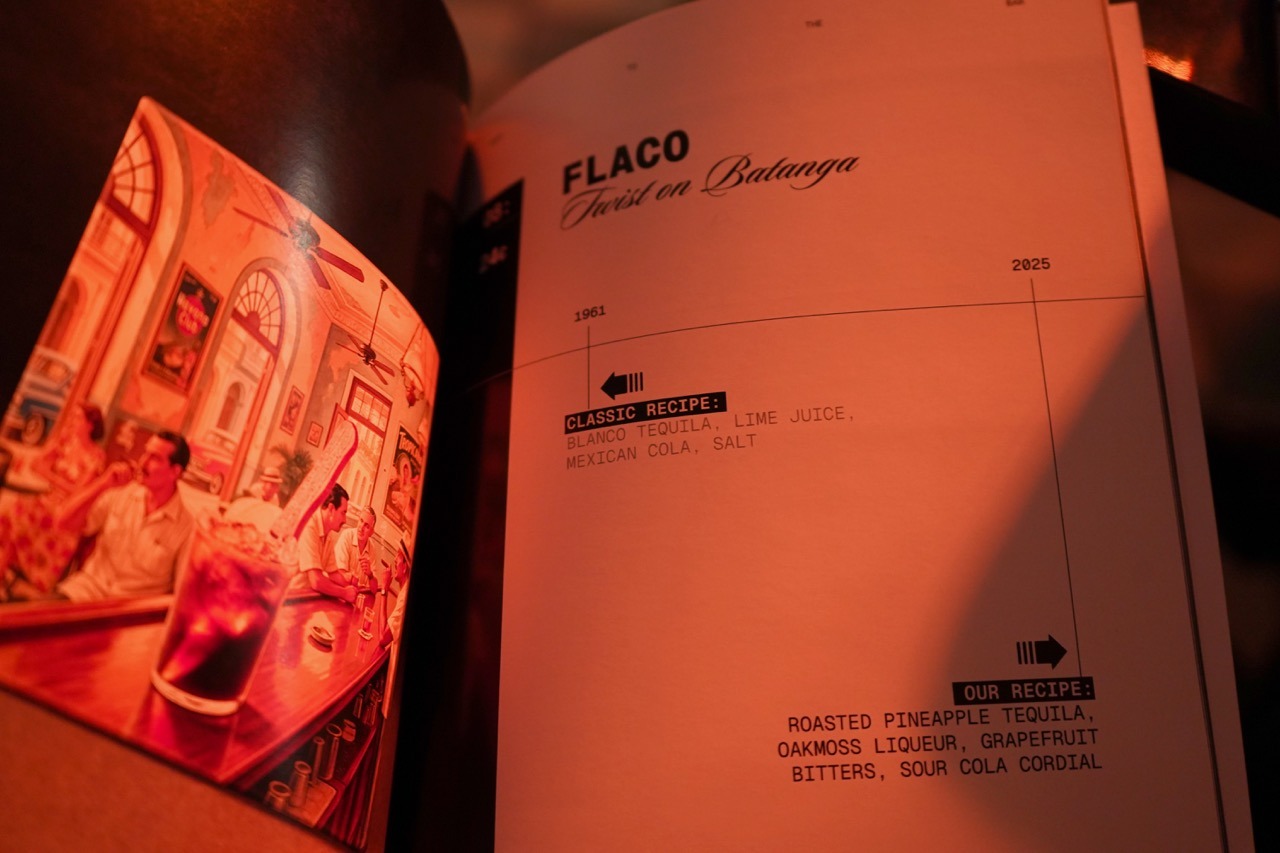
The menu itself is also thoughtfully created. Guests can see the original classic ingredients, read the story behind the drink, and then experience the modern interpretation side by side.
Each cocktail tells a story. In the name, presentation, and concept of every drink, you can quietly find references to the culture and history of the era when the cocktail was first created.
Alongside the new interpretations, the original classic cocktails are also available to order.
Tasting the classic and the modern version side by side offers a deeper appreciation of their differences and character.

MOONLIGHT
A modern interpretation of the Aviation
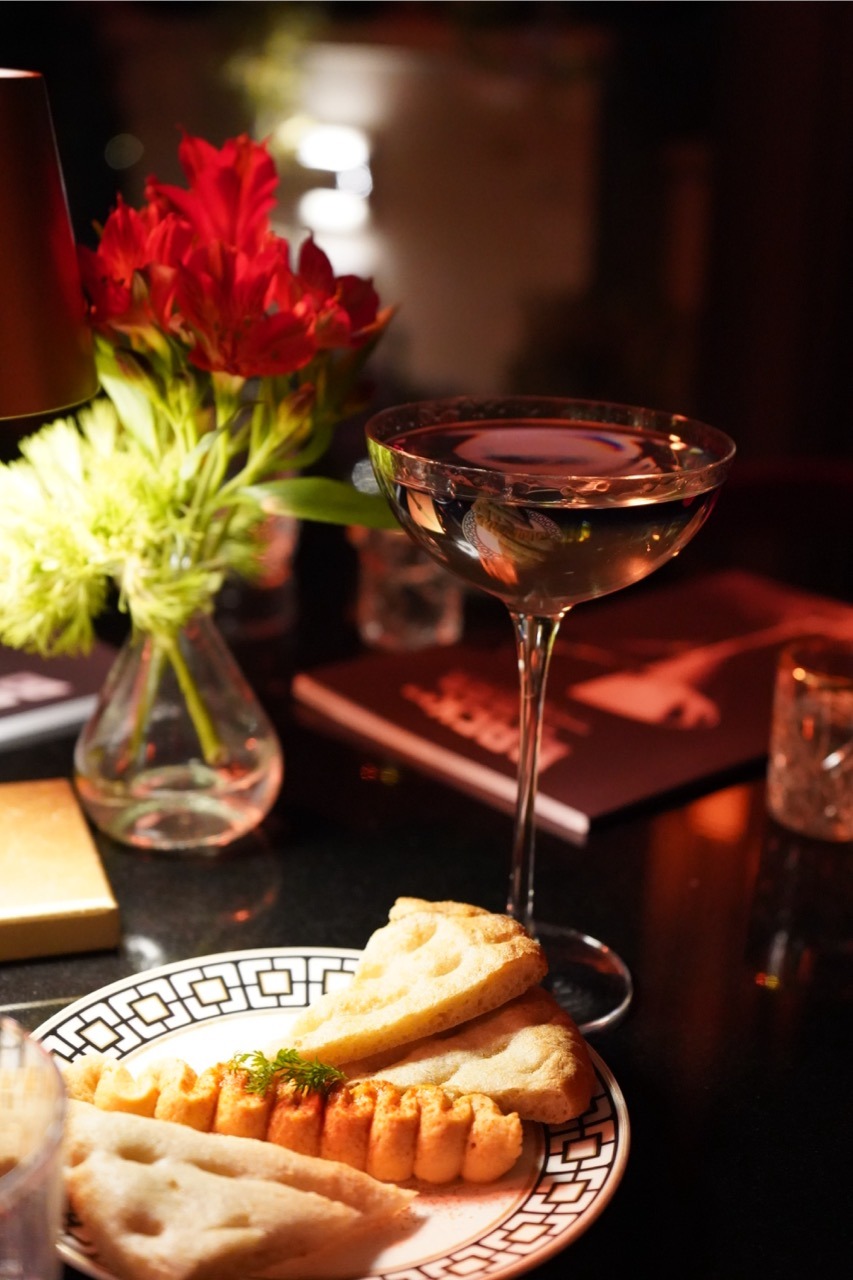
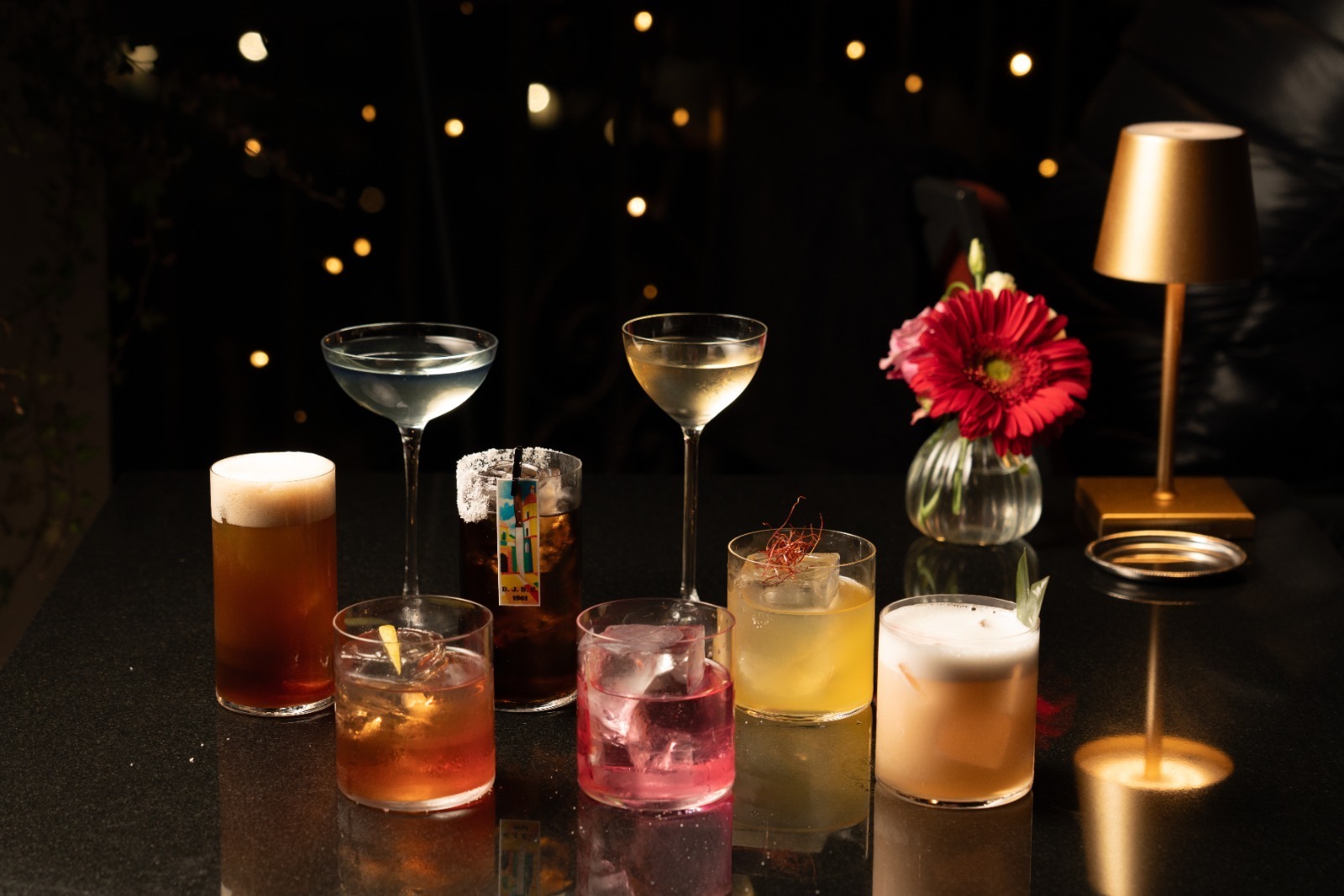
One of the most visually beautiful cocktails on the Oro Bistrot menu is MOONLIGHT, a modern interpretation of the classic cocktail Aviation.
Aviation is a historic cocktail from the 1910s, made with gin, lemon, maraschino, and violet liqueur. As its name suggests, it was inspired by the sky and was known for its light blue-violet color and fresh floral aroma.
The cocktail became widely known in 1916, when bartender Hugo Ensslin, who worked at the Warwick Hotel in New York, published his cocktail book Recipes for Mixed Drinks. The Aviation recipe appeared in the book and soon spread throughout the cocktail world.
However, during Prohibition, violet liqueur became difficult to obtain. In the 1930 Savoy Cocktail Book, the recipe appeared without it, and for many years the cocktail was made without its original color.
Everything changed in 2007, when the liqueur producer Rothman & Winter revived crème de violette. Bartenders rediscovered the original recipe, and Aviation returned to the spotlight as a classic cocktail.
At Oro Bistrot, this historic drink is reborn as MOONLIGHT.
The base is navy strength gin, which has a powerful aroma. It is combined with Chardonnay, aloe, rose, elderflower, and violet, creating delicate floral aromas with gentle acidity.
On the palate, the fresh scent of gin appears first. Then a light white-wine character and soft floral sweetness spread across the mouth, creating a very elegant flavor.
But the beauty of this cocktail is not only in its taste.
When MOONLIGHT is served in the glass, the color changes depending on how you look at it. From above, it looks completely clear, almost like a martini. From the side, however, a soft violet layer appears inside the glass.
It shines quietly, like moonlight, an elegant and delicate cocktail.
TENSHI NO KAO
Angel Face expressed with Japanese sensibility
Another memorable cocktail on the menu is TENSHI NO KAO (Face of an Angel).
This drink is based on the classic cocktail Angel Face.
Angel Face appeared in 1930 in Harry Craddock’s famous cocktail book The Savoy Cocktail Book. It is made with only three ingredients: gin, apricot brandy, and Calvados. Despite its simplicity, the cocktail has remarkable depth, combining botanical freshness with fruity sweetness.
Oro Bistrot’s TENSHI NO KAO reinterprets this classic with a Japanese sensibility.
The name itself reflects this idea, “Tenshi” means angel in Japanese, and “Kao” means face.
The recipe includes Sake, Cipango, Amaro from Goya, Granny Smith Apple, apricot, peach, and Supasawa. The addition of sake creates a gentle umami richness that blends beautifully with the fruit flavors.
The first sip reveals a soft aroma. Then the smooth umami of sake slowly spreads across the palate, adding depth to the flavor. The cocktail is fruity and silky, with a balanced combination of sweetness, acidity, and umami.
Angel Face is a cocktail that is rarely reinterpreted, but TENSHI NO KAO shows both respect for the original and a fresh new creative idea.
STINGLESS
A gentle reinterpretation of the classic Stinger
One cocktail on the menu with a slightly playful name is STINGLESS, based on the classic cocktail Stinger.
The Stinger appeared in the 1913 cocktail book Cocktail Manual and is made with a simple combination of cognac and crème de menthe.
The word stinger means something that “stings.” In the film High Society, Bing Crosby explains the cocktail to Grace Kelly with the line,
“This is a cocktail called the Stinger. It takes the sting away.”
During the 1920s, the drink became widely known thanks to the American millionaire Reginald Vanderbilt, and it became popular in New York high society. It was known as a short, strong after-dinner cocktail.
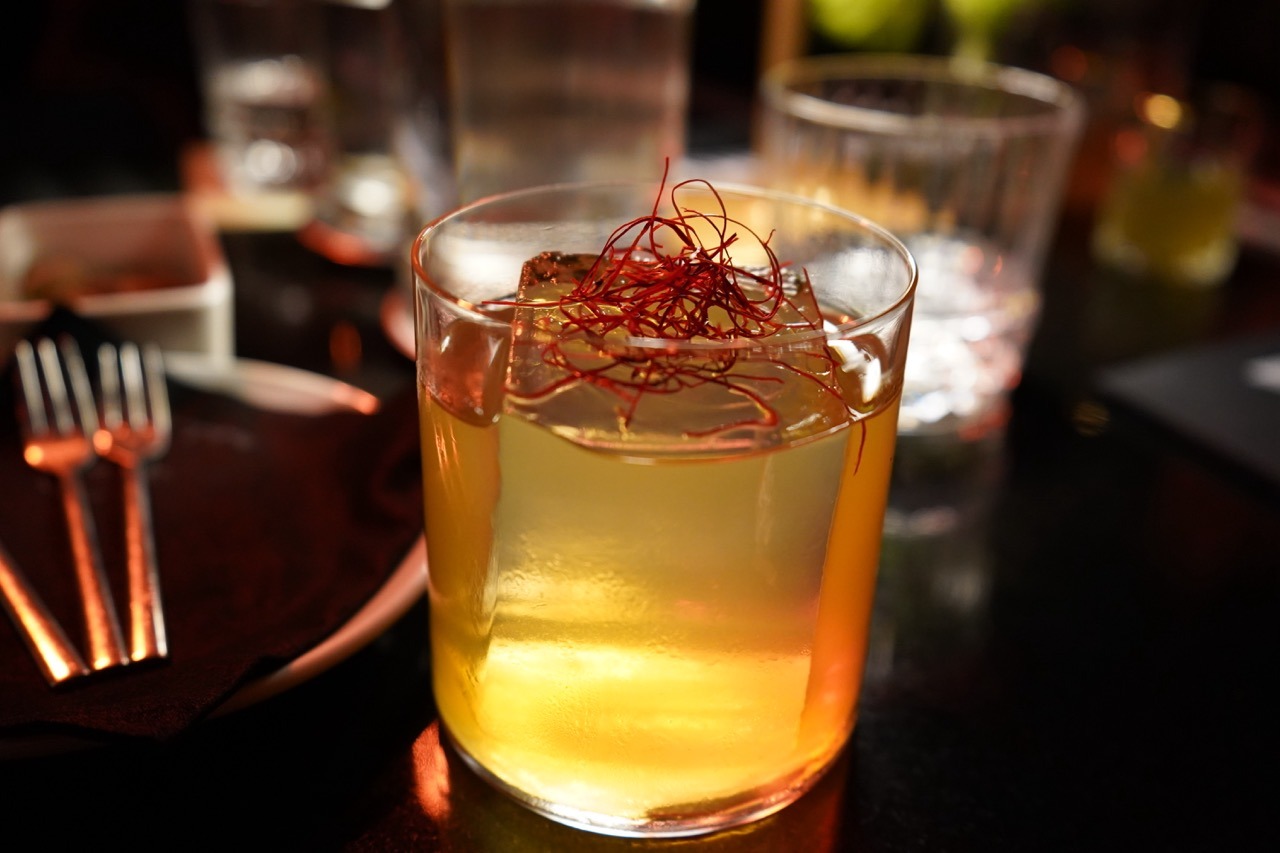
Oro Bistrot’s STINGLESS offers a softer and more modern interpretation, just as the name suggests, a version without the sting.
The recipe uses white cognac, mint, tarragon, blueberry, and Timur pepper. The refreshing aroma of mint combines with the herbal notes of tarragon, while blueberry adds gentle sweetness.
As you bring the glass closer, the fresh mint aroma appears first. On the palate, soft blueberry sweetness spreads with fruity notes, followed by a light hint of spice.
While the classic Stinger is known for its strength, STINGLESS is smooth and gentle, fresh, slightly sweet, and elegant.
SMOKING
A smoky interpretation of the classic Tuxedo
One of the most striking cocktails on the menu is SMOKING, based on the classic cocktail Tuxedo.
The Tuxedo is a historic cocktail from around 1900, made with gin, dry vermouth, maraschino, orange bitters, and absinthe. It is considered a very elegant gin cocktail and is sometimes described as one of the early roots of the Dry Martini.
There are several theories about its origin. Some say it was introduced by bartender Harry Johnson in the 1880s, while others believe it was created at the Tuxedo Club near New York. The exact origin remains unclear.
True to its name, the cocktail has always carried a refined and sophisticated image.
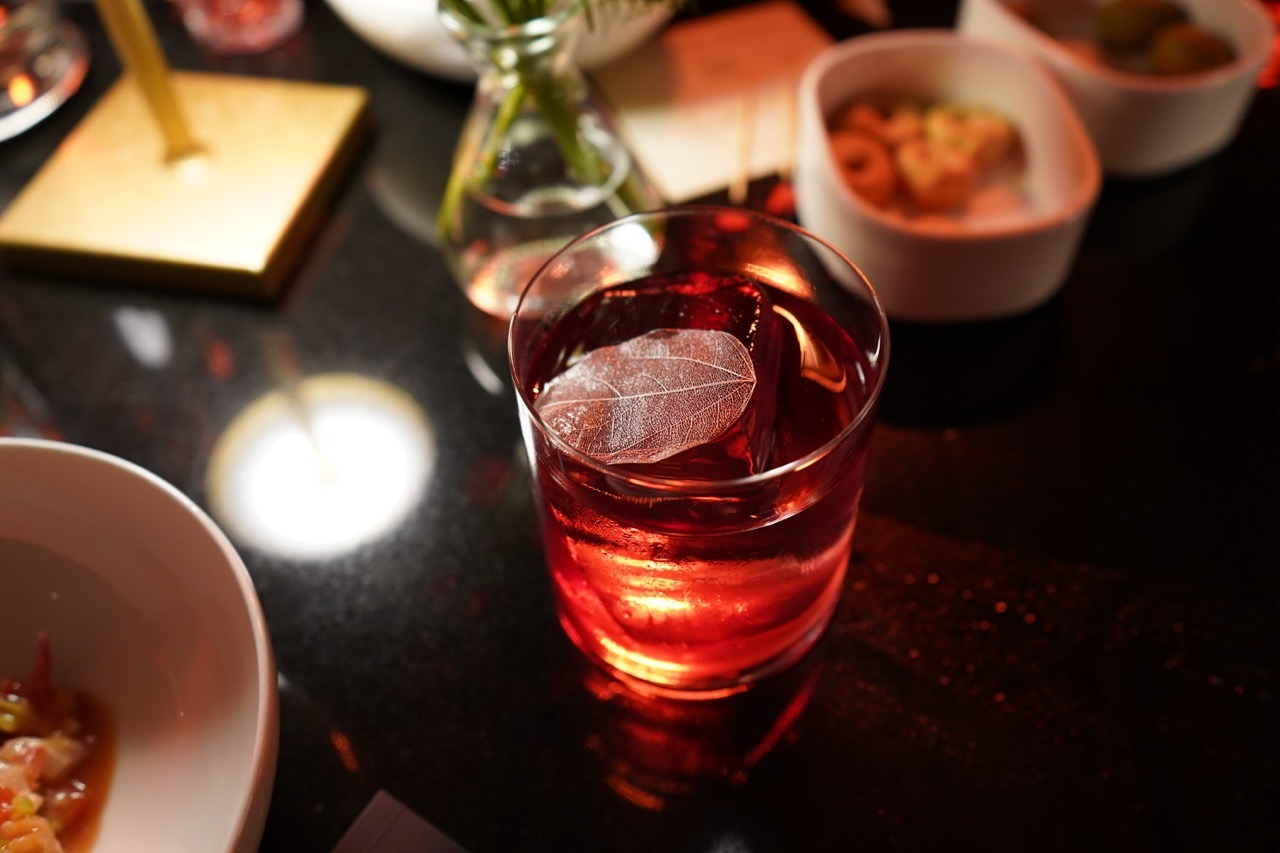
Oro Bistrot’s SMOKING is a bold reinterpretation of this classic.
It uses Old Tom Gin and dry vermouth from Chambéry, combined with tobacco aroma, rue (an aromatic herb), and bitters, creating a complex aromatic profile.
After the cocktail is poured into the glass, smoke is added and trapped inside, giving the drink its signature aroma.
The first impression is a soft smoky scent. On the palate, the flavor is dry and sharp, with a lingering smoky finish.
It is a calm and sophisticated cocktail with a classic elegance.
FLACO
An elegant interpretation of the Mexican classic Batanga
FLACO is based on the Mexican classic cocktail Batanga. Batanga was created in the 1960s and is made with tequila, lime juice, Mexican cola, and salt. It is similar to a Cuba Libre, but uses tequila instead of rum, and it became very popular in Mexico.
The drink was made famous by Mexican bartender Don Javier Delgado Corona.
In the 1950s, he opened the bar La Capilla, where he served Batangas in his own unique way. His method was bold: he poured tequila into a short, thick glass and then stirred the drink using the knife that had just been used to cut the lime.
This rough and playful preparation style became part of the cocktail’s charm.
Oro Bistrot’s FLACO presents this classic in a more refined form.
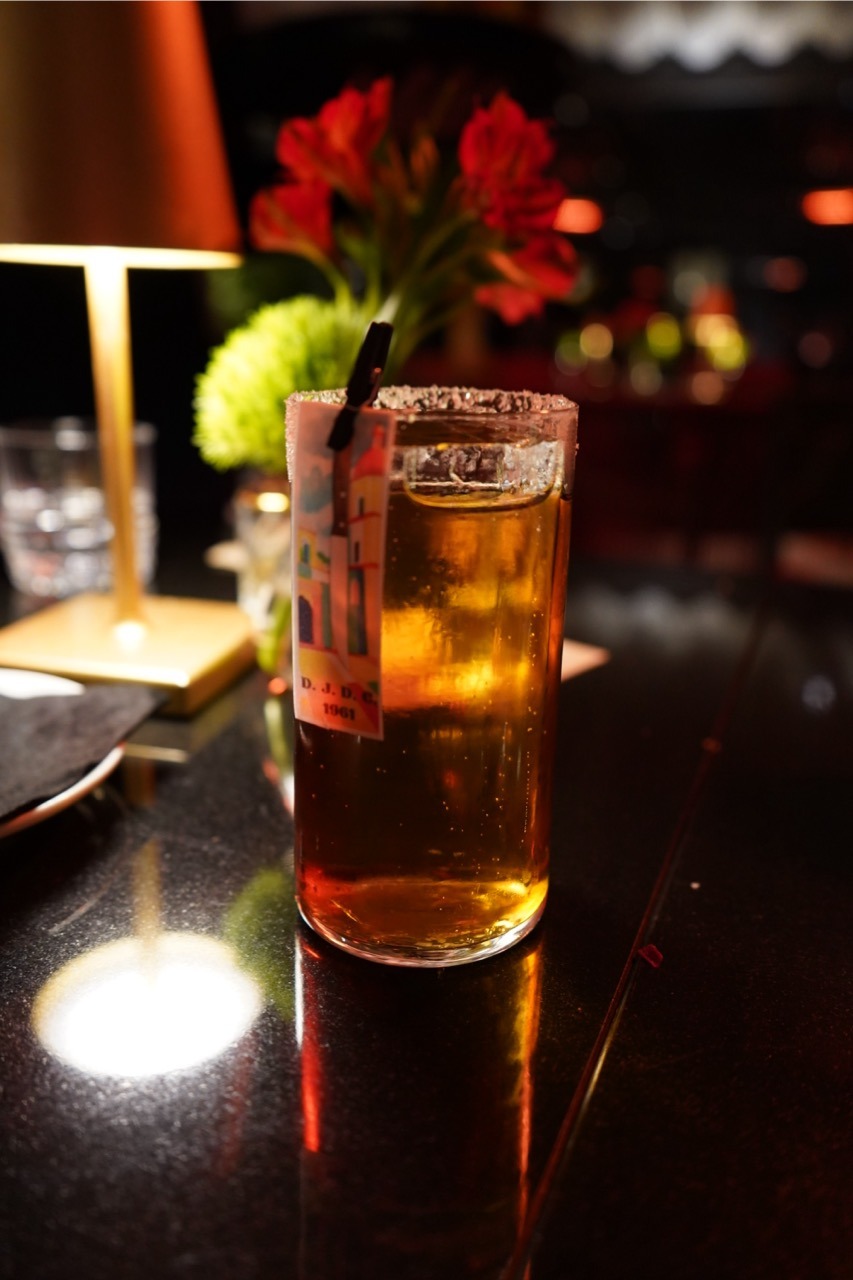
The recipe includes roasted pineapple tequila, oakmoss liqueur, grapefruit bitters, and sour cola cordial. The sweet roasted pineapple aroma blends with the gentle bitterness of grapefruit, creating a fresh and clean flavor.
There is also a subtle homemade cola nuance that feels both nostalgic and new.
While the original Batanga is strong and wild, FLACO is smoother and easier to drink, while still highlighting the character of tequila.
The glass is decorated with an edible garnish that recalls the Mexican bartender who made the cocktail famous, a small tribute to Mexico’s bar culture.
CARRÉ ÉTRANGÈRE
A modern interpretation of the New Orleans classic Vieux Carré
CARRÉ ÉTRANGÈRE is inspired by the famous New Orleans cocktail Vieux Carré.
The Vieux Carré was created in 1938 at the Carousel Bar in Hotel Monteleone, by bartender Walter Bergeron.
The name means “Old Square” in French, referring to the historic French Quarter of New Orleans.
The cocktail is known for combining rye whiskey and cognac. This mix of an American spirit and a French spirit is often seen as a reflection of the city itself, where French and American cultures meet.
New Orleans is famous as the birthplace of jazz, and it also plays an important role in cocktail history. The drink uses Peychaud’s Bitters, the same bitters used in the famous Sazerac.
Oro Bistrot’s CARRÉ ÉTRANGÈRE offers a modern interpretation.
The recipe includes white whiskey, bourbon, Dubonnet, damson plum, thyme, cherry bitters, and Spanish bitters.
When the glass approaches, the rich aroma of whiskey appears first. Then the fruity sweetness of plum and the fresh scent of thyme follow.
On the palate, the depth of whiskey combines with fruit sweetness and gentle bitterness from the bitters, creating a very balanced cocktail.
It has strong depth but still keeps the classic spirit of the original drink while feeling modern.
BREWERY N.1
A beer-inspired reinterpretation of the classic Tipperary
One of the most unique cocktails on the menu is BREWERY N.1, inspired by the classic Tipperary.
Tipperary was created in the early 20th century and appeared in 1916 in Hugo Ensslin’s cocktail book Recipes for Mixed Drinks. The name is believed to come from the popular song “It’s a Long, Long Way to Tipperary.”
The classic recipe combines Irish whiskey, green Chartreuse, and sweet vermouth, creating a distinctive cocktail with rich whiskey character and herbal complexity.
For many years it remained relatively unknown, but famous bars such as The Dead Rabbit in New York helped bring it back into the spotlight.
BREWERY N.1 presents this cocktail in a new way.
The base is Irish whiskey infused with IPA, combined with stout beer, bitter vermouth, and cardamom.
The roasted aroma of whiskey blends with the gentle bitterness and malt character of beer, while cardamom adds a subtle spice.
The first sip reveals the soft bitterness of beer, followed by the richness of whiskey and the sweetness of vermouth.
Because beer is used, the drink feels slightly lighter and easier to drink than the original Tipperary. It also serves as a tribute to Ireland’s beer culture.
Small Plates to Enjoy with the Cocktails
The charm of Oro Bistrot is not only its cocktails.
The high level of the cuisine is another major attraction.
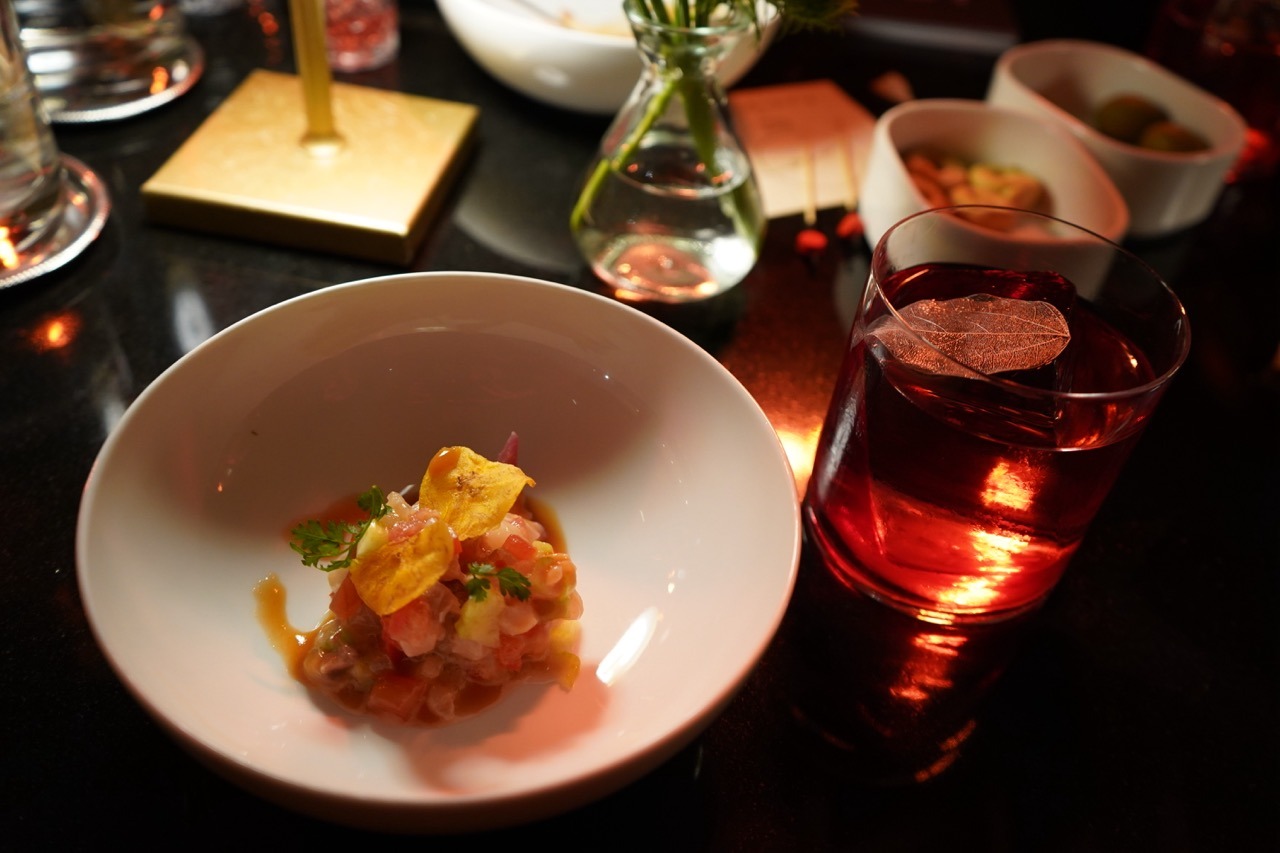
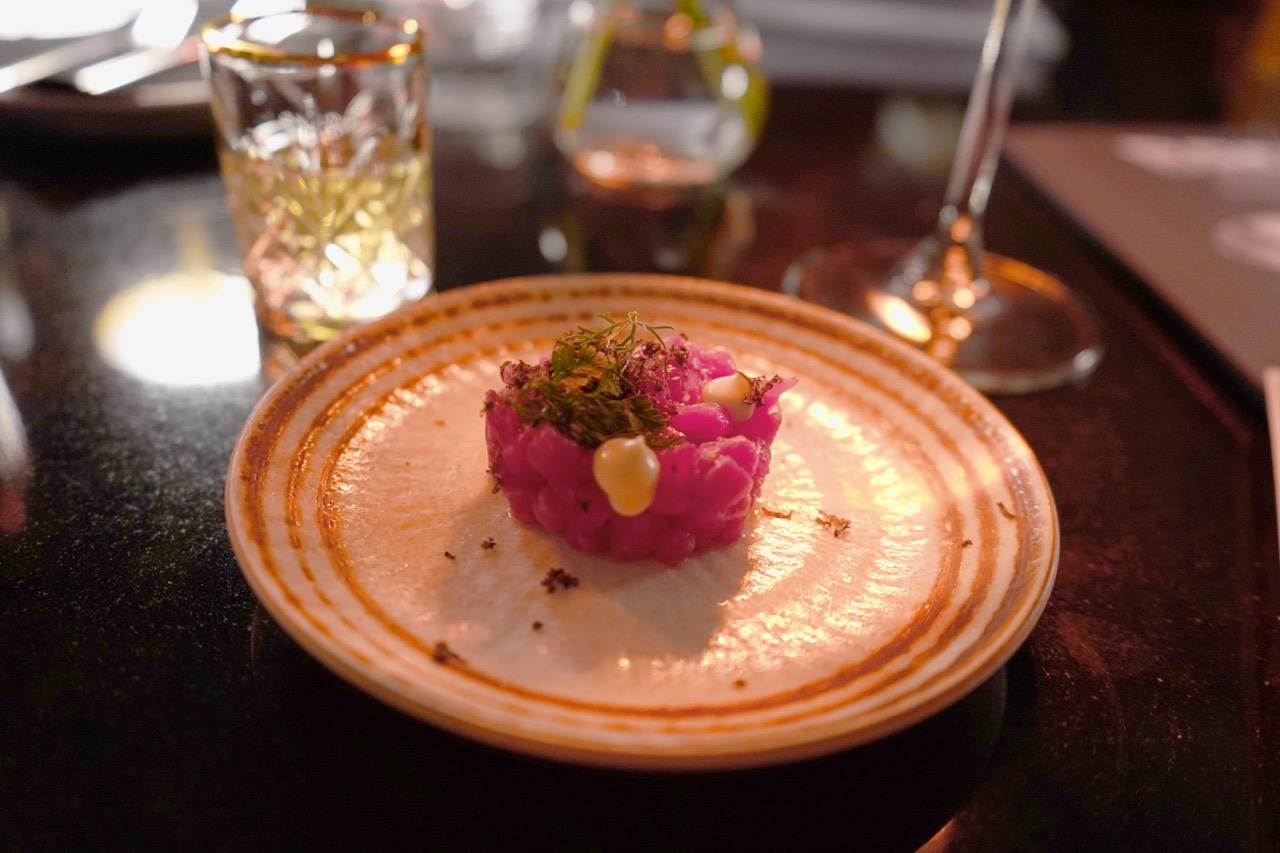
Dishes such as sea bass ceviche (Ceviche di spigola) with fresh acidity and rich seafood flavor, or beef tartare with mustard and black truffle (Tartare di manzo, senape e tartufo nero) highlight the natural qualities of the ingredients.
What makes the experience especially interesting is that the pairing between cocktails and food is carefully considered.
Savory cocktails made with herbs and spices match beautifully with the dishes, and enjoying them together expands the flavor experience.
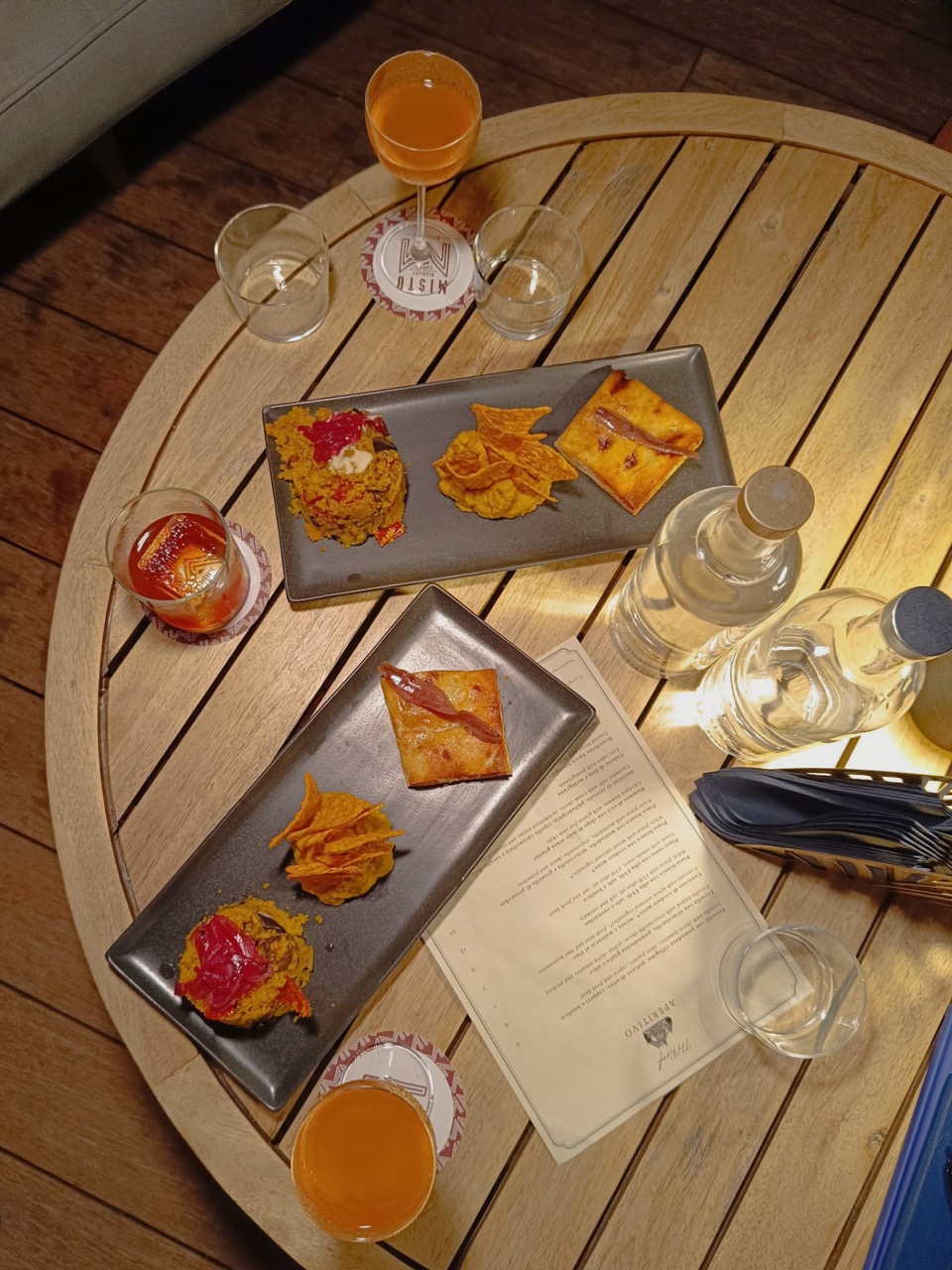
During aperitivo time, the bar also offers special drink-pairing menus and seasonal gourmet tapas. Even for a casual drink, guests can enjoy a thoughtful and satisfying food experience.
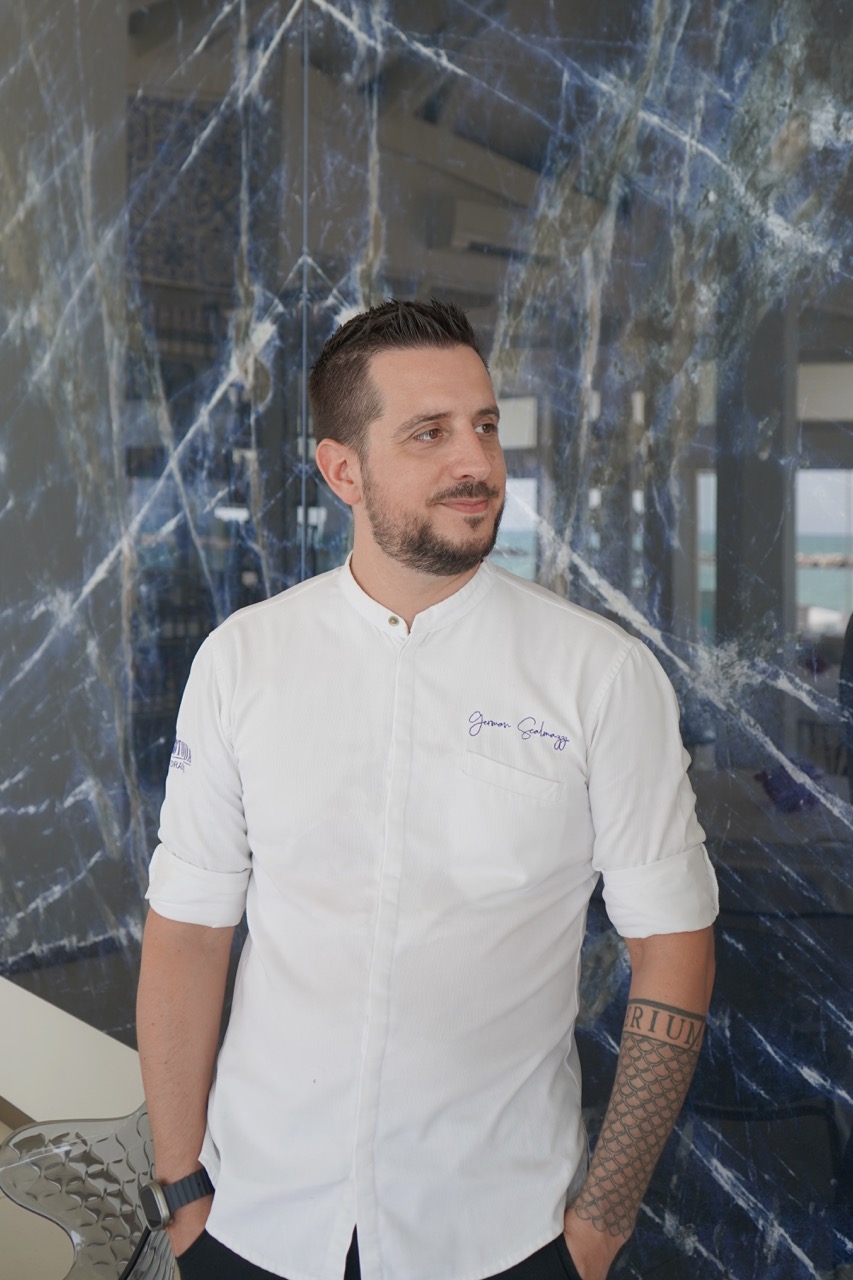
The kitchen is led by Executive Chef and Owner Natale Giunta, a well-known figure in the Italian culinary world. Supporting the daily work in the kitchen is Resident Chef Kerim Montinaro.
Their cuisine is based on traditional Italian cooking, but presented with a modern touch, creating a dining experience that matches the creativity of the cocktails.
On a terrace overlooking the history of Rome, guests can enjoy food, cocktails, and breathtaking views.
Oro Bistrot is a place that makes a night in Rome truly special.
Oro Bistrot




square.jpg)