Osare Roma: Daring Cuisine
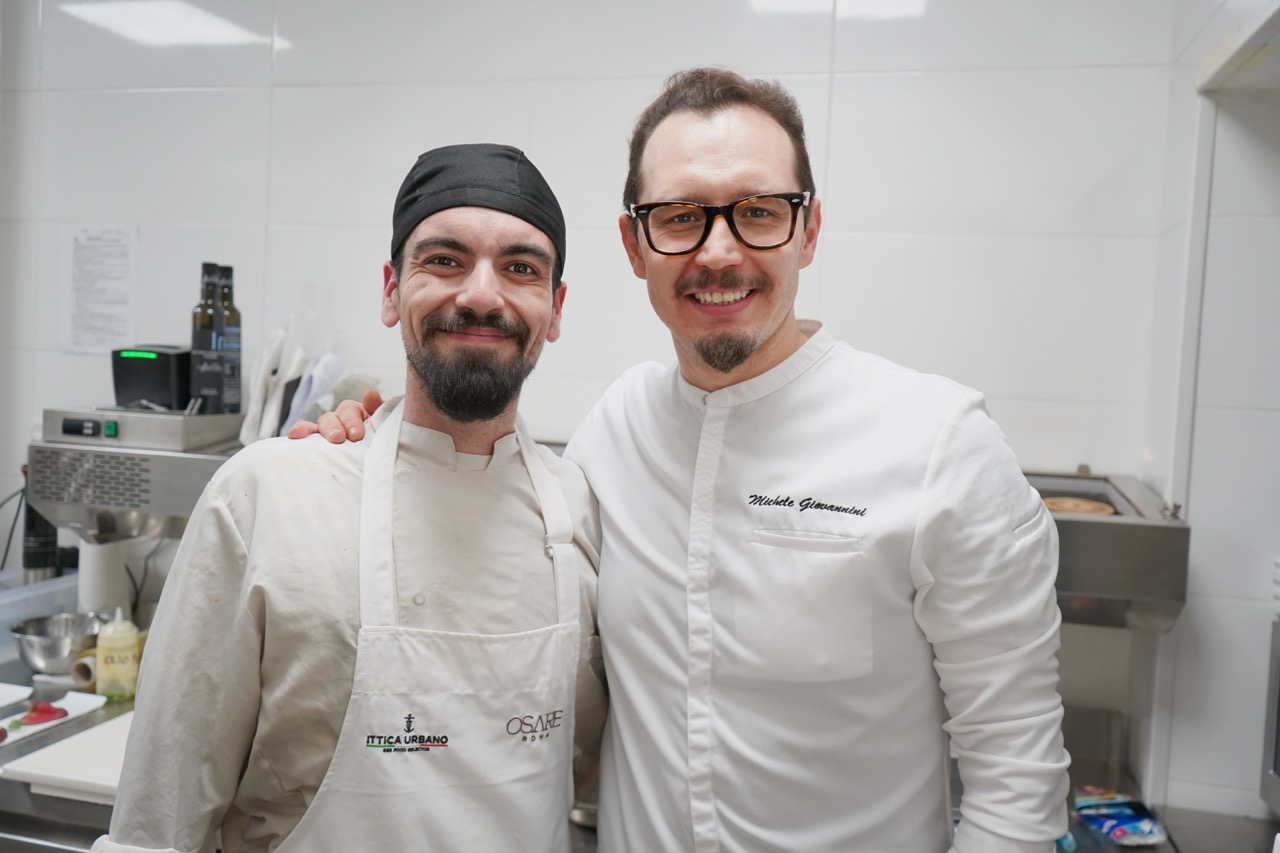
Located slightly northeast of central Rome, the Porta Pia district is a quiet residential area lined with elegant apartment buildings.
At the same time, in recent years it has become a place where new restaurants are opening one after another, attracting the attention of food lovers.
In one corner of this neighborhood stands a restaurant that is gaining attention for its cuisine, serious and refined, yet bold at the same time. Its name is Osare.
The word “Osare” means “to dare” or “to take a bold step” in Italian.
True to its name, the restaurant was created with the idea of being bold from the very beginning.
It was founded by two young entrepreneurs, Davide and Omar. Coming from different backgrounds, they did not want to create just another restaurant. Instead, their goal was to build a place where new discoveries can happen.
For Davide, this is his second restaurant opening, while for Omar it marks his very first experience as an owner after eleven years in the industry. The spirit of Osare was there from the start, just one month after meeting, they decided to open the restaurant together, quickly realizing how perfectly their visions complemented one another.

This philosophy clearly appears in the food.
The theme of Osare’s cuisine is the bold combination of ingredients from the sea and the land. In traditional Italian cuisine there is usually a clear separation: fish dishes near the coast and meat dishes inland. At Osare, however, that boundary is intentionally removed.
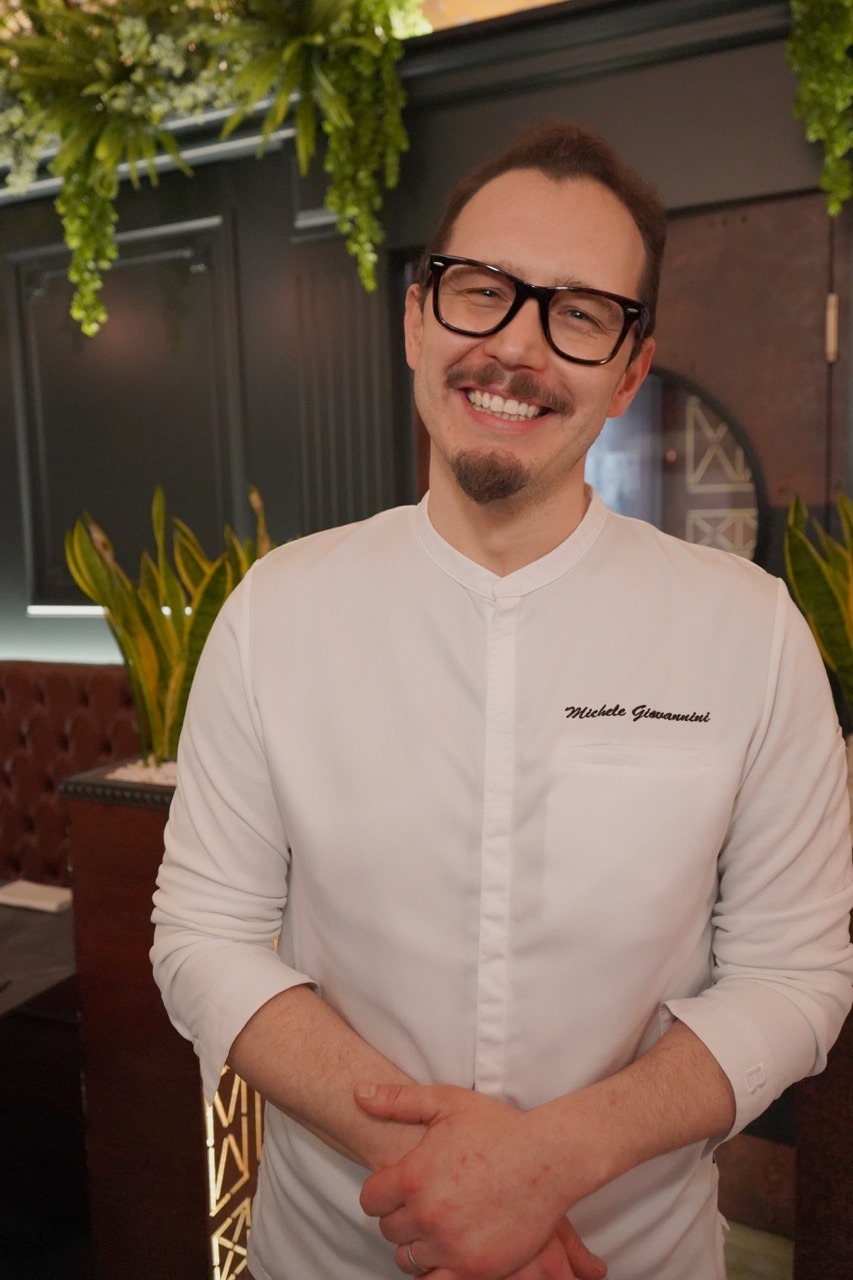
Leading the kitchen is chef Michele Giovannini, a young talent attracting attention in the Roman culinary scene. Having worked in several restaurants and hotels, his cooking is defined by the coexistence of boldness and delicacy. Trained in traditional French cuisine, his recipes demonstrate a mastery of classic stock preparation and culinary techniques, which elevate the flavours of his forward-thinking combinations.
He respects the natural qualities of ingredients but is never afraid to use new techniques or unexpected combinations. In many ways, his approach reflects the spirit of the restaurant’s name, Osare, to dare.
On the menu you will find dishes that at first sound surprising, such as rabbit with langoustine or sweetbreads with red shrimp. Yet when you taste them, the combinations feel incredibly natural. The deep richness of meat and the delicate sweetness of seafood come together to create layered flavors.
There are also dishes built around aromatic and umami-rich elements, such as fermented bergamot gel or a caramelized onion dessert. Because of this creativity, the restaurant can be very inspiring not only for diners but also for chefs and bartenders who are always searching for new ideas.
This free movement between the worlds of sea and land is what defines Osare’s cuisine.
Dining here is not just a meal. It is an experience that offers a glimpse into the evolving possibilities of Roman gastronomy.
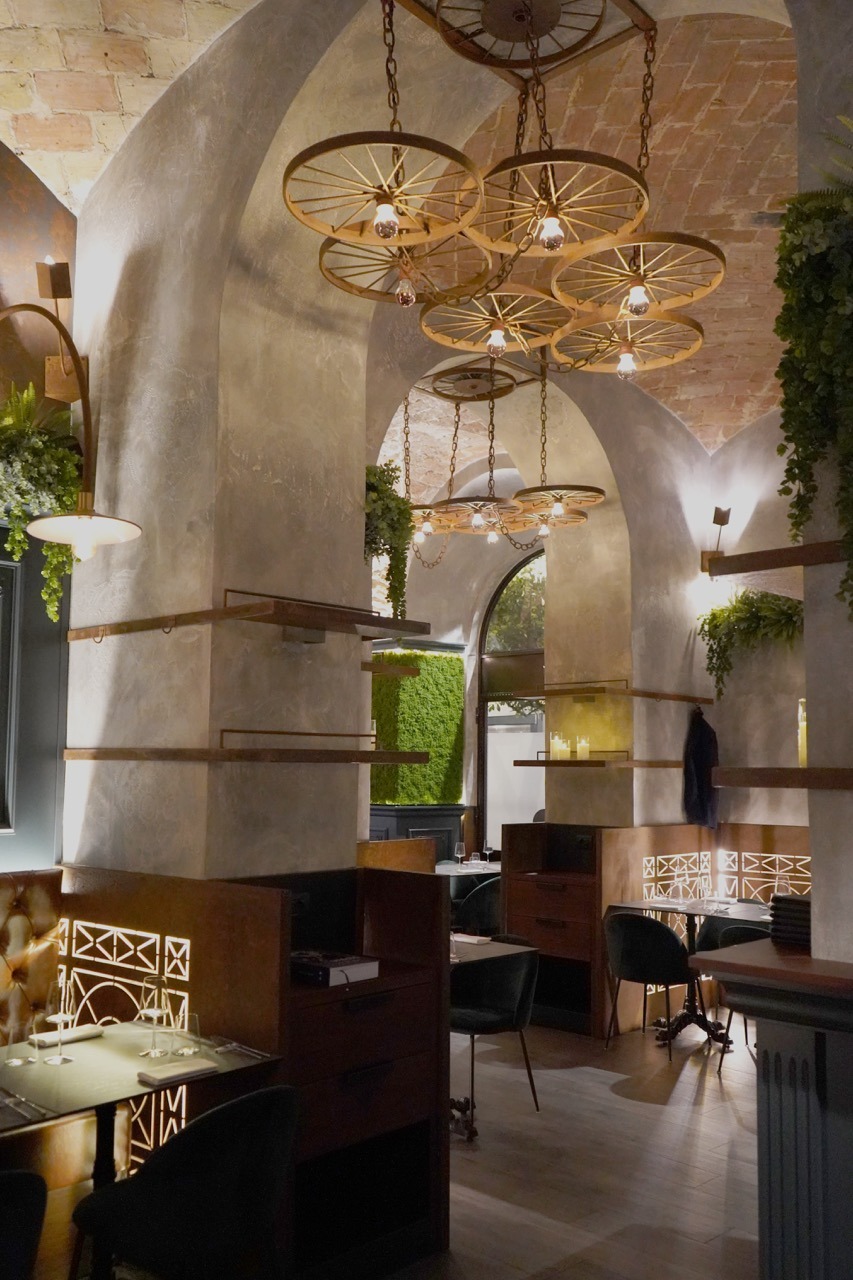
A Seasonal Tasting Menu
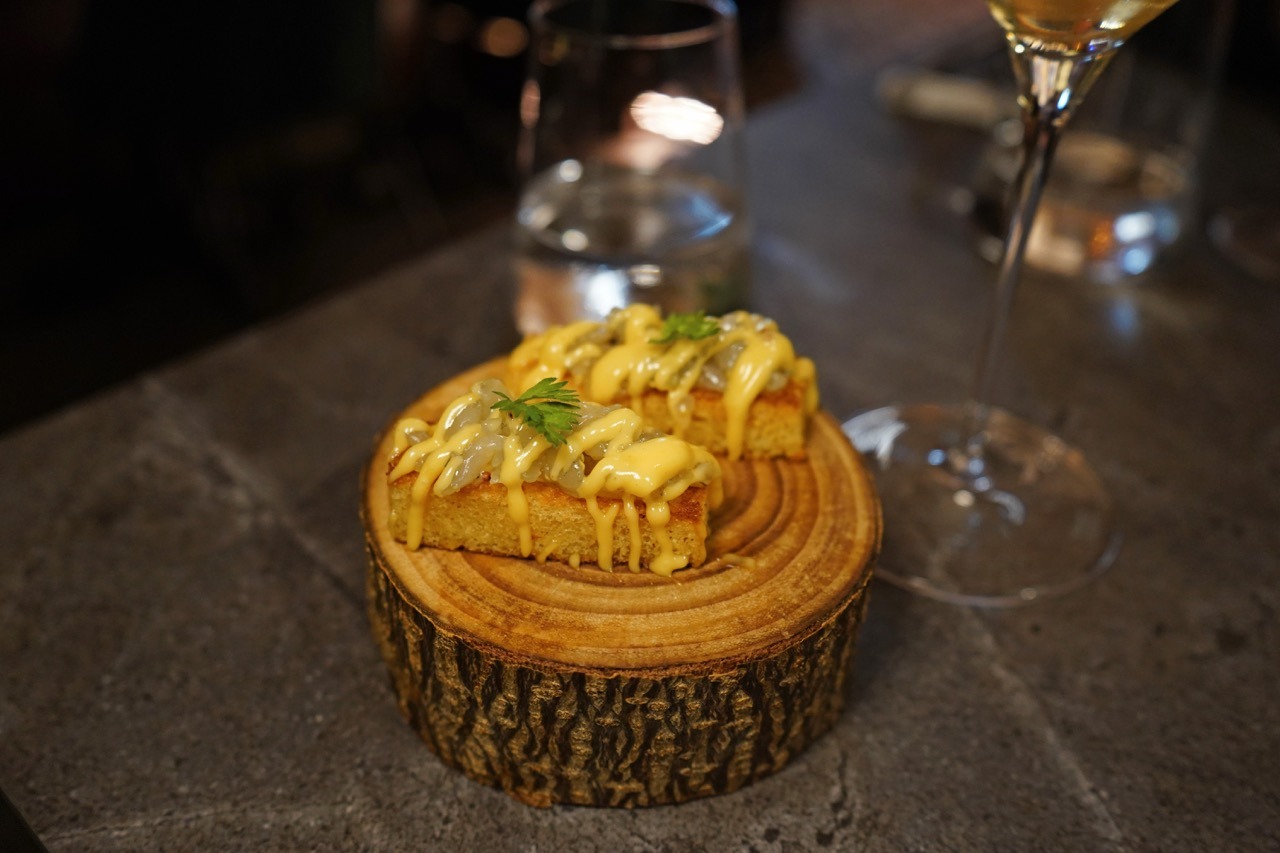
Entrè: Pan brioche with white shrimp(mazzancolle) and ginger mayo
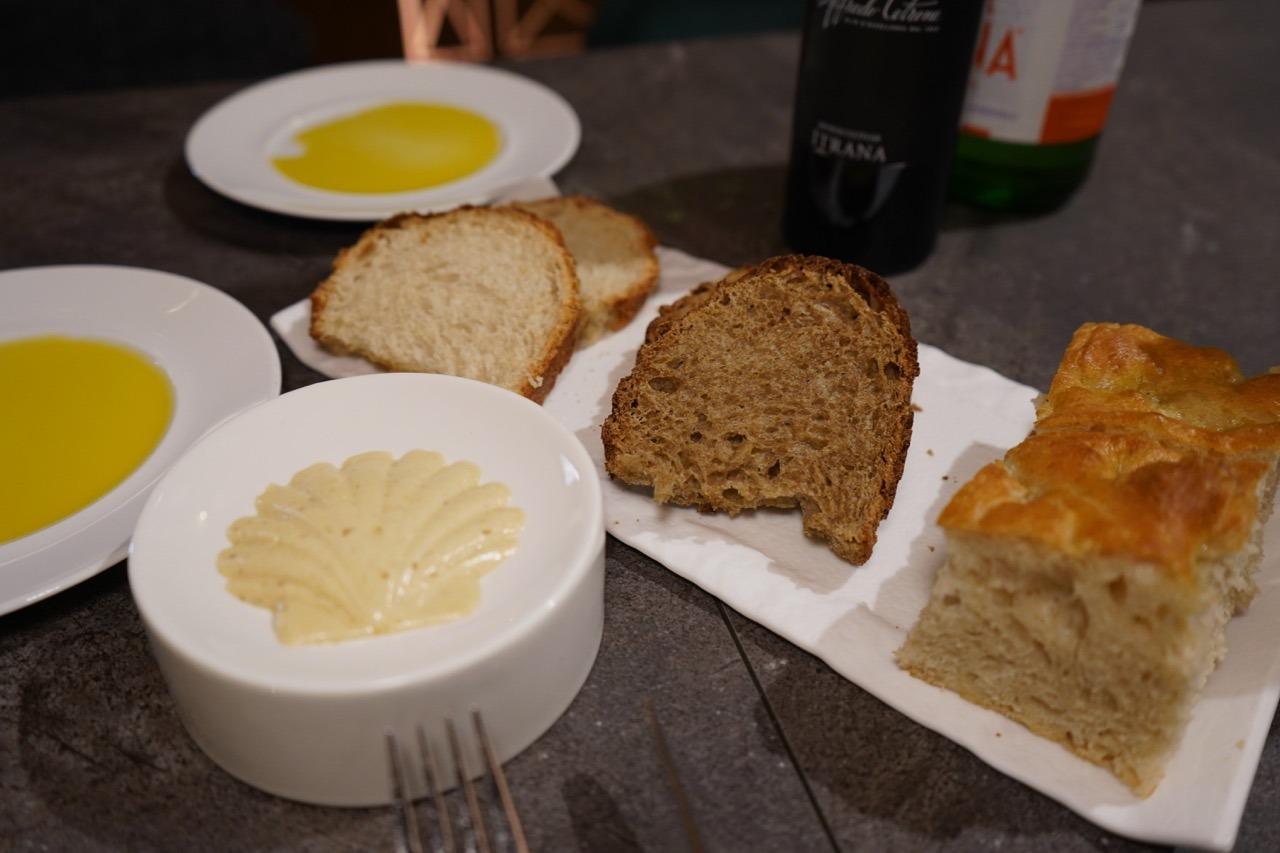
The course begins with three types of house-made bread brought to the table.
The bread is surprisingly delicious from the very first bite. The outside is lightly toasted and aromatic, while the inside is incredibly soft and chewy. The flavor of the bread itself is rich, with the natural sweetness of wheat clearly coming through.
It is served with anchovy butter, full of savory flavor, and fragrant olive oil from Lazio. The saltiness of the butter and the fresh aroma of olive oil enhance the sweetness of the bread. The combination is simple, yet it makes you reach for another piece almost immediately. It is only the beginning of the course, but it already shows the restaurant’s commitment to quality.
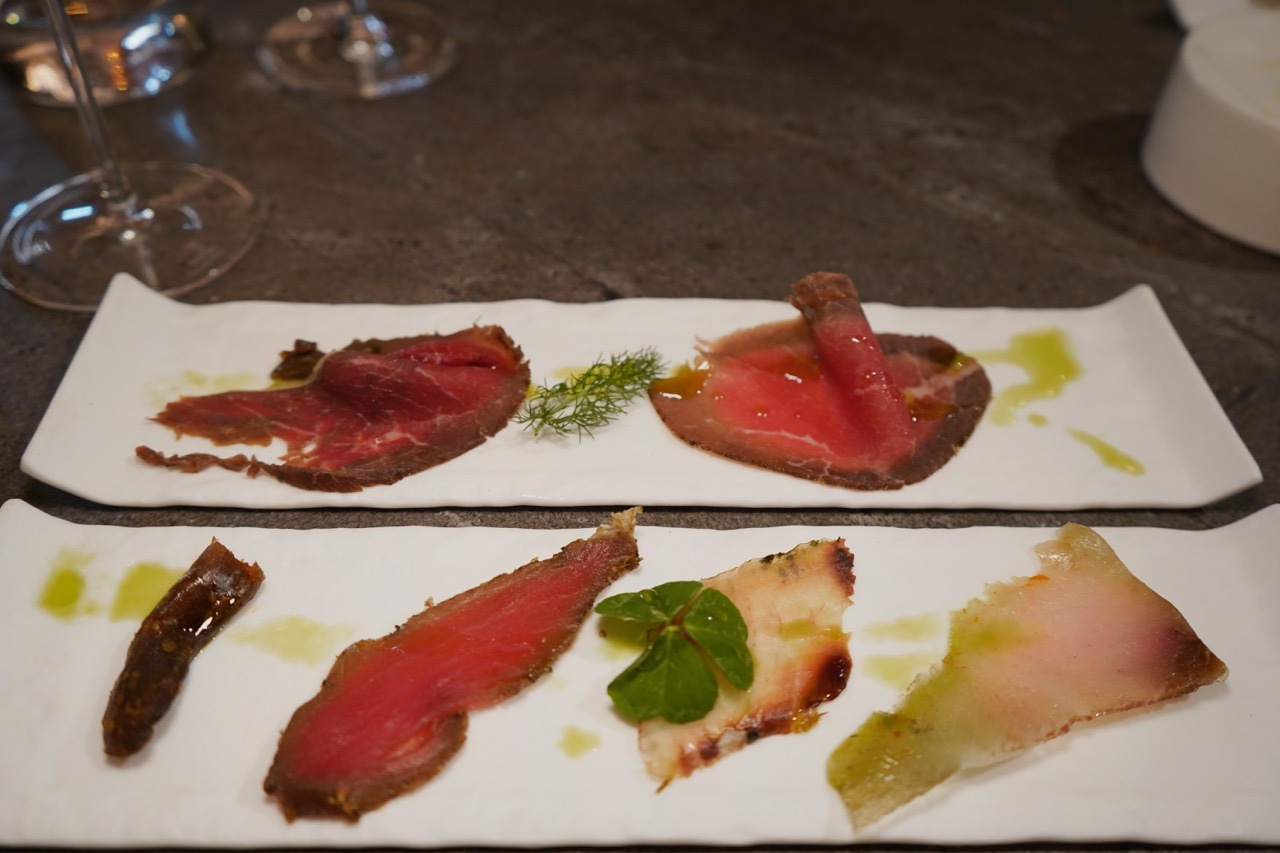
One of the most interesting starters is a plate of house-made seafood salumi.
These include cured fish such as amberjack with citrus and basil, croaker coated with herbs, tuna with six kinds of pepper, and mullet’s coppiette (typical Italian dried meat usually made with horse) with fennel and paprika. The flavors of the fish are concentrated, with a firm texture and complex aromas. Citrus and herbs add a light freshness to the dish.
They are served alongside cuts of beef such as megatello (eye round) and picanha, creating a combination of seafood and meat on the same plate. This “salumi of sea and land” expresses the concept of the restaurant in a simple and clear way. The cured fish salumi in particular is something you should definitely try when visiting Osare.
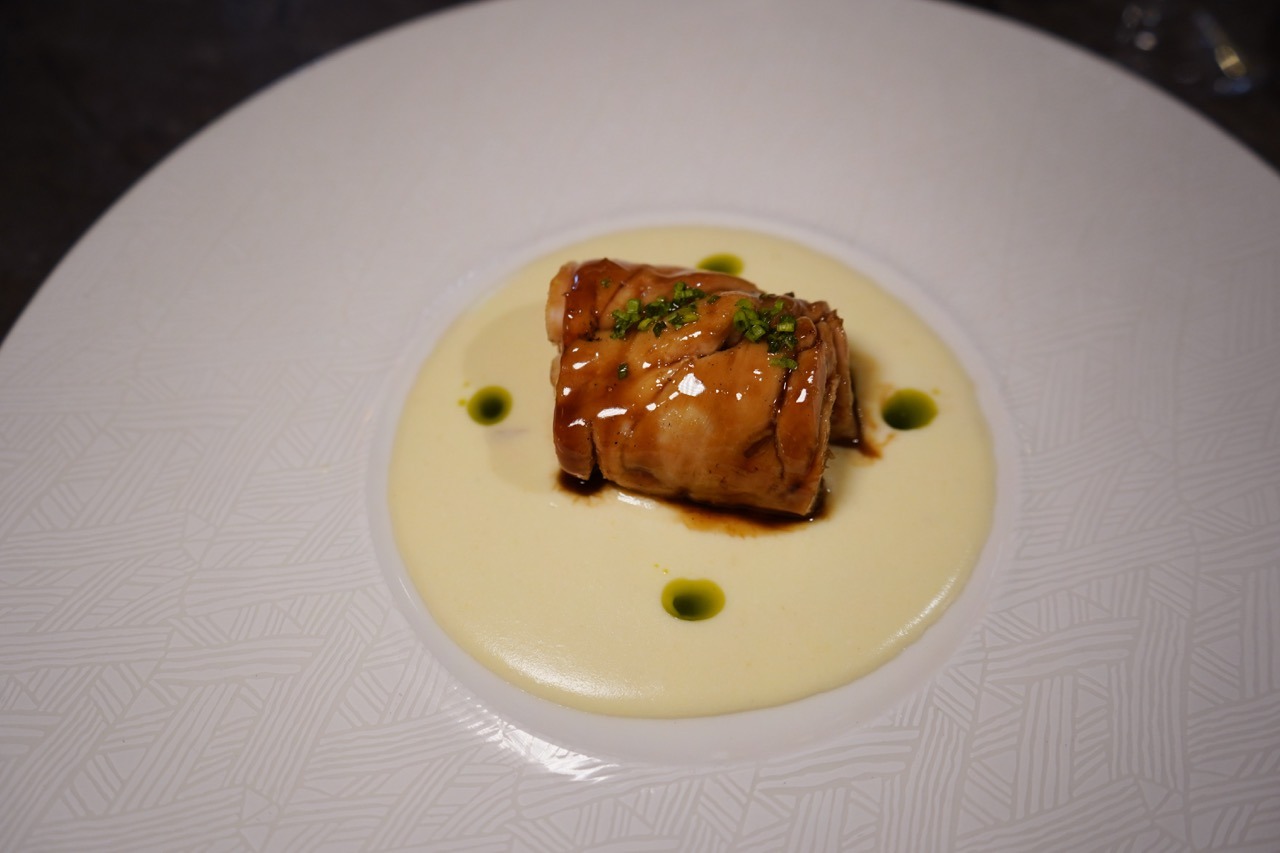
Next comes stuffed rabbit with langoustine, served with potato parmentier and chives.
Rabbit has long been a familiar ingredient in the Lazio region and often appears in traditional dishes around Rome. Here it is paired with the sweetness of langoustine, a seafood ingredient from the sea.
The tender rabbit meat holds the flavor and aroma of the langoustine, creating a dish that feels light despite being based on meat. The base of the dish is a smooth potato parmentier, a creamy puree from French cuisine that gently brings together the richness of rabbit and the sweetness of the shellfish. At first the pairing seems bold, but the balance is surprisingly natural and complex.
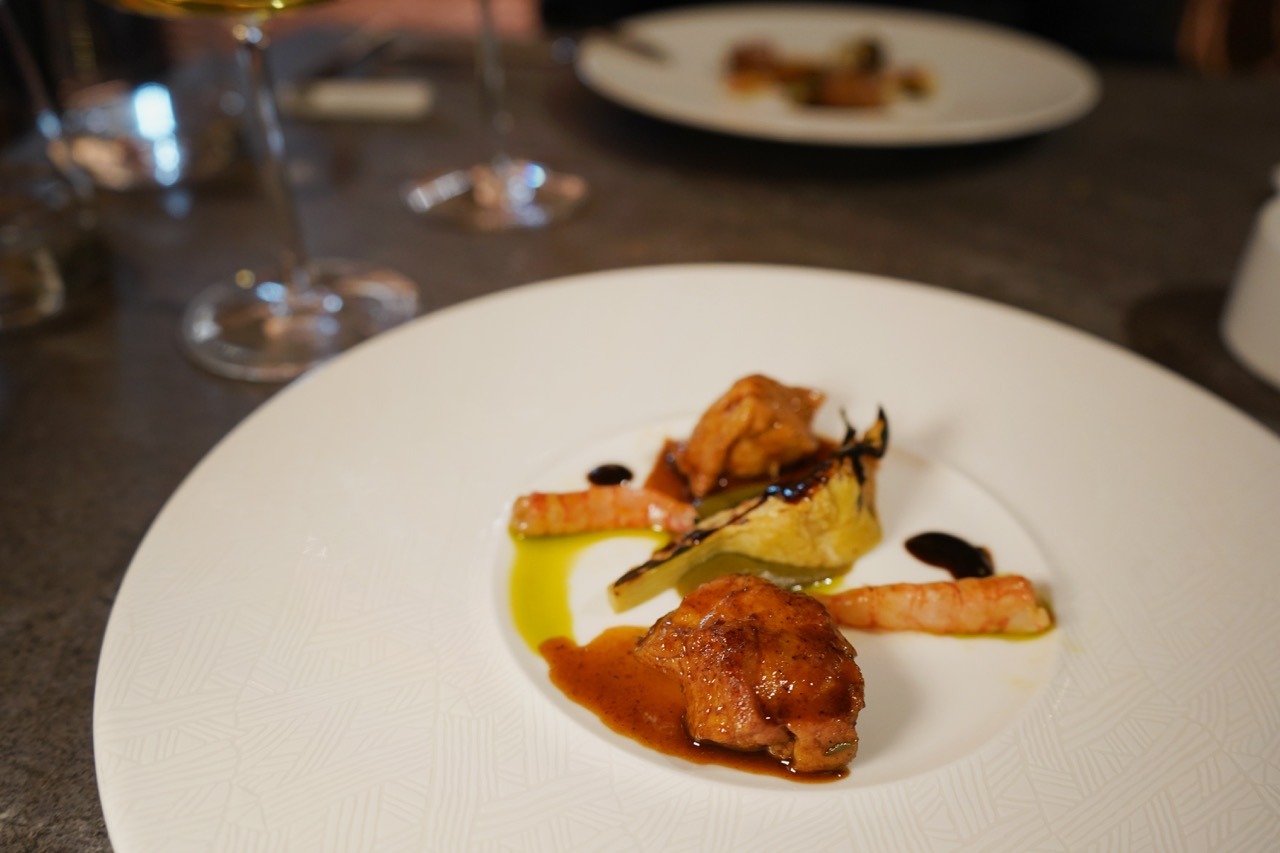
Another dish combines veal sweetbreads, red shrimp, artichokes, and black garlic.
At first glance these ingredients seem unrelated.
Sweetbreads are a prized ingredient in European cuisine, known for their soft, milky texture and delicate richness. They are paired here with red shrimp (gambero rosso), whose intense sweetness adds depth to the dish.
Artichokes, an iconic vegetable in Roman cooking, bring a slight bitterness and nuttiness, while black garlic adds deep, concentrated umami. The dish combines three elements: the sweetness of the sea, the richness of offal, and the character of Roman vegetables.
Each ingredient can be enjoyed separately, but when eaten together they create new flavor combinations. It is a dish that invites experimentation, a very Osare-like idea.
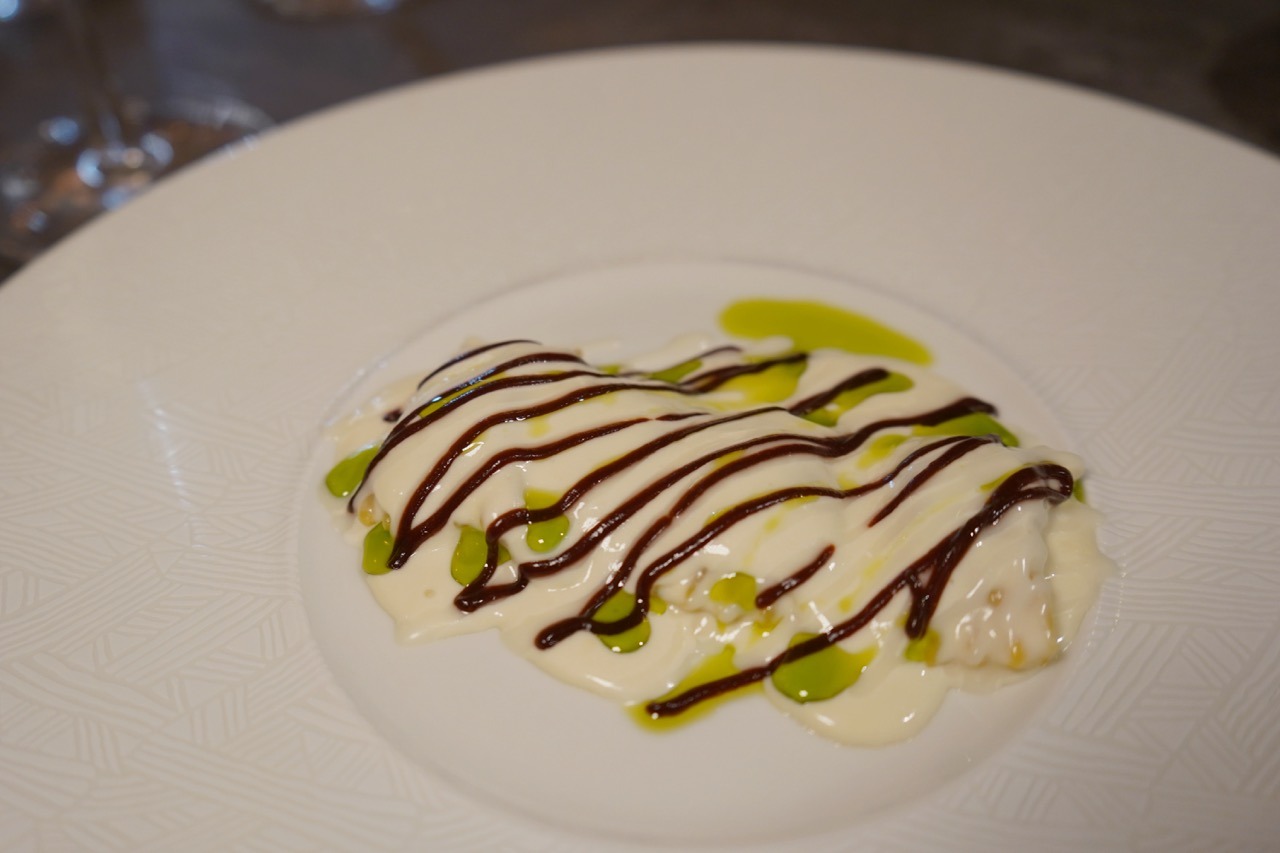
Next comes lobster ravioli, served with Parmigiano, beetroot, and dill.
Compared to the bold combinations before it, this dish has a more classic structure. Inside the ravioli is a filling of sweet lobster and potato, accompanied by a smooth Parmigiano cream.
The richness of the lobster and the saltiness of Parmigiano are balanced by the earthy flavor of beetroot and the fresh herbal aroma of dill. The deep red color of the beetroot contrasts beautifully with the pale cream, making the dish visually striking as well. Its delicate balance gives it an elegant and refined character within the course.
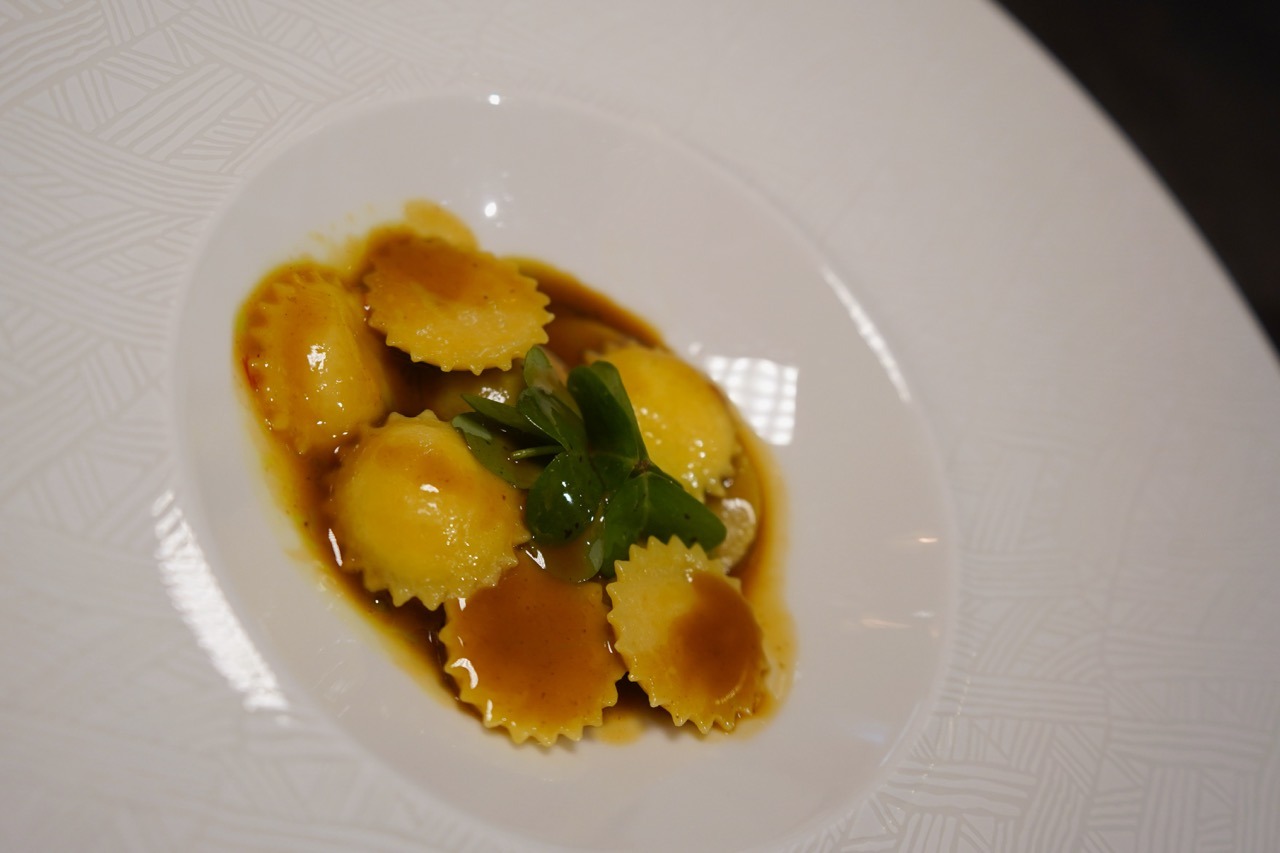
The next dish is agnolotti filled with beef and chicken, served with a reduction of fish consommé and parsley oil.
Agnolotti is a traditional stuffed pasta from northern Italy and is usually served with meat broth. At Osare, however, the usual pairing is slightly reimagined.
Inside the pasta are two fillings, beef and chicken while the dish is finished with a concentrated fish broth reduction made from flatfish, sea bass and saffron.
The rich flavor of the meat and the clean taste of seafood broth come together in a surprising harmony. The parsley oil adds a fresh aromatic note that lightens the dish. Each bite reveals deep meat flavors and delicate seafood umami, creating a long and satisfying finish.
It is another example of Osare’s bold approach to combining different culinary worlds.
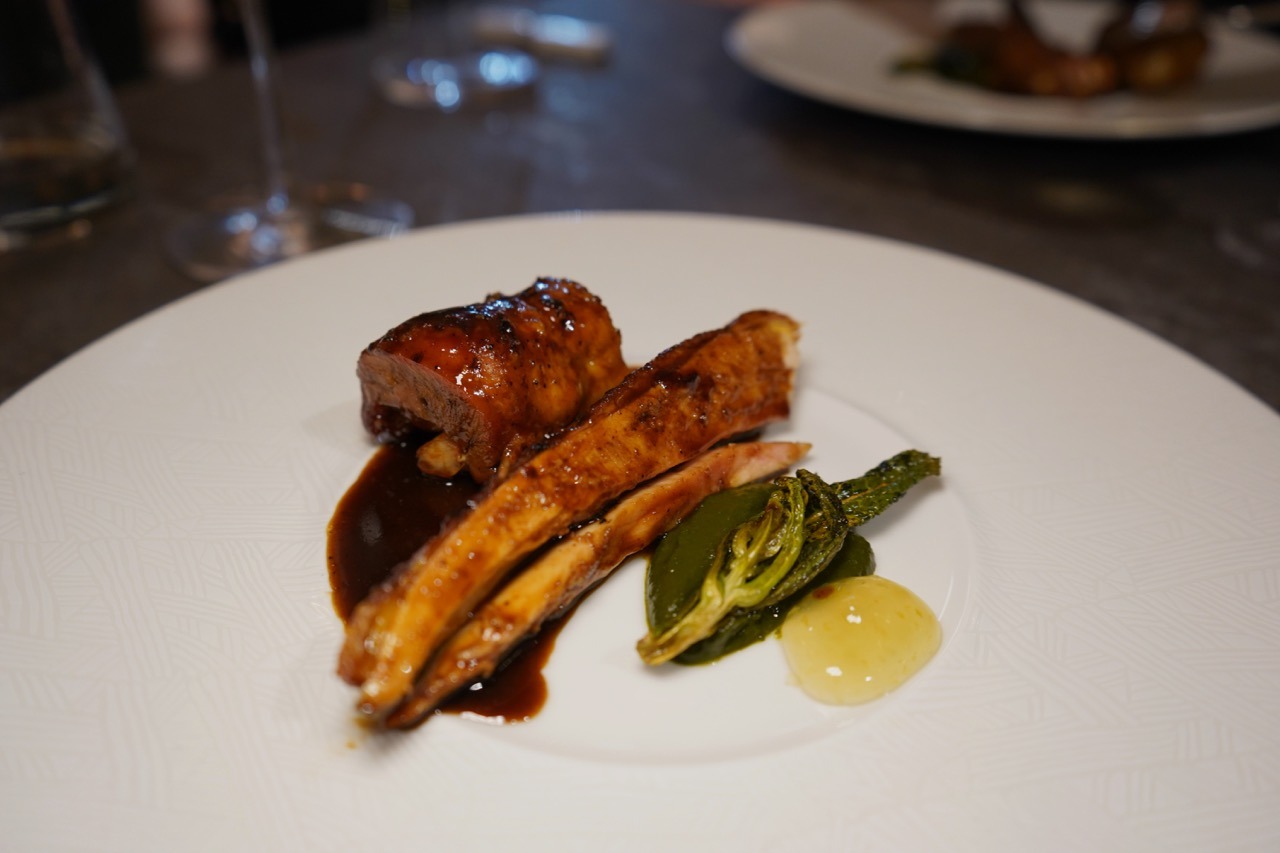
The main course is guinea fowl stuffed with white shrimp (mazzancolle), served with black cabbage and fermented lemon.
This dish represents the theme of sea and land fusion at its most powerful. Guinea fowl has a strong flavor, closer to game than ordinary chicken. Inside, it is filled with sweet langoustine.
The rich flavor of the bird combines with the delicate sweetness of the shellfish, creating a dish that feels both hearty and refined. Black cabbage adds a slightly bitter, mineral note, while fermented lemon introduces a bright acidity that balances the richness.
The result is a powerful and memorable dish where meat, seafood, vegetables, and acidity all come together.
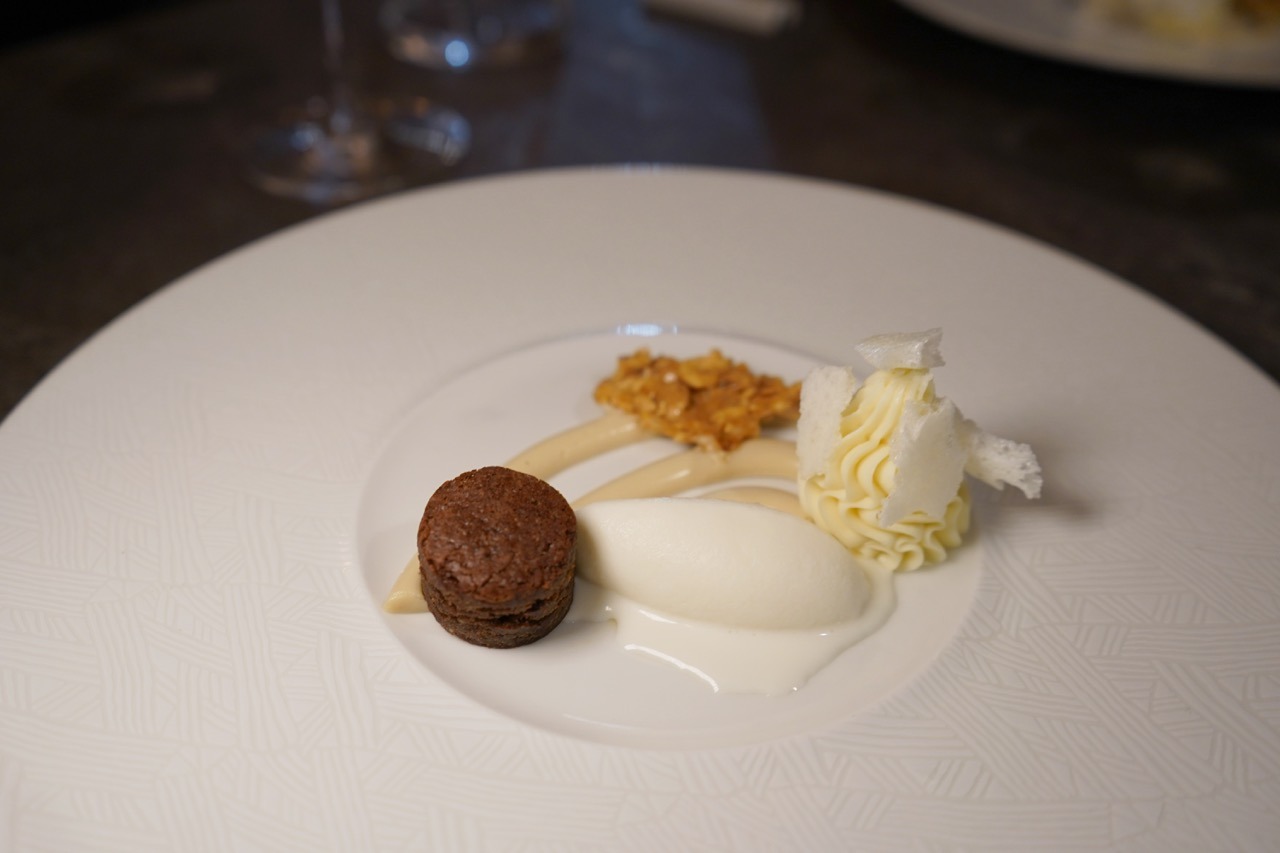
The course finishes with a dessert made of onion, honey, gianduja, and Parmigiano ice cream.
Osare’s desserts are not simply sweet. Instead, they combine sweetness, saltiness, and umami. The gentle sweetness of onion, the richness of honey, the nutty chocolate flavor of gianduja, and the saltiness of Parmigiano create a complex balance.
The center of the dessert is an onion semifreddo, served with Parmigiano ice cream, gianduja, hazelnut crumble, and smooth honey cream. Each element offers a different texture and aroma, yet they melt together beautifully in the mouth.
Parmigiano ice cream is a technique often used in Italian fine dining. Rather than relying only on sweetness, the dessert feels like a continuation of the savory courses. It is a creative and memorable ending to the meal.
The chef explains that this dessert is inspired by the onion cream–filled doughnuts he tasted at the Sagra della Cipolla di Cannara, the well-known onion festival held in the Umbrian town of Cannara.
Wine Pairing
The wine served with the dishes was also excellent.
On this occasion, the pairing included “Monsignore” Bellone from the Lazio winery I Lori. Made from the local Bellone grape grown in the town of Cori, south of Rome, this white wine offers aromas of tropical fruit, pronounced minerality and a subtle roasted note. It pairs beautifully with both seafood and meat dishes, making it a perfect match for Osare’s cuisine.
The wine is fermented in stainless steel and then briefly aged in american oak barrels, giving it both freshness and complexity. It is a relatively rich white wine, with notes of tropical fruit alongside hints of earth, whiskey-like oak, caramel, and light toast.
On the palate it shows good minerality and a long finish. It is a balanced wine that works very well with food, strong enough to accompany both the seafood and meat dishes in the course.
A Menu That Changes with the Seasons
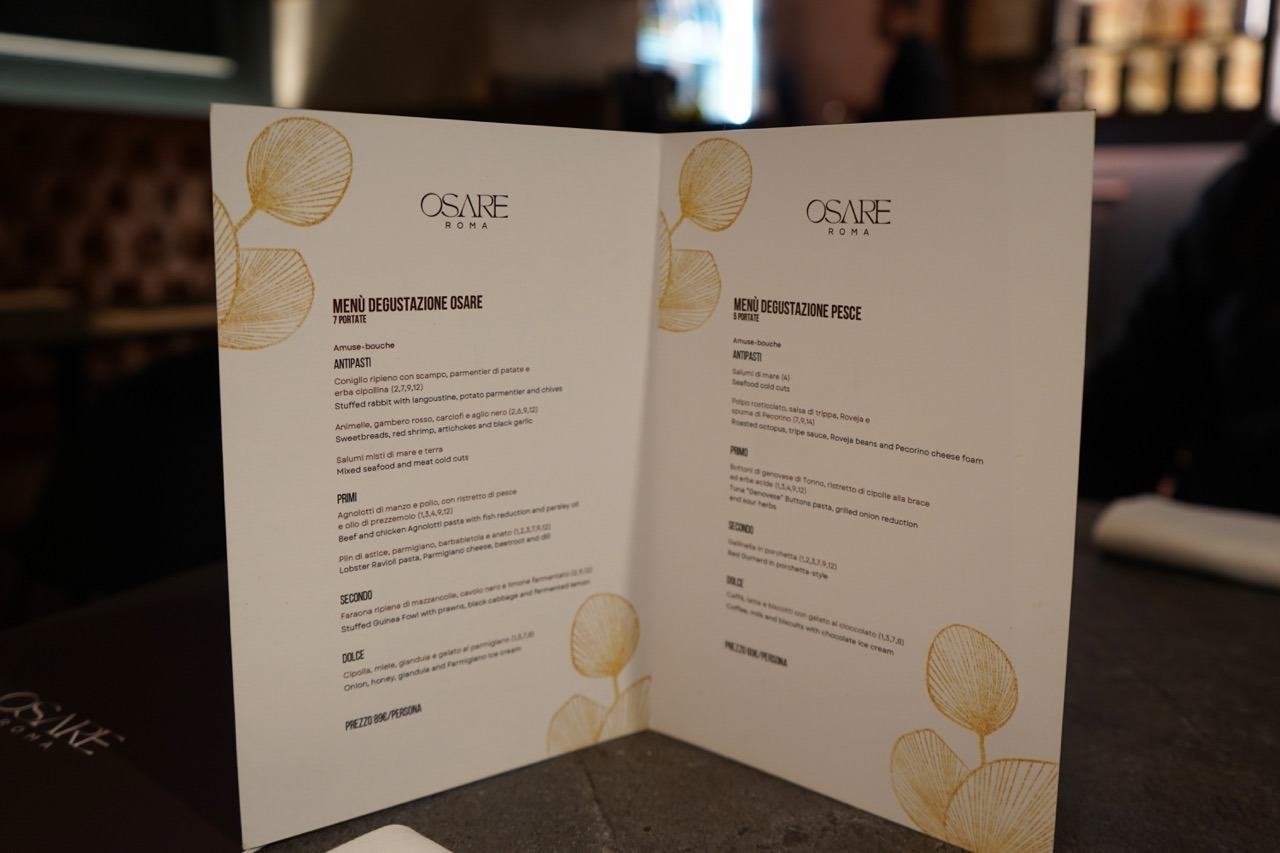
The menu at Osare changes depending on the season. The chefs use the best ingredients available at the time, so the combinations and structure of the dishes evolve throughout the year.
Even the signature fish salumi changes depending on the fish available that day. This means that each visit offers slightly different flavors and experiences.
That sense of discovery, finding something new every time is one of the true charms of dining at Osare.
Osare Roma




square.jpg)