Amaro16.20: When Being Different
In recent years, the world of amaro has been expanding rapidly.
Driven by the rise of craft culture, new producers continue to enter the market, and back bars are now more diverse than ever before.
Yet at the same time, many bartenders have begun to notice something else,
more and more amari seem to taste… familiar.
Similar botanicals, elevated sweetness, and a strong focus on drinkability.
When these elements overlap, what emerges is not individuality, but uniformity.
Against this backdrop, Amaro 16.20 presents a clearly different approach.
Why Are Amari Becoming So Similar?
The growing uniformity in amaro is not accidental, it is structural.
As producer Davide Pesaola explains,
“First of all, there’s a standardization of flavor. Similar botanicals are being used, and above all, there’s an excessive use of sugar, so many amari end up tasting alike.
Most producers are focused on selling, so they tend to make products more ‘pleasant’ meaning sweeter.
Sometimes they also use synthetic ingredients to reduce costs.
Personally, I don’t agree with that approach.”
Several factors contribute to this trend.
One is the standardization of botanicals. Ingredients like cinchona, gentian, and mint have long formed the backbone of bitterness and freshness in traditional amaro. They are historically proven and functionally reliable.
As a result, many producers follow the same blueprint and over time, even the overall flavor profile begins to converge.
Another factor is sweetness. In today’s market, “drinkability” remains a dominant value. Bitterness is softened, sugar is increased, and the result is a familiar balance: sweet, slightly bitter, and easy to approach.
Cost and efficiency also play a role. The use of synthetic flavorings or simplified extraction methods helps reduce production costs, but often at the expense of complexity and individuality.
In other words, the current amaro market is shaped by designs optimized for sales, structures that naturally lead to similarity.
The real question lies beyond that.
If choices are increasing, yet truly memorable bottles are becoming rarer, can we still call that diversity?
A Counterpoint to Uniformity
Davide spent over two decades behind the bar, working with countless spirits and liqueurs. Through that experience, he came to understand not only what sells but also why so many products end up resembling each other.
Amaro 16.20 was created as a response to that realization.
From the beginning, it was designed with one clear principle, it should not resemble anything else.
“After 20 years behind the bar, I’ve tried countless products and used them in every possible way.
I’ve always been passionate about herbal infusions and teas, and that pushed me to create my own amaro. The idea of making something truly innovative came from both my experience behind the bar and my lifelong passion for spirits and tea.”
What defines this amaro is not what has been added but what has been removed.
Key traditional botanicals such as cinchona, gentian, and mint have been deliberately excluded. In their place, ingredients like Roman chamomile, ginger, thyme, clove, and a blend of teas are used to construct an entirely new framework.
Traditionally, cinchona and gentian provide the backbone of bitterness, while mint shapes freshness and the finish. These elements are highly refined through history but relying on them inevitably leads to similar outcomes.
Amaro 16.20 begins by questioning that assumption.
Removing these core elements is not just a stylistic choice, it is a way to rebuild the structure of flavor from the ground up.
“We wanted to create something unique, something different from existing commercial products.
Starting from the classic Italian amaro recipe, we decided to remove some of the main botanicals and instead incorporate distilled spirits and tea blends to achieve both body and a distinctive flavor.”
“Instead of cinchona, we use Roman chamomile. Instead of mint, we use ginger, thyme, and clove.
We also chose not to use gentian, replacing it with other bitter botanicals combined with the tannins from tea to create the flavor profile we were looking for.
The biggest challenge was working with tea and finding harmony with ingredients like chamomile, rhubarb, ginger, and chinotto.”
At the heart of this structure is tea.
While traditional amaro bitterness often comes from alkaloids, here tannins play a central role. Tannins contribute not only bitterness, but also astringency, texture, and the way the flavor evolves on the palate.
This creates a different relationship with sweetness and results in a body that feels dense rather than heavy.
Combined with the use of distilled elements, the result is not simply a macerated liqueur, but a more dimensional composition.
Amaro 16.20 is not just a collection of botanicals. It is a rethinking of bitterness, aroma, and texture.
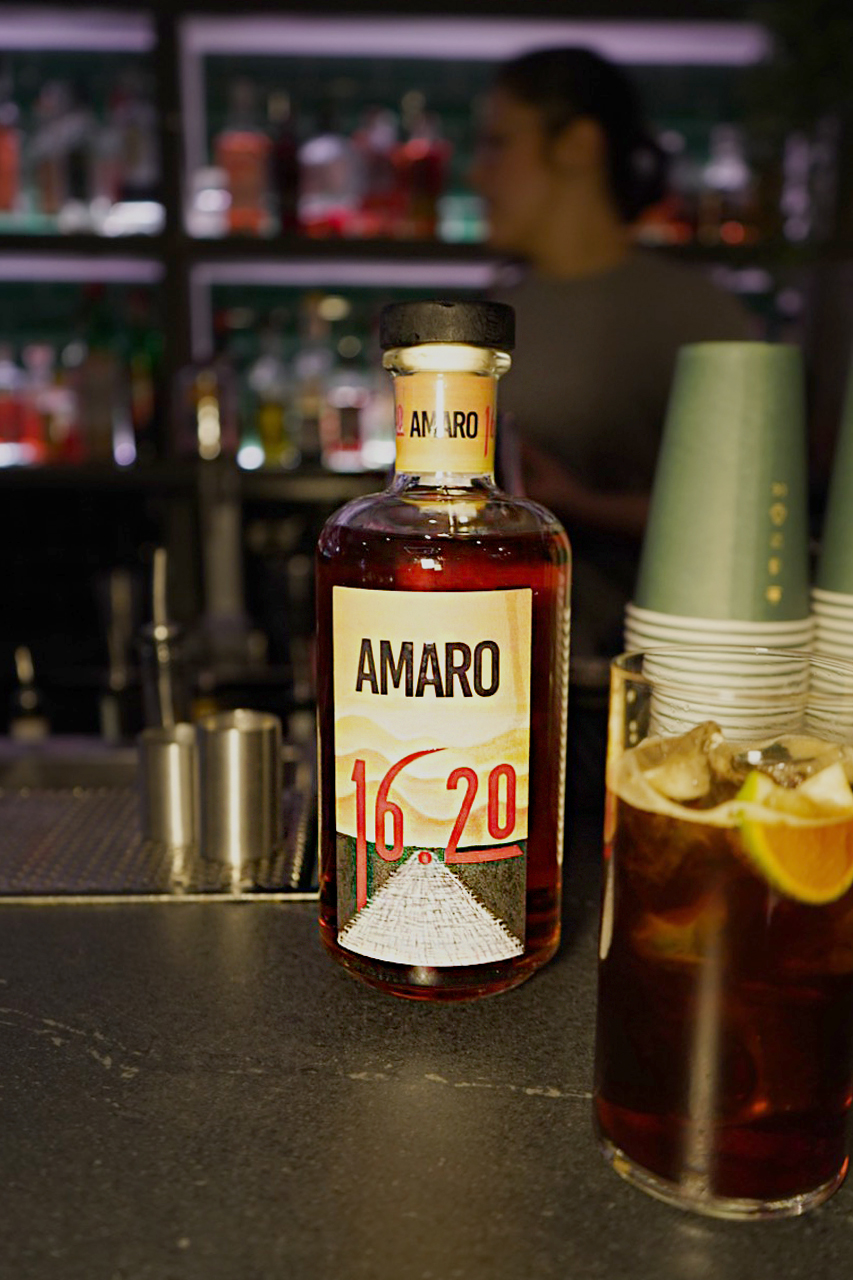
The name itself is as distinctive as the liquid.
One night, while at the distillery, Davide dreamt of the number “16.20” without understanding why.
Days later, reviewing the recipe, he realized that among the 24 botanicals used, numbers 16 and 20 were the most crucial, defining both body and flavor.
That coincidence became the identity of the product.

Beyond Regional Identity: A Different Kind of Character
Many Italian amari are deeply tied to their local ingredients, but Amaro 16.20 takes a different approach.
“Unlike many other amari, especially from southern Italy, we didn’t want to rely heavily on specific local ingredients like citrus, licorice, or gentian.
Rome influenced us more through its complexity of flavors and its advanced mixology culture than through individual botanicals.”
Rather than rejecting tradition, this approach reinterprets it.
By breaking down the conventional structure and rearranging it, a new balance emerges.
“We want to create a new path.
To show that even something as historical as Italian amaro can be innovated without going to extremes.
Identity is everything. You need character, and you need to know what you want.
We created something that cannot be confused with anything else.”
At the core of Amaro 16.20 is a clear philosophy: it does not need to please everyone.
“We don’t aim to be liked by everyone.
I’d rather someone say ‘I really don’t like it’ than ‘it reminds me of another amaro.’
It has to be something you either like or don’t. That’s how it was designed.”
Most products in the market aim for balance and accessibility. Bitterness is softened, sweetness is emphasized, and the result is widely acceptable.
But that kind of balance often fades from memory.
Amaro 16.20 takes the opposite approach.
Instead of aiming for universal appeal, it focuses on clarity of character, creating something that leaves a lasting impression.
It is not meant to be familiar. It is meant to be remembered.
Beyond Taste: Designing an Experience
This is not an amaro that reveals itself in a single sip.
In fact, the first impression can feel unfamiliar, even challenging.
The astringency from tea tannins, layered aromatics, and an unusual balance of sweetness create a profile that invites reconsideration rather than instant approval.
“It’s an amaro that gives you quality time as you sip it.
It takes several sips to fully understand and appreciate it.
It evolves as you drink it, especially when shared in conversation.”
As time passes and temperature shifts, the experience changes.
In that sense, this is not just a drink, it’s a process.
From this perspective, a great spirit is not simply one that tastes good, but one that stays with you.
This idea also resonates with today’s bar culture.
While techniques and presentation continue to evolve, the value of time spent with a drink has not always been fully explored.
Amaro 16.20 offers a different approach:
one that values slowness, attention, and depth.
“The bar scene in Rome has changed a lot, and it will continue to evolve.
I believe there will be a return to classics and hopefully a return to true hospitality.
Experimentation has always been, and still is, the key to this beautiful profession.”

Where Can Amaro Go Next?
As the market matures, products naturally begin to resemble each other.
Choosing to be different is not easy but today, it may be more valuable than ever.
What stands out about Amaro 16.20 is that its innovation is not excessive.
It does not rely on novelty for its own sake. Instead, it focuses on structure, balance, and experience, making its evolution feel grounded and intentional.
“For me, a good amaro is something that stays in your memory after you taste it.
It needs the right balance of sweetness, but also a soul, something that speaks to you.
Otherwise, it’s just one of many.”
Amaro may seem like a completed category, but this bottle suggests otherwise.
There is still room to reinterpret, to refine, and to rethink.
And perhaps the real question is broader than amaro itself:
What should we change and what should we preserve?
Amaro 16.20 offers one possible answer.
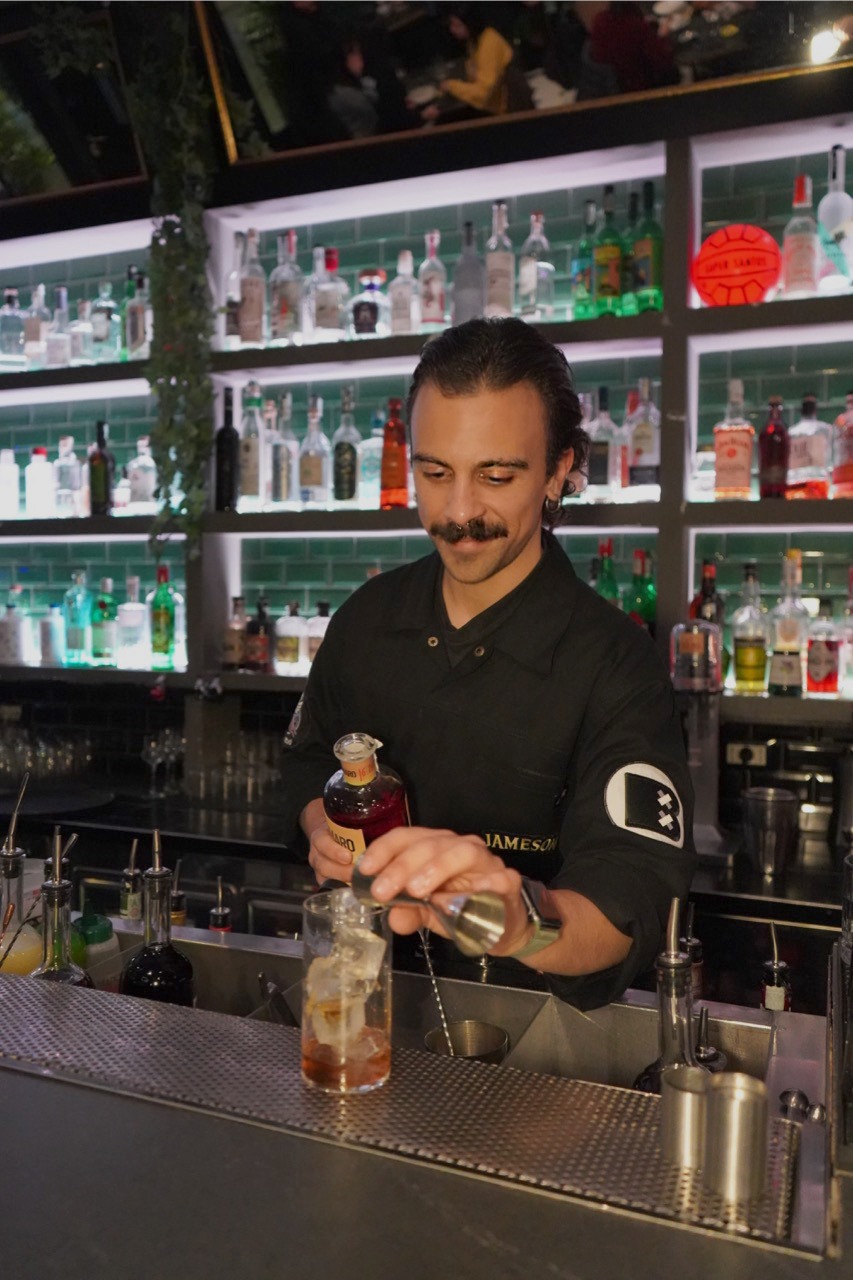
How to Enjoy Amaro 16.20 at Home
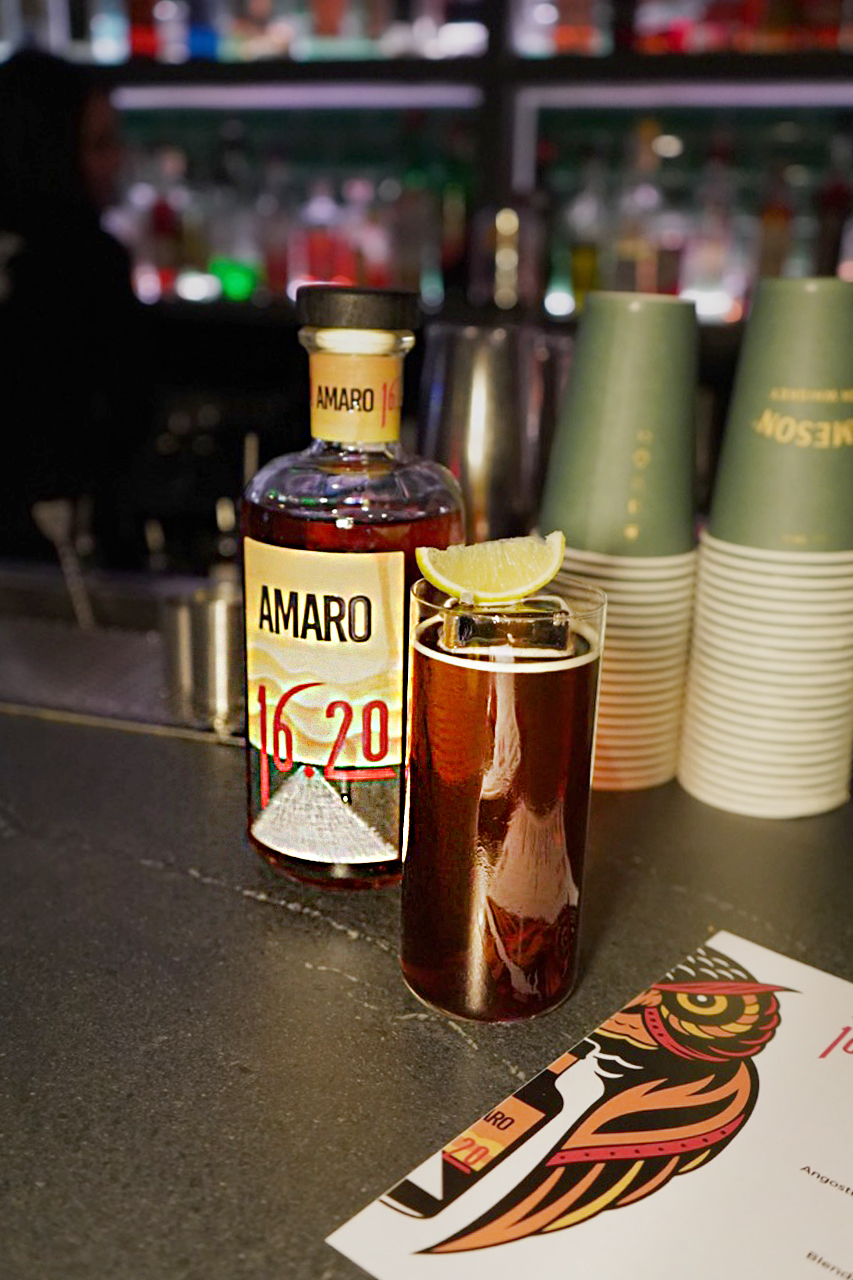
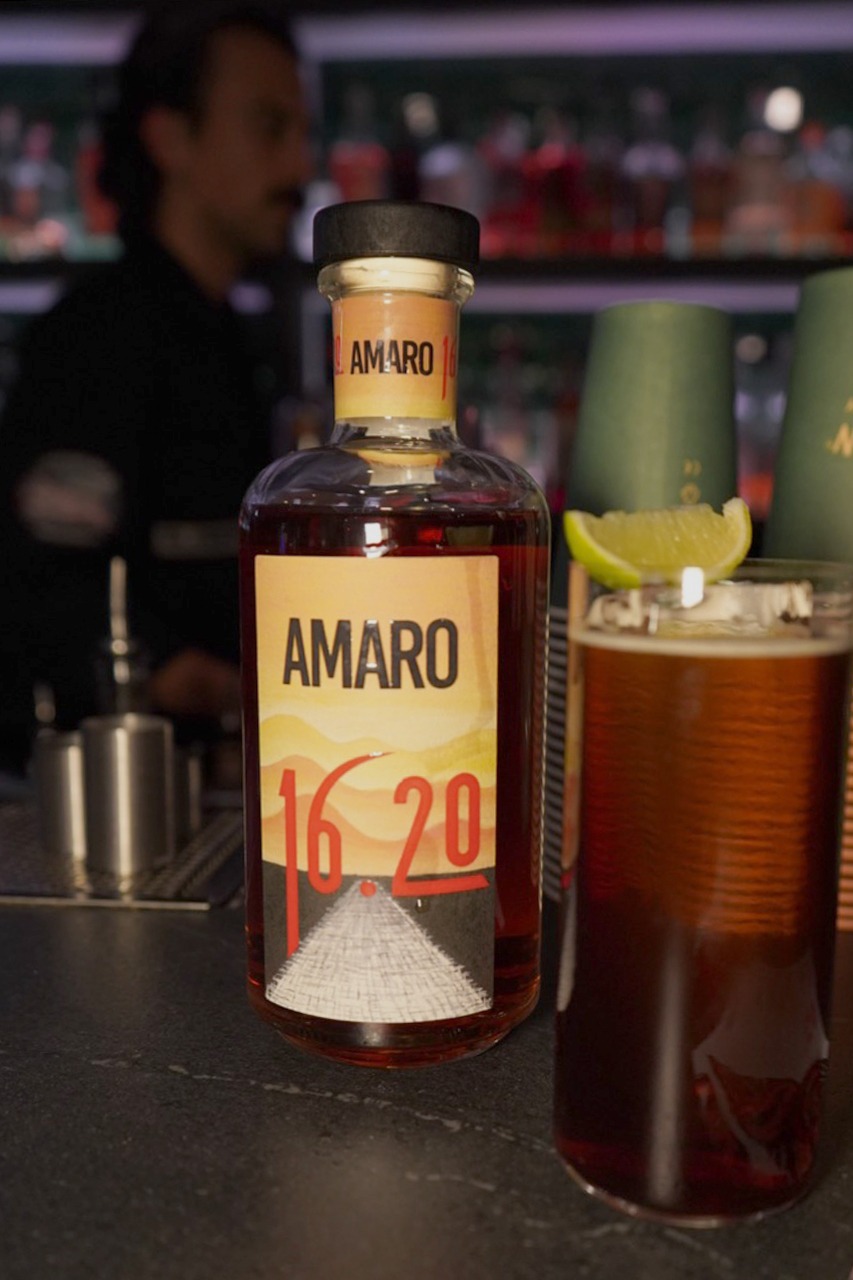
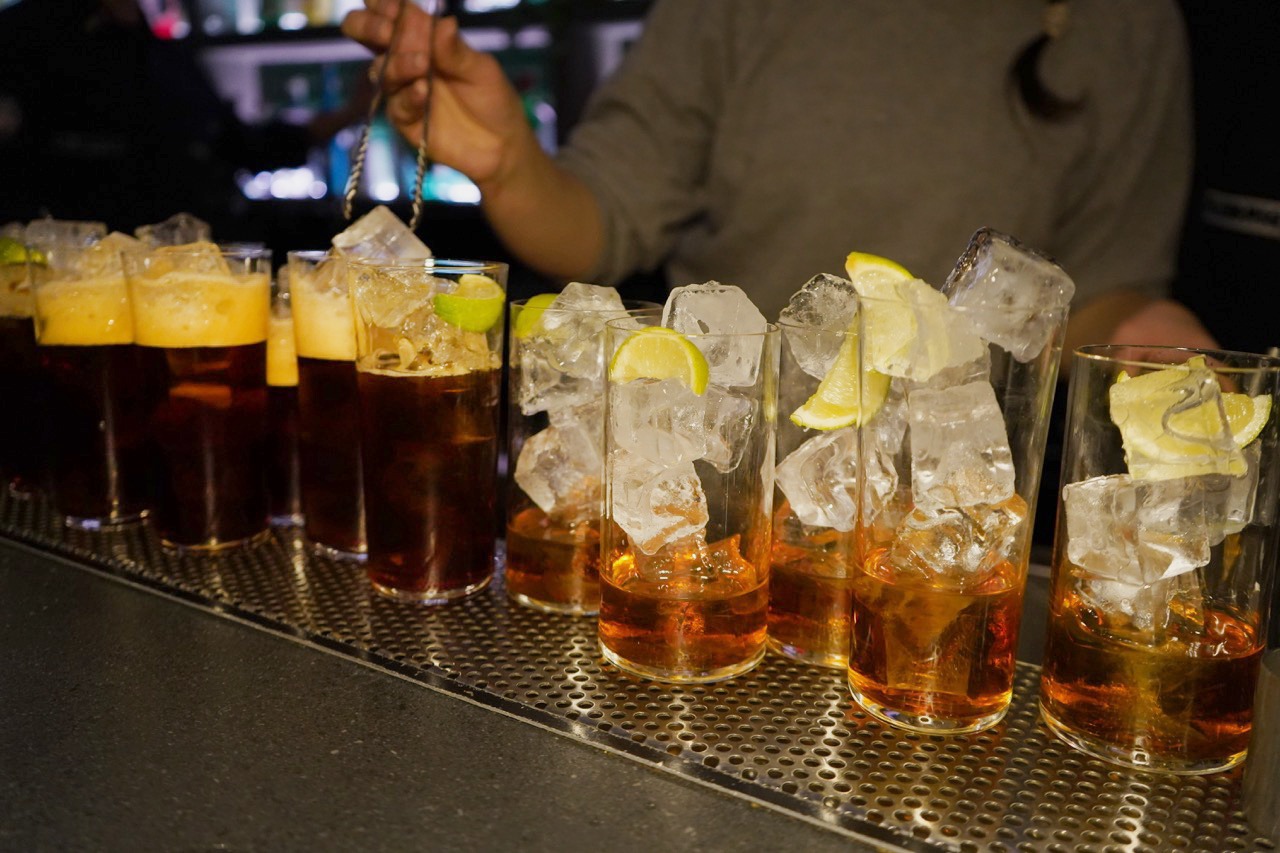
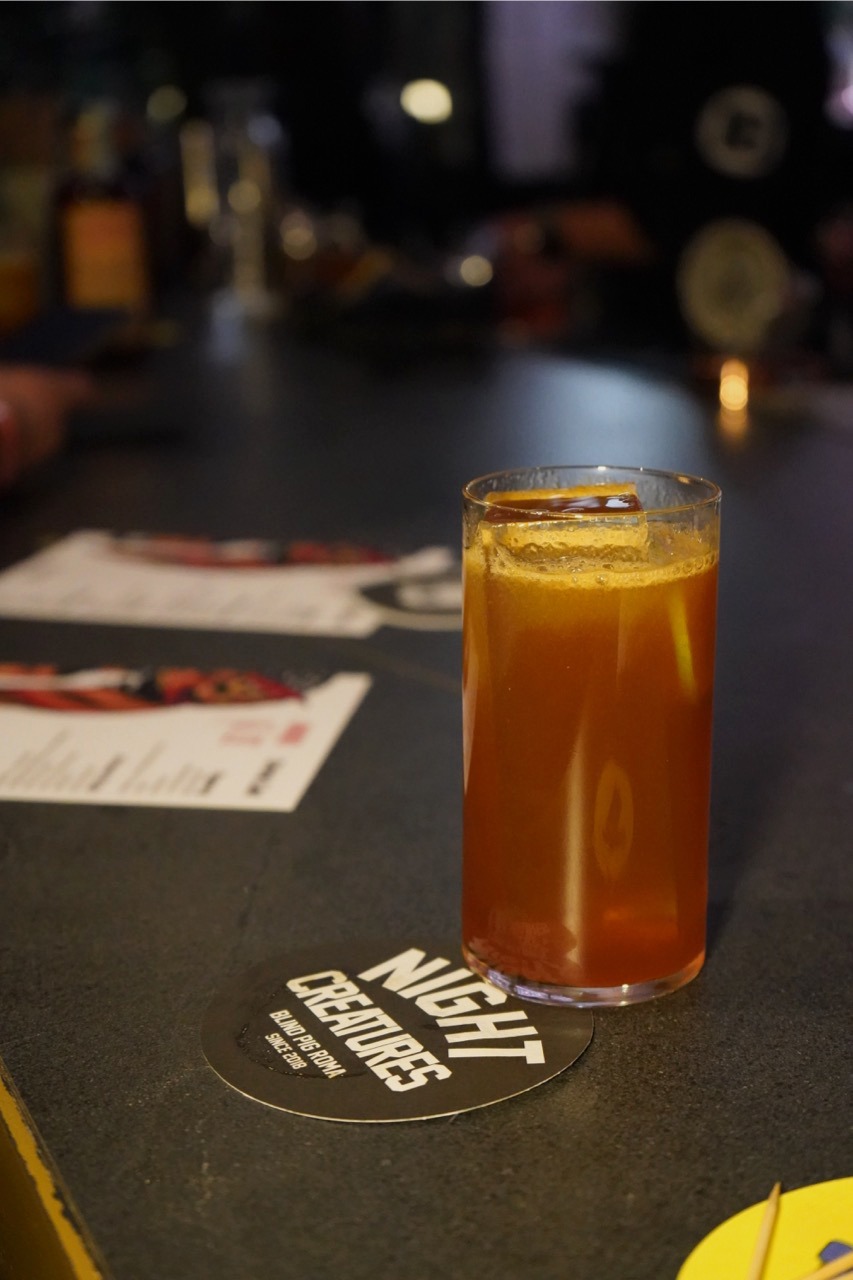
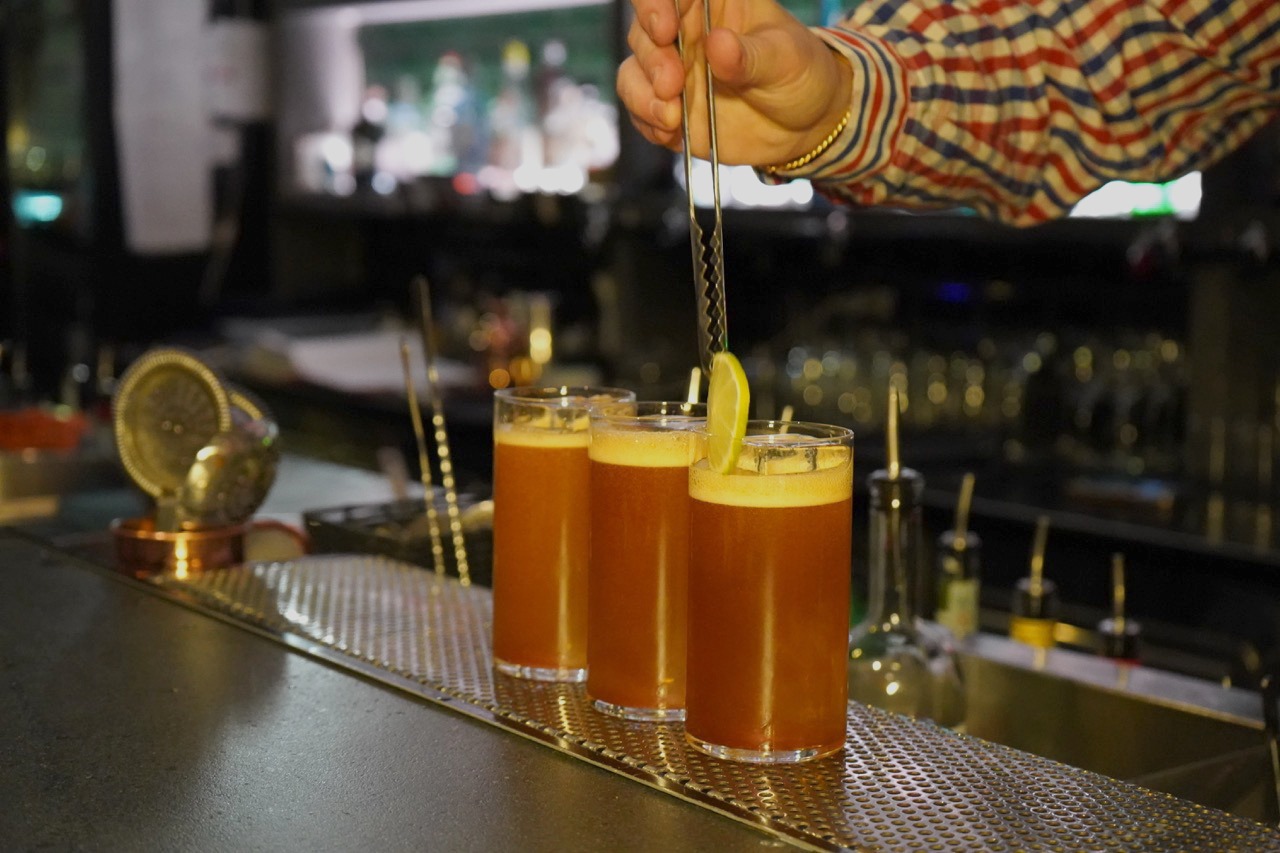
As an aperitivo, serve it in a highball glass with ice, a squeeze of lime, and top with chinotto.
A cedrata (Italian citrus soda) also works well as an alternative.
After dinner, it can be enjoyed neat at room temperature.
For a lighter, more refreshing profile, try it chilled or over ice.
Amaro16.20







square.jpg)