Hiromi La Terrazza: Sake above the Rooftops
In Rome, some terraces focus on the view, others on aperitivo, and others on cuisine.
Hiromi La Terrazza chooses a different balance, one shaped by the rooftops of Monti, contemporary Japanese cuisine, and the ritual of sake.
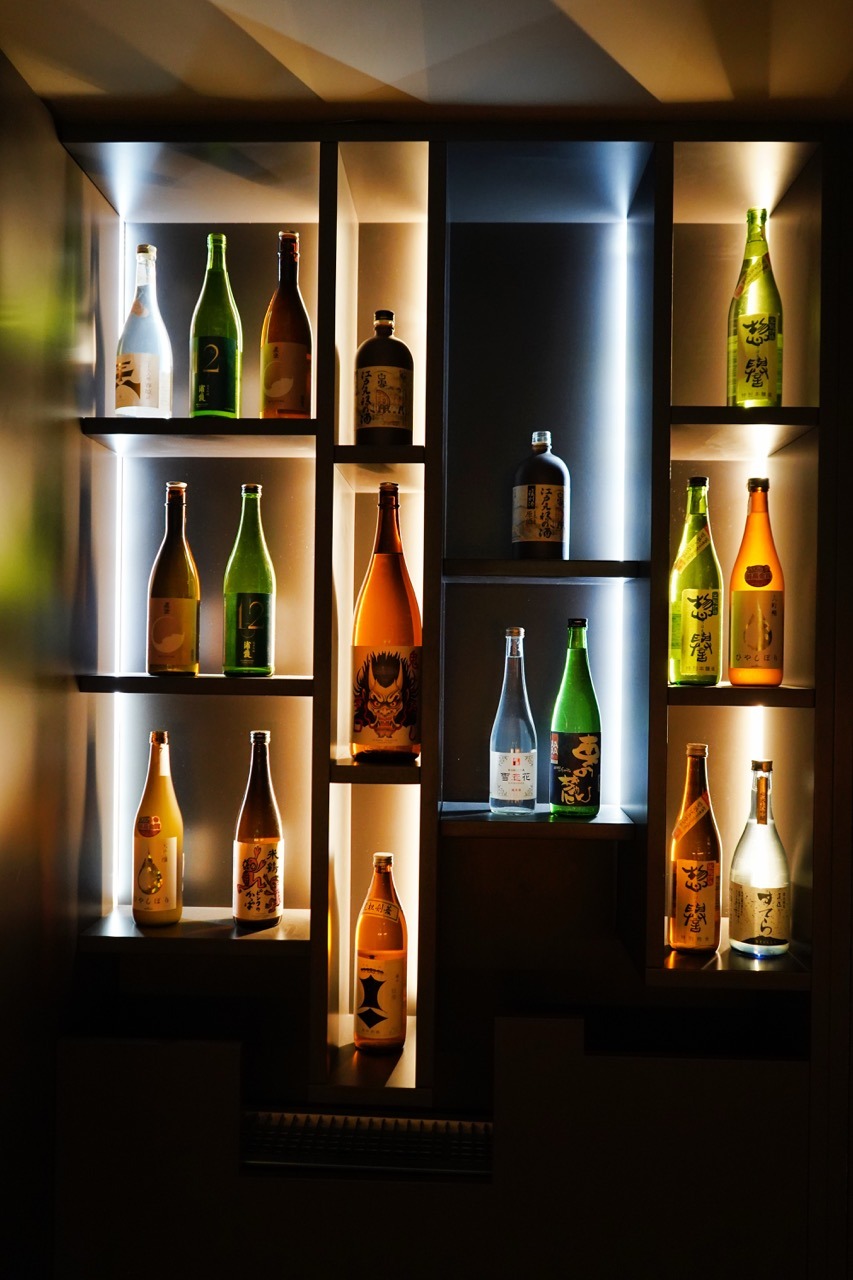
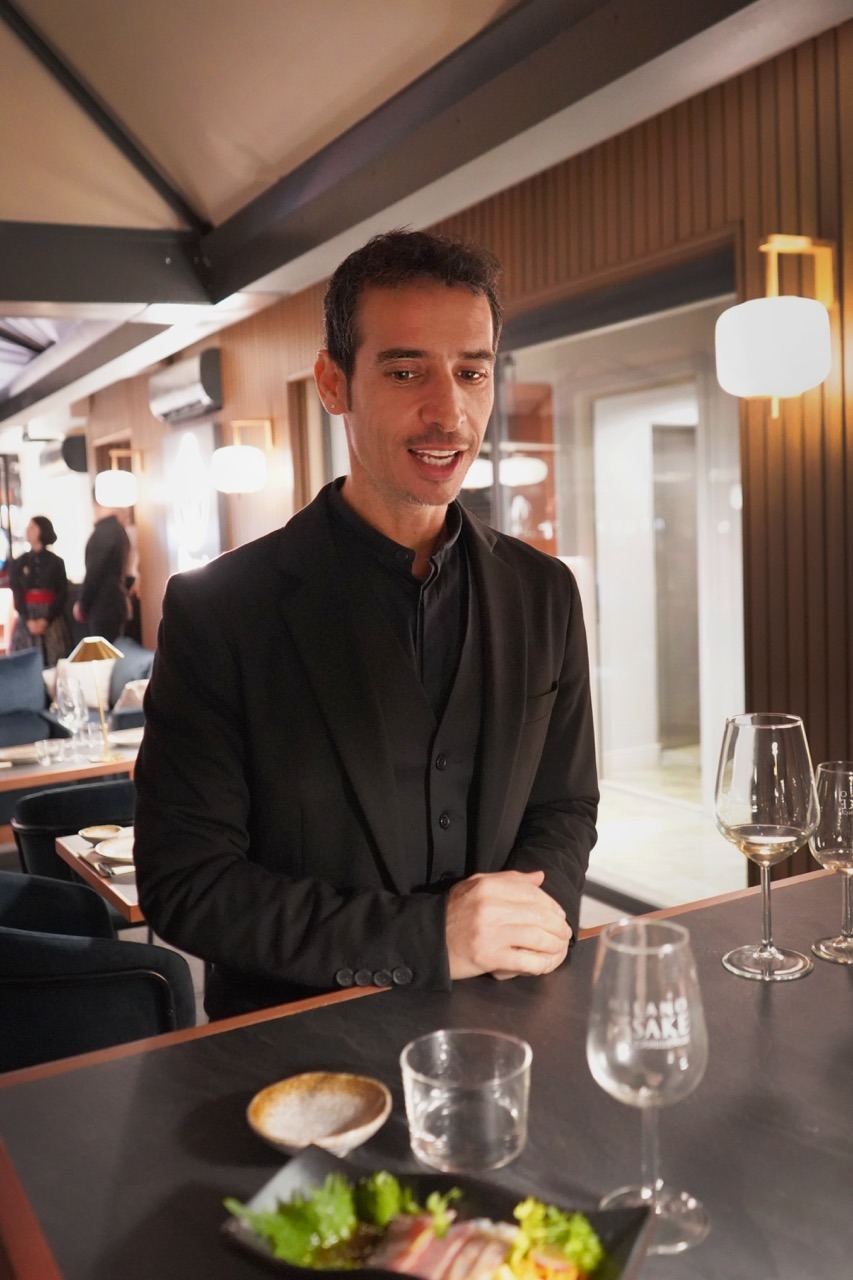
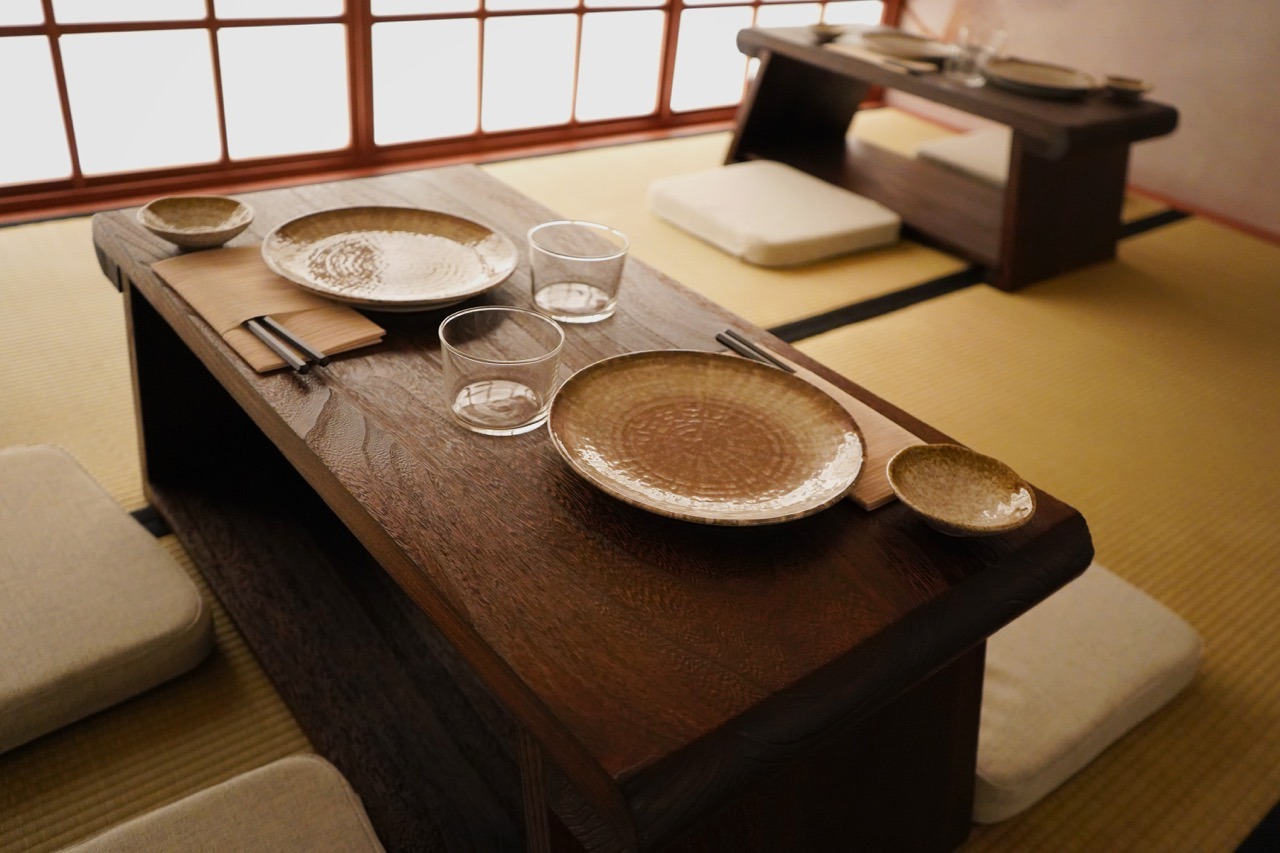
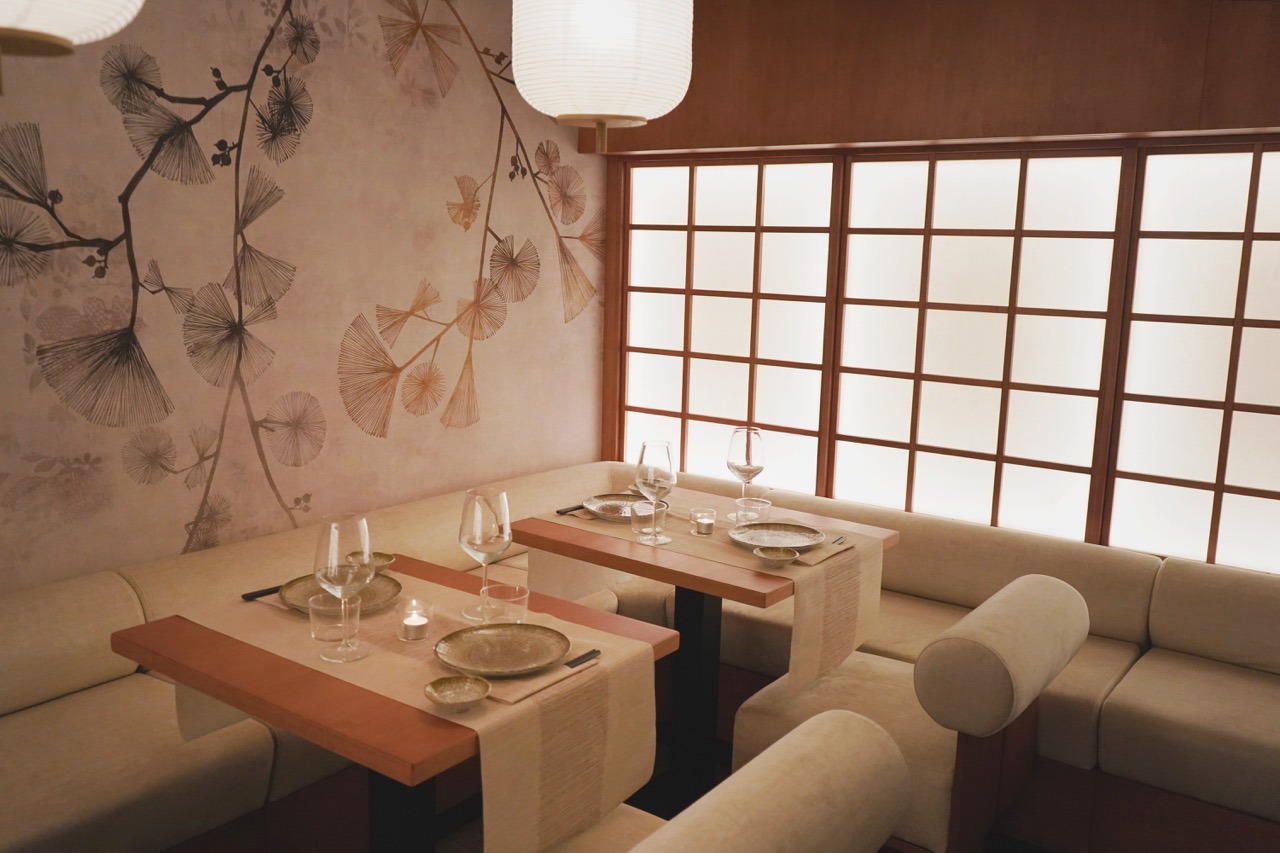
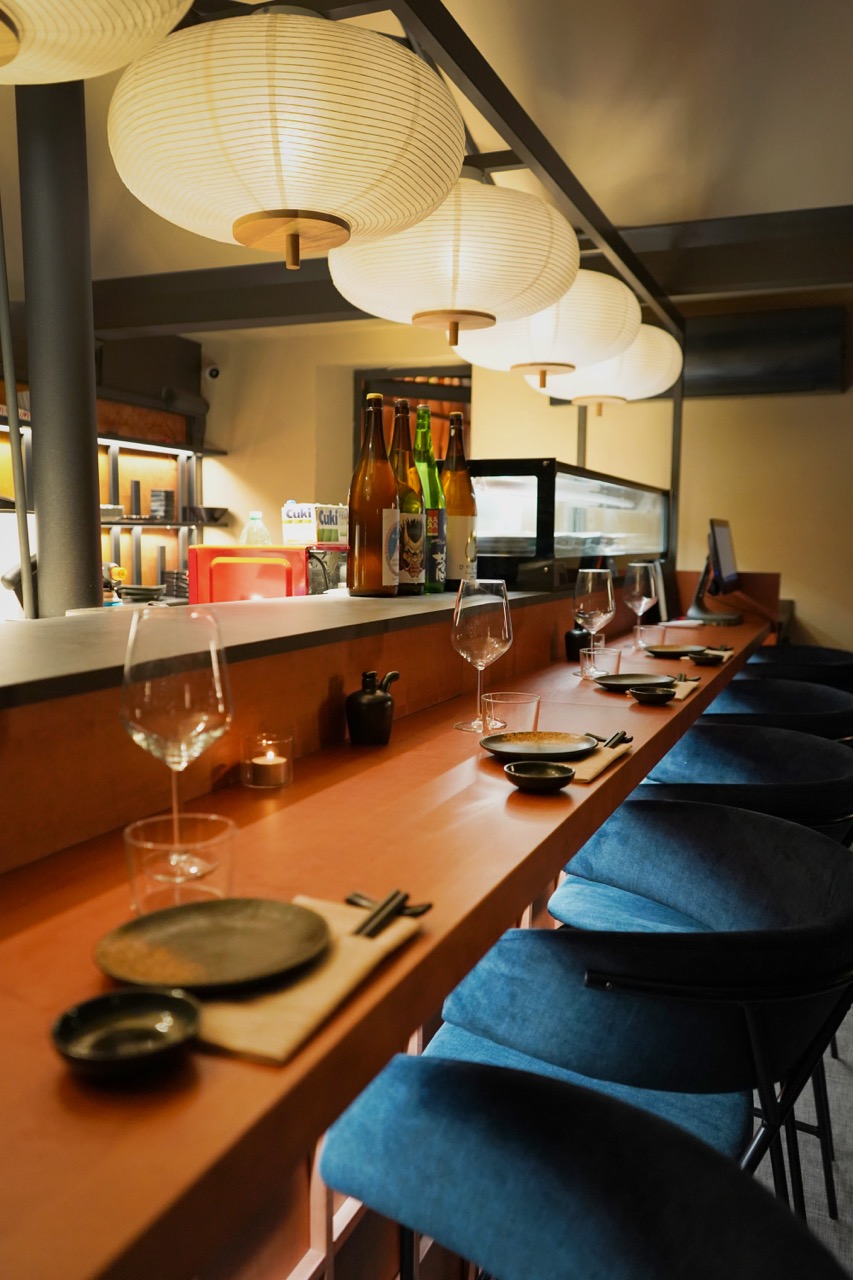
Located on the top floor of Seventy-Seven Hotel, this new opening brings the Hiromi project into a more contemplative evening dimension, where the tasting begins with food but finds one of its strongest expressions in sake.
Not merely an accompaniment, sake becomes an essential part of the experience, the labels on the menu are selected to move alongside each course, following intensity, balance, and umami.
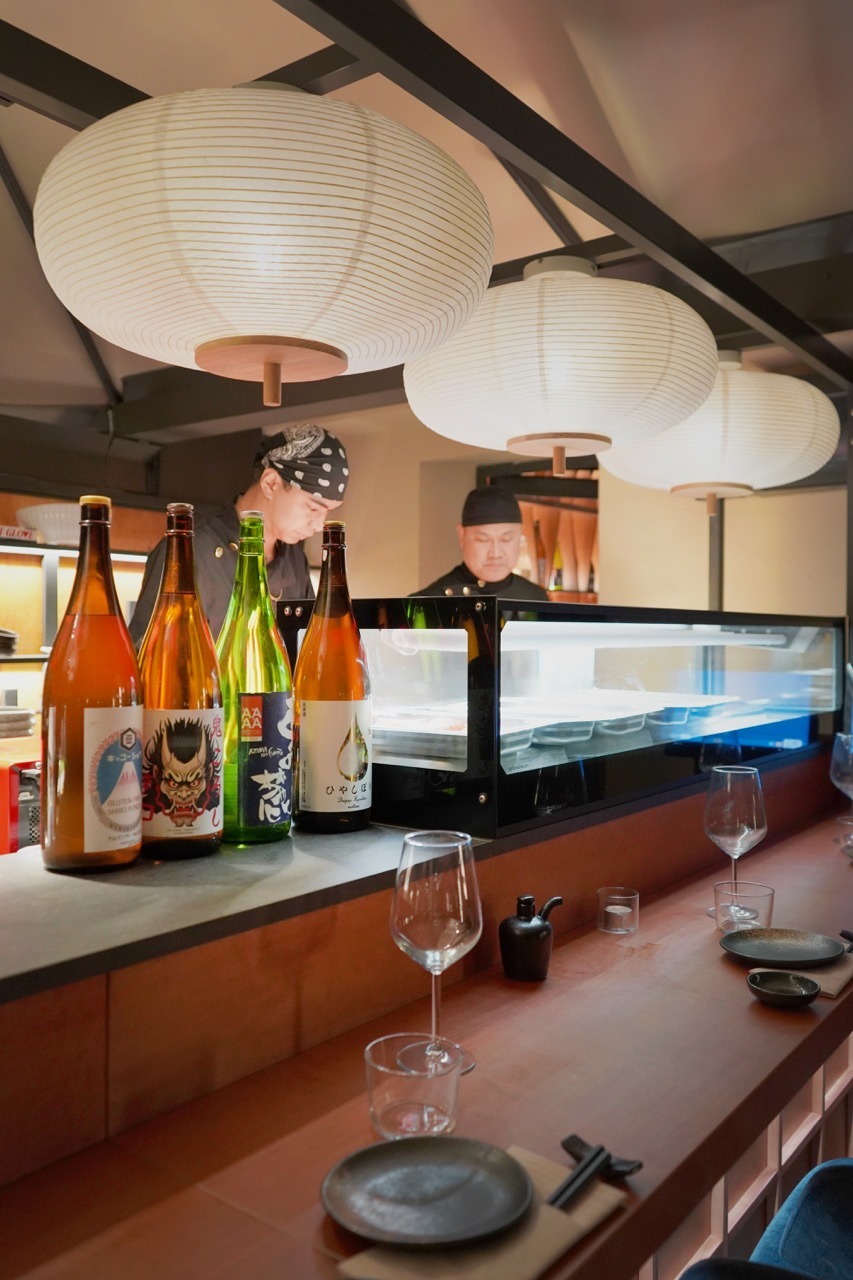
Sake is sometimes served in the traditional masu, a wooden cup once used as a rice-measuring unit and now preserved as a ritual object for special occasions.
This detail encapsulates Hiromi’s approach well, rather than reproducing Japanese aesthetics.
It introduces small, authentic elements that naturally shape the dining experience.
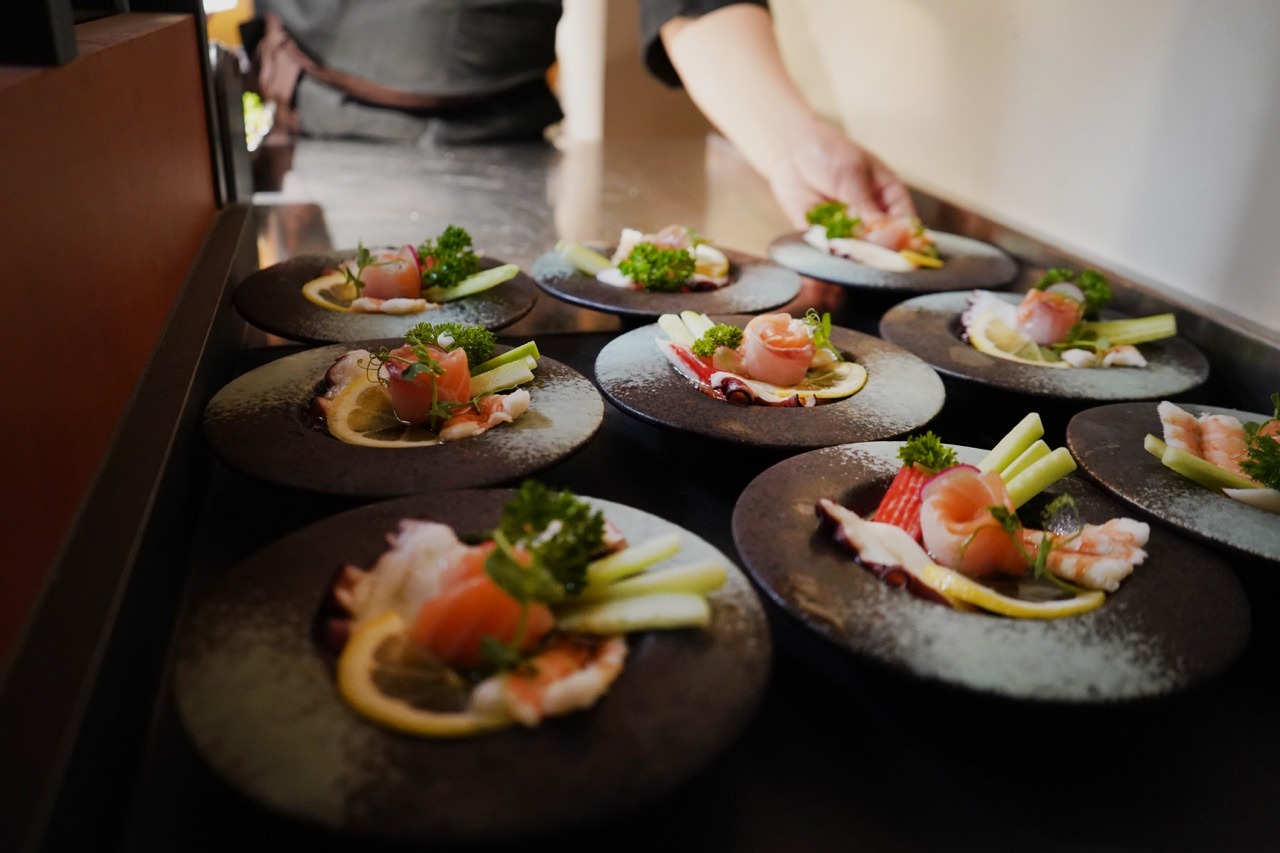
The kitchen follows the same direction, avoiding unnecessary complexity and leaving space for preparations that reflect specific culinary traditions.
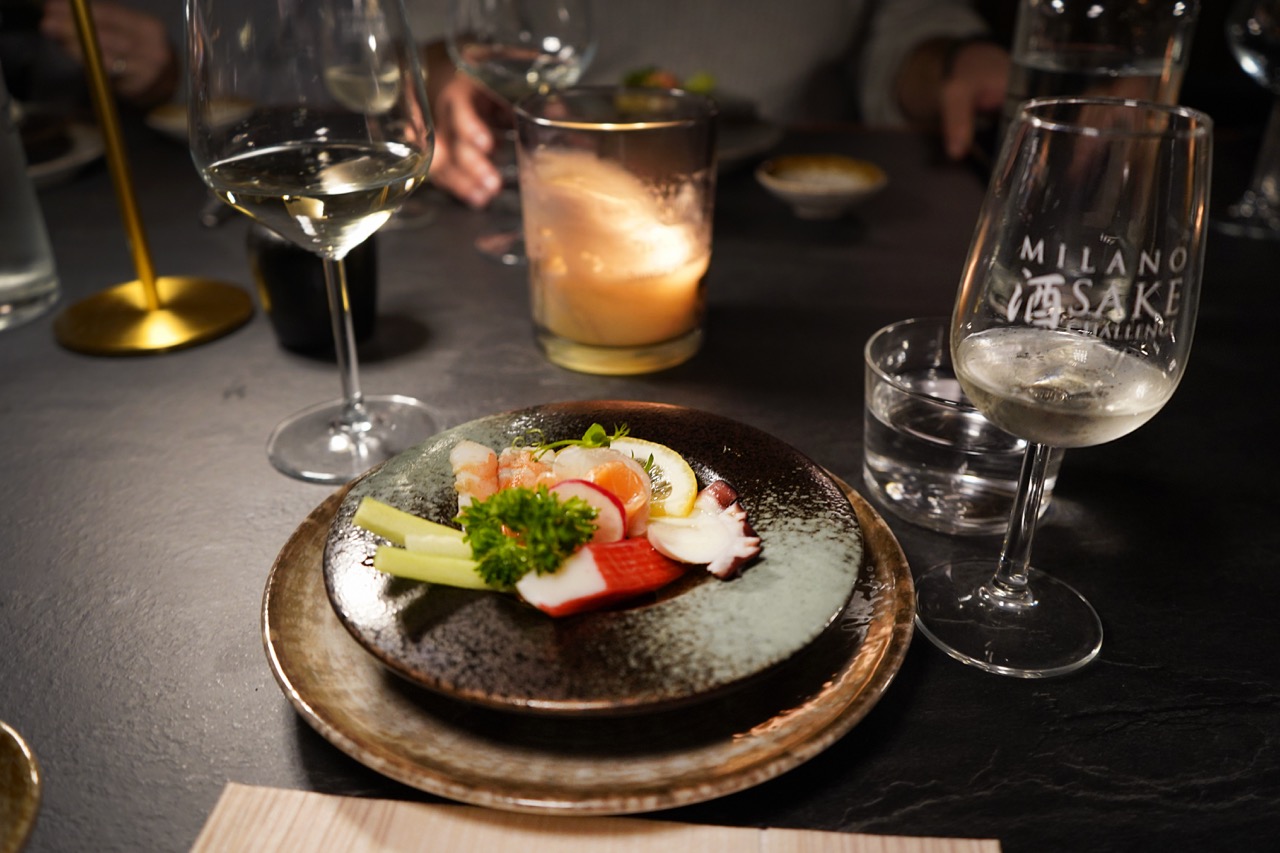
The meal opens with sunomono, an almost essential element of Japanese dining culture, cucumber, wakame, salmon, octopus, and shrimp, lightly dressed in a vinegared marinade designed to cleanse the palate and prepare it for what follows.
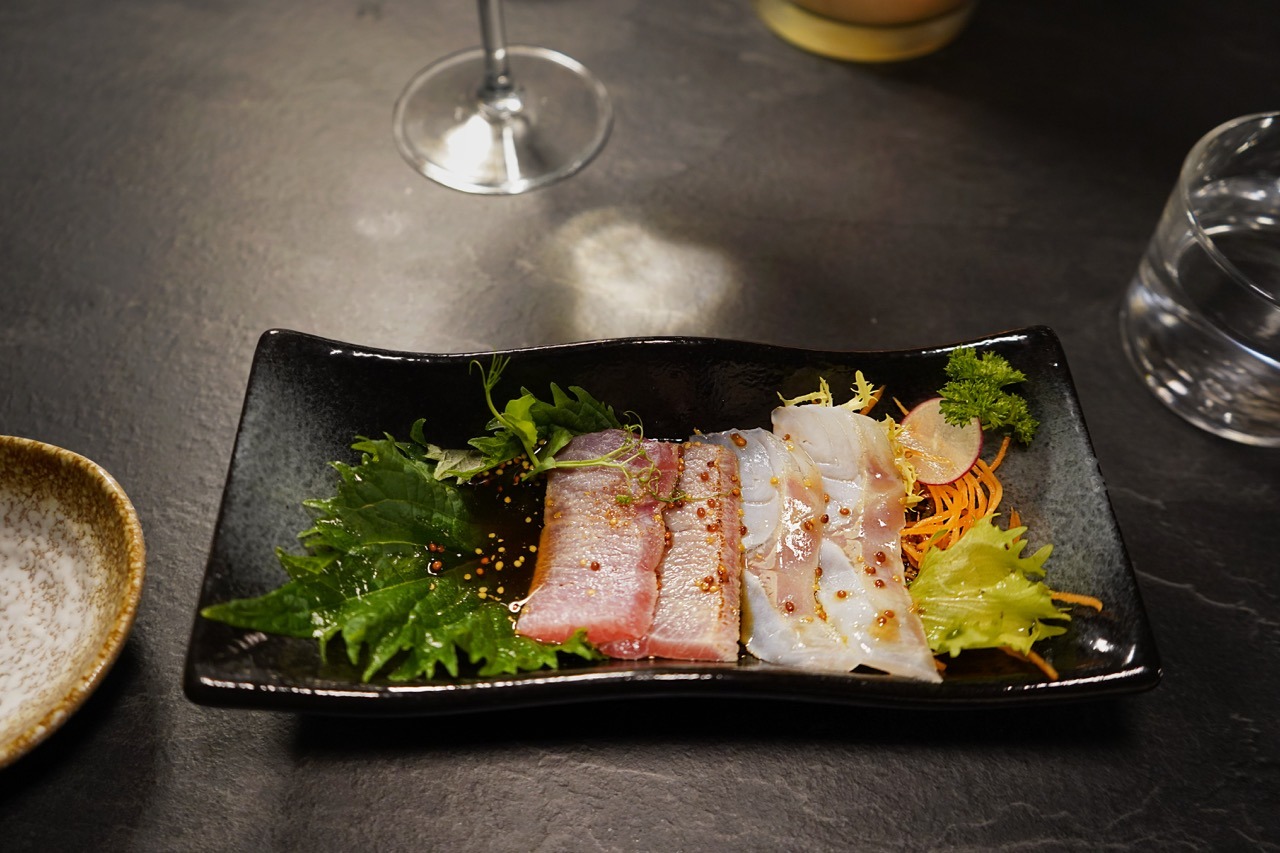
Soon after comes one of the most recognisable techniques in Japanese cuisine aburi, a delicate surface searing that enhances texture and intensity without altering the ingredient’s core.
Here it is applied to sea bream and, in particular, to otoro the prized fatty cut of Mediterranean bluefin tuna, paired with ponzu sauce that lightens and balances its richness.
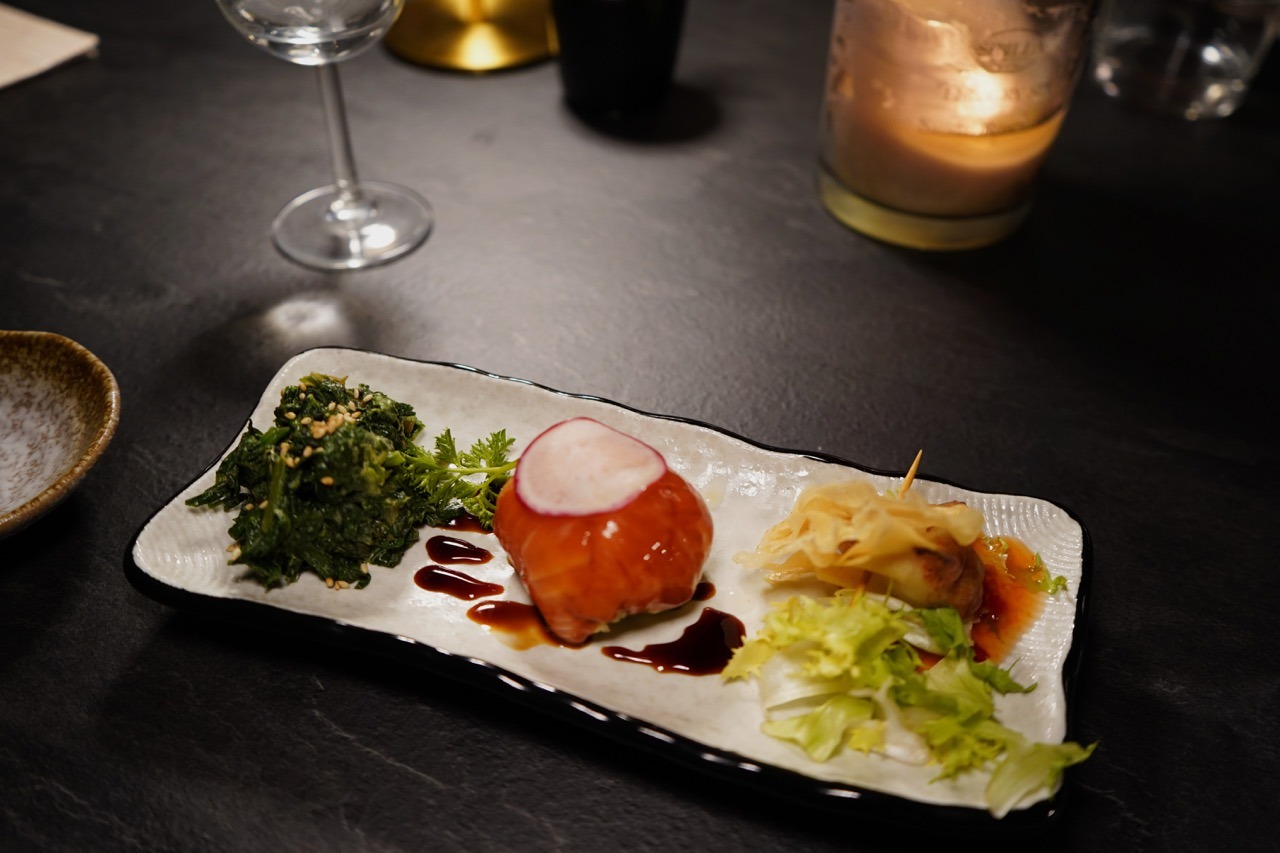
One of the most interesting moments is the Hiromi starter, as it shifts the narrative toward a more domestic side of Japanese cuisine. Goma-ae spinach dressed in a lightly sweet sesame sauce, became popular in Japan as a simple way to encourage children to eat vegetables.
It is an everyday dish, more familiar than ceremonial.
Alongside it, salmon stuffed with avocado and cabbage, together with a crisp wonton, brings a more convivial tone to the menu.
It is a dish we would especially recommend, precisely because of its strong connection to home-style cooking.
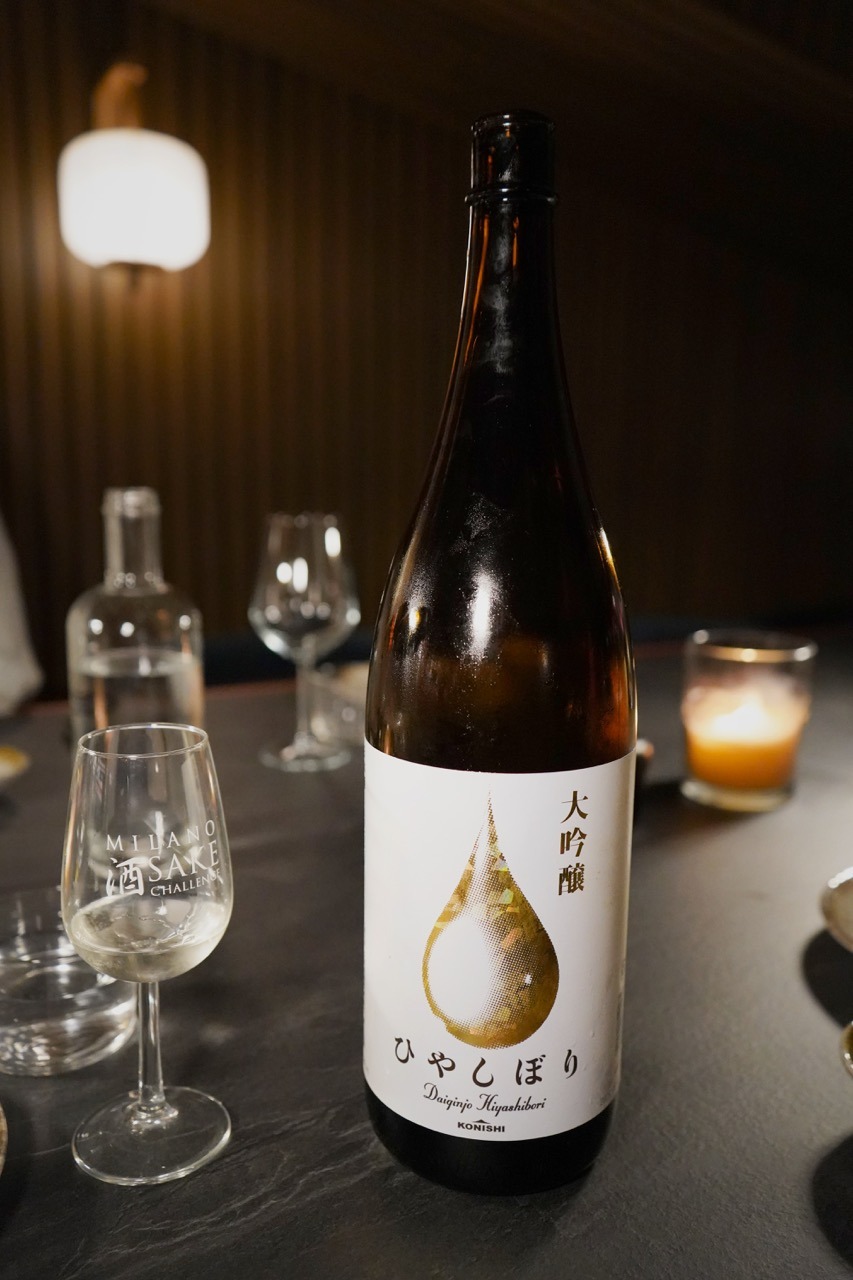
The starters are paired with Daiginjo Hiyashibori by Konishi Shuzo, a traditional sake produced by one of Japan’s oldest breweries, active since 1550.
It is an extremely refined sake, with a small amount of distilled alcohol added after fermentation.
As Haruna the sake sommelier explains, Daiginjo is made using rice polished to at least 50 percent the more polished the grain, the more refined the final sake.
It is particularly suited to the opening part of the tasting, where flavours remain delicate and precise. In Japanese food and sake pairing, the aim is always to accompany rather than to create contrast.
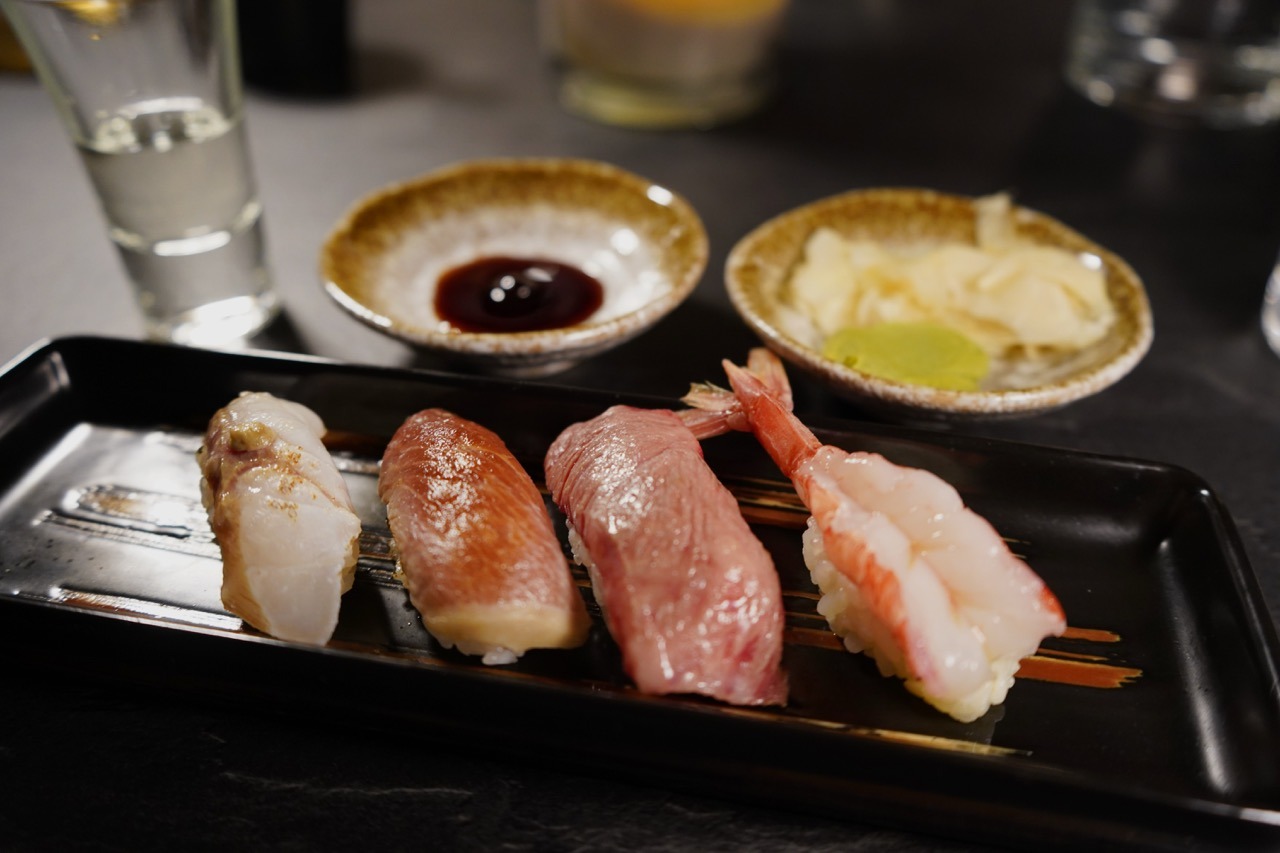
As the tasting moves to nigiri, the focus remains on gesture and balance.
The advice is simple. Use only a small amount of soy sauce, applied to the fish rather than the rice, so as not to compromise structure and proportion.
In Japanese cuisine, even before the fish, rice remains the true centre of the craft.
The quality of the wasabi also deserves mention, proving particularly refined.
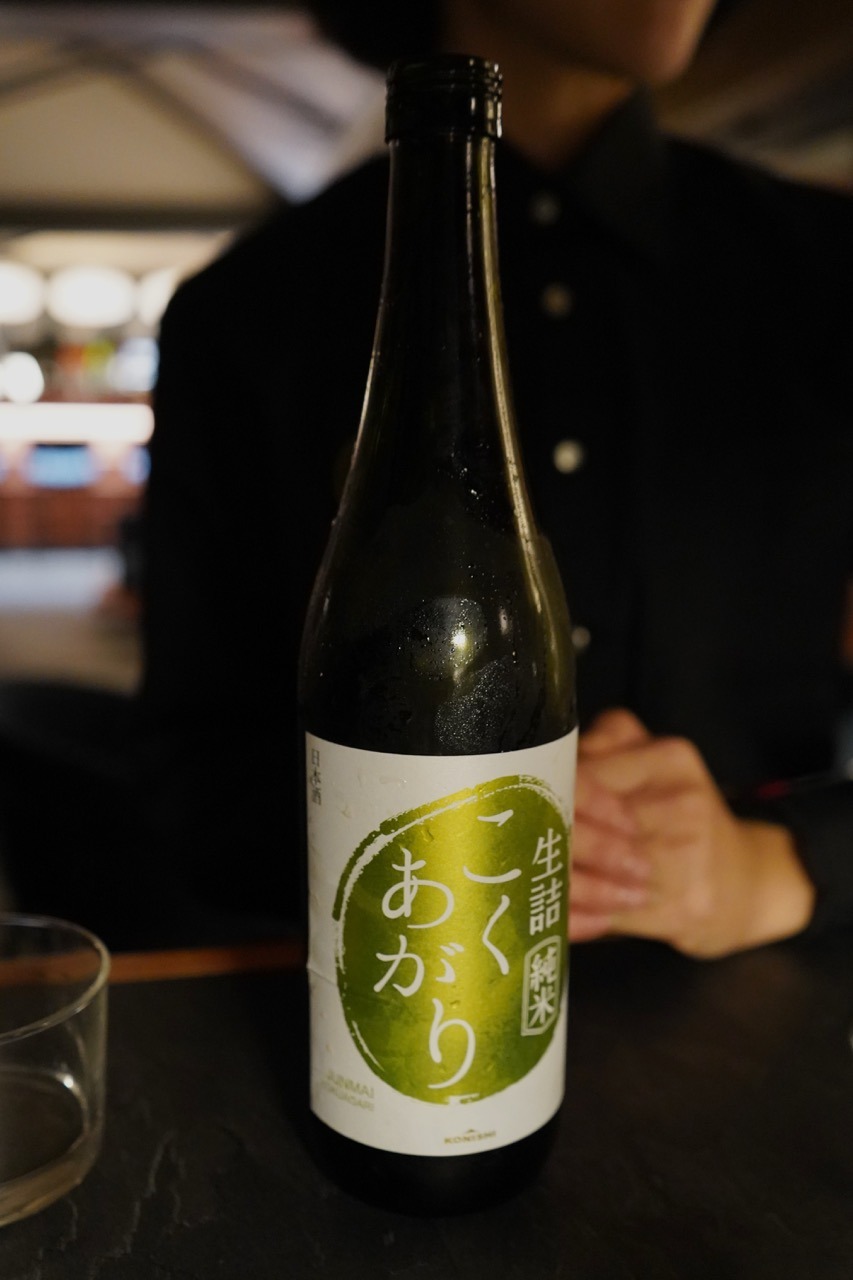
With nigiri, where flavours become deeper and more layered, Nama-zume Kokuagari enters the pairing. This more structured sake, pasteurised only once and made with rice polished to 70 percent, is creamy and lightly spiced, with enough body to support richer dishes while maintaining clarity.
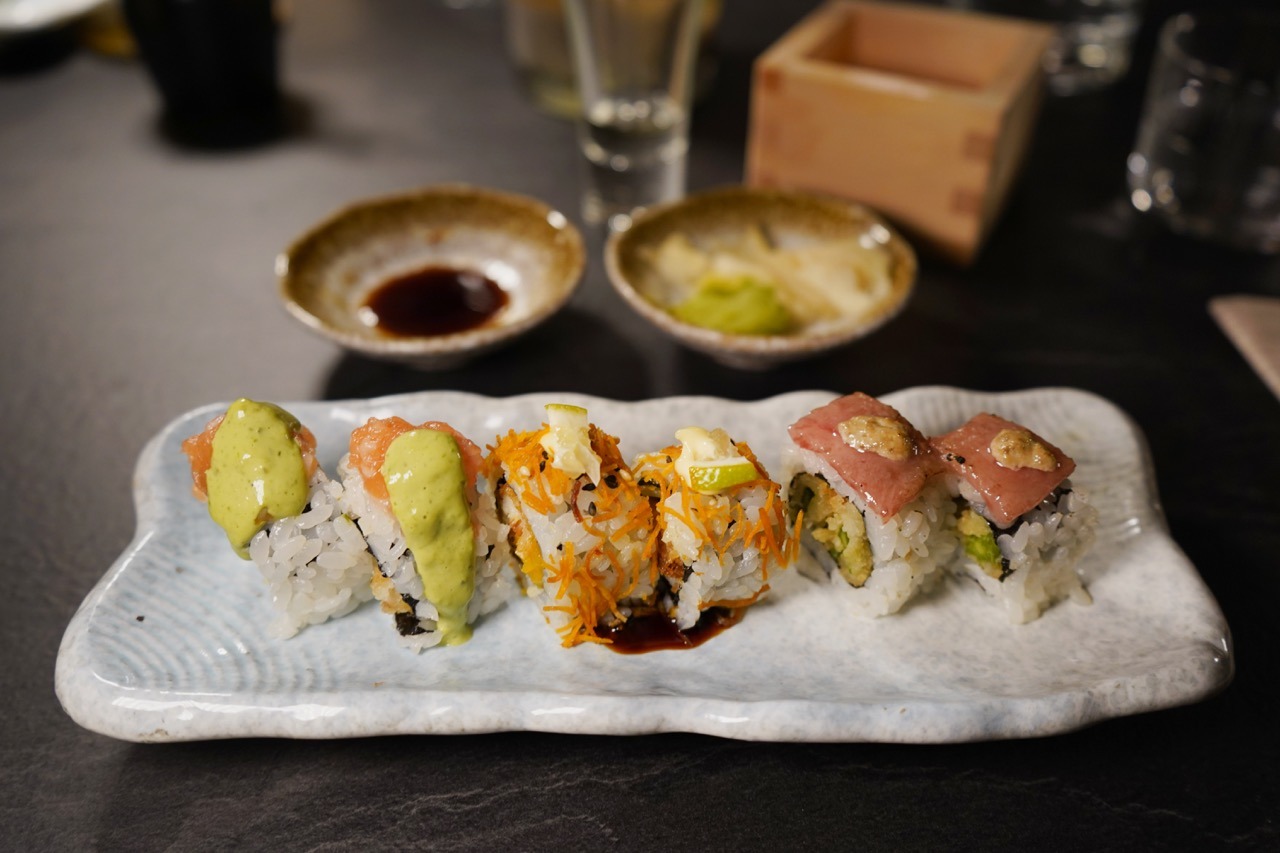
Uramaki introduces the menu’s more contemporary side, where ingredients such as wagyu, truffle, sweet potato, and jalapeño coexist without losing precision, always maintaining a balance that avoids excess.
Although uramaki is not traditionally Japanese in origin, it has become part of contemporary Japanese dining culture, offering a format where flavour combinations can be explored more freely.
Particularly memorable were the versions with jalapeño and sea bream, as well as scallop with leek.
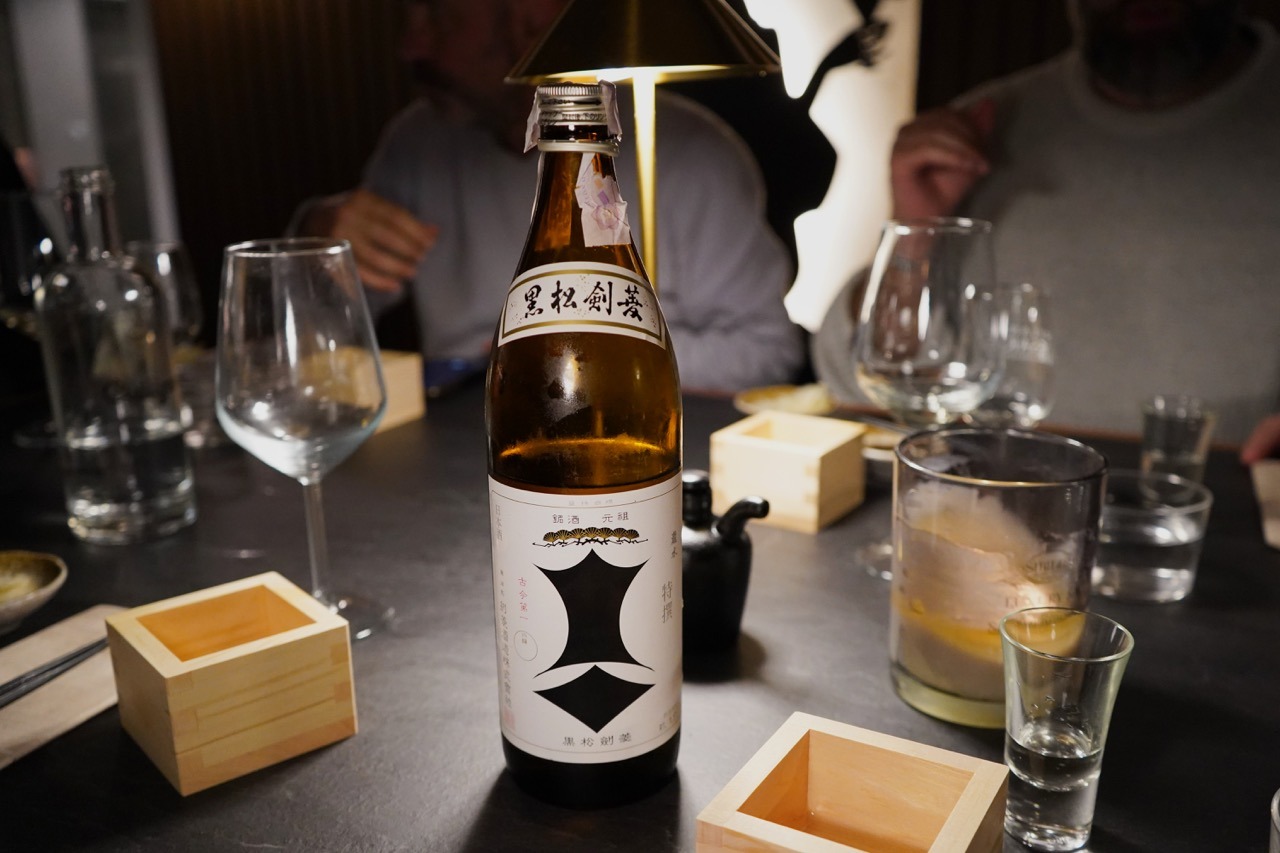
To accompany more intensely flavoured dishes, a more complex sake was required.
Haruna therefore suggested Kuromatsu Kenbishi, an aged sake made with rice polished to 80 percent.
Its ageing and structure give it a fuller, deeply umami-driven profile, capable of standing alongside more assertive dishes.
To highlight its woody aromatic notes, it was once again served in a traditional masu.
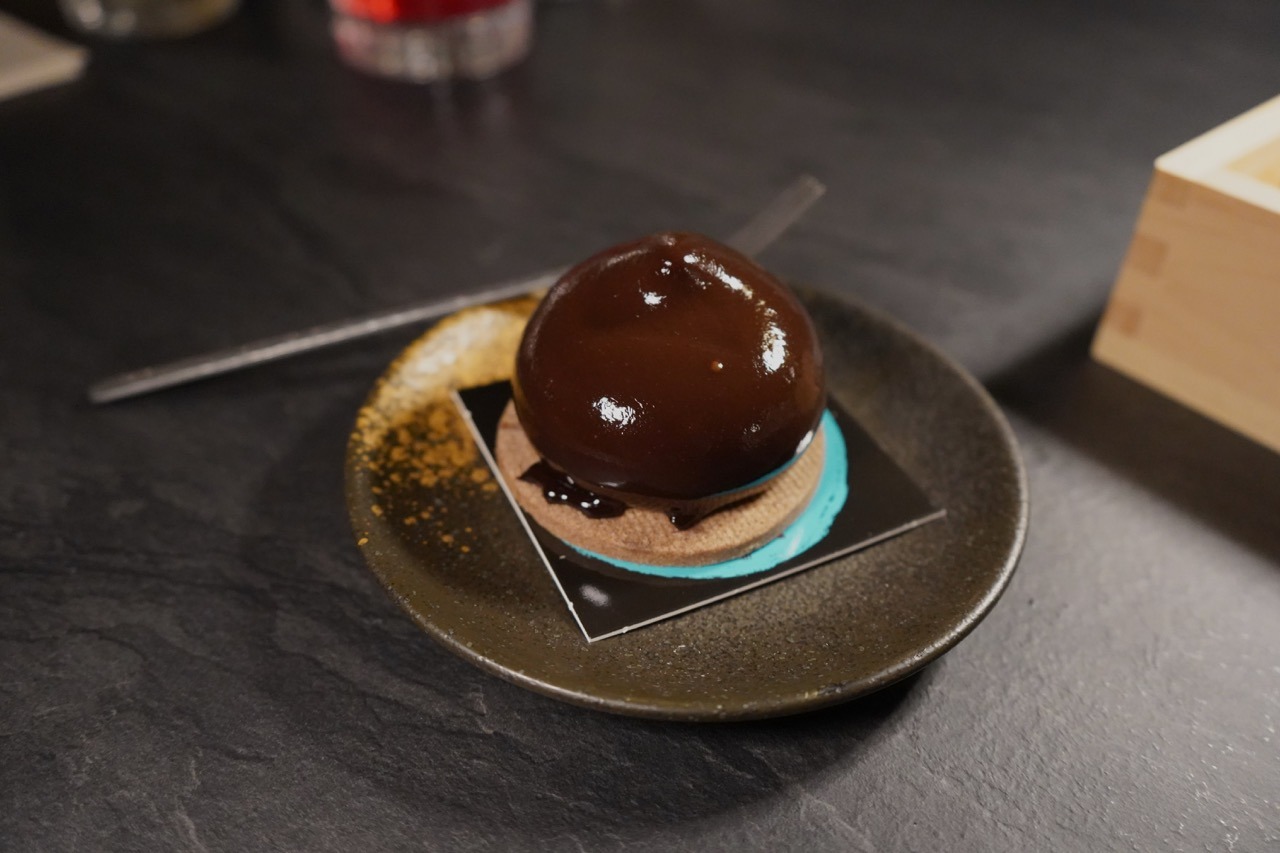
To finish, desserts by Hiromi Cake, Madagascar chocolate mousse, mango and coconut mousse, and a yuzu tart. A clean, coherent ending that feels almost effortless.

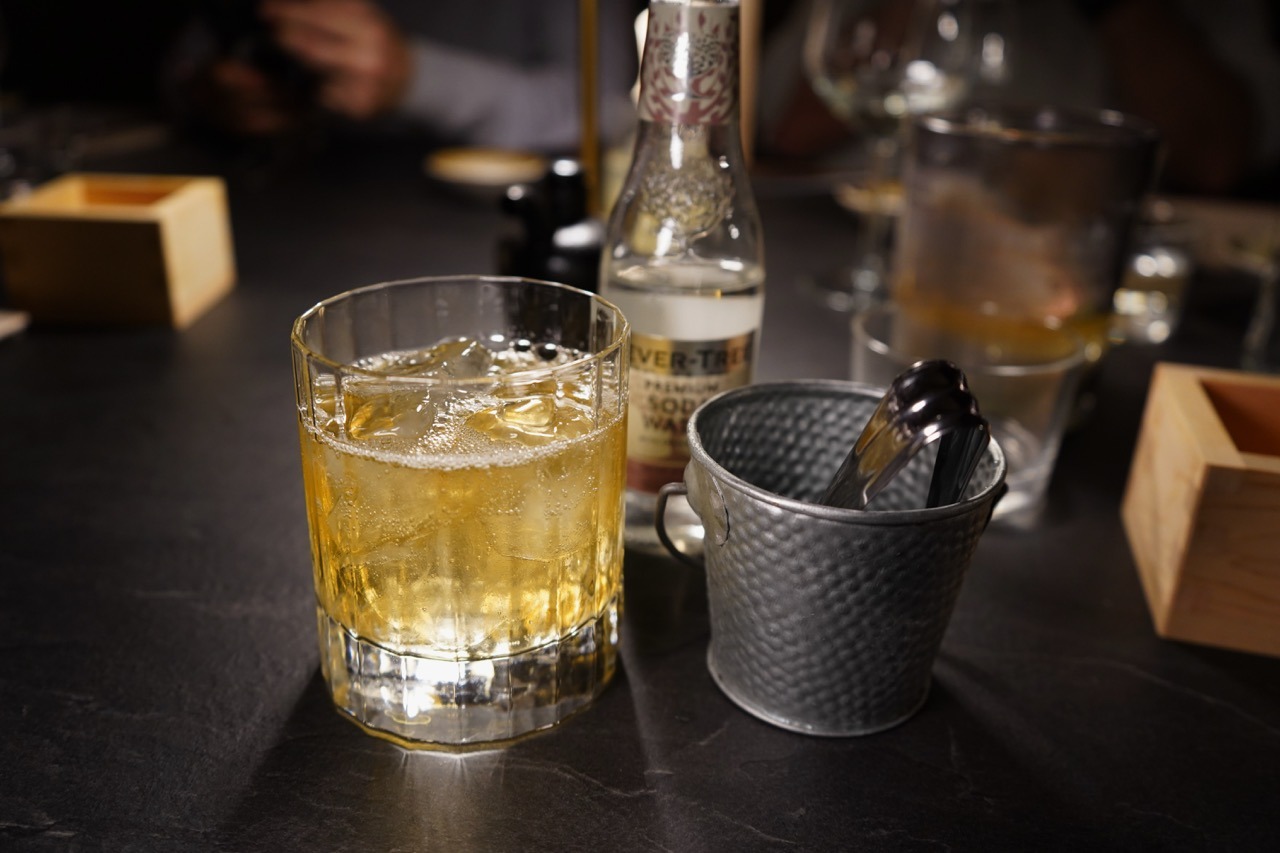
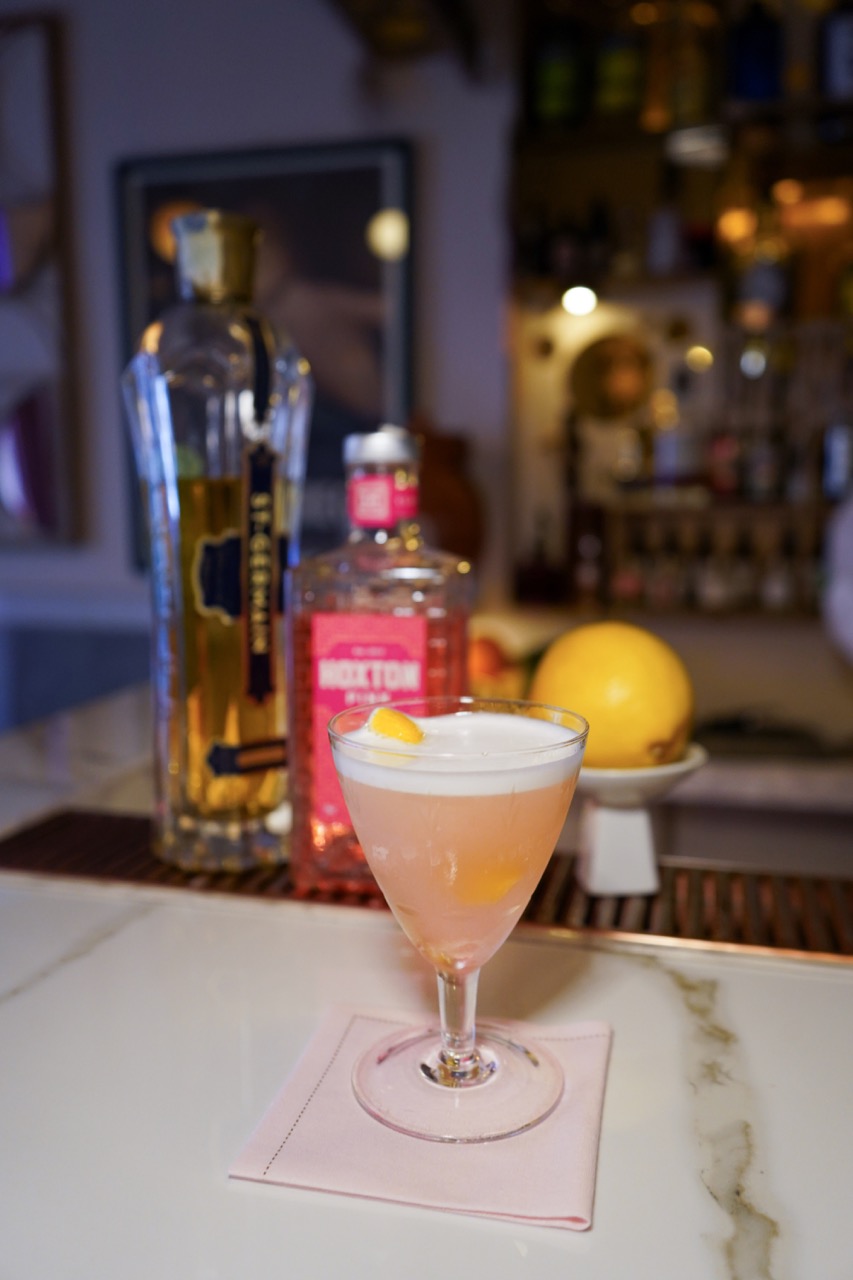
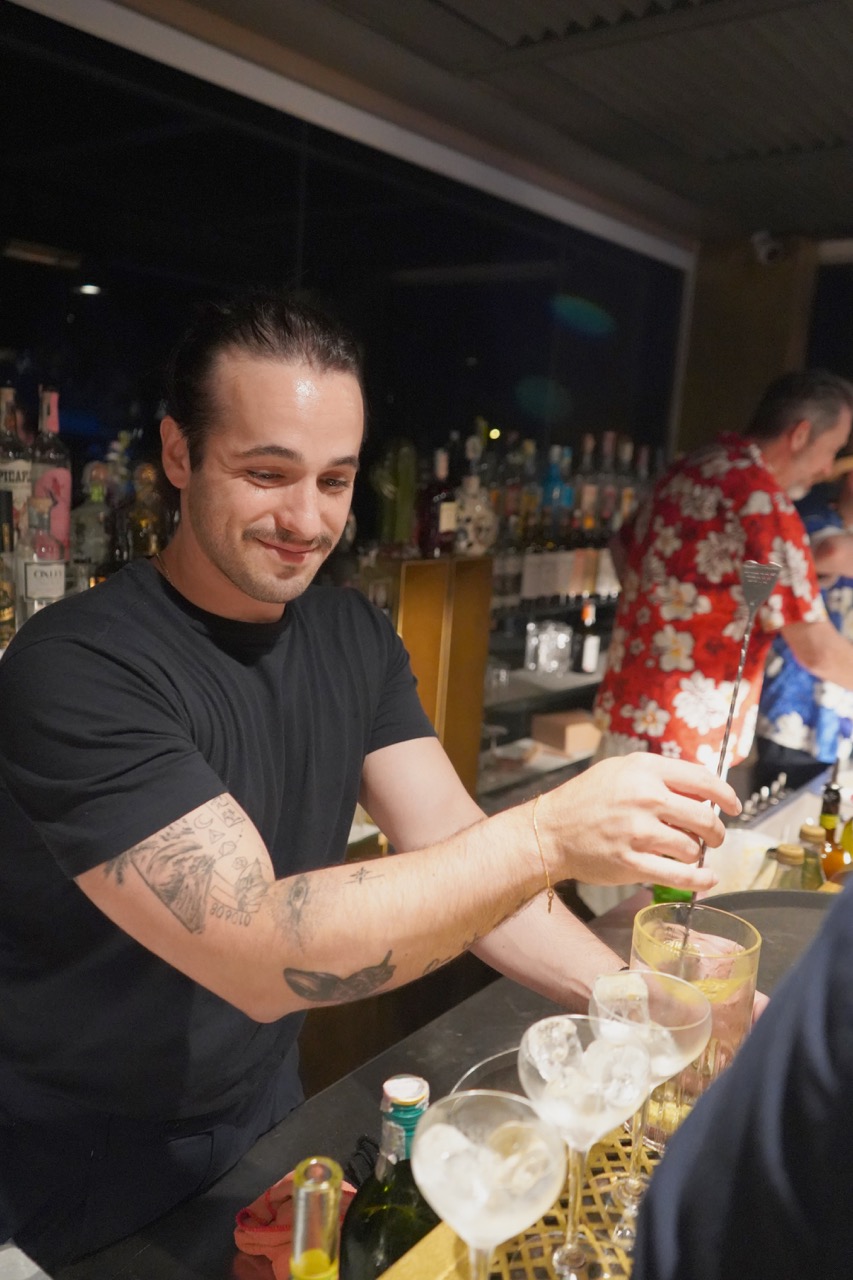
To accompany the desserts, cocktails prepared by bartender Fiammetta provide a final shift in rhythm, a whisky highball and a second signature drink worth mentioning.
Both helping to cleanse the palate and gently close the evening above the rooftops of Rome.
More than simply a new opening, Hiromi La Terrazza proposes a different way of experiencing a Roman rooftop, quieter, slower, where drinking sake while looking out over the city naturally becomes part of the story.
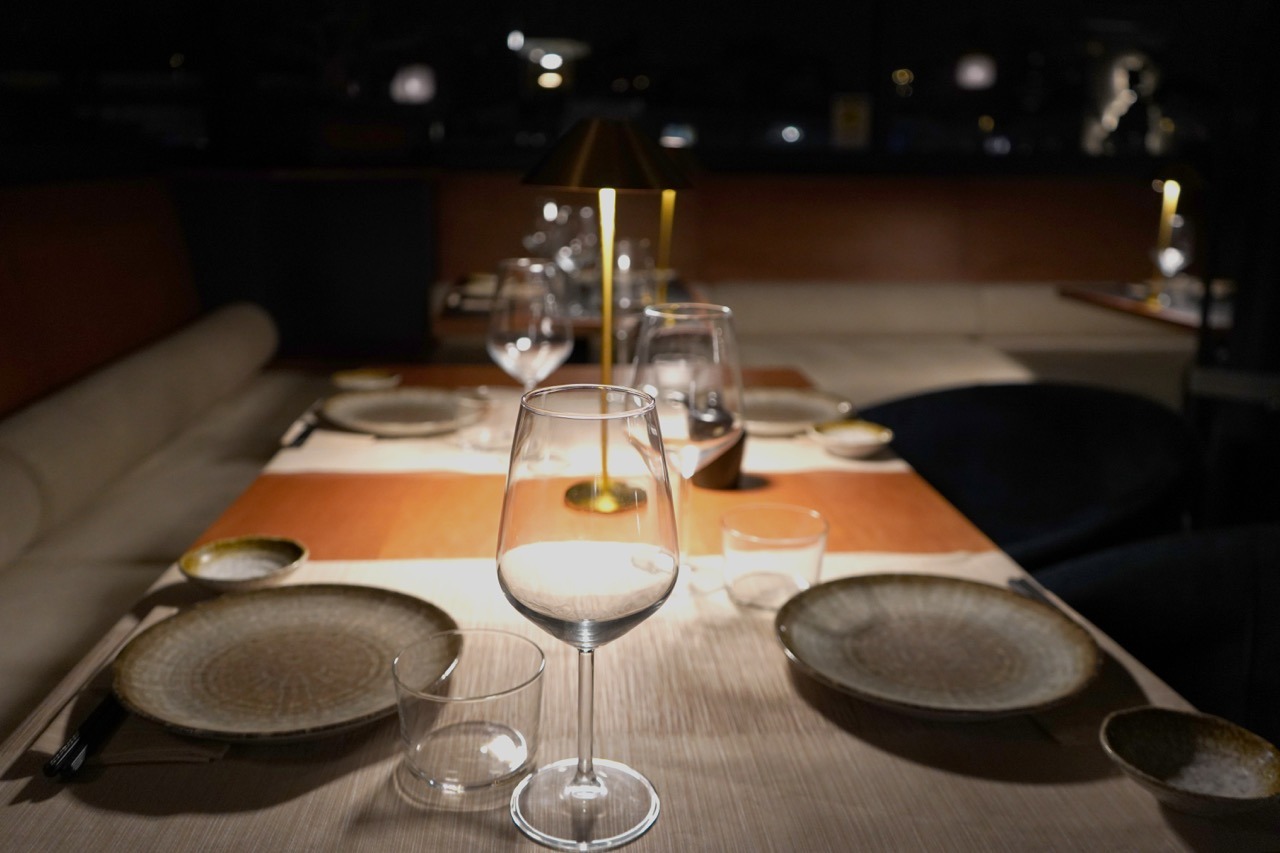
Hiromi La Terrazza






square.jpg)