Inside the World of Slaps & Punch
What can a bartender teach us about identity, ambition, failure, or success?
Those are the kinds of questions explored by Slaps & Punch, one of the most interesting new voices to emerge from Italy's hospitality industry in recent years.
While the YouTube podcast is rooted in the world of bars and cocktails, its conversations rarely stay there. Through long-form interviews with some of Italy's leading bartenders, bar owners, educators, and hospitality professionals, the project uses the bar industry as a lens through which to examine broader human stories and professional journeys.
The result is a series of thoughtful conversations that go far beyond drinks, touching on topics such as leadership, consistency, personal values, money, career choices, and the realities behind success.
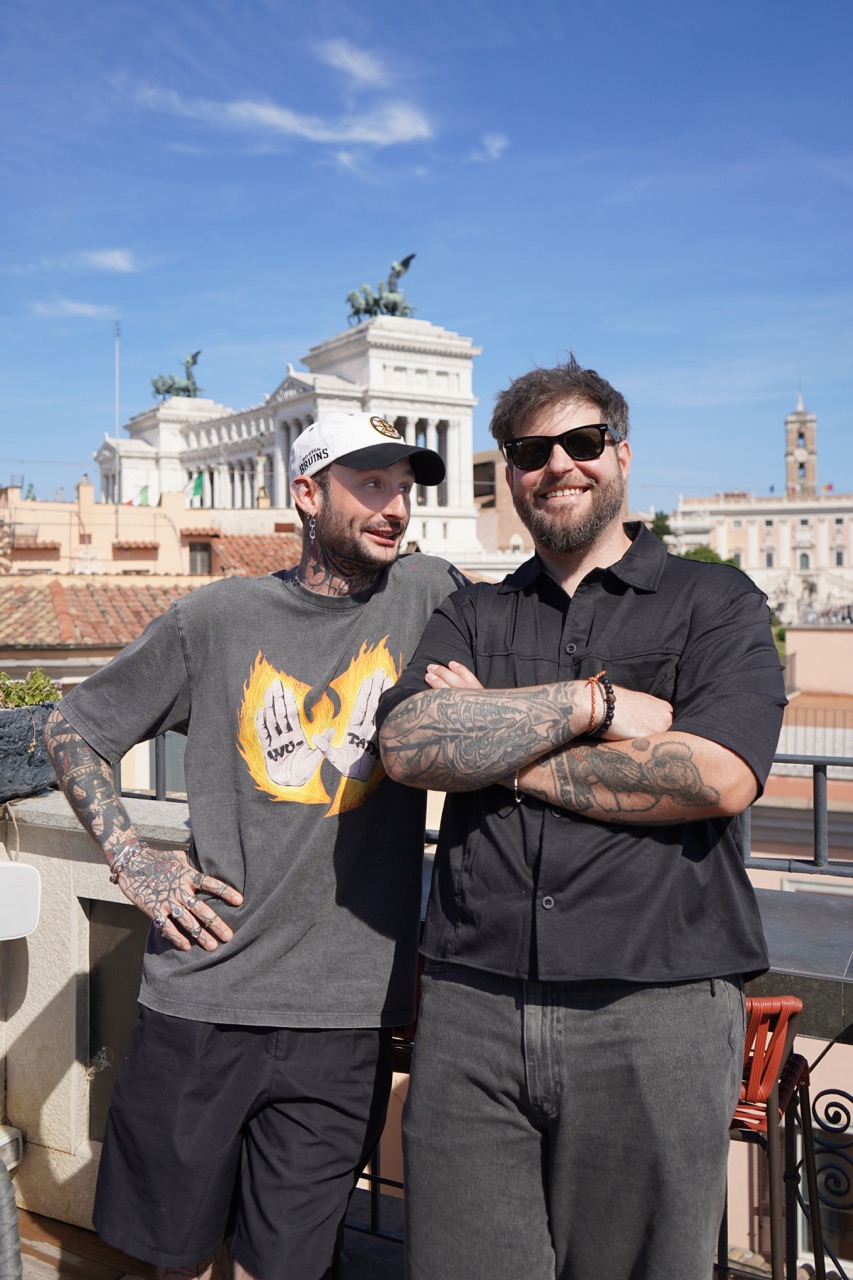
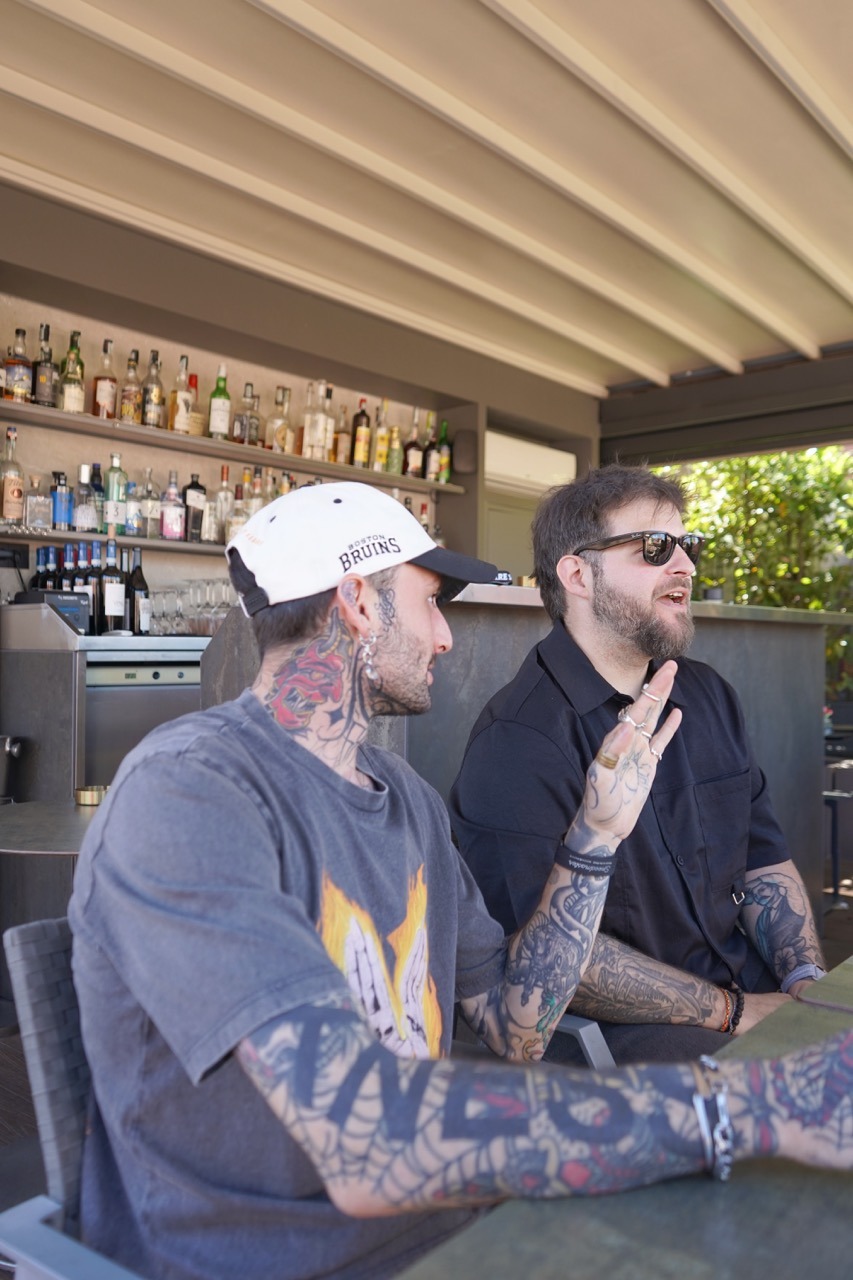
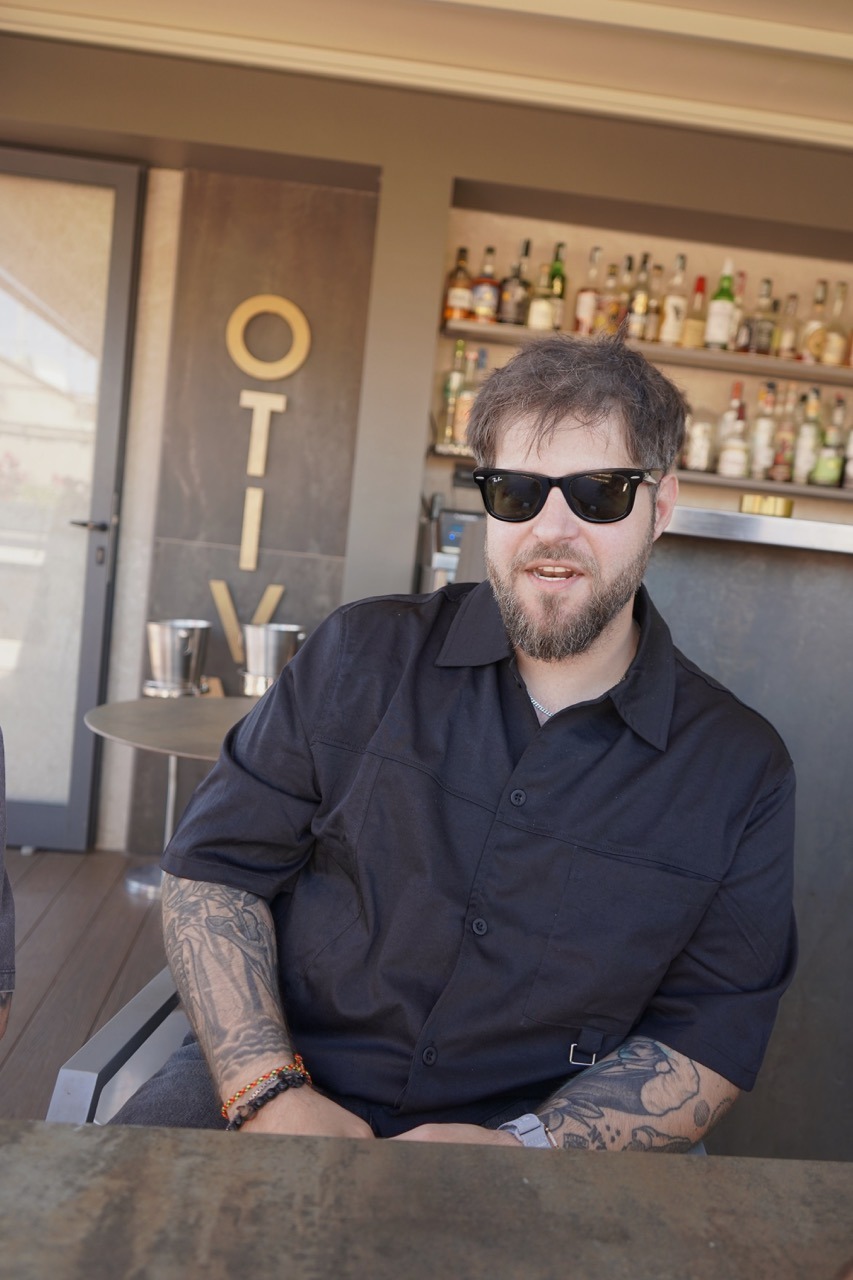
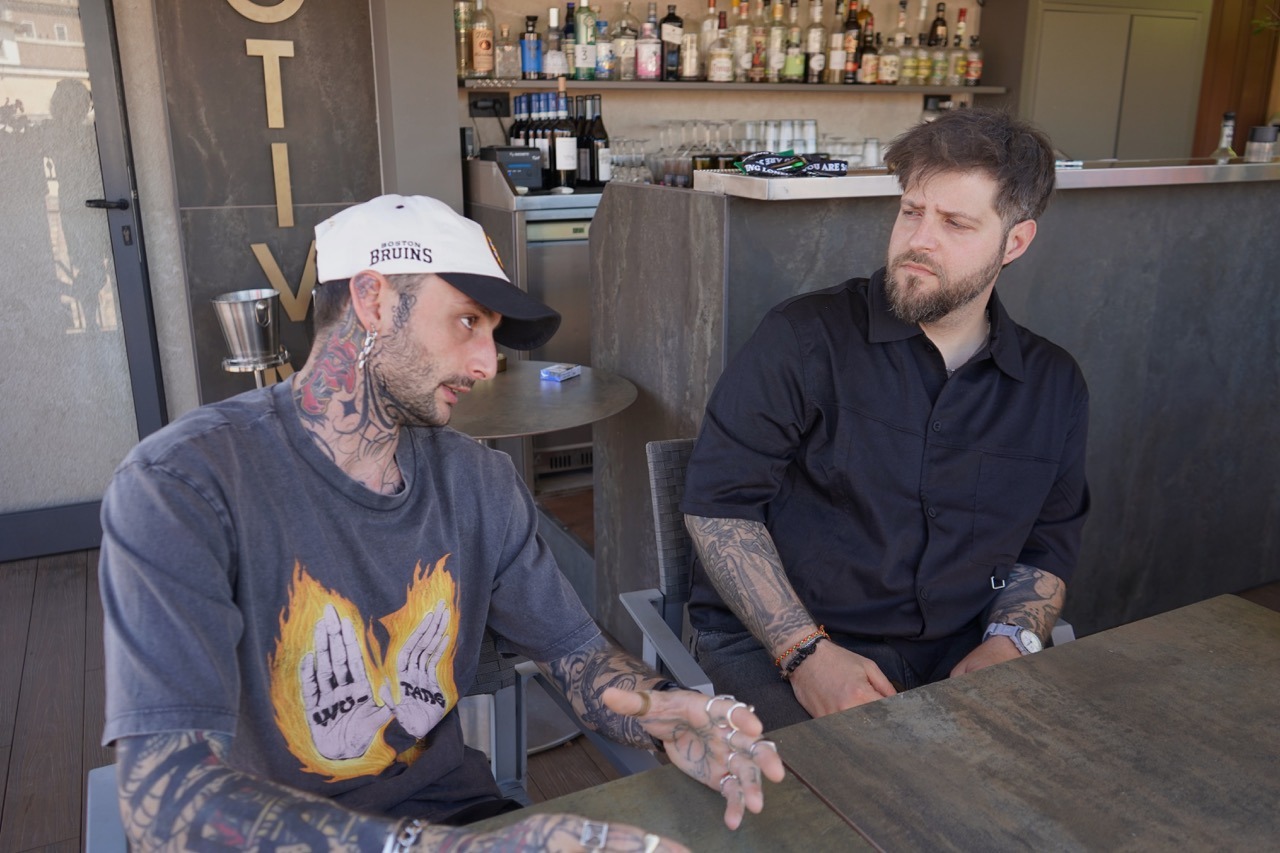
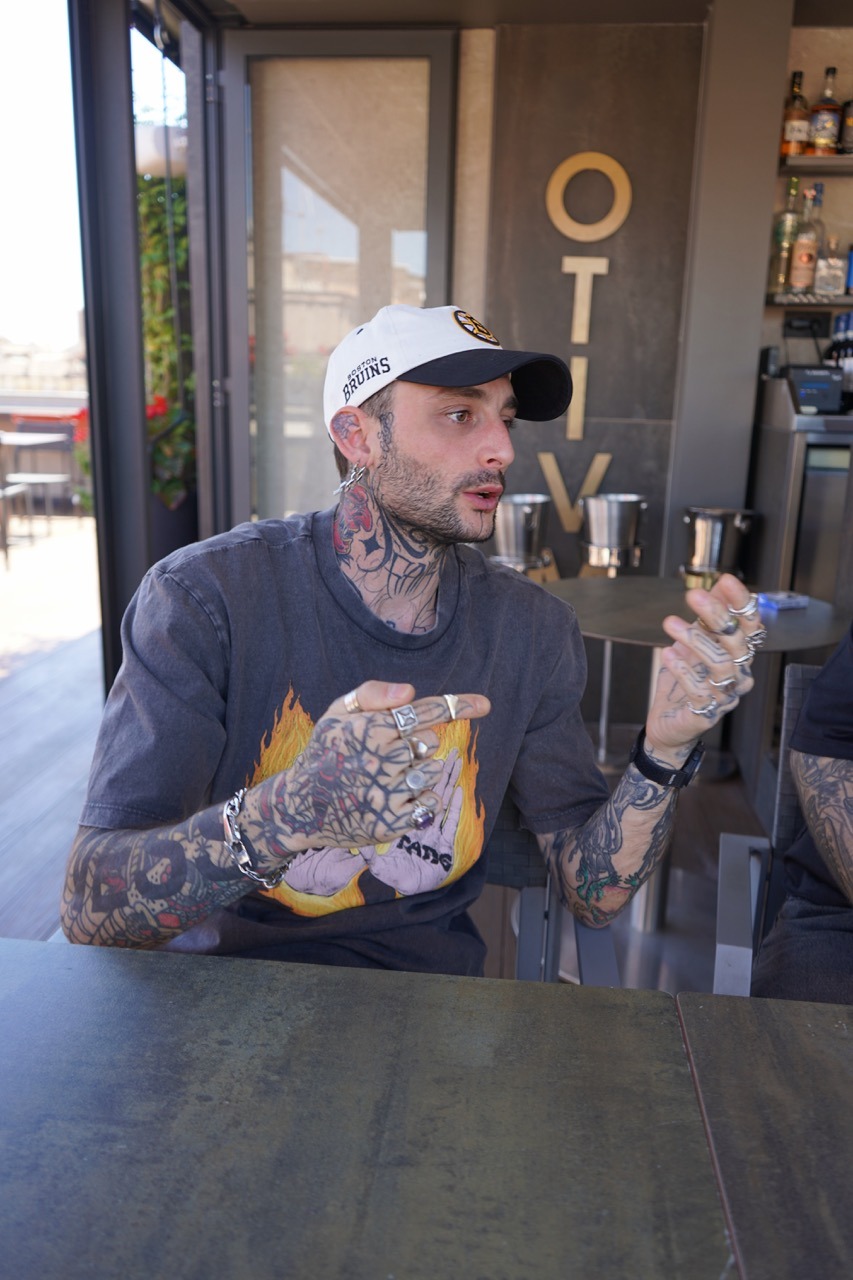
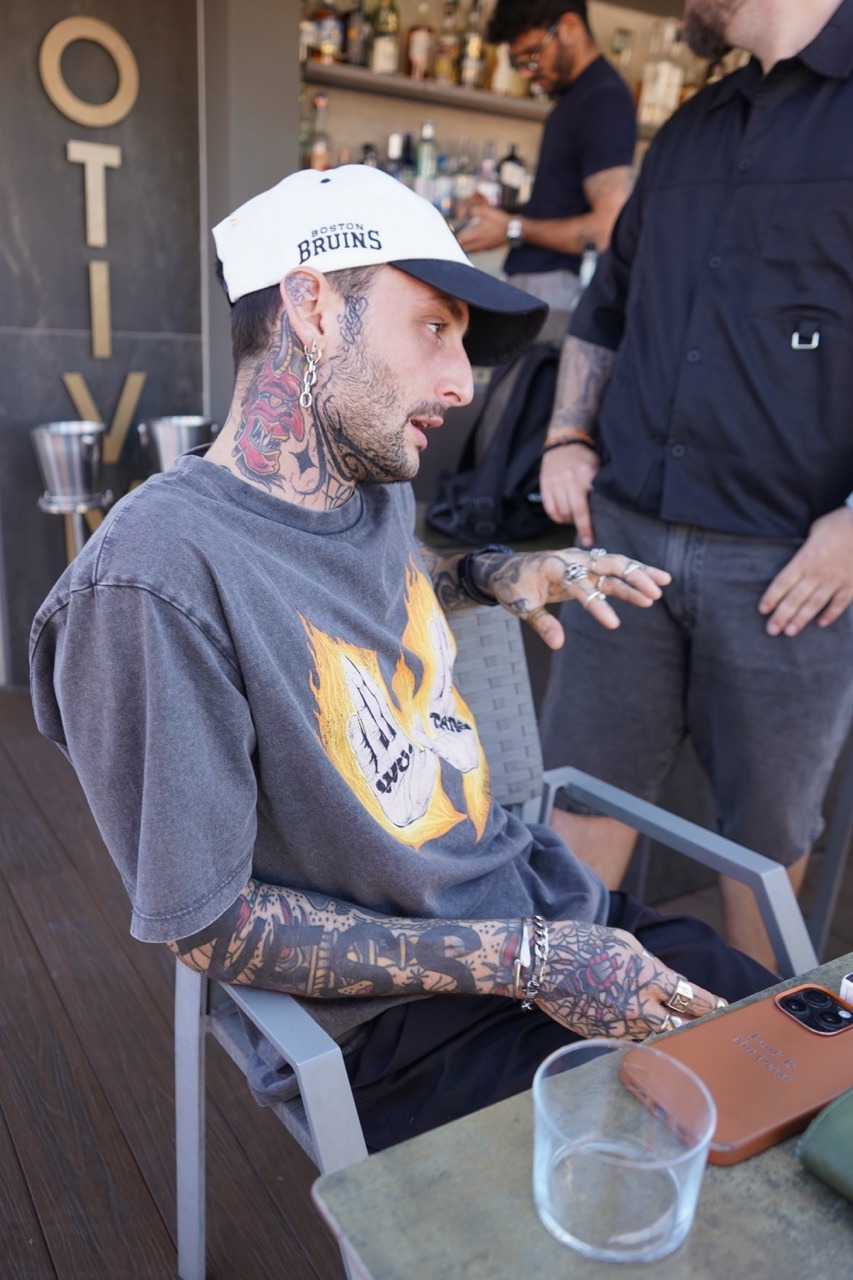
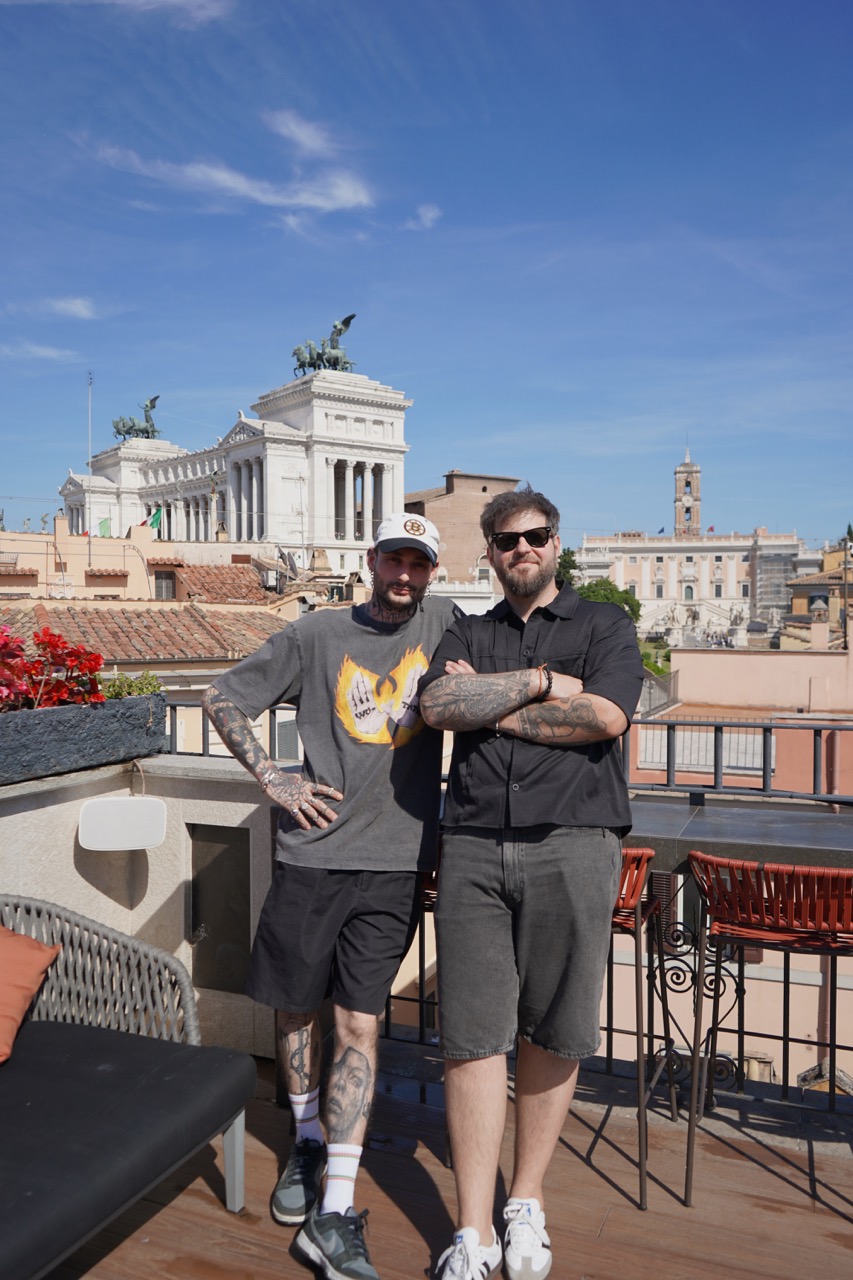
To learn more about the philosophy behind the project, we sat down with founders Giorgio Morino and Matteo Ghittoni to discuss their careers, their time abroad, the creation of Slaps & Punch, and their vision for the future of hospitality.
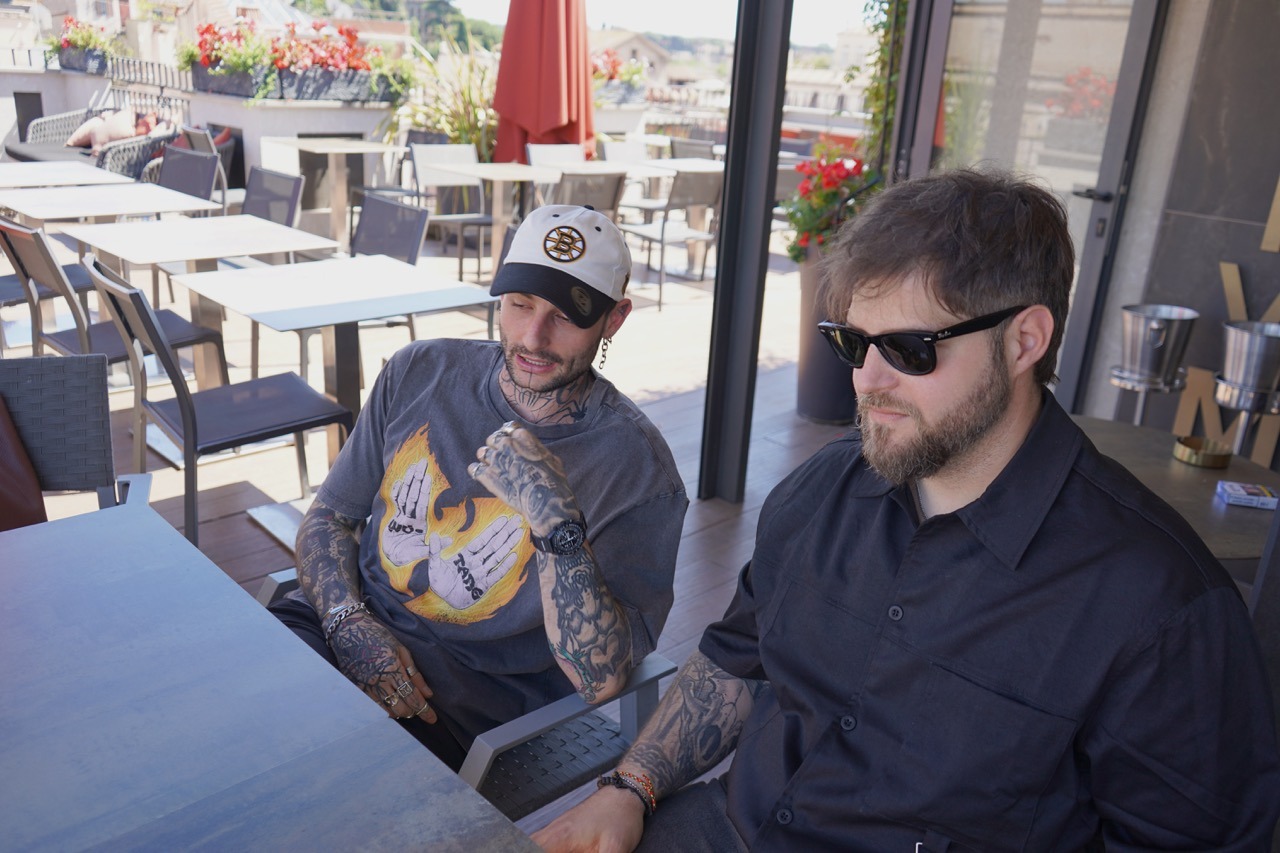
How They Met and How They Entered the Bar Industry
INTERVIEWER
First of all, how did the two of you meet?
GIORGIO
We met about ten years ago.
Technically, we met through a course at Jerry Thomas, but we had actually known who each other were before that.
At the time, Matteo was working at Baccano, while I was writing for a media outlet focused on bartending and cocktail culture. I used to go to Baccano quite often for drinks whenever there were industry events.
Mario Farulla had just joined as manager, and the venue was becoming one of the most exciting places in Rome.
Later on, we met again during the Jerry Thomas course, and eventually we ended up working together in Australia.
Even after returning to Italy, we never actually worked behind the same bar. However, we started collaborating on various projects related to the bar industry, and that's when we really got to know each other.
MATTEO
That's when our friendship started to grow.
Before we knew it, we had become very close friends, and even today we're still working together on a variety of projects.
INTERVIEWER
What first brought each of you into the bar industry?
GIORGIO
My story is a little unusual.
Originally, I wanted to become a journalist.
While training as a reporter, I started writing articles for BlueBlazer.
The more I researched bars and interviewed people in the industry, the more fascinated I became with the bar world itself.
Usually people become bartenders first and then start writing about bars. In my case, it happened the other way around.
I became interested in bartending, enrolled in a bartending course, and eventually began balancing both writing and bar work at the same time.
For several years, I pursued both careers in parallel.
Nowadays, because of some back problems, I focus more on writing than I used to.
The reason I spent so much time at Baccano was actually because I was there for research and interviews.
I was on one side of the bar, asking questions and gathering stories.
Matteo was on the other side, serving drinks.
That was our relationship at the time.
MATTEO
My story is much simpler.
At the time, I was working in nightlife as a PR promoter, so I was already involved in the night-time entertainment world.
However, I knew very little about cocktail bars and cocktail culture.
One day I came across an advertisement for a bartender training course.
At that stage in my life, I still hadn't decided what I wanted to do professionally.
I thought, "Why not give bartending a try?"
I was already comfortable working at night, and it sounded like fun.
So I started almost casually.
But when I attended the course, I met Rosario Agosta.
He's a highly influential figure in the European bar industry, and he was the person who introduced me to Baccano.
He told me:
"A new manager is looking for staff. Let me introduce you."
So I started working there.
The first few months were pure apprenticeship.
I carried crates of water.
I did all the basic jobs.
I handled whatever needed to be done.
But while doing that, I discovered a world that was completely different from the bars I had known in clubs and discos.
I watched how professional bartenders worked.
I observed their approach to service.
I saw how they interacted with guests.
The more I watched, the more fascinated I became.
At some point I realized:
"This is it."
And that's really where my career began.
Later on, Australia entered the picture.
What's funny is that we weren't originally planning to go there together.
We just happened to be preparing to move to Australia at exactly the same time.
We only realized it later.
One day we were talking and suddenly it became:
"Wait, you're moving to Melbourne?"
"You too?"
That kind of conversation.
GIORGIO
It was completely coincidental.
I was planning to move to Melbourne in October, and I was surprised when I found out they were leaving before me.
In the end, Matteo arrived first and the rest of us joined later.
Eventually we ended up living together.
It was a truly special experience.
MATTEO
Preparing for Australia was incredibly difficult.
I didn't have much money at the time, so during the final two months before leaving, I worked two jobs simultaneously.
I worked at Baccano in the mornings and another venue in the afternoons.
The goal was simple: save every euro possible.
To obtain a Working Holiday visa, you needed proof of savings.
You also needed money to rent a place once you arrived.
At the time, the exchange rate was favorable, one euro was worth about 1.6 Australian dollars.
So I prepared as much as I possibly could before leaving.
GIORGIO
At that same time, I was continuing my journalism training.
Originally I mainly wrote about cinema and film.
Then I met people connected to BlueBlazer through the editorial team I was working with, and that's how I became involved in the bar industry.
The first article I ever wrote about bartending covered a competition called Head to Head.
I believe it was around 2016 or 2017.
Eventually I obtained my professional journalist credentials.
However, the reality is that journalism wasn't paying enough to make a living.
That's when I started working in bars.
My first position was at Gin Corner.
Then I moved to Australia.
After returning to Italy, I continued working in various venues.
Looking back, I rarely stayed in one place for very long.
I always wanted to learn new techniques.
I wanted to meet new people.
I wanted to experience different approaches to hospitality and bartending.
By nature, I'm simply not someone who likes staying in the same place forever.
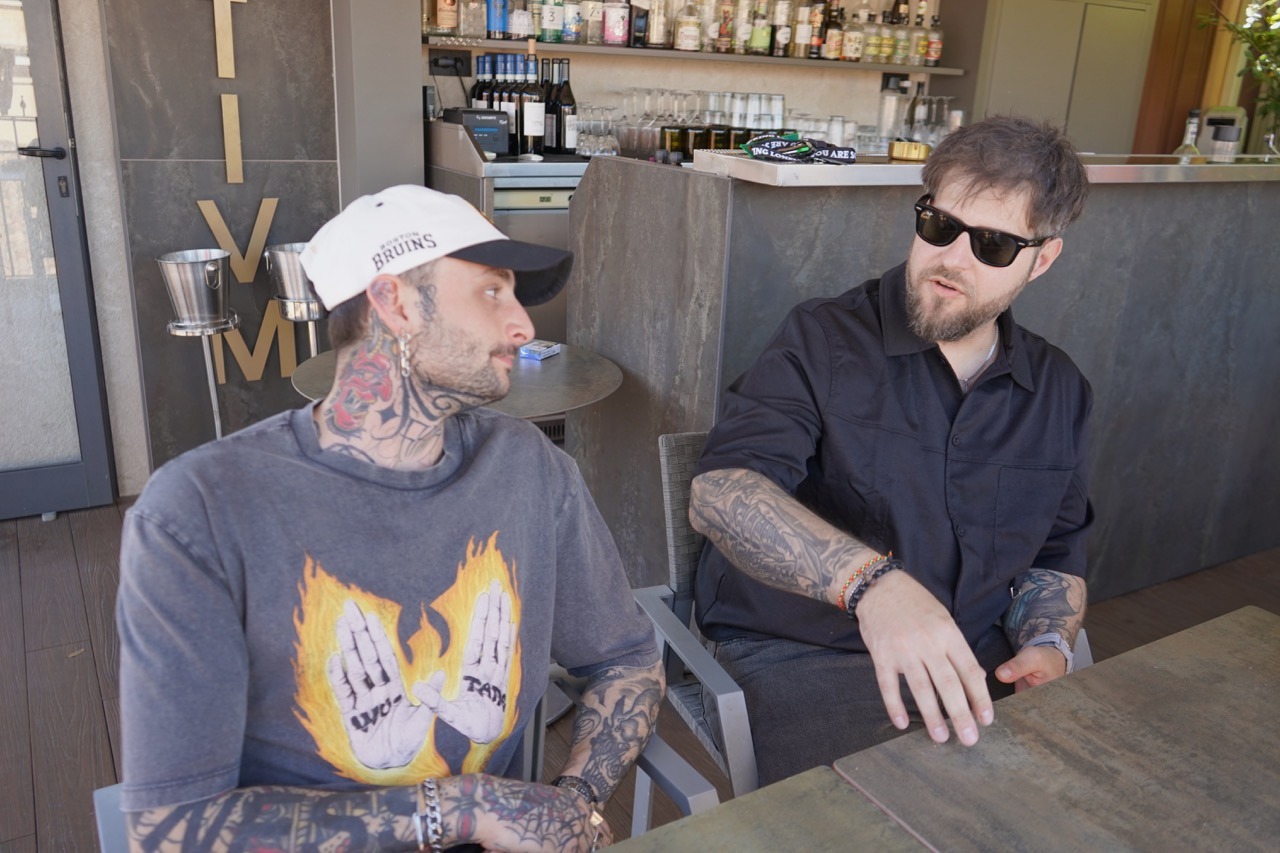
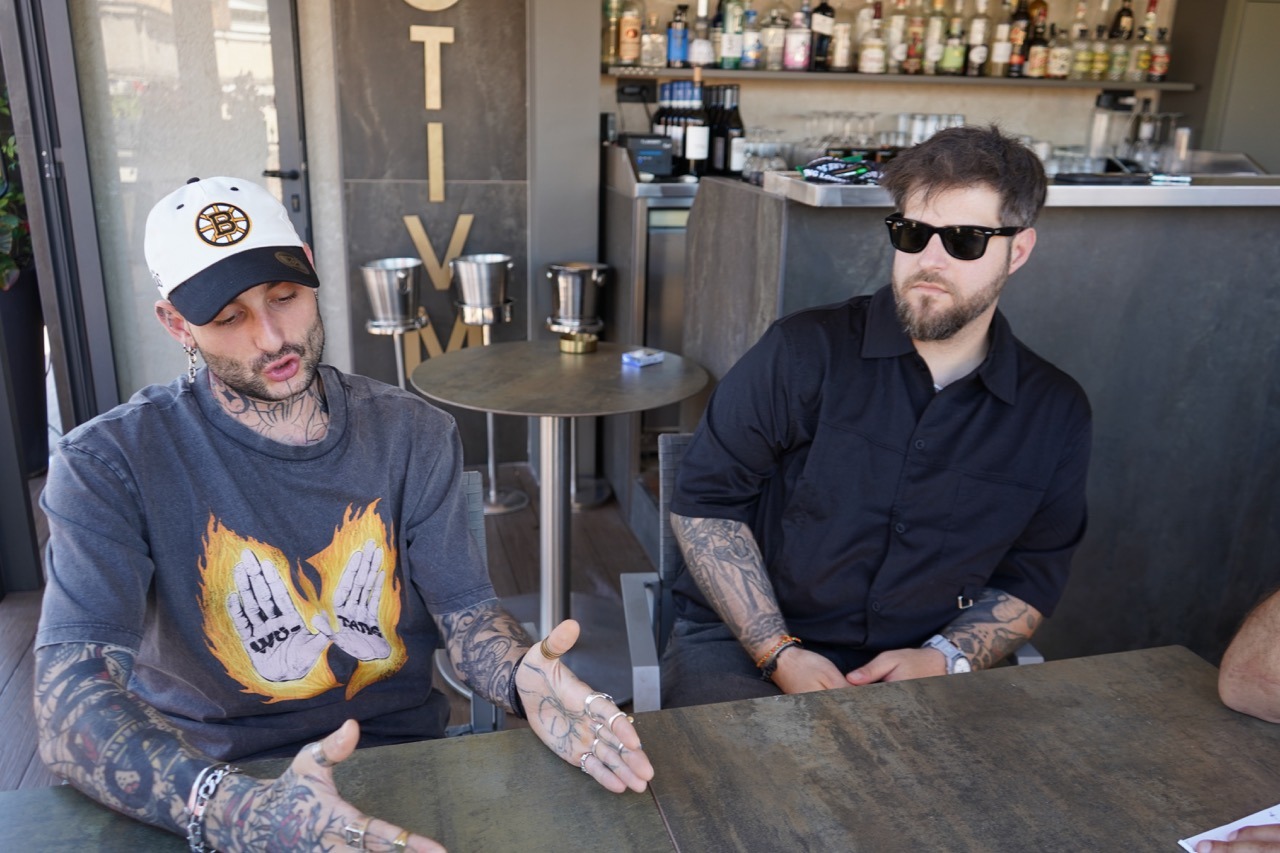
Australia — Differences from Italy, Salaries, Work Culture, and Education
INTERVIEWER
What were the biggest differences you noticed when you moved to Australia?
MATTEO
The first thing I would say is that the way people work is completely different.
The rules are much clearer than in Italy.
Working hours, checklists, responsibilities—everything is defined in detail.
For example, if a particular role is assigned to you, you generally focus on that role and nothing else.
Of course, people still help each other when necessary.
But they do it voluntarily, not because they're expected to compensate for a lack of staff.
In Italy, it's normal for one person to perform multiple roles.
If someone is missing, another person steps in.
In Australia, however, businesses tend to hire the number of people they actually need.
They have the resources to do so.
As a result, there isn't the same culture of overworking one person by making them do the jobs of three different people.
GIORGIO
And from another perspective, people like us—foreign workers—are actually considered relatively inexpensive labor.
Of course, we were still paid enough to live comfortably.
But by Australian standards, our salaries weren't considered particularly high.
From an Italian perspective, though, the conditions were incredible.
MATTEO
To give you an example, at the time a typical bartender in Italy earned around €1,500 to €1,600 per month.
Even if your contract stated forty hours a week, you could easily end up working forty-five or fifty.
In Australia, my starting salary was around AUD 900 per week.
That worked out to roughly AUD 3,600 per month.
Then you added tips on top of that, bringing it close to AUD 4,000.
At the same time, I was working only thirty-five to thirty-eight hours a week.
For Australians, that was a fairly normal salary.
For someone arriving from Italy, it was shocking.
GIORGIO
My experience was similar.
I earned the equivalent of roughly €3,000 to €3,400 per month.
With tips included, it could approach €4,000.
That said, the cost of living was also much higher.
You were paid every two weeks, but rent was due every two weeks as well.
Food was expensive.
And if you enjoy drinking, your expenses can become ridiculous very quickly.
MATTEO
That's absolutely true.
Australia is a difficult country for people who love drinking.
In Italy, cocktail prices are generally calculated according to ingredient costs.
In Australia, prices are much more directly linked to the amount of alcohol being served.
One shot costs this much.
Two shots cost that much.
It's a very American way of thinking.
Taxes are also significantly higher.
Inventory management is incredibly strict as well.
I remember the first time I tried pouring a shot of Fernet-Branca.
Everyone around me looked shocked.
"What are you doing?" they asked.
I replied, "It's just a shot of Fernet."
And they said, "That costs forty dollars."
I couldn't believe it.
GIORGIO
The same mentality extended to staff drinking.
It wasn't necessarily about drinking itself.
It was about cost control.
MATTEO
Exactly.
If you drank a shot, it had to be recorded.
In some venues, staff drinking was completely forbidden.
At one of the bars where I worked, there was a designated allowance for complimentary shots.
You could either offer those drinks to guests or use them yourself.
But even that was carefully monitored.
At the end of every month, everything was audited.
If one hundred shots had disappeared from inventory, management expected to know exactly where those hundred shots had gone.
If the staff had consumed twenty of them, there had to be a clear explanation for those twenty drinks.
That was the culture.
GIORGIO
But there was a positive side to that level of control.
The quality of the operation remained consistent.
MATTEO
And above all, there was meritocracy.
That was probably the biggest difference.
Let's say you joined a company with a skill level of five out of ten.
The company would treat you as a five.
But if you worked hard and improved to an eight, people noticed.
Management would approach you and say:
"You've grown."
"You've improved."
"Let's talk about a raise."
That doesn't always happen in Italy.
GIORGIO
Australia was also the first place where I saw bars using barcode scanners for inventory management.
Everything was monitored.
Everything was measured.
Of course, the downside was the cost of living.
And socially speaking, Australia isn't as rich or vibrant as Italy.
But as a place to gain professional experience, it's exceptional.
If a young bartender asked me where they should go abroad, I would recommend Australia without hesitation.
INTERVIEWER
Why Australia specifically?
GIORGIO
Because Italian bartenders are highly respected internationally.
Wherever you travel, if you visit a renowned cocktail bar, chances are you'll find an Italian working there.
Sometimes they're the owner.
Sometimes they're the head bartender.
Sometimes they're key members of staff.
Italian bartending and mixology have an incredibly strong reputation worldwide.
Because of that, someone with solid experience in Italy often arrives in Australia with a significant advantage.
They are taken seriously from day one.
As a result, they can access opportunities much faster than they might at home.
Positions that could take years to achieve in Italy—such as Bar Manager or Head Bartender—may become available much sooner.
MATTEO
There was another aspect that impressed me even more than salaries or career opportunities.
The education system.
INTERVIEWER
The education system?
MATTEO
Yes.
In Australia, you need a certification in order to serve alcohol.
The most common qualification is called RSA—Responsible Service of Alcohol.
But it isn't simply a technical bartending course.
It teaches you how to handle intoxicated guests.
How to avoid conflicts.
How to manage potentially dangerous situations.
It's genuine safety training.
GIORGIO
In Italy we have HACCP certification.
And of course that's important.
But HACCP focuses primarily on food safety and hygiene.
RSA goes much further.
It includes guest management and workplace safety.
For example, if an extremely intoxicated guest enters your venue, you're taught exactly how to respond.
How to refuse service.
How to de-escalate a situation.
How to involve security staff if necessary.
Those are all part of the training.
MATTEO
One thing I found fascinating was that they formally teach you:
"Do not serve alcohol to intoxicated guests."
GIORGIO
That's a major difference from Italy.
Unfortunately, there are still places where people think:
"The drunker the guest becomes, the more they'll spend."
In Australia, the logic is completely different.
If someone is intoxicated, you stop serving them.
That's simply considered normal professional behavior.
INTERVIEWER
So what you gained from Australia wasn't just technical knowledge—it was a completely different way of thinking about the profession.
MATTEO
Exactly.
Technical skills can be learned almost anywhere.
But understanding how organizations are built, how people are evaluated, and how education is structured—that was the most valuable lesson of all.
It's probably the biggest thing I brought back with me.
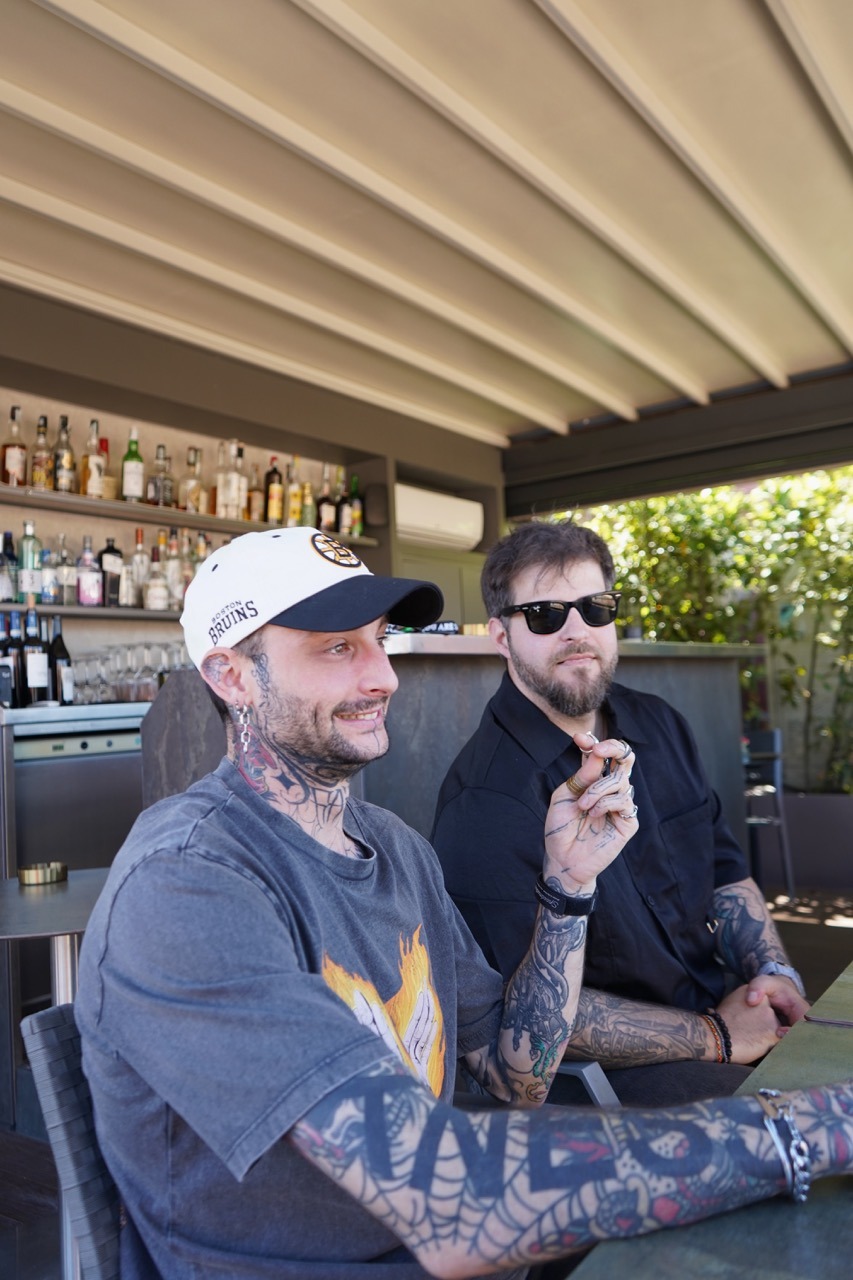
Returning to Italy — Career Development, Sardinia, Covid, and the Road to Slaps & Punch
INTERVIEWER
What happened after you returned from Australia? How did your careers evolve from there?
GIORGIO
I started working at Lana almost immediately after coming back to Italy.
At the same time, I continued working as a writer and pursuing other projects.
In fact, during that period I even wrote a book.
For a while, my life was split between writing and bartending.
The path was Lana first, then later Latteria.
MATTEO
My experience was a little different.
Rather than jumping straight back into work, I took some time to pause.
After spending a year abroad, I felt I needed to reassess what I wanted to do next.
While I was in Australia, I had become somewhat disconnected from the Rome bar scene.
So I took a short break before looking for work again.
Eventually I returned to a company I had already been involved with.
At the time they were expanding and opening new venues, and I joined a project called Amazonia.
There I began working not only in one venue, but across multiple operations.
That experience was extremely important for me.
Until then, I had always seen myself primarily as a bartender.
At Amazonia, I started developing a management perspective.
I began looking beyond the bar itself and understanding how businesses were run.
Around the same time, I also started doing seasonal work during the summer.
Every year I would leave for a resort destination for two or three months.
That became a regular part of my life for about three years.
GIORGIO
What's funny is that one year we were both in Sardinia at exactly the same time.
And yet we never saw each other once.
MATTEO
Not once.
Even though we were both in Porto Cervo.
GIORGIO
I was working at Confusion, the Michelin-starred restaurant.
MATTEO
And I was working at another venue nearby.
The distance between us was actually very small.
But we were both so busy that we never managed to meet.
GIORGIO
I think we exchanged messages twice.
"Where are you?"
"Porto Cervo."
"Me too."
And that was the end of the conversation.
MATTEO
Exactly.
That pretty much sums it up.
INTERVIEWER
Then Covid arrived.
MATTEO
Yes.
At that time I was working in Porto Rotondo.
Unfortunately, that was also where one of the early Covid clusters emerged.
It happened during the very early stages of the pandemic in Italy.
The moment I heard on the news that there had been a confirmed case, I said:
"Right, I'm going back to Rome."
And I immediately headed for the port.
GIORGIO
Meanwhile, I stayed where I was and went through all the testing procedures.
MATTEO
I left immediately.
There was no hesitation.
The months that followed were incredibly difficult.
The entire bar industry came to a standstill.
Nobody knew what would happen.
Would bars be allowed to open?
Would they remain closed?
What would tomorrow look like?
No one had answers.
I stayed with the company and alternated between working and waiting, depending on restrictions and regulations.
It was an extremely unstable period.
But at the same time, I learned a great deal.
I learned about business.
I learned about cash flow.
I learned what it really means to employ people and manage a team.
The crisis forced me to look at hospitality from a completely different perspective.
INTERVIEWER
And what happened after that?
MATTEO
Afterwards, I became involved in a business project with several friends.
Diego, Dario, Sergio, and others.
That experience pushed me even further into management.
I wasn't just overseeing a single venue anymore.
I was helping manage multiple operations.
And in many ways, that's the path that eventually led me to where I am today.
GIORGIO
What I find interesting is that our careers seemed to move in different directions, but they always ended up crossing again.
INTERVIEWER
What do you mean by that?
GIORGIO
I gravitated toward writing, education, and communication.
Matteo gravitated toward operations, management, and the day-to-day realities of running bars.
On the surface, those look like completely different worlds.
But we shared the same language: the bar industry.
And because of that, we kept finding ourselves working together again and again.
MATTEO
That's true.
The experiences we had in Australia were different.
The experiences we had after returning to Italy were different.
Yet in many ways we were observing the same world through different lenses.
GIORGIO
Eventually those two perspectives converged.
And that's when a new project began to take shape.
INTERVIEWER
That project became Slaps & Punch.
MATTEO
Exactly.
That's where the story finally connects to the present.
Everything we had experienced up to that point became the foundation of Slaps & Punch.
Our work behind the bar.
Education.
Writing.
Management.
International experience.
Relationships.
The people we met along the way.
All of those elements came together and eventually formed something concrete.
GIORGIO
That's why Slaps & Punch wasn't a project that appeared overnight.
It wasn't a spontaneous idea.
It was the result of more than ten years of accumulated experiences.
And in many ways, that's exactly the message we want to communicate.
The bar industry is not a world where success happens instantly.
People are built experience by experience.
Every shift.
Every mistake.
Every opportunity.
Every encounter.
Those things shape who you become.
And that's the journey we want to share with others.
The Birth of Slaps & Punch — Why We Started the Podcast
GIORGIO
The truth is, we didn't originally set out to create a podcast.
It actually started as a completely different project.
Both of us had become increasingly interested in education.
I had been interested in it for some time, and Matteo gradually developed the same passion.
We started discussing the possibility of launching a small educational project aimed at hospitality professionals.
The idea was to organize training sessions, workshops, and professional courses.
In fact, we even managed to run a few courses.
But for various reasons, the project never developed as far as we had originally hoped.
At the same time, however, something else began to happen.
While preparing those educational initiatives, we started experimenting with short-form video content.
MATTEO
The series was called Peroni e Maleducazione.
Looking back now, maybe the name wasn't the smartest choice from a copyright perspective.
Luckily, everything has since been taken offline.
GIORGIO
The concept was simple.
We would discuss hot topics within the bar industry.
Issues that were generating debate.
Topics that divided opinions.
We approached them with a slightly provocative tone and a sense of humor.
The goal wasn't to provide definitive answers.
The goal was to start conversations.
MATTEO
What surprised us was how well people responded.
The engagement was far beyond what we expected.
But more importantly, we genuinely enjoyed doing it.
At some point we looked at each other and thought:
"What if we turned this into a real podcast?"
GIORGIO
The challenge was that there were already plenty of hospitality podcasts out there.
So we had to ask ourselves an important question:
What could we bring to the conversation that was genuinely different?
What angle would actually have meaning?
MATTEO
Eventually we found our answer.
We decided to focus on people.
GIORGIO
For us, the most fascinating aspect of the bar world isn't the drinks.
It isn't the venues.
It isn't even the cities.
It's the people.
That's what has always interested us most.
So instead of asking:
"What cocktail do you make?"
We wanted to ask:
"What kind of life have you lived?"
We wanted to hear stories about success.
Stories about failure.
Difficult periods.
Turning points.
The experiences that shaped people.
How they see the bar industry.
What philosophies guide them.
That's where our curiosity was.
MATTEO
Because even when two people work in exactly the same profession, they can have completely different perspectives.
That's what makes those conversations interesting.
GIORGIO
Our first guest was Daniele De Angelis.
The second was Massimo D'Addezio.
Two completely different individuals.
Different generations.
Different career paths.
Different ways of looking at hospitality.
And yet both conversations were incredible.
MATTEO
That's the beauty of this industry.
There isn't a single correct path.
There isn't one universal definition of success.
Everyone interprets the profession differently.
That's why every personal story is worth hearing.
GIORGIO
Ultimately, the protagonist of our podcast isn't the bar.
It's the person behind it.
Of course, conversations inevitably return to hospitality.
We're all part of the bar industry.
We talk about cocktails.
We talk about venues.
We talk about service.
But those topics are simply vehicles for understanding the individual behind them.
MATTEO
For example, I'm not particularly interested in asking:
"What do you think about this bar?"
But I am deeply interested in asking:
"What does a bar mean to you?"
That's a completely different conversation.
GIORGIO
Before every recording, we ask our guests the same question:
"Are there any topics you'd prefer not to discuss?"
What's remarkable is that not a single guest has ever imposed restrictions.
Everyone has been incredibly open.
And that's something we're genuinely grateful for.
MATTEO
Absolutely.
GIORGIO
I'd actually like to take this opportunity to thank every single person who has participated in the podcast.
They trusted us.
They shared their personal experiences.
They allowed themselves to be vulnerable.
That's a gift.
INTERVIEWER
Does the fact that the two of you conduct the interviews together add something unique to the format?
GIORGIO
Without a doubt.
Although we work in the same industry, we come from very different professional backgrounds.
I approach conversations as a writer and communicator.
That's naturally how I see the world.
MATTEO
And I come from operations.
I'm still behind the bar every day.
My perspective is much more practical and operational.
Because of that, we ask different questions.
We're curious about different things.
GIORGIO
As a result, guests are observed from multiple angles.
One person alone wouldn't necessarily notice everything.
That's one of the podcast's greatest strengths.
MATTEO
It's a 360-degree perspective.
GIORGIO
We're still at the beginning of this journey.
We've only completed our first season.
But little by little, we're seeing more reactions and engagement.
MATTEO
One of the moments that really encouraged us happened recently.
A young bar manager working in Valencia, Spain, reached out to us.
He had listened to every episode.
He told us that the podcast had been genuinely useful for him.
He even suggested that he would love to be a guest one day.
GIORGIO
That was a special moment.
MATTEO
Because it meant the project was beginning to travel beyond Rome.
Beyond Italy.
People in other countries were listening.
And that was incredibly motivating.
GIORGIO
The funny thing is that we're not social media experts.
We don't have a marketing team.
Everything is done by us.
MATTEO
We're figuring things out as we go.
The whole project started with a simple thought:
"Let's give it a try."
That's it.
No grand strategy.
No business plan.
Just curiosity.
GIORGIO
And now we're beginning to see results.
That makes us want to continue.
It makes us want to improve.
MATTEO
Most importantly, we enjoy it.
GIORGIO
And we learn from it.
That's perhaps the most valuable aspect of all.
Every guest teaches us something.
Antonio Tittoni taught us something.
Eleonora De Santis taught us something.
Christian Comparone taught us something.
Mario Farulla taught us something.
Every conversation leaves us with a new perspective.
MATTEO
If an interviewer finishes a conversation without learning anything, then the problem isn't the guest.
The problem is the interviewer.
GIORGIO
Exactly.
The purpose of the podcast is to learn from our guests and, in turn, help our audience learn as well.
That's the role we want the project to play.
And ultimately, that's the reason Slaps & Punch exists.
Education, Social Media, and the Crisis of Knowledge Transfer
INTERVIEWER
Looking at your guest selection, it feels like you're not simply inviting famous bartenders.
MATTEO
That's right.
Of course, we invite people we admire and respect.
But that's not the main criterion.
What matters most to us is what a person can contribute to the conversation.
For example, Massimo D'Addezio can speak about the hotel industry.
Daniele De Angelis can speak about education and career development.
Riccardo and Eleonora can talk about transitioning from bartending into product development.
Tony can speak about business management.
Mario can bring a more philosophical perspective.
Each guest offers a completely different point of view.
GIORGIO
If we invited ten bartenders with identical backgrounds, we'd eventually hear variations of the same story.
Of course, every individual has unique experiences.
But the overall structure of their careers would be similar.
That's why we try to bring in people whose journeys are fundamentally different from one another.
MATTEO
Even within the same industry, people take completely different paths.
We want to showcase that diversity.
That's where the value of the podcast lies.
GIORGIO
Most importantly, we ask ourselves one question:
"What can the audience take away from this conversation?"
Because not everyone is listening for the same reason.
MATTEO
Exactly.
Maybe someone listening has just become a bar manager for the first time.
For that person, hearing how a World Champion bartender built their career might be interesting.
But learning how to manage a team or operate a venue could be much more useful.
GIORGIO
That's why we want to offer different perspectives.
So that every listener can find something relevant to their own journey.
MATTEO
And this brings me to something a little more direct.
I believe there's something disappearing from the bar industry today.
INTERVIEWER
What is it?
MATTEO
The transfer of knowledge.
The transfer of skills.
The passing down of craftsmanship.
In the past, experienced professionals taught younger generations.
Knowledge was shared.
Mistakes were shared.
Lessons were shared.
But today, that's becoming less common.
And I'll be honest about something.
There are people in the industry who seem to believe that knowledge should be kept to themselves.
They treat their skills and experience as personal weapons.
Something to protect rather than share.
Some people are willing to take that knowledge with them to the grave.
GIORGIO
Not everyone, of course.
But that mentality definitely exists.
MATTEO
And I hate it.
I genuinely hate it.
Because everything we know came from someone else.
Someone taught us.
Someone shared their experience with us.
Someone gave us opportunities.
Without those people, we wouldn't be where we are today.
So at some point, you have to give something back.
INTERVIEWER
Is that philosophy connected to the podcast?
MATTEO
Completely.
In many ways, what we're doing is an act of knowledge transfer.
GIORGIO
And there isn't only one way to pass on knowledge.
You can teach across a bar counter.
You can teach through a podcast.
You can teach through writing.
You can teach through conversation.
There are countless ways to do it.
MATTEO
But recently another challenge has emerged.
INTERVIEWER
Social media?
MATTEO
Exactly.
I don't think social media is inherently bad.
But it has dramatically changed the bar industry.
Today, too much emphasis is placed on visibility.
People focus on showing how well they can make a cocktail.
How advanced their techniques are.
How many followers they have.
Everything becomes a showcase.
GIORGIO
A performance.
MATTEO
Exactly.
But here's the problem.
Making cocktails is only one part of the job.
If we push the idea to its extreme, one day a machine might be able to produce a perfect cocktail every single time.
But a machine can't create a bar.
INTERVIEWER
What do you mean by that?
MATTEO
Because a bar isn't just drinks.
A bar is relationships.
It's conversation.
It's atmosphere.
It's trust.
It's comfort.
It's human connection.
GIORGIO
Just yesterday I experienced exactly that.
A guest came in intending to have one drink.
Then we started talking.
One drink became two.
Two became three.
Eventually we were doing shots together.
MATTEO
And that wasn't because the cocktail itself was extraordinary.
It was because the experience was enjoyable.
GIORGIO
People don't come to bars simply to buy drinks.
They come to buy experiences.
MATTEO
And that's the essence of hospitality.
That's the essence of what a bar truly is.
INTERVIEWER
So you're saying the industry should focus on more than just technical skill?
MATTEO
Absolutely.
Technical excellence matters.
Education matters.
Creativity matters.
But if those things become the only focus, we've missed the point.
The goal isn't to impress people.
The goal is to connect with them.
GIORGIO
That's why we believe social media should be a tool, not the destination.
A way to bring people closer to bar culture.
A way to encourage curiosity.
A way to share knowledge.
Not simply a way to build personal fame.
MATTEO
Exactly.
There are incredible people using social media in the right way.
We're not criticizing everyone.
But there are also people who seem more interested in becoming influencers than bartenders.
And that's where things become dangerous.
GIORGIO
Because the profession risks losing its identity.
MATTEO
At the end of the day, what matters isn't how many people follow you.
It's how many people you've helped.
How many people you've taught.
How many people you've inspired.
GIORGIO
That's why Slaps & Punch is not simply entertainment.
MATTEO
In many ways, it's still the educational project we originally wanted to build.
The format changed.
The mission didn't.
Instead of standing in a classroom, we're sitting behind microphones.
But we're still trying to do the same thing:
Share experiences.
Pass on knowledge.
Create conversations.
And hopefully help the next generation grow.
Social Media, Human Connection, and the Future of the Bar Industry
INTERVIEWER
What impact do you think social media has had on today's bar industry?
GIORGIO
It's difficult to talk about social media as a single entity.
Because there is a big difference between a bar's social media presence and a bartender's personal social media presence.
If social media is being used to communicate the identity of a venue, then I think it's an incredibly valuable tool.
It can showcase the atmosphere.
The service.
The experience.
It can help guests understand what they'll find when they walk through the door.
Used in that way, social media can be extremely effective.
The problem begins when the objective becomes something else entirely.
When the goal is simply to show how talented you are.
How important you are.
How much better you are than everyone else.
At that point, it starts moving away from its original purpose.
MATTEO
I agree.
But I also think social media has had some very positive effects.
One of them is education.
I often compare the bar industry to the culinary world.
Most people understand food because they cook at home.
Even if they've never worked in a professional kitchen, they have some idea of the effort involved in creating a great dish.
They can appreciate technique.
They can appreciate ingredients.
But cocktails are different.
Guests only see what's in the glass.
They don't necessarily understand what happened before that moment.
They don't see the preparation.
They don't see the ingredients.
They don't see the techniques.
Because of that, social media has played an important role in educating consumers.
Today's guests know much more than they did ten years ago.
They know ingredients.
They know distilleries.
They know production methods.
They know techniques.
And social media deserves some credit for that.
GIORGIO
The challenge begins after that.
MATTEO
Exactly.
Social media was originally meant to bring people closer to bars.
To help people discover hospitality culture.
To educate.
But somewhere along the way, parts of the industry started using it as a tool for personal fame.
And that's where things become complicated.
GIORGIO
It's a delicate balance.
MATTEO
I'm not against social media.
Far from it.
But I do worry when being an influencer becomes more important than being a bartender.
That's where I see a potential problem.
Of course, there are many exceptions.
There are fantastic professionals doing incredible work online.
But there are also people who seem more interested in visibility than hospitality.
GIORGIO
And hospitality is ultimately what this profession is about.
MATTEO
Exactly.
Because when you strip everything away, a bar isn't really about cocktails.
It's about people.
GIORGIO
That's where every conversation eventually leads.
No matter how much technology evolves.
No matter how many marketing strategies appear.
No matter how much social media changes.
We always come back to the same place:
People.
MATTEO
Think about what guests actually remember.
Do they remember every ingredient in a drink?
Sometimes.
But more often, they remember the conversation.
The atmosphere.
How they felt.
Who they met.
The connections they made.
GIORGIO
Those are the things that stay with people.
Not the numbers.
Not the algorithms.
Not the follower counts.
MATTEO
That's why we keep returning to the idea that bars are fundamentally about human relationships.
They're about trust.
Comfort.
Connection.
Conversation.
Those things can't be measured.
But they're the most important elements of all.
GIORGIO
And that's why, through the podcast, we want to keep talking about people.
Not famous bars.
Not famous cocktails.
People.
Because every meaningful story starts with a person.
MATTEO
The future of the bar industry depends on the same principle.
Techniques will evolve.
Social media will evolve.
Marketing will evolve.
Everything changes.
But the human element remains.
And that's the part we need to protect.
GIORGIO
For us, Slaps & Punch has never been about creating content for the sake of content.
It has never been about chasing numbers.
It has never been about building a personal brand.
It's about creating conversations that matter.
MATTEO
It's about helping people think.
Helping people learn.
Helping people grow.
Sharing experiences.
Sharing mistakes.
Sharing knowledge.
That's what motivates us.
GIORGIO
That's why I don't see Slaps & Punch as entertainment alone.
MATTEO
Neither do I.
In many ways, it's still the educational project we originally wanted to create.
The format changed.
The mission didn't.
We're still trying to achieve the same goal.
The only difference is that instead of standing in front of a classroom, we're sitting behind microphones.
GIORGIO
And if people can learn something from those conversations...
If they can find inspiration in someone else's story...
Then we've achieved exactly what we set out to do.
Because in the end, the real question isn't "What is a cocktail?"
The real question is "What does hospitality mean?"
"What does it mean to be a bartender?"
And for us, the answer has never been found inside the glass.
It's found in people.
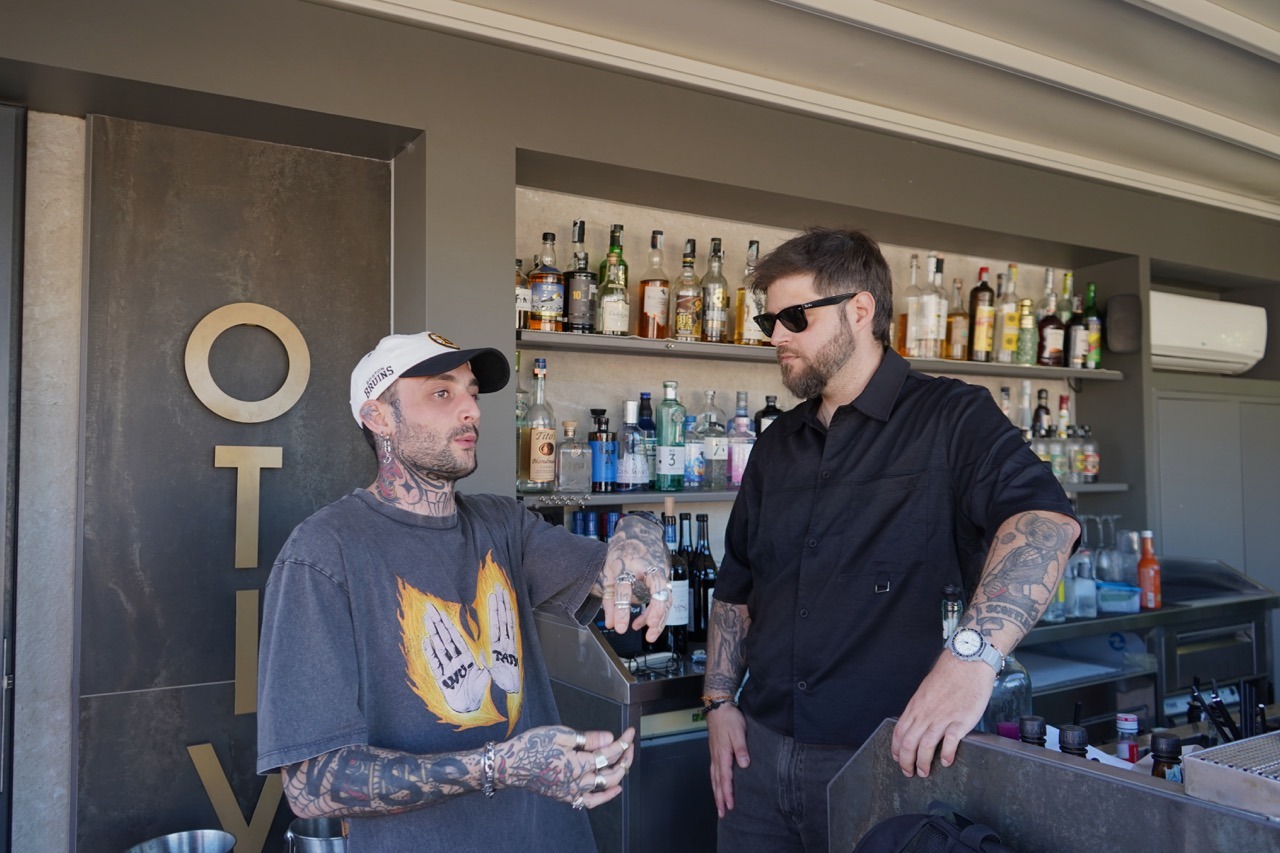
Talking with Giorgio and Matteo was every bit as engaging as listening to their podcast. What felt like a quick conversation somehow turned into more than an hour and a half before we realized it.
While Slaps & Punch is recorded in Italian, most episodes can be watched with English subtitles on YouTube, making it accessible to an international audience.
What makes the project particularly interesting is the diversity of its guests. The podcast is not limited to bartenders. Bar owners, educators, managers, consultants, and other hospitality professionals are all invited to share their experiences. As a result, listeners gain access to perspectives that are rarely heard in traditional industry interviews.
If you're expecting conversations about cocktail recipes or bar techniques alone, you'll quickly discover that Slaps & Punch is something different. Episodes often explore questions of identity, consistency, ambition, success and failure, money, personal values, leadership, and the difficult decisions that shape a career. The bar industry serves as the starting point, but the conversations almost always expand into something much larger.
For those interested in the Italian bar scene, episodes featuring figures such as Mario Farulla and Daniele De Angelis offer particularly fascinating insights. Rather than focusing on achievements alone, these conversations reveal how industry leaders think, how their philosophies evolved, and how they define success after decades in hospitality.
Perhaps the greatest strength of Slaps & Punch is that it reminds us that hospitality is ultimately about people. Behind every successful bar, every celebrated bartender, and every great drink, there is a human story worth telling.
After speaking with Giorgio and Matteo, it became clear that this is exactly what they are trying to preserve. Their podcast is not simply about bars, it is about the people who dedicate their lives to them.
Slaps & Punch



square.jpg)