Le Ghiottonerie del Moro: A Family Restaurant
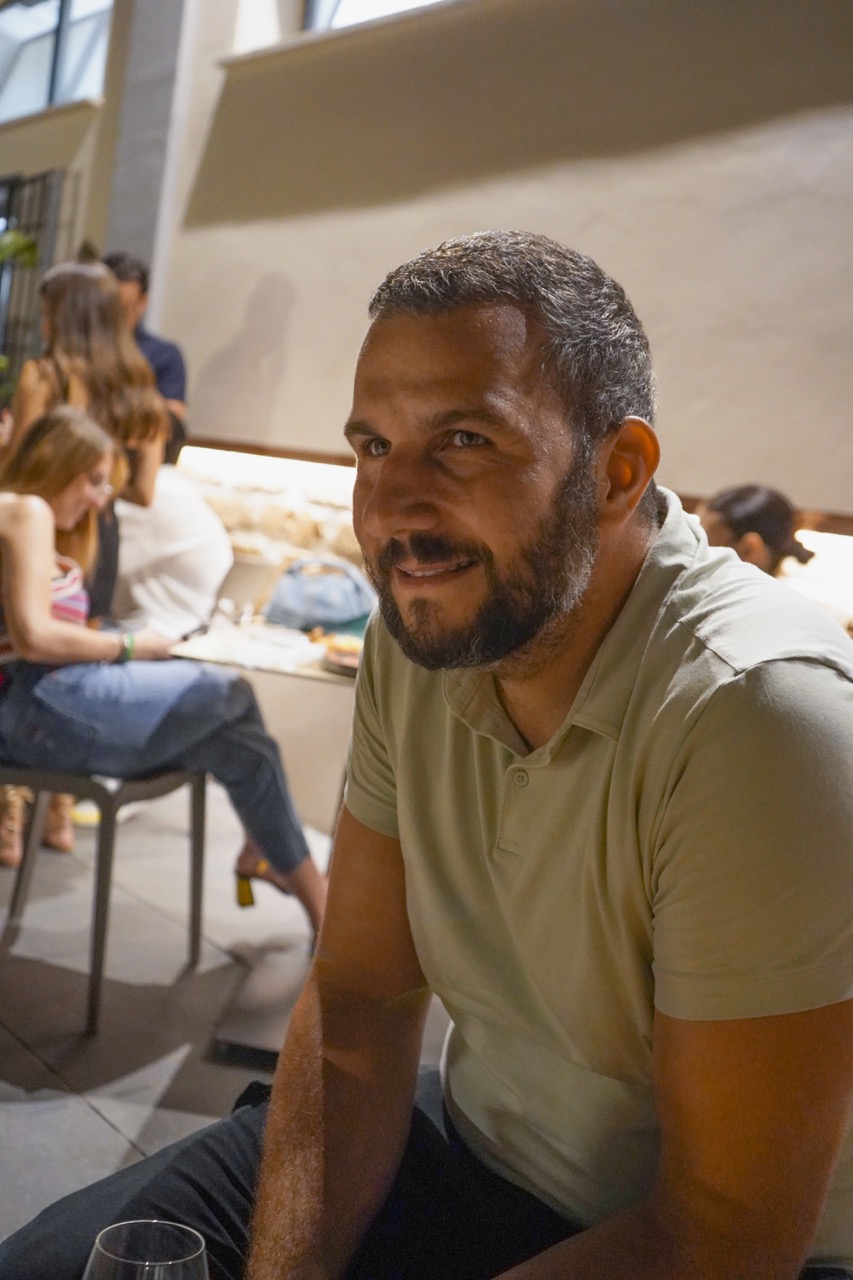
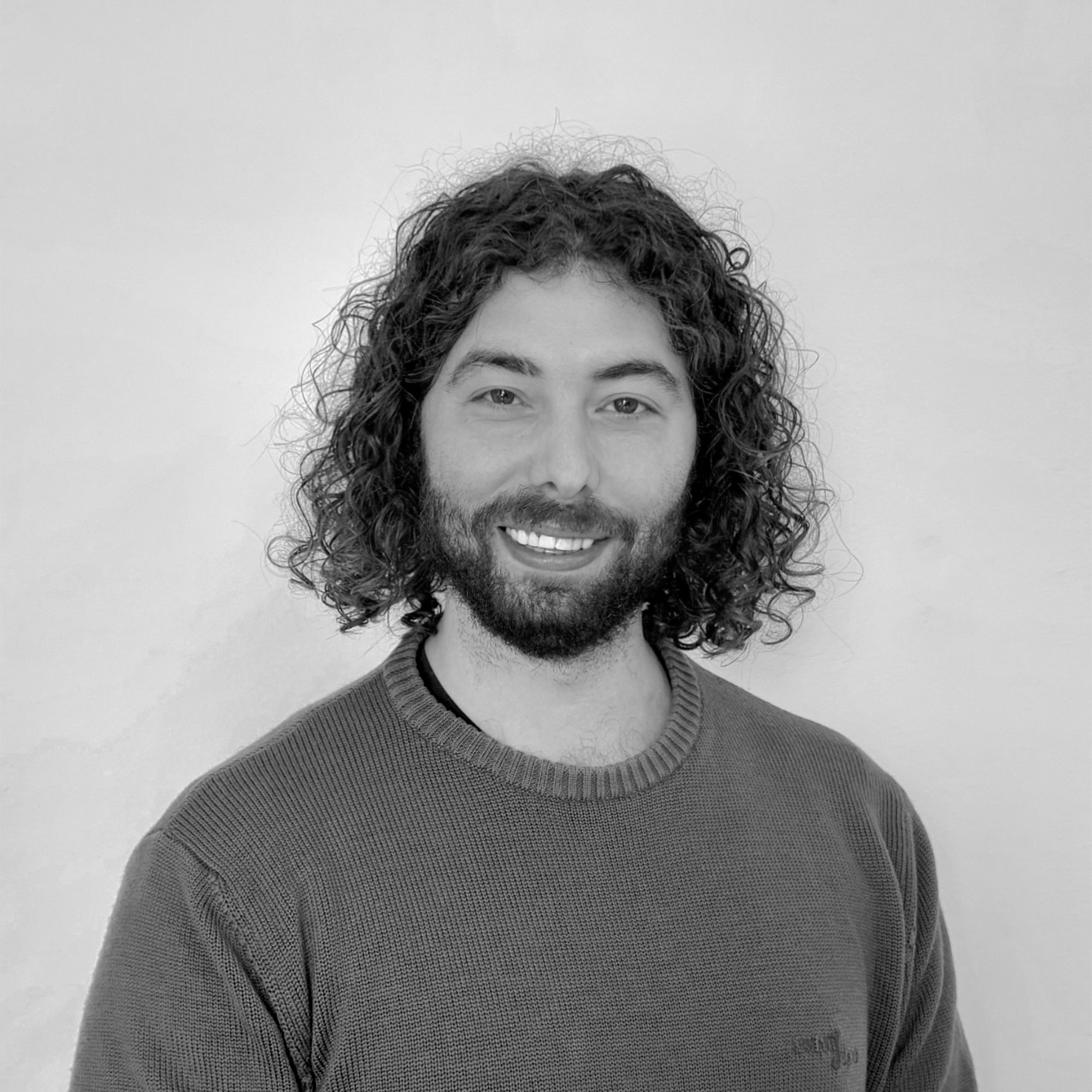
Civita Castellana is a small town in northern Lazio, about an hour’s drive north of Rome. It has long been known for its ceramics, and the town is still home to many ceramic manufacturers and workshops. It is also a place where families and the local community remain closely connected. When you talk to Leonardo Morelli, his stories naturally bring in all kinds of people around him, his parents, his grandmother, his brother, and local artisans.
His family’s business, Le Ghiottonerie del Moro, started in 2003 as a gastronomia, an Italian-style deli selling prepared food. It later developed into a restaurant, and more recently, the family has also opened a gelateria in the town square.
A lot has changed over more than 20 years. But listening to Leonardo, it doesn’t sound as though Moro has followed some grand plan. It feels more like the restaurant has become what it is today through years of noticing something interesting and thinking, “Why don’t we give it a try?”
After culinary school, Leonardo worked a number of seasonal jobs to gain experience as a chef before returning to the business his parents had started. As we talked about cooking, one person who kept coming up was his grandmother, now 91.
She still makes pasta by hand. And when her three-year-old great-grandson goes to visit her, apparently one of the first things he says is, “Grandma, shall we cook?”
There is something wonderfully ordinary about a 91-year-old great-grandmother cooking with her three-year-old great-grandson. In Leonardo’s family, teaching and learning how to cook doesn’t seem to be treated as something as grand as “passing down tradition.” It is simply part of everyday life.
Another interesting part of Moro’s story is how it went from being a gastronomia to the restaurant it is today.
“It’s not that our old customers disappeared,” Leonardo explains.
Turning the business into a restaurant was never the plan from the beginning. Over the years, the people who kept coming back grew older too. Their families changed, as did their daily routines, the way they spent their evenings, and how much time they wanted to spend over a meal.
In other words, Moro didn’t simply replace one group of customers with another. Many of the same people continued coming, while their lives gradually changed around them.
Moro adapted along with them, looking for the kind of place that made sense at each stage. The restaurant it is today grew out of that relationship with its customers over more than two decades.
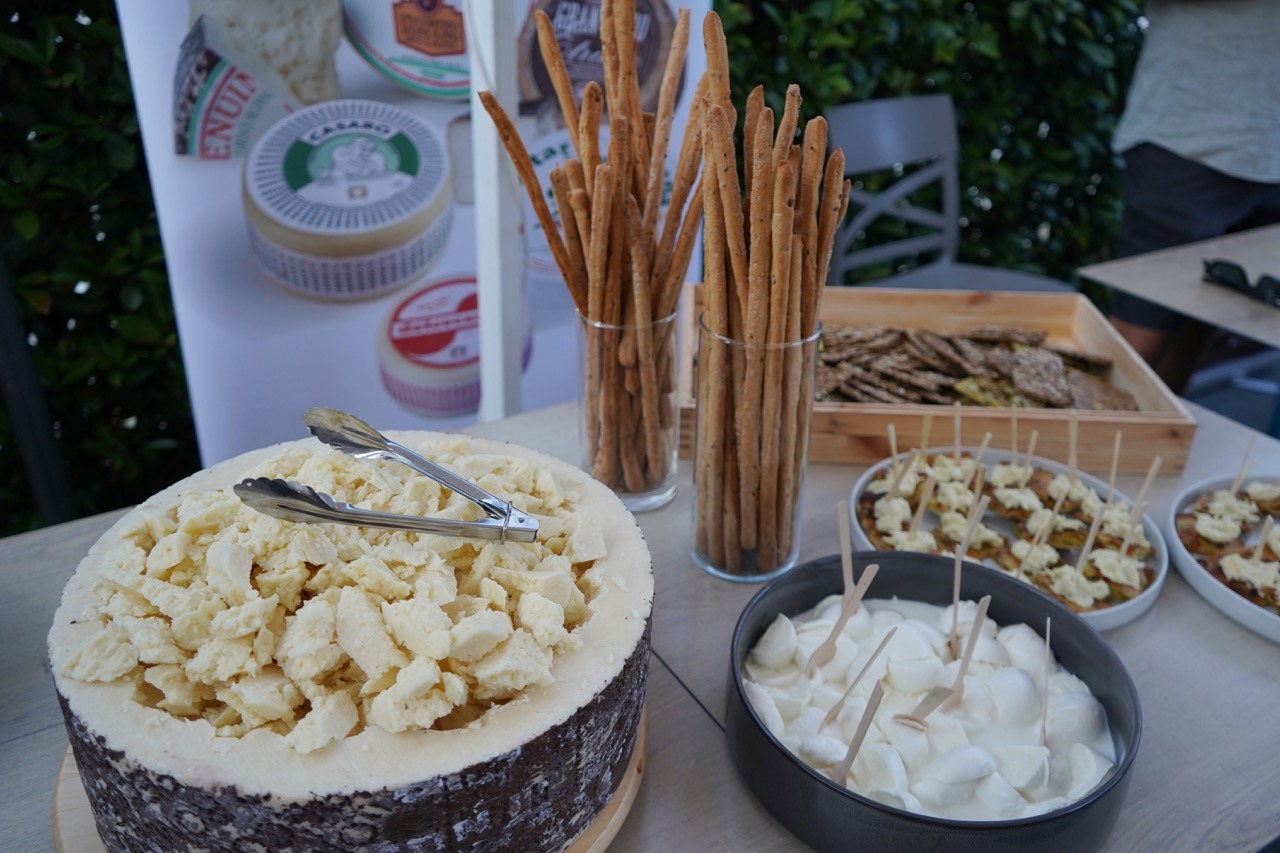
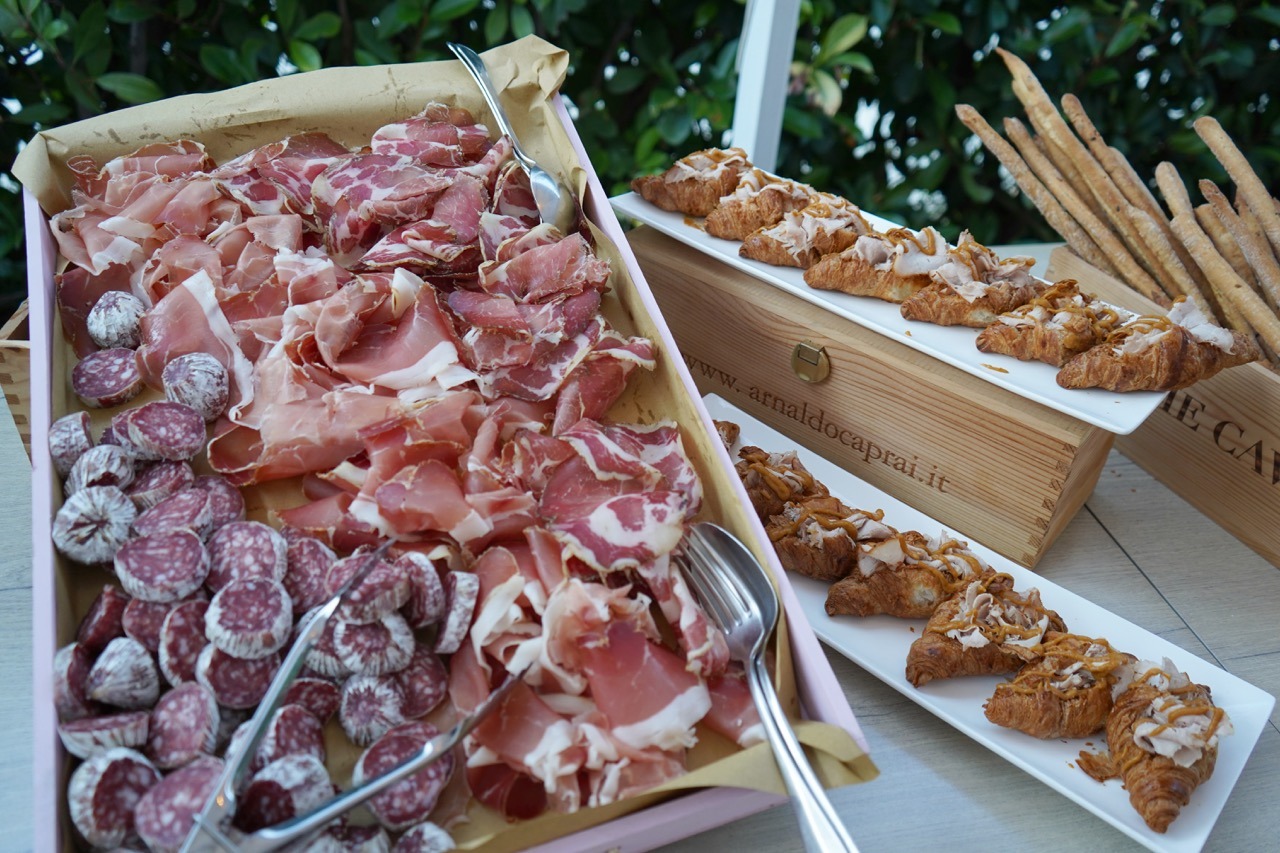
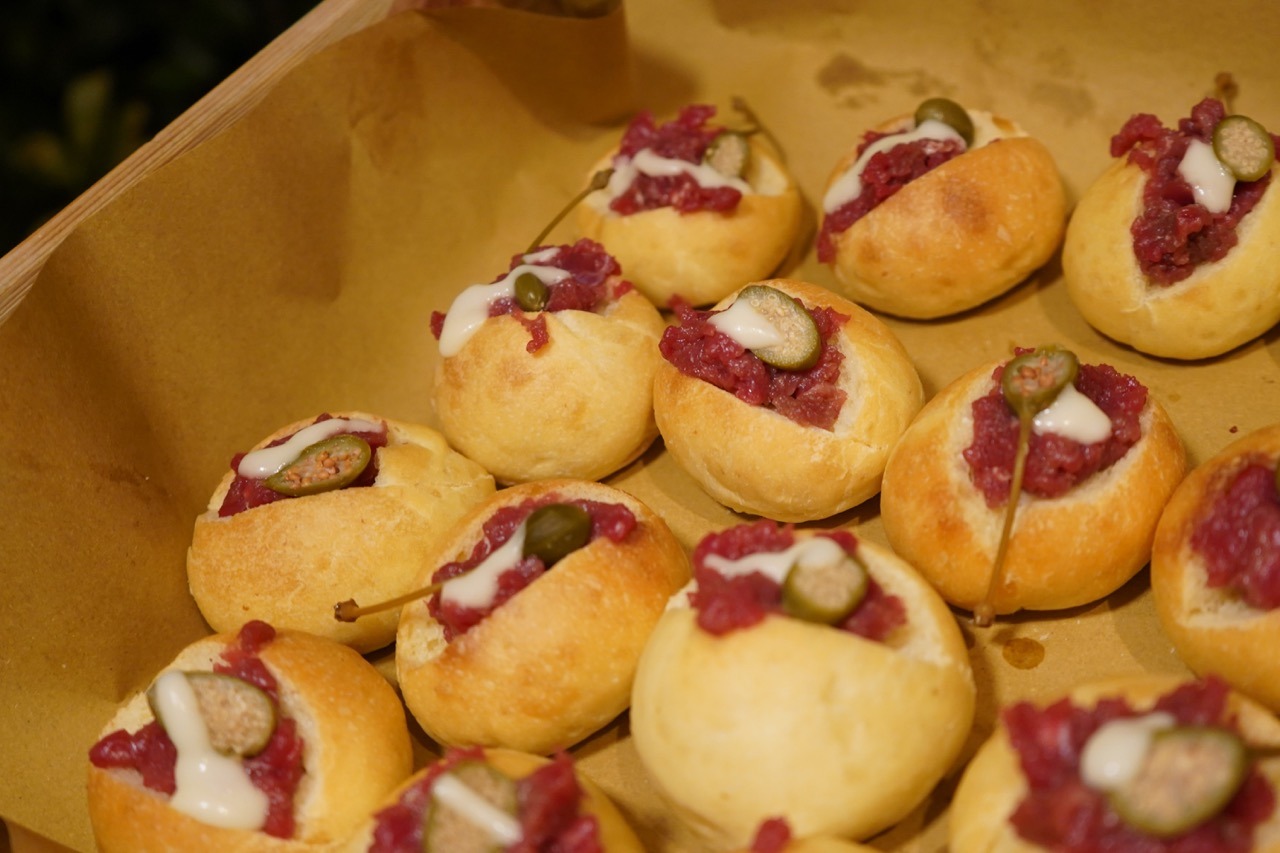
Perhaps that is also why the way ideas enter the kitchen feels so natural. New dishes can begin with something as simple as a conversation during the working day or an unexpected request from a customer.
A slightly unusual takeaway order, for example, might make Leonardo think, “Maybe we could make something like this.” Something he eats or an ingredient he discovers while travelling might lead him back into the kitchen to experiment. After one trip to Sicily, he spent days working on a single preparation inspired by something he had encountered there.
“Sometimes all it takes is one little idea, and I immediately want to try it,” he says with a smile.
Leonardo’s curiosity also extends well beyond Italian cuisine. For years, he has been particularly interested in Asian food, especially Japanese cuisine. What attracts him, however, is not the idea of creating “fusion” food.
He is interested in the way ingredients are handled, knife work, cooking techniques, precision, and above all, the respect given to the ingredient itself. Rather than reproducing Japanese dishes, he thinks about how a technique he has learned might be useful in his own cooking.
So while ideas from outside Italy regularly find their way into Moro’s kitchen, the cooking itself remains firmly Italian.
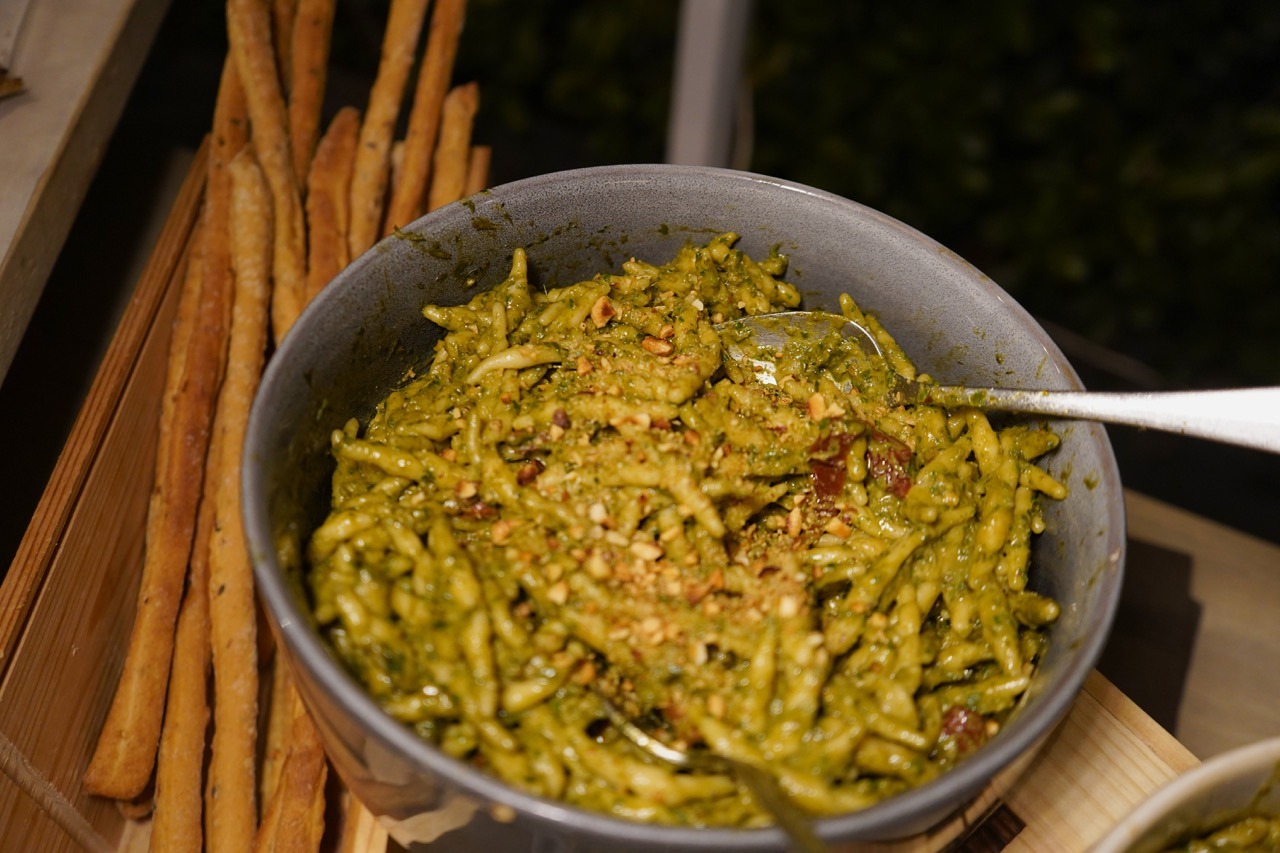
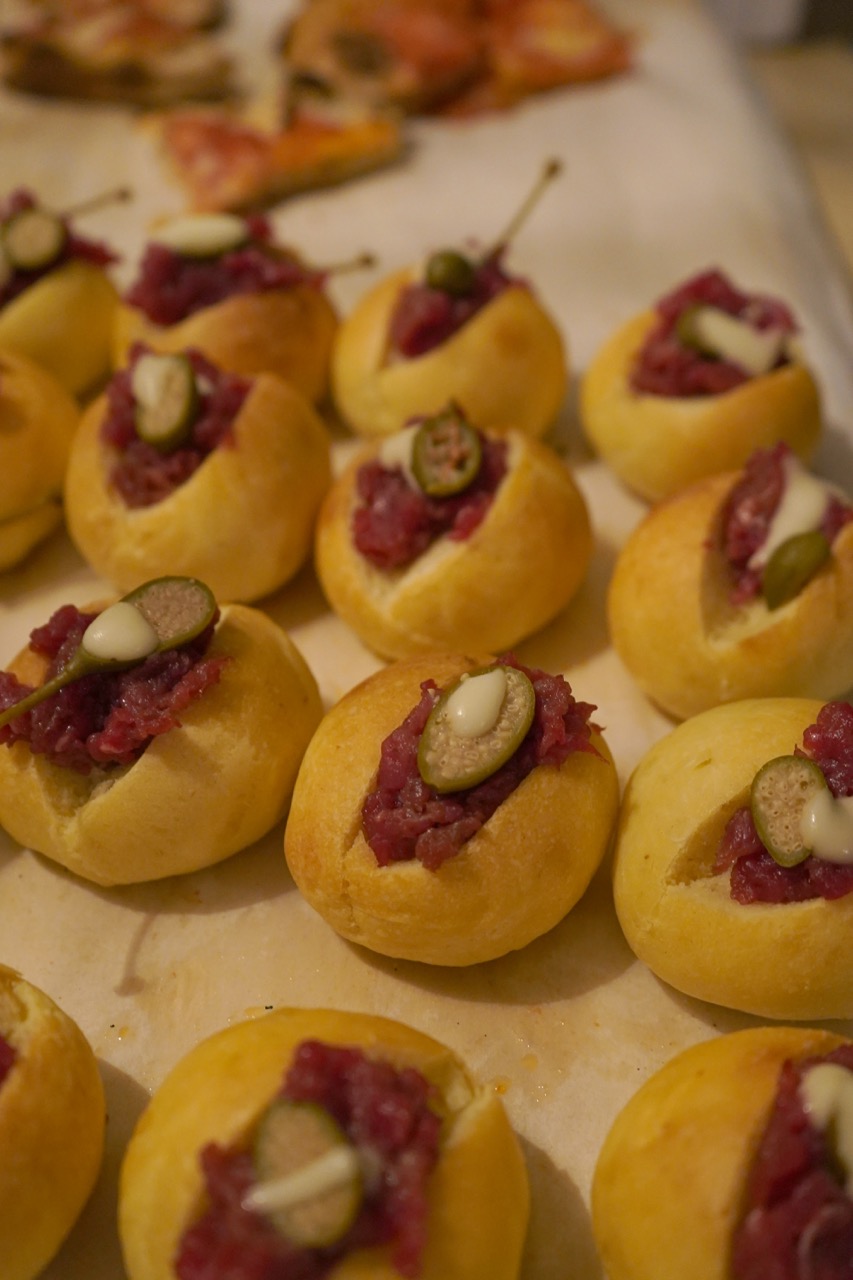
Pasta is made in-house, and whenever something can reasonably be produced in their own kitchen, they prefer to make it themselves. During Christmas and Easter, this also includes naturally leavened specialities such as panettone, colomba and the traditional Easter cheese bread.
That doesn’t mean making exactly the same thing year after year. They continue learning as they make them, improving recipes and listening to what customers think. By the following year, there is usually something else they want to try.
More recently, the family has taken what they have been doing at the restaurant in another direction by opening Gelateria Clementino in the town square. The idea is not only to tell another side of the area through gelato, but also to give people another reason to spend time in the centre of Civita Castellana.
During the event, we had the chance to taste and photograph the gelato ourselves. A gelateria may seem like a very different business from a restaurant, but talking to Leonardo, it becomes clear that they approach it in much the same way. They make something, see how people respond, think about what could be better, and gradually make it their own.
Ceramics are another important part of the Moro story. Civita Castellana has been associated with ceramic production for generations, and ceramics have always been familiar to Leonardo and his family.
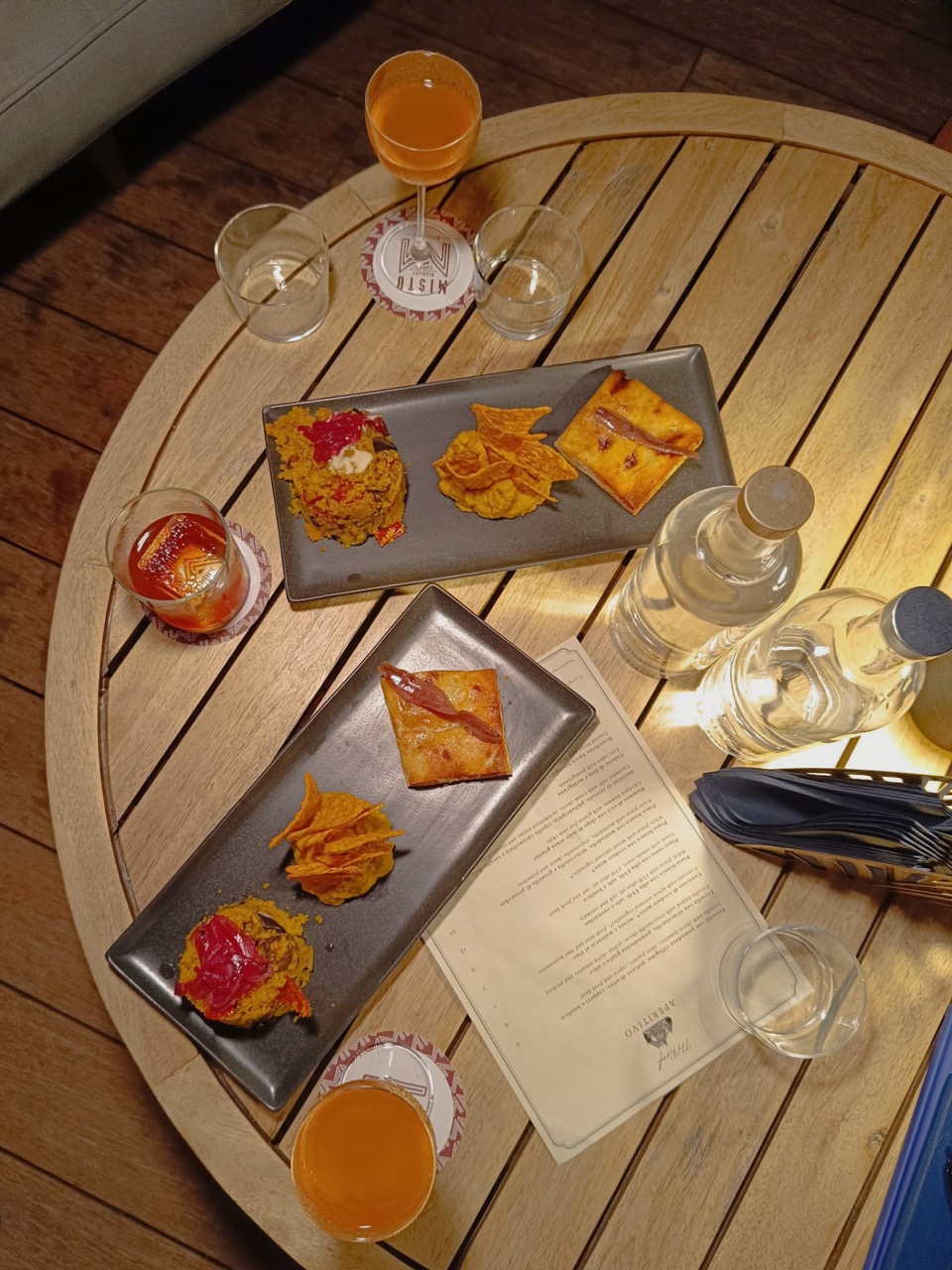
At the restaurant, they work with local artisans to create tableware and also find new uses for ceramic objects. One of the more playful examples is a bespoke plate designed in the shape of a raviolo.
For Leonardo, what matters is not only the food itself, but also what it is served on and what wine is poured alongside it. By bringing the food, wine and locally made ceramics together at the same table, he hopes guests can also discover something about Civita Castellana itself.
Wine is another family affair, with Leonardo’s brother, a sommelier, playing an important role.
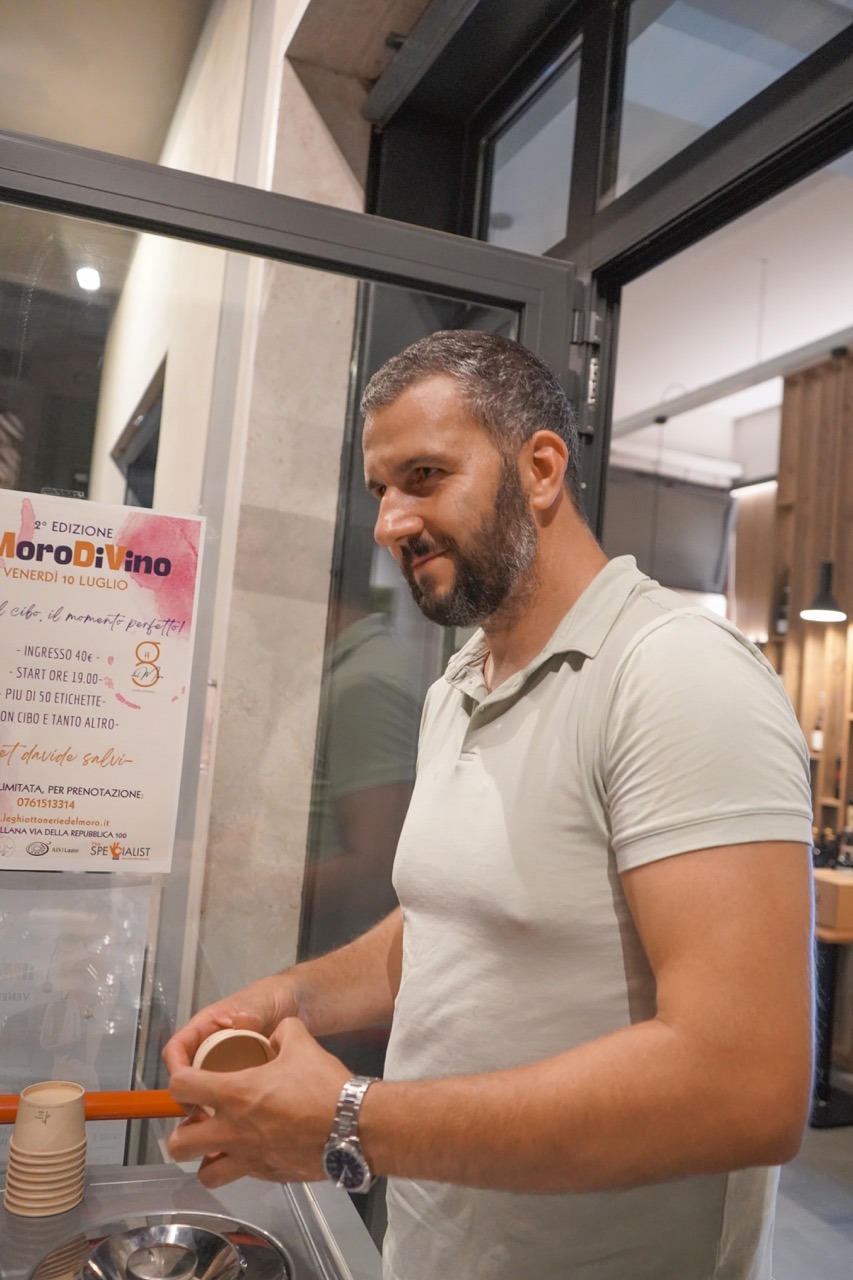
The brothers share a love of wine, and that interest eventually led them to create an event called Il Moro di Vino.
The event introduces guests to a range of producers and labels, including wines they might not normally think of choosing themselves. The idea is to move beyond sticking to familiar names and make it easy to look at an unfamiliar bottle and think, “Why not give this one a try?”
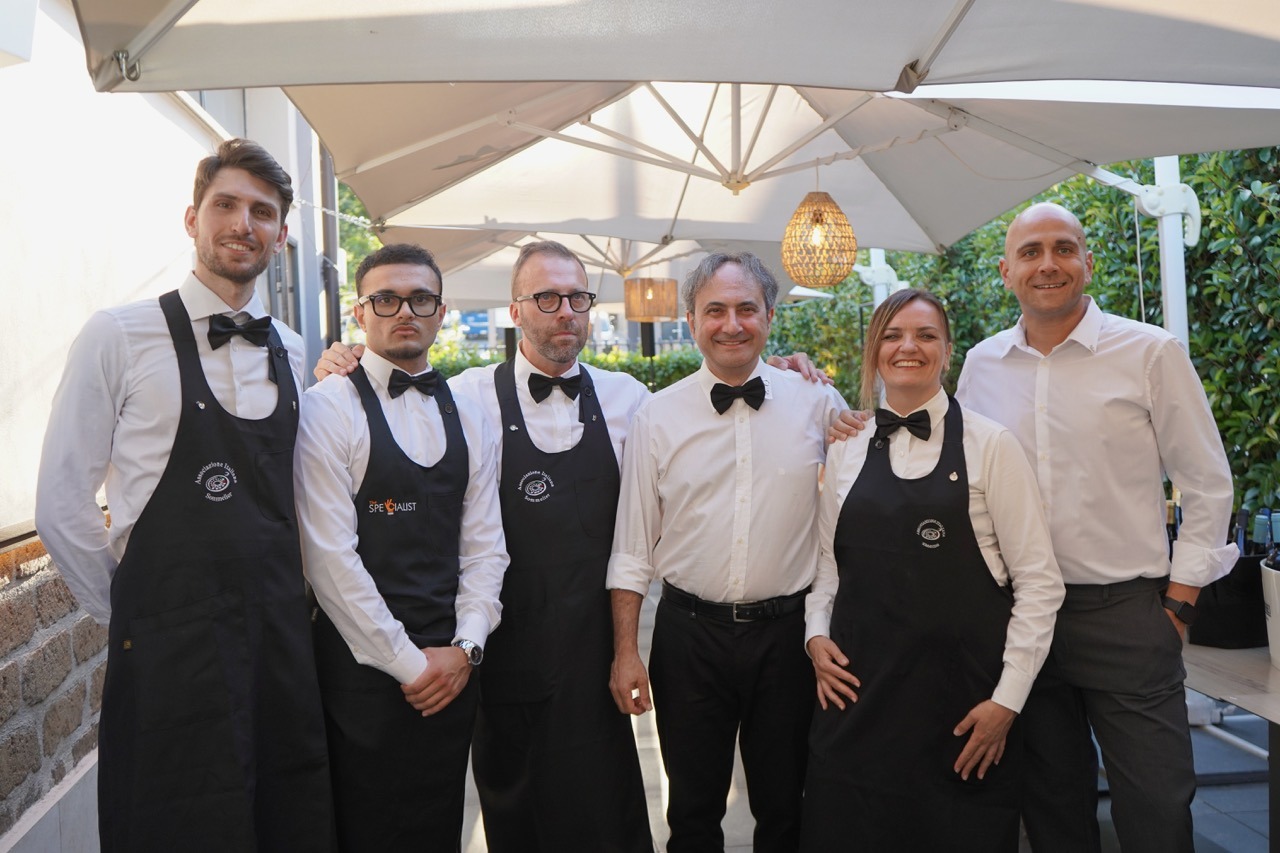
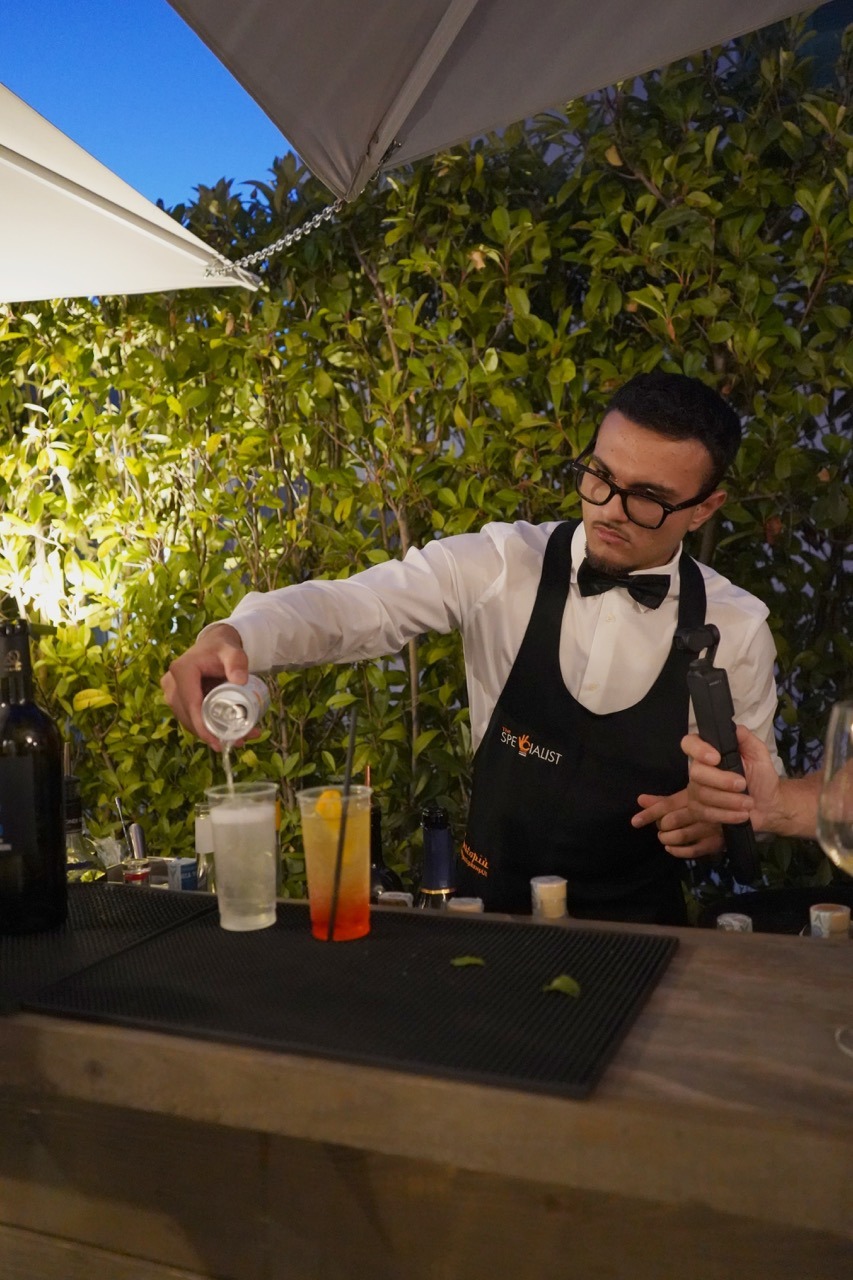
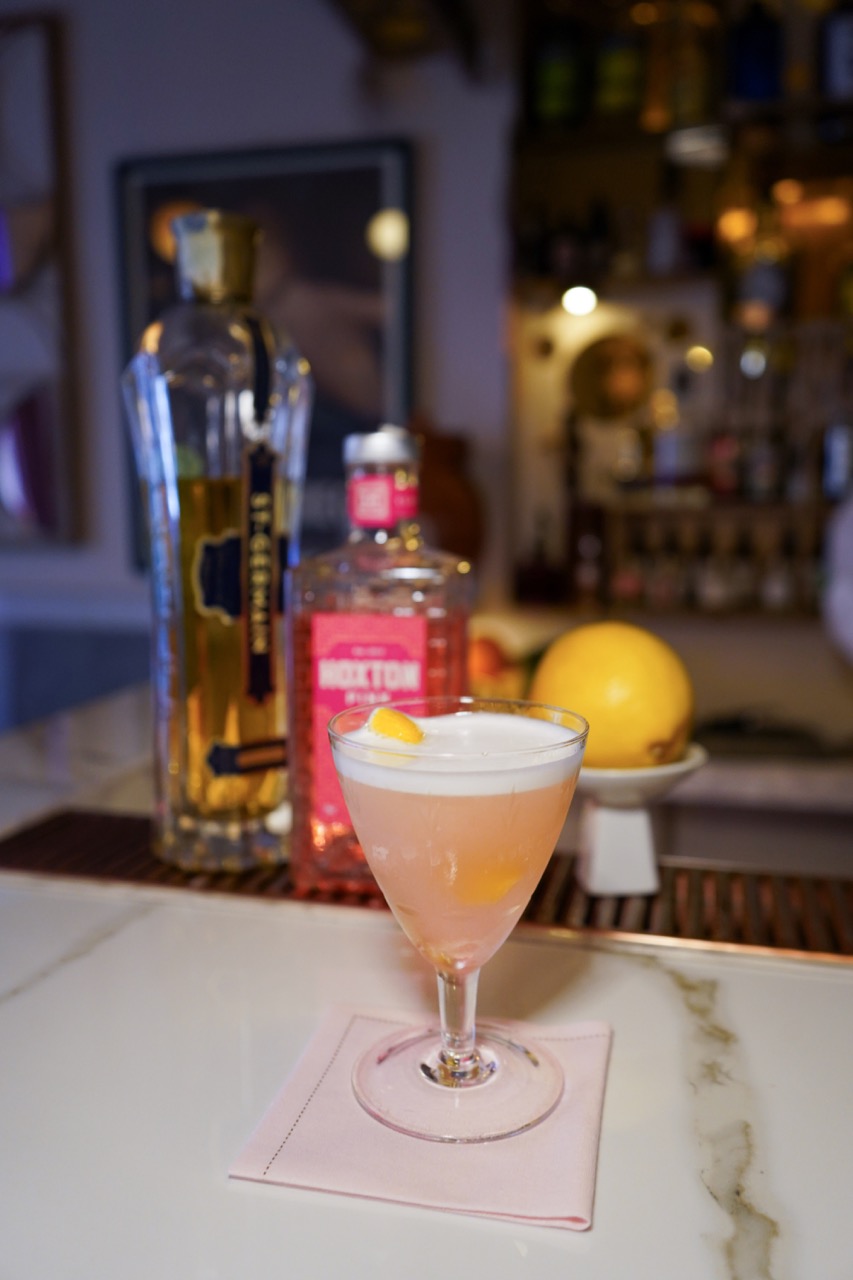
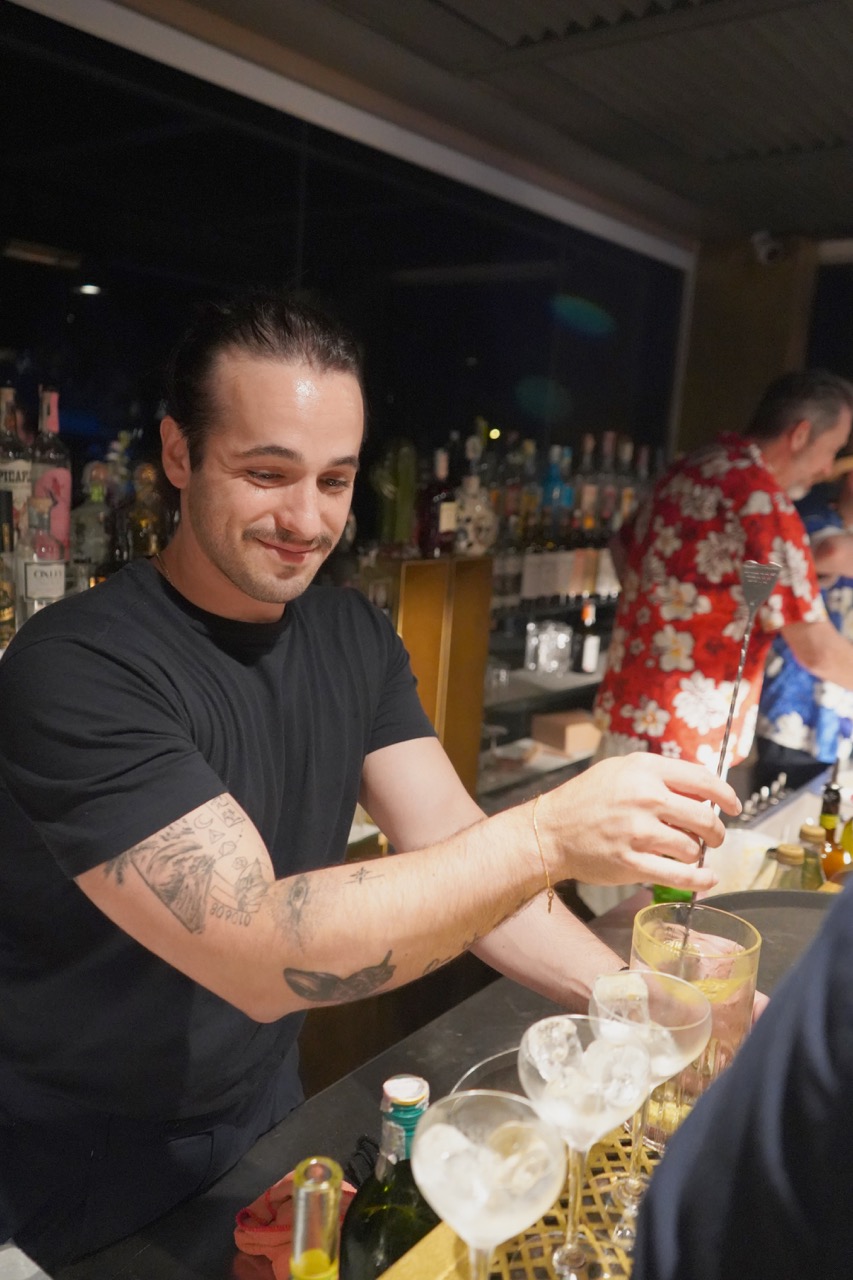
At the edition we attended, there were also cocktails made with wine.
“Wine cocktails” might sound like a contemporary idea, but in Italy there is a long-standing summer habit of lightening wine with sparkling water or other drinks. Something familiar can take on a different character simply by changing how it is used or presented.
Looking back at Moro’s story, there is quite a lot to take in. What began as a gastronomia in 2003 has become a restaurant over the course of more than 20 years, while the family has continued making its own pasta and baked goods and, more recently, ventured into gelato. They work with local ceramics, bring techniques learned from Japanese cuisine into their own cooking, and even experiment with wine cocktails. The more Leonardo talks, the more different ideas seem to emerge.
But trying something new has never meant leaving everything old behind. His 91-year-old grandmother still makes pasta by hand, and the things that have always been part of the family continue to have a place alongside everything they discover and want to try. At Moro, the two seem to coexist without much fuss.
The family has also begun collaborating with Taste Remote, a project that connects digital nomads visiting Civita Castellana with local people through experiences based around the area and its food.
After spending time listening to Leonardo, I came away thinking that new ideas don’t always have to be searched for somewhere far away. They might begin with an unusual request from a customer, something you tasted on a trip, ceramics that have been made in your hometown for generations, or even the pasta your grandmother still makes by hand.
“What would happen if we tried this?”
That simple curiosity seems to have kept a small family gastronomia moving forward for more than 20 years.
Le Ghiottonerie del Moro
https://leghiottoneriedelmoro.it/



square.jpg)