Pasticceria Maritè: The Perfect Breakfast
There are places that become destinations because of monuments, and others because of landscapes. Bolsena belongs to a rarer category: a town where nature, history and everyday life coexist in remarkable balance.
Overlooking the shores of Lake Bolsena, the largest volcanic lake in Europe, the medieval town has become one of central Italy's most established tourism destinations.
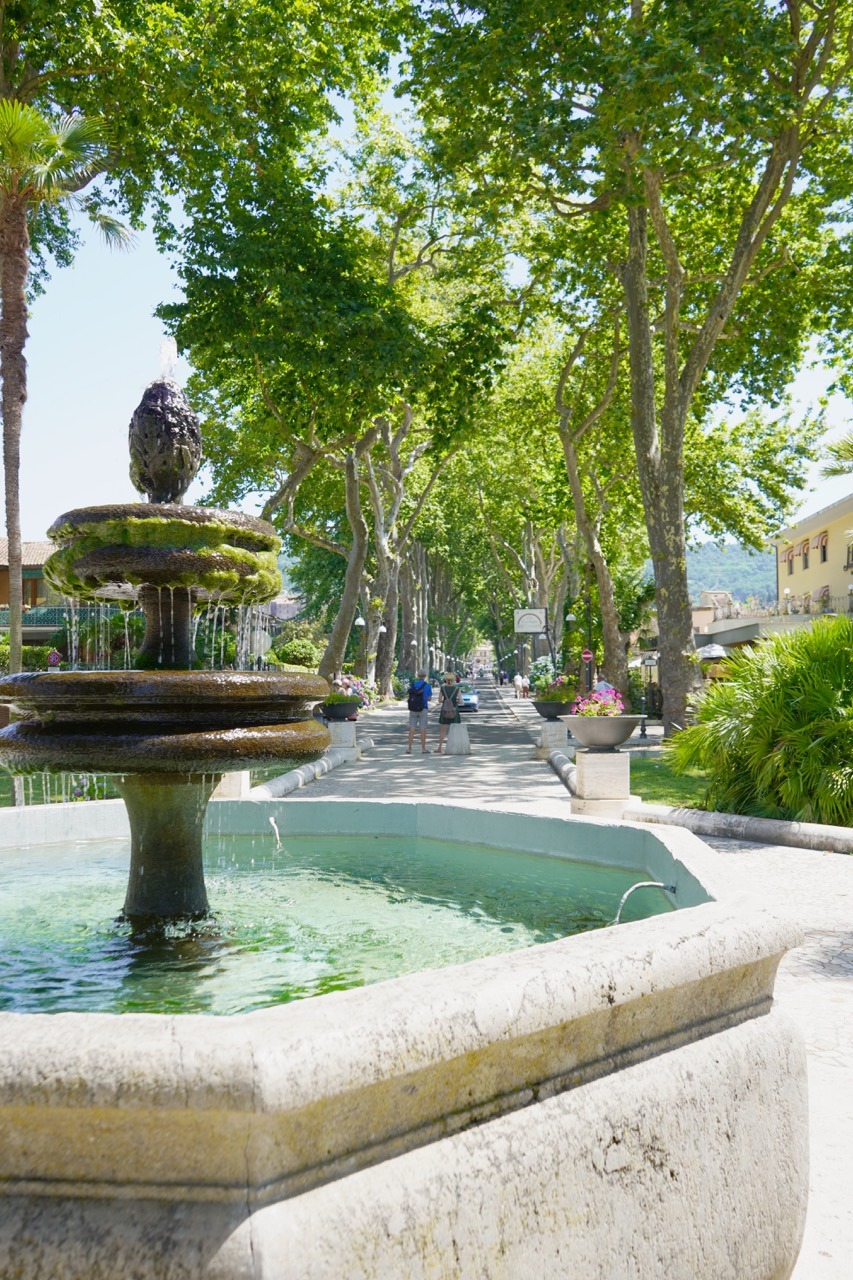
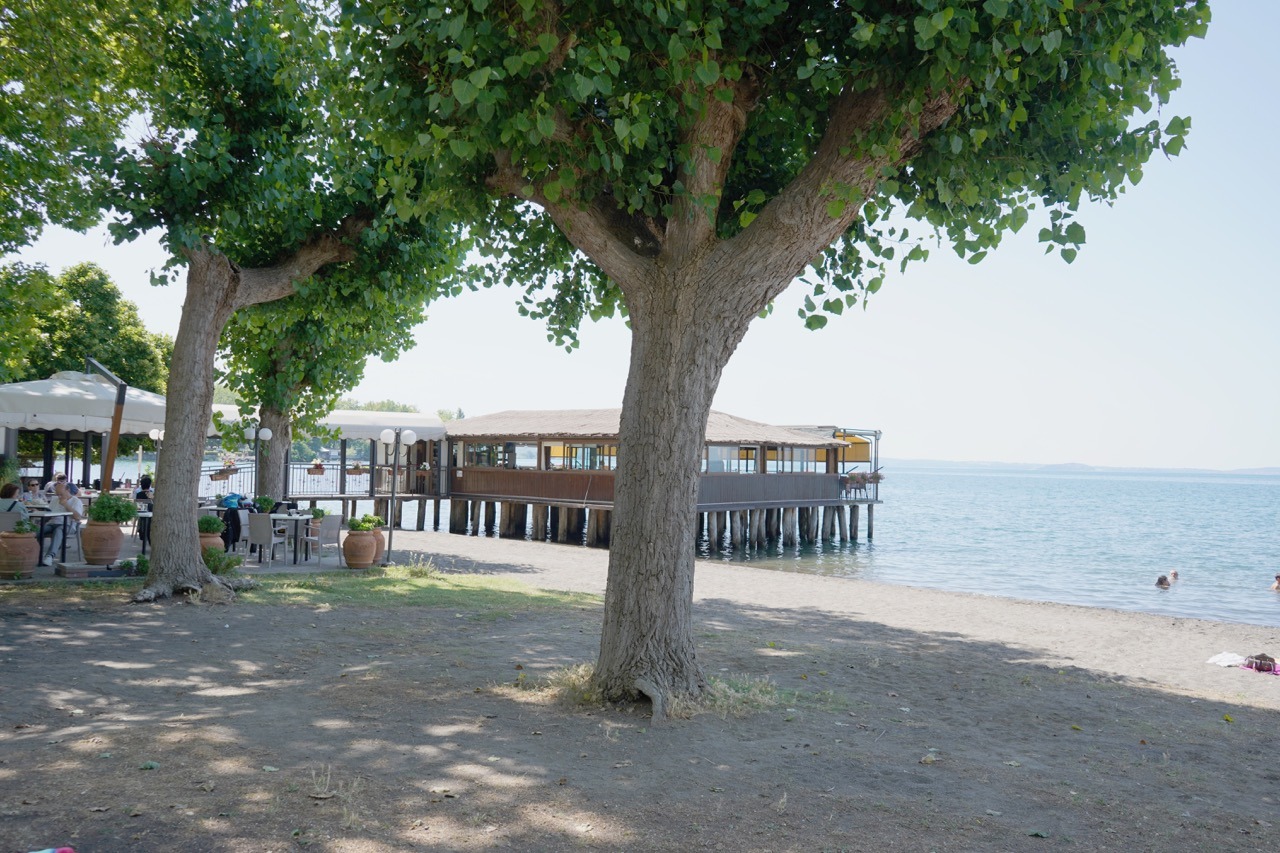
Visitors arrive for the lakeside promenades, sailing and cycling routes, but also for the slower rhythm that increasingly defines contemporary travel. Unlike many Italian destinations transformed by mass tourism, Bolsena has managed to preserve a sense of authenticity. Here, summer mornings still begin with a walk through the historic center, a coffee at the counter and the view of the lake shimmering beyond the ancient stone walls.
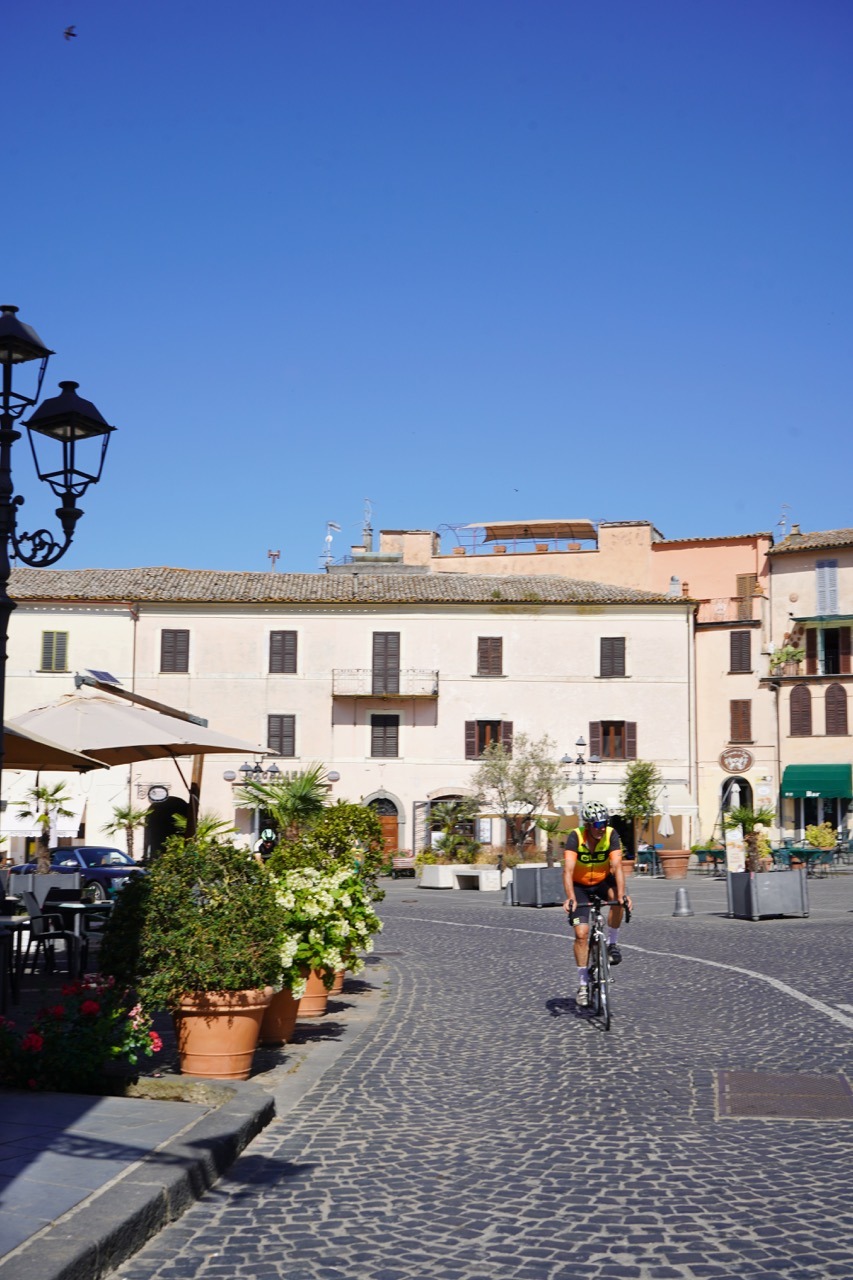
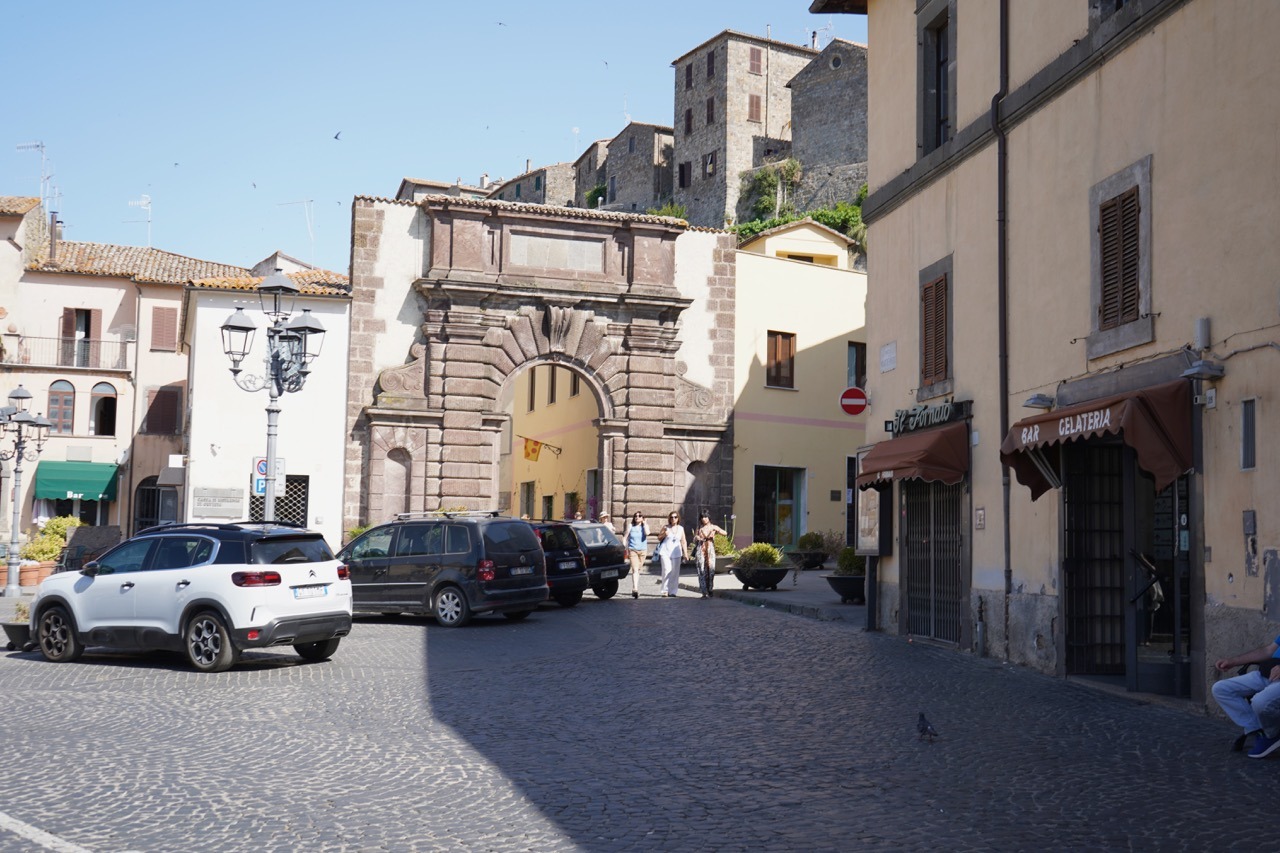
Bolsena is also one of the gateways to Tuscia, a territory that remains surprisingly undiscovered internationally. Stretching across northern Lazio, Tuscia is a land shaped by Etruscan history, volcanic soils and agricultural traditions. Olive oil, legumes, wild herbs and vegetables have long defined its cuisine, but perhaps no product represents the area more than the renowned Nocciola della Tuscia, one of Italy's finest hazelnuts. Together with local wines, cheeses and traditional baking, these ingredients form a gastronomic identity rooted in simplicity and quality.
It is within this landscape that the story of Maritè begins.
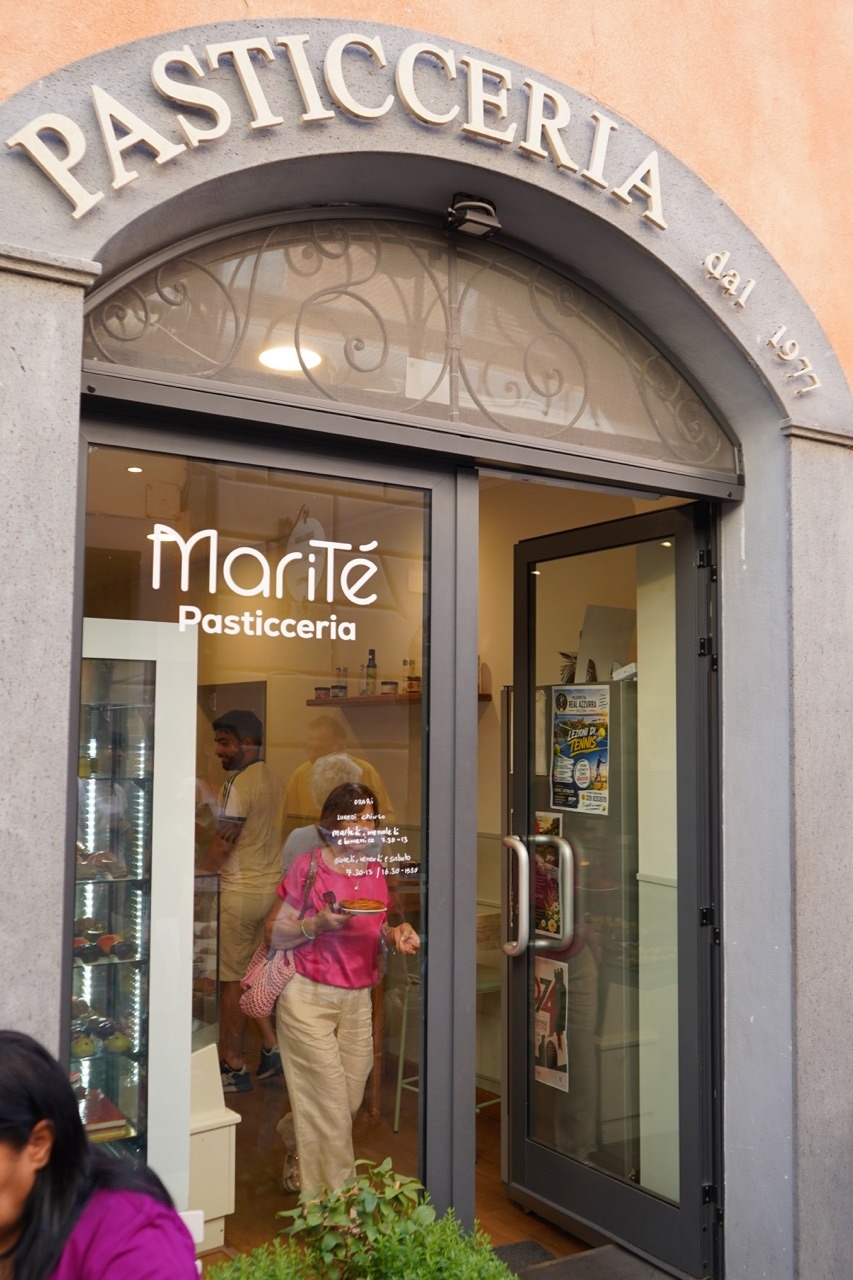
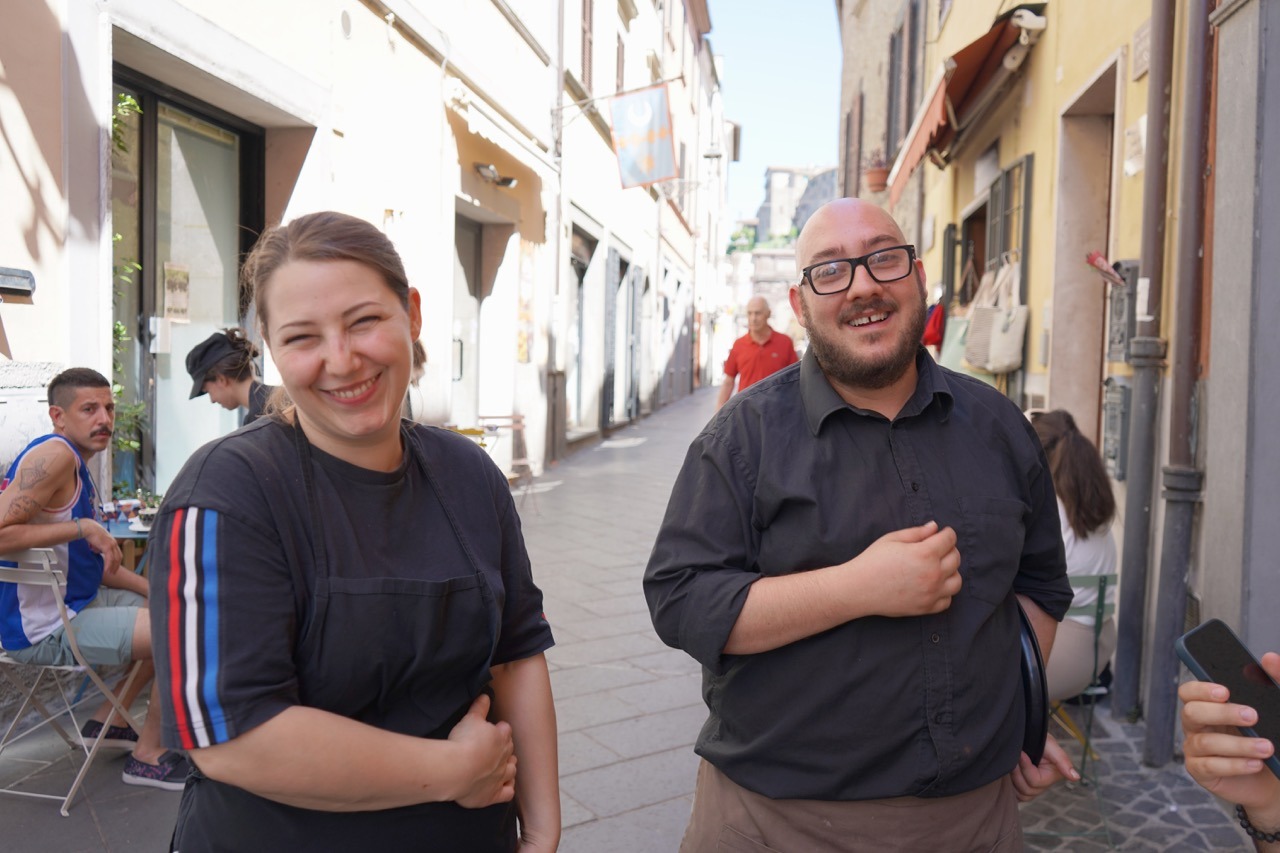
Behind the pastry shop are Maria Brachini and Emanuele Terranova, partners both in business and in life. Their story begins years before Maritè itself. The two first met as classmates in high school, sharing the same desk for several years before their professional paths diverged. Maria chose pastry, studying at ALMA, the prestigious School of Italian Culinary Arts. Emanuele pursued a career in cuisine through the Étoile Academy, gaining experience in restaurants across Italy and abroad, including London.
It was in London that their paths crossed again. Having found each other once more, they decided to bring their knowledge and ambitions back home, building something of their own on the shores of Lake Bolsena.
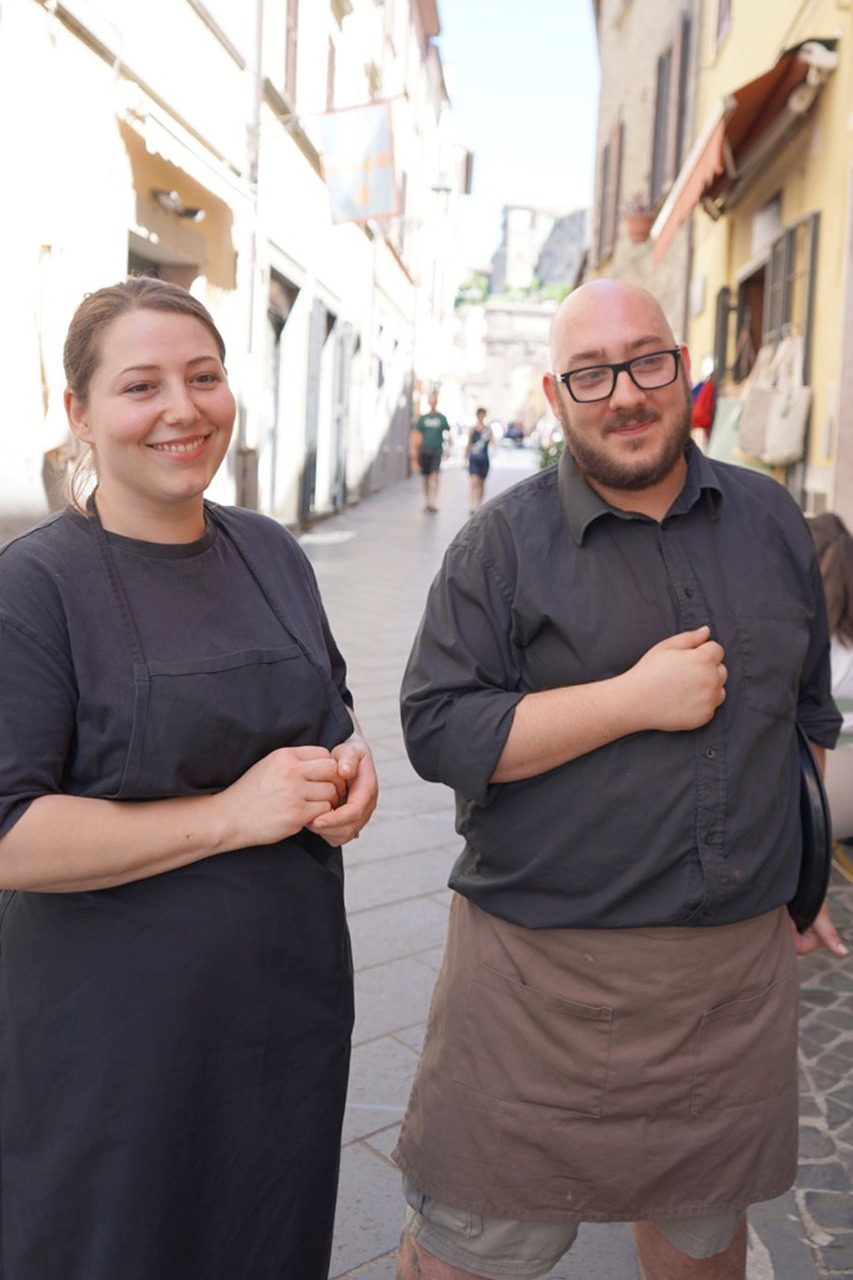
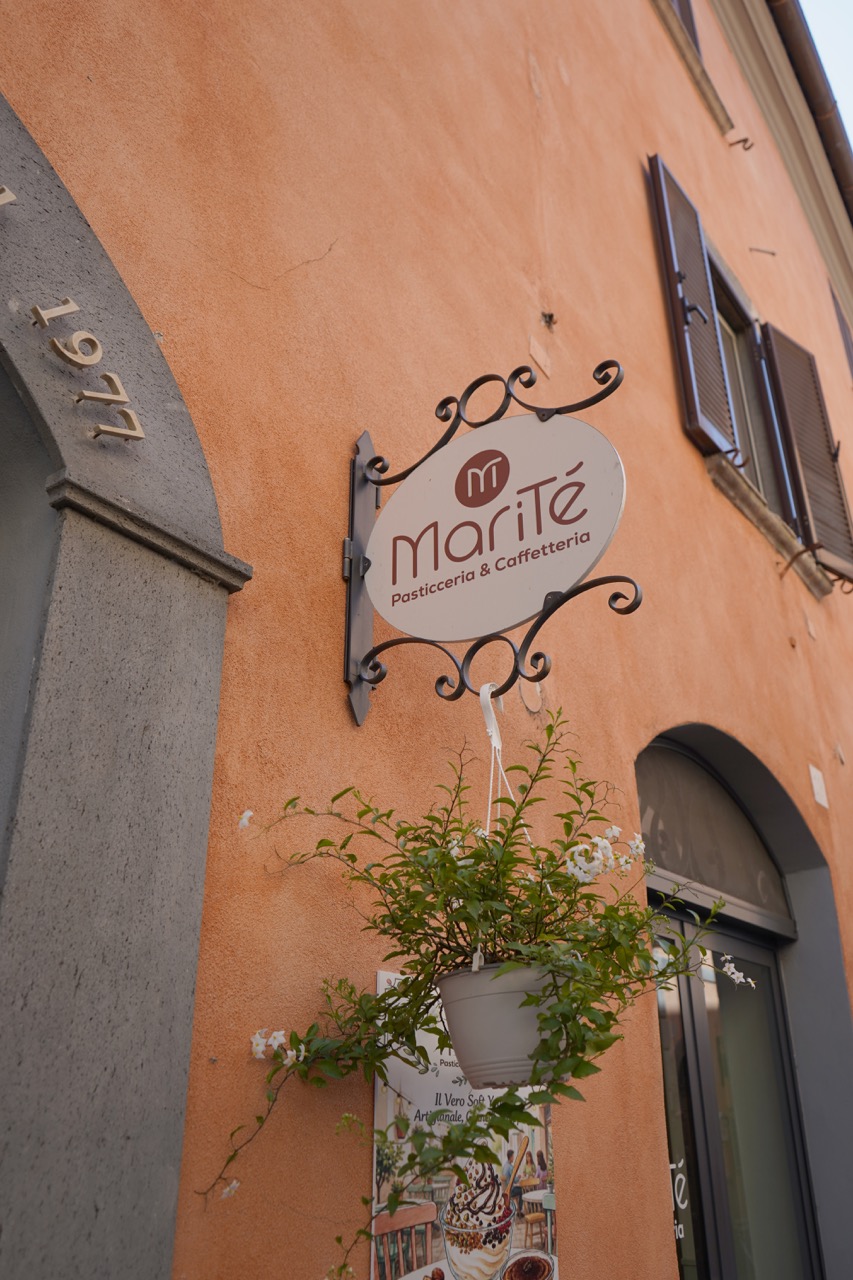
The result is Maritè. As the founders write on their website, "Marité rappresenta l’unione che è stata necessaria a realizzare questo sogno, la prova che due cuori sono meglio di uno" ("Marité represents the union that made this dream possible, proof that two hearts are better than one").
Maritè opened in May 2024, and the passion, dedication and joy that define its pastries were quickly recognized well beyond Bolsena. In March 2026, the project received the Pasticceria Rivelazione del Lazio award at the DolceRoma Awards, cementing its reputation as one of the region's most exciting new pastry destinations.
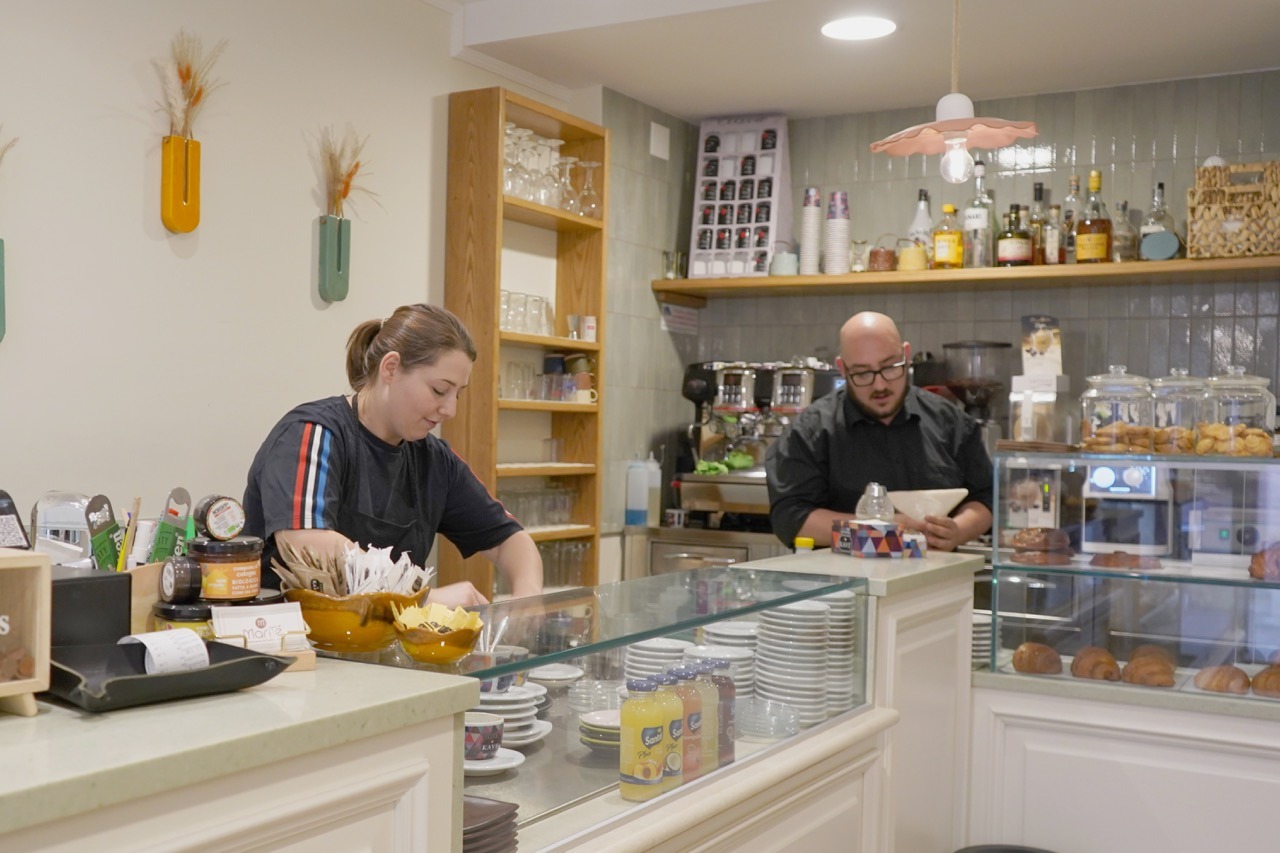
What makes Maritè stand out is not a pursuit of novelty for its own sake, but a clear technical vision. In particular, the laminated fabric is finished to a level of quality that is rarely encountered even in Italy.
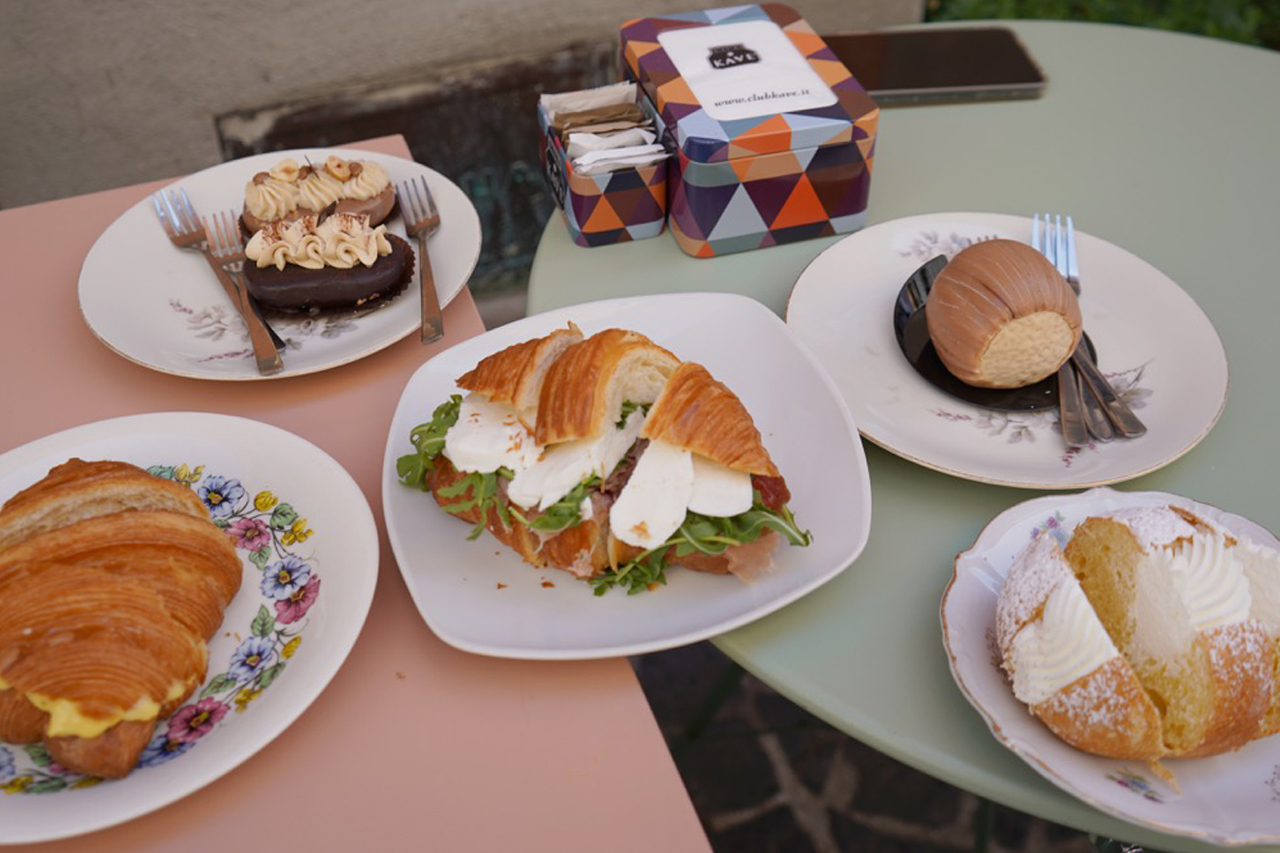
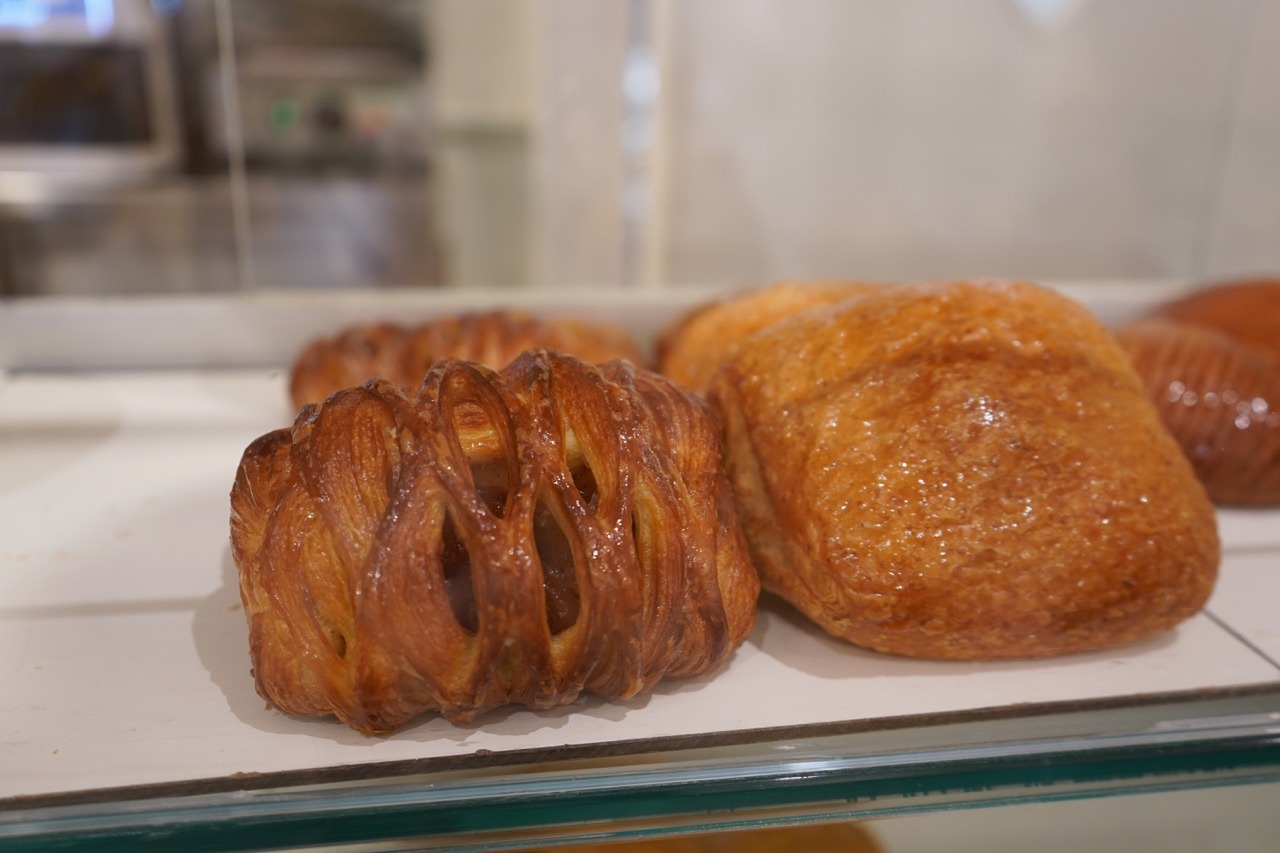
The cornetti, the undisputed stars of the breakfast counter, deserve particular attention. While often compared to the French croissant, the Italian cornetto follows a different tradition.The dough is typically enriched with eggs, creating a softer texture and a richer flavor, while the addition of vanilla contributes subtle aromatic notes.The croissant, by contrast, relies on a leaner dough and the dominant presence of butter.
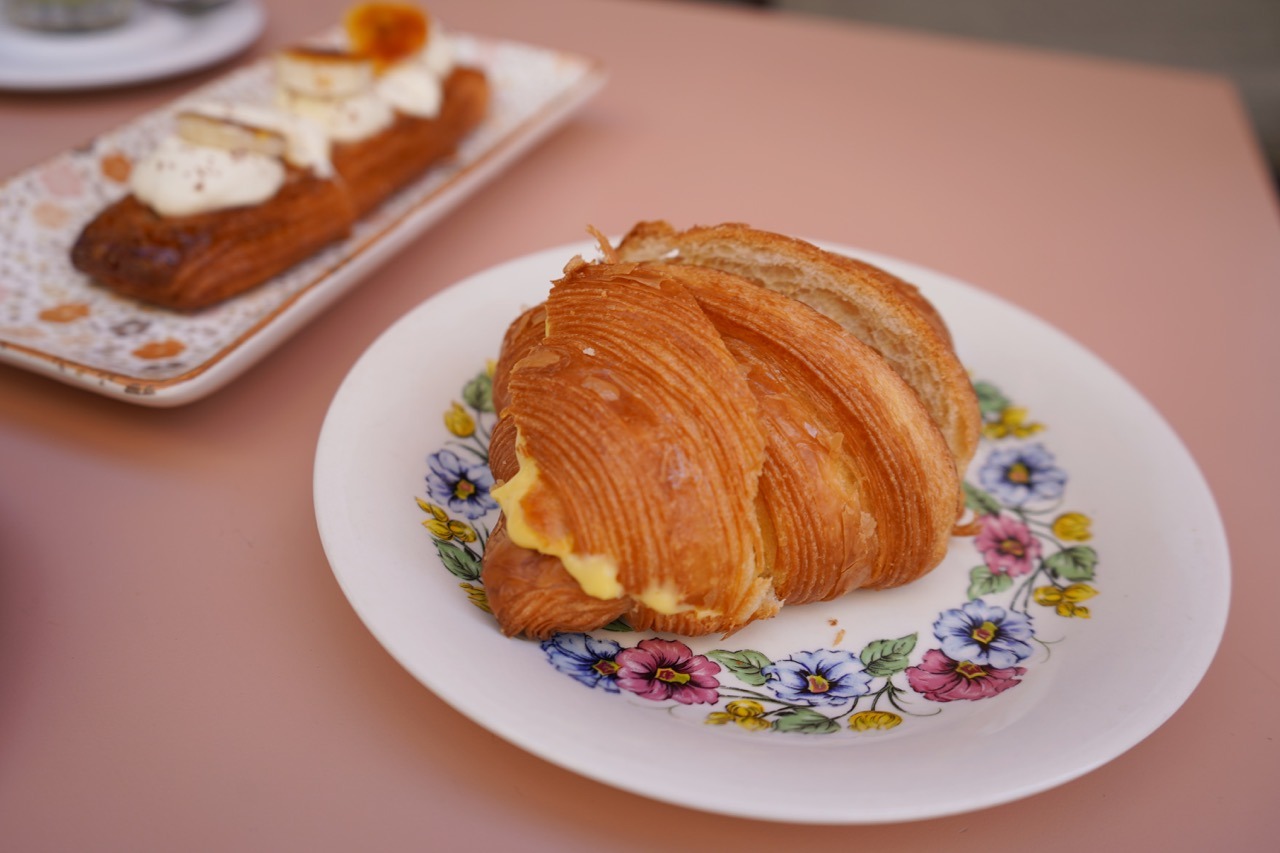
At Maritè, this Italian tradition is respected while being executed with uncommon precision. The dough is deliberately balanced and neutral, allowing it to work equally well with sweet fillings and savory combinations. The result is a pastry that remains deeply Italian in character while displaying the technical rigor more often associated with contemporary French viennoiserie.
Alongside the cornetti, chocolate-filled fagottini and a particularly well-made pain suisse, layered pastry filled with pastry cream and chocolate, reveal a pastry culture that draws inspiration from France while maintaining a distinctly Italian identity.
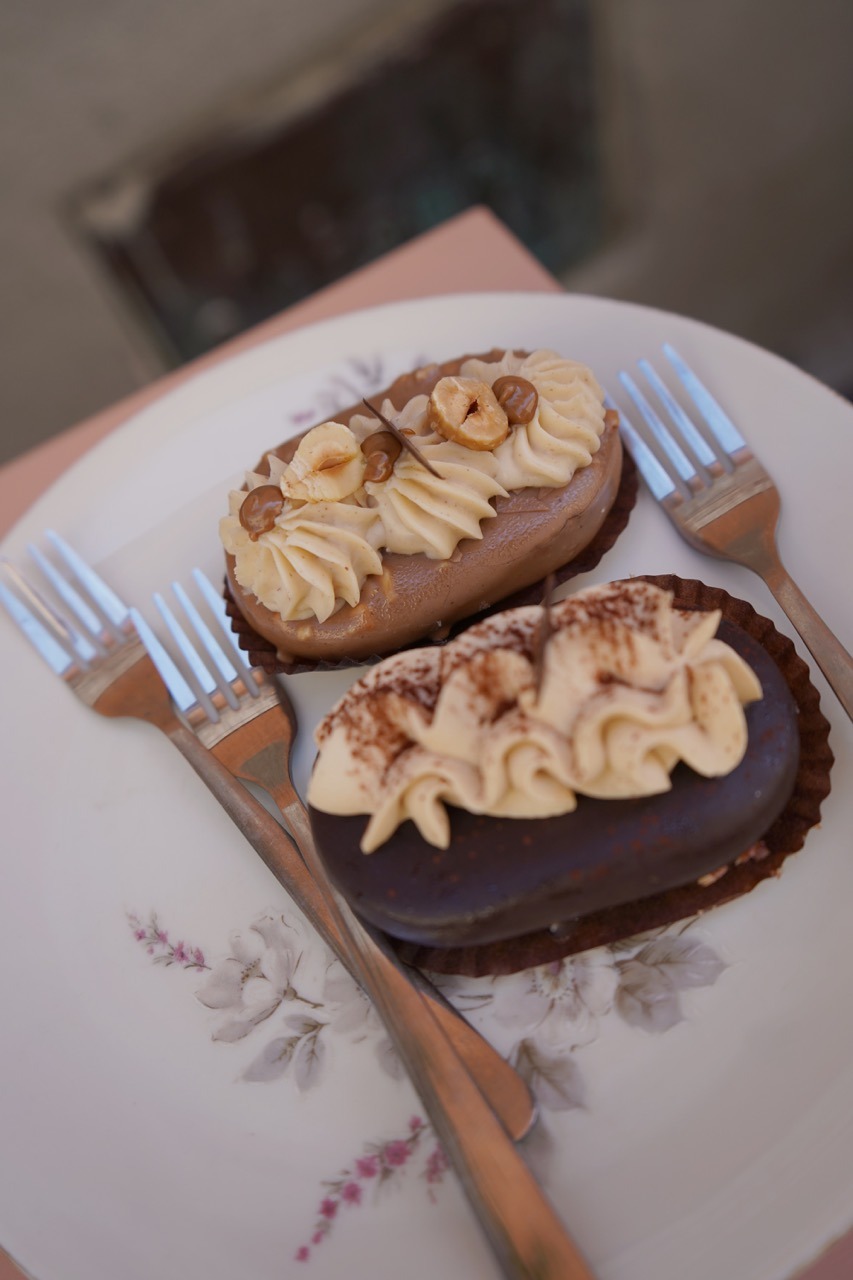
Among the mignon pastries, the financier stands out as Maria’s reinterpretation of the classic French cake.
The financier is a traditional French pastry made with almond flour, egg whites and browned butter. Its name is often linked to the rectangular mold in which it is baked, said to resemble a small gold bar, a shape that became popular in Parisian pâtisserie and is still widely associated with the idea of precision and value.
At Maritè, Maria reworks this “gold bar” in a contemporary key. The base is already aromatized according to the chosen flavor profile, while the final structure is completed with a thin chocolate coating and a layer of ganache, giving the pastry depth, contrast and identity beyond the traditional French version.
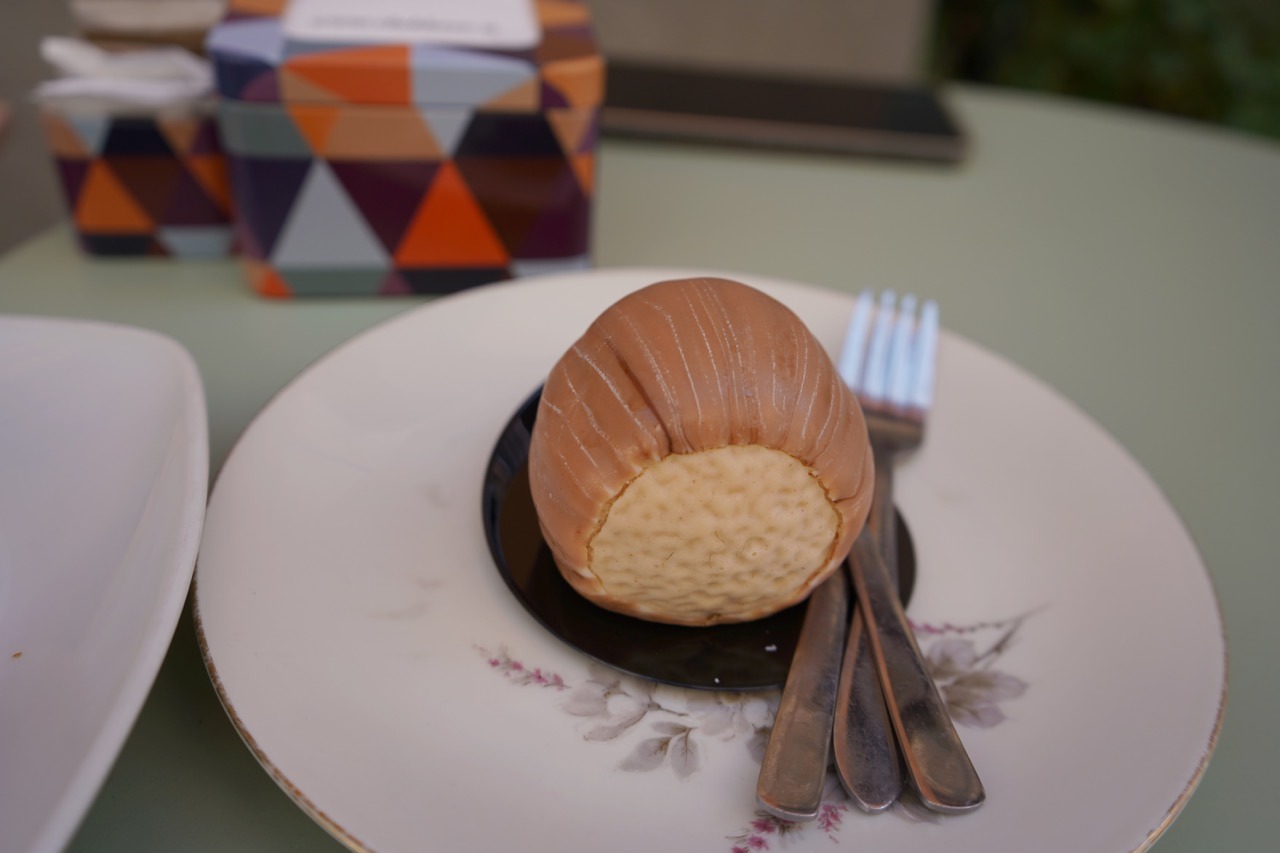
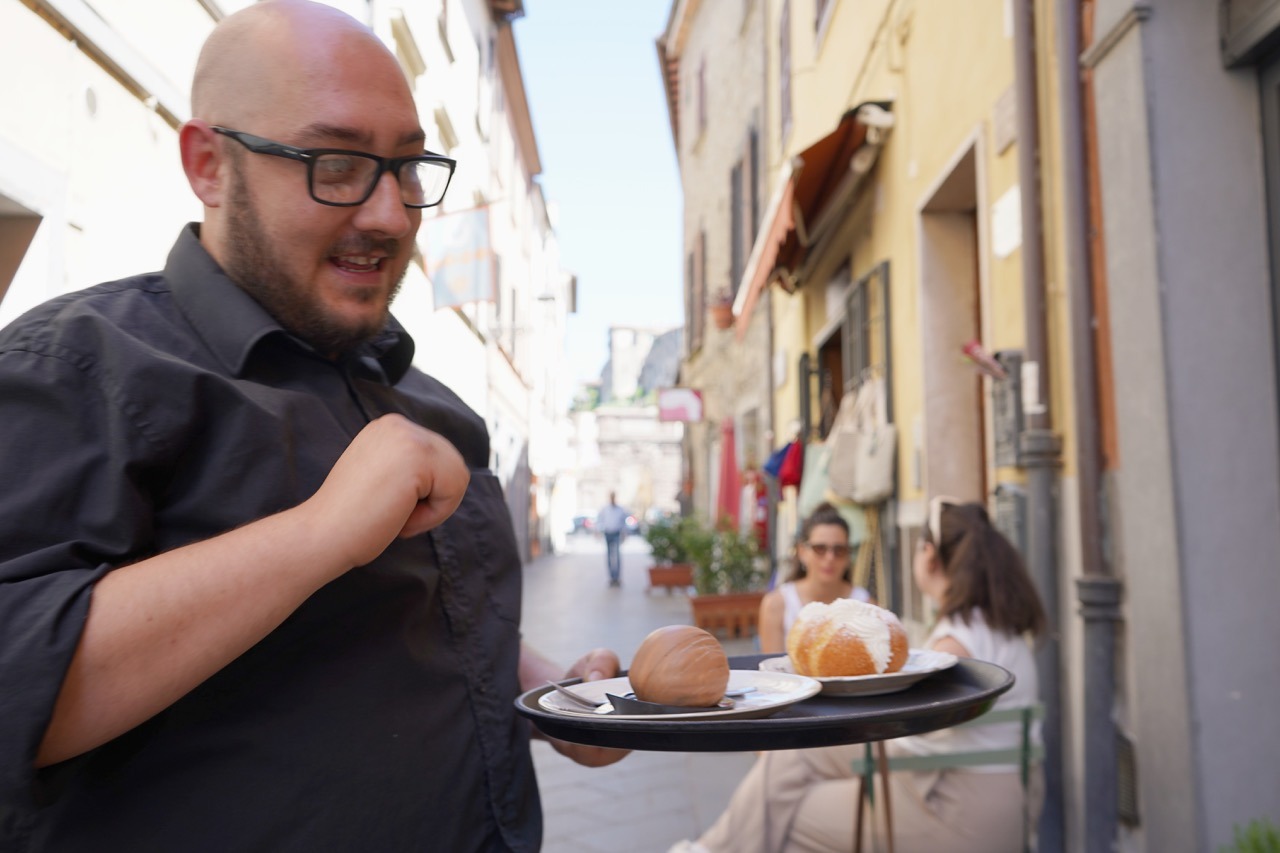
Another highlight is the realistic hazelnut-shaped creation, a refined pastry that pays homage to one of Tuscia's defining agricultural products. Beyond its visual appeal, it expresses a broader philosophy: local ingredients elevated through contemporary pastry techniques.
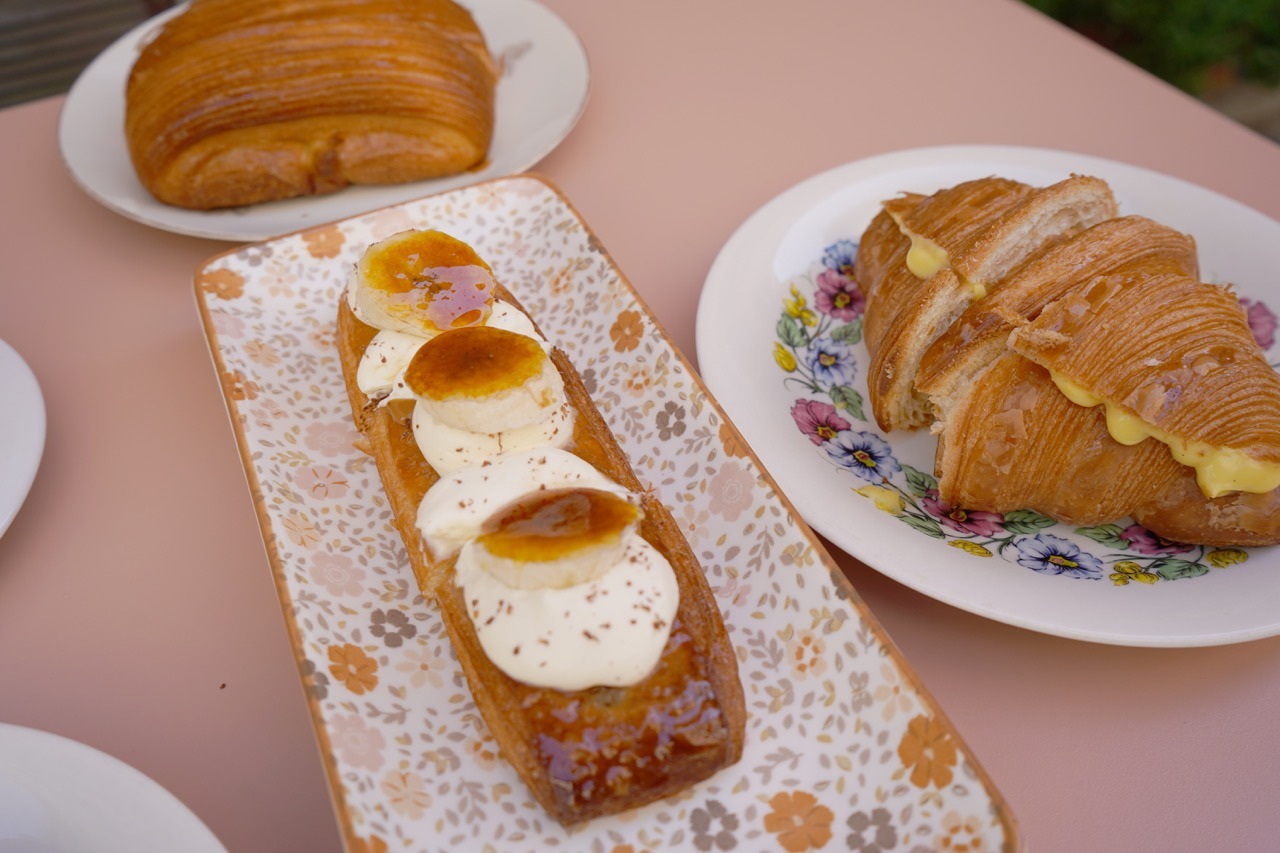
Daily specials further showcase the team's creativity. One recent example featured laminated pastry filled with banana cream and topped with caramelized banana, a combination that managed to be both comforting and surprisingly elegant.
Yet perhaps the most interesting aspect of Maritè is what it says about Italian breakfast culture itself.
For decades, the image of breakfast in Italy has been distilled into a simple ritual: cappuccino and cornetto at the bar counter. It remains one of the country's most romantic everyday traditions.
But in many places, that ritual has gradually become synonymous with speed rather than pleasure. Industrial products have replaced craftsmanship, quality has often given way to convenience, and finding a truly memorable breakfast has become increasingly difficult.
In some ways, Italian breakfast has begun to resemble fast fashion: standardized, efficient and instantly consumed.
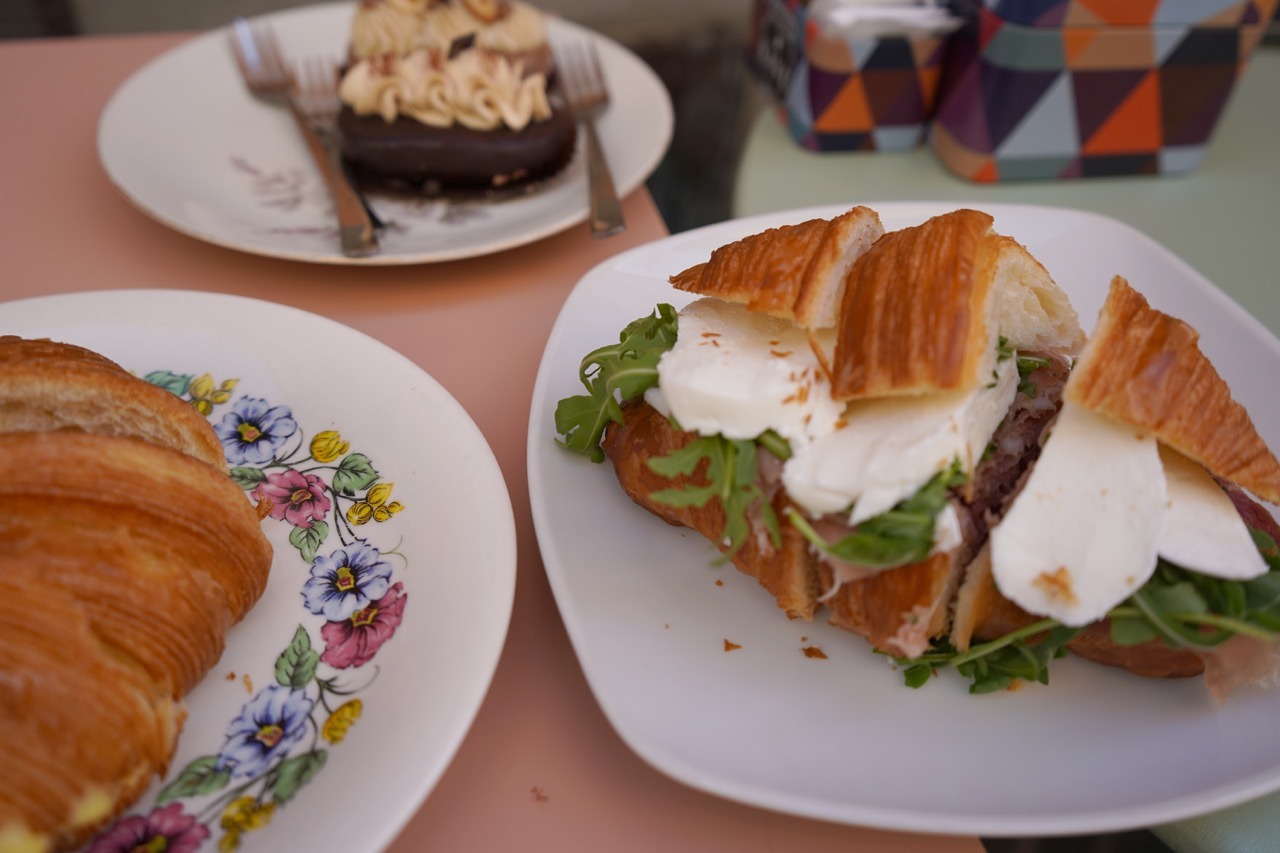
Maritè proposes a different approach. It does not reject the Italian breakfast tradition; rather, it restores its original dignity. The cappuccino is still there. The cornetto remains at the center of the experience. The standing counter, the quick exchange of greetings and the familiar rhythm of the morning all survive. What changes is the attention paid to quality.
In Bolsena, overlooking one of Italy's most beautiful lakes, Maritè reminds us that breakfast can still be a small daily pleasure worth slowing down for.
Maritè



square.jpg)