Sigaro Toscano: Whisky Pairing
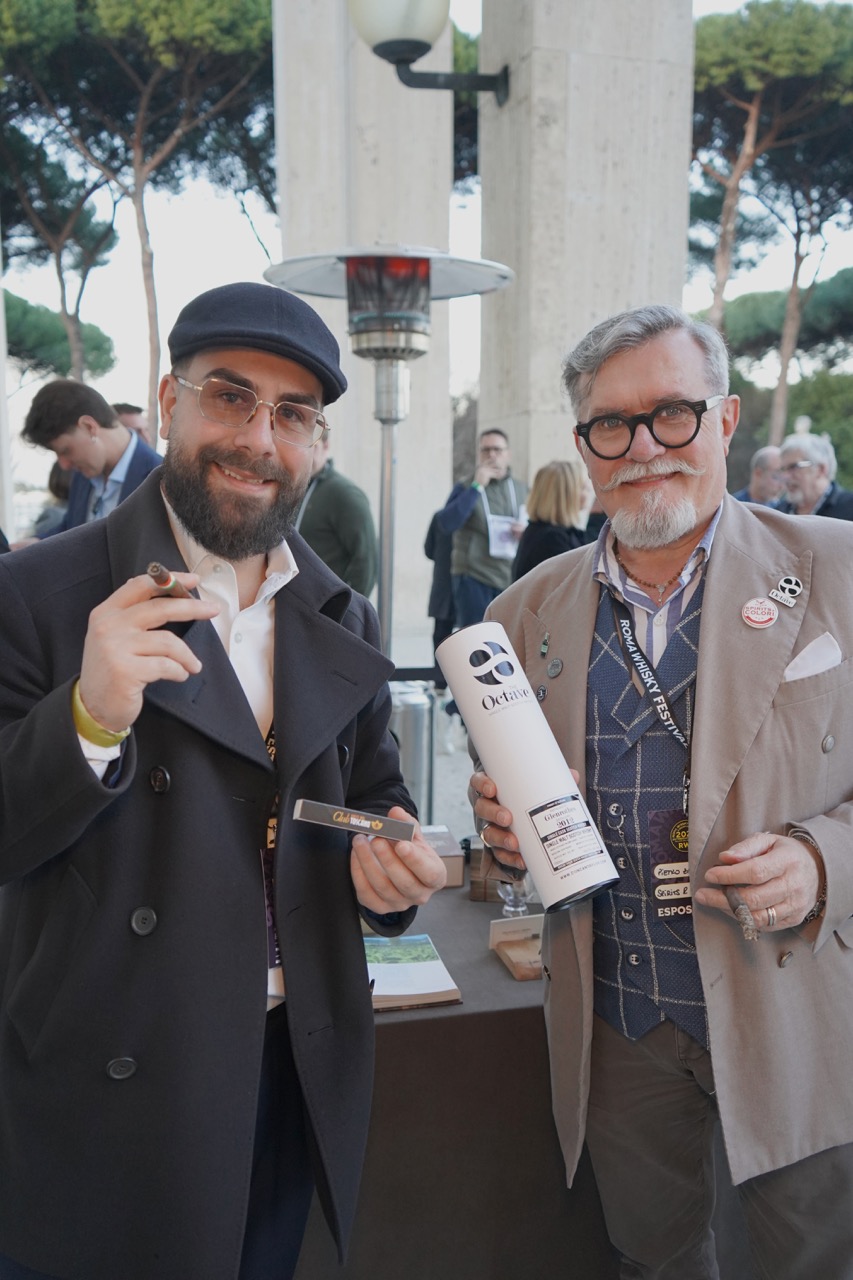
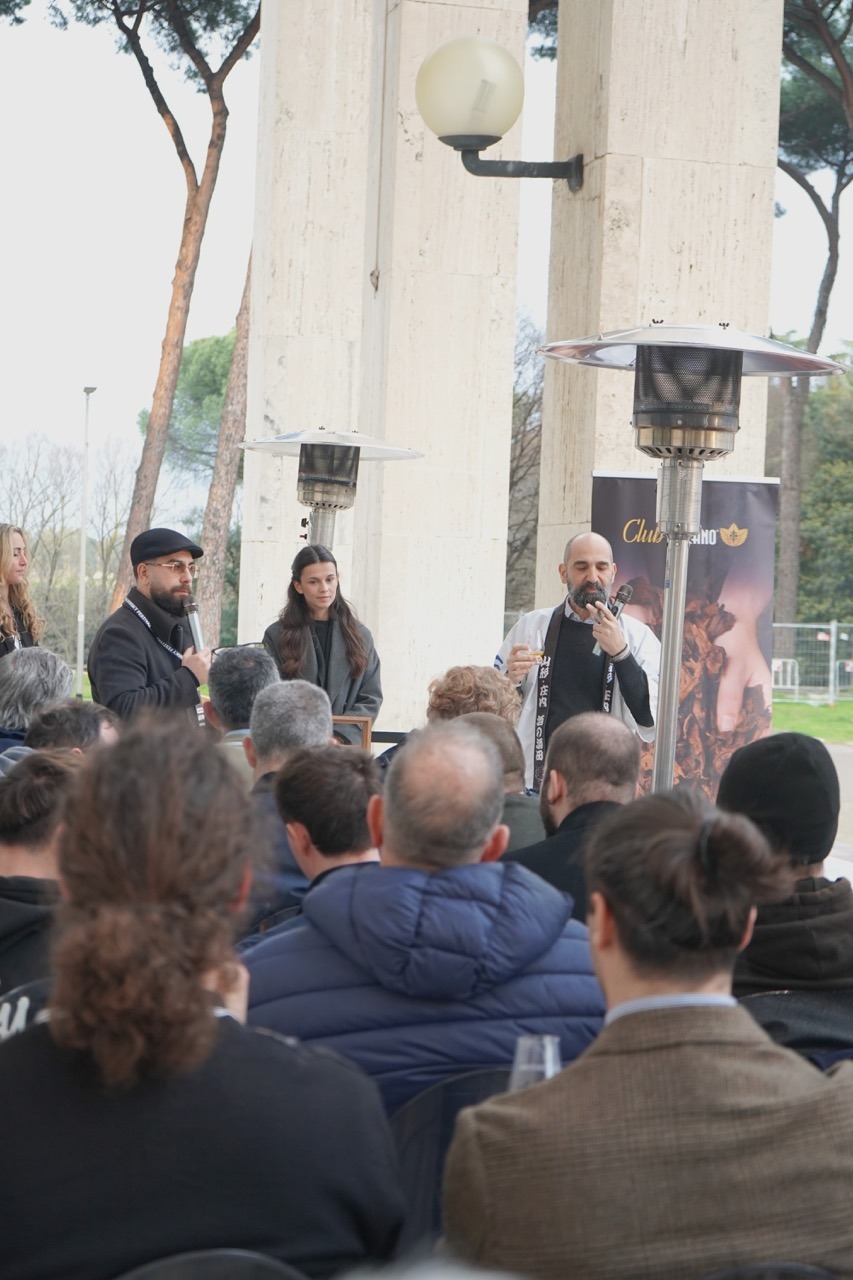
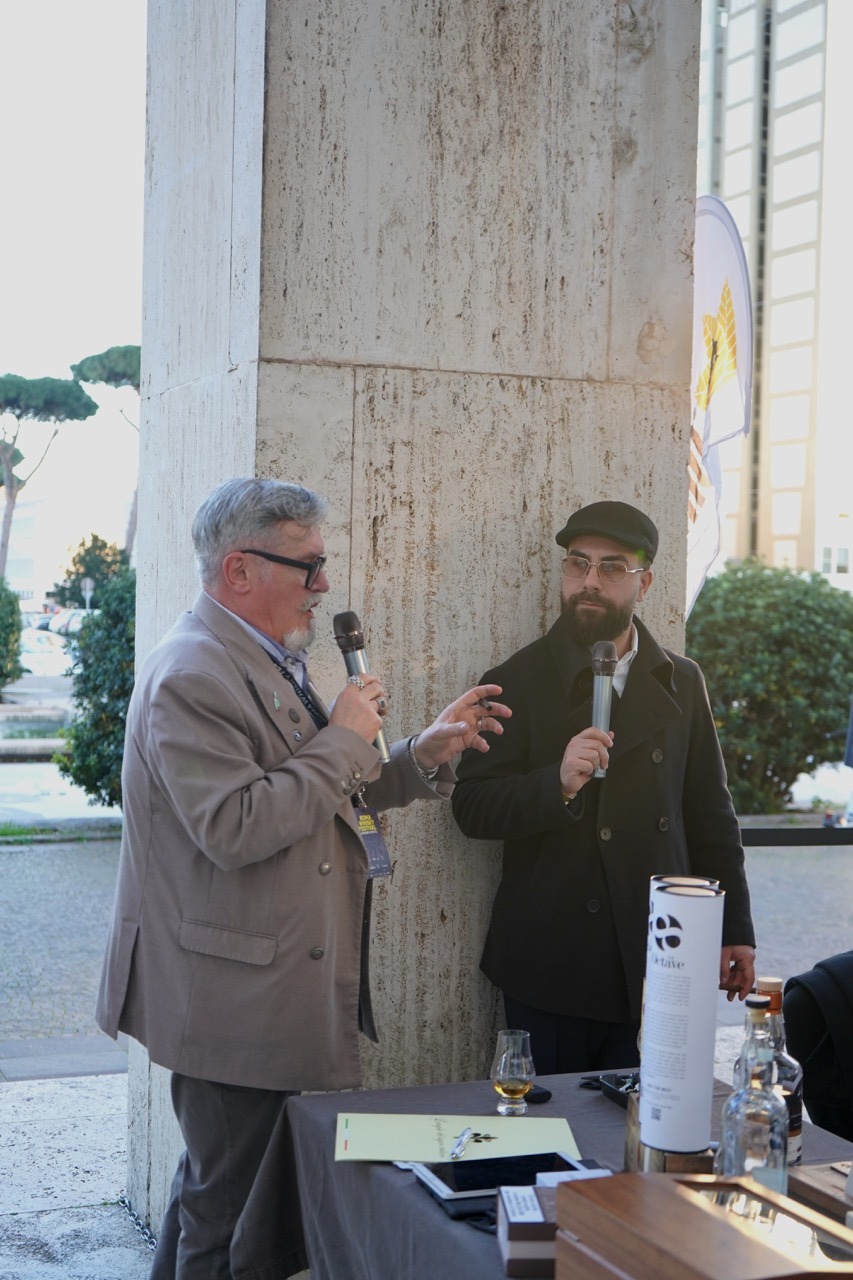
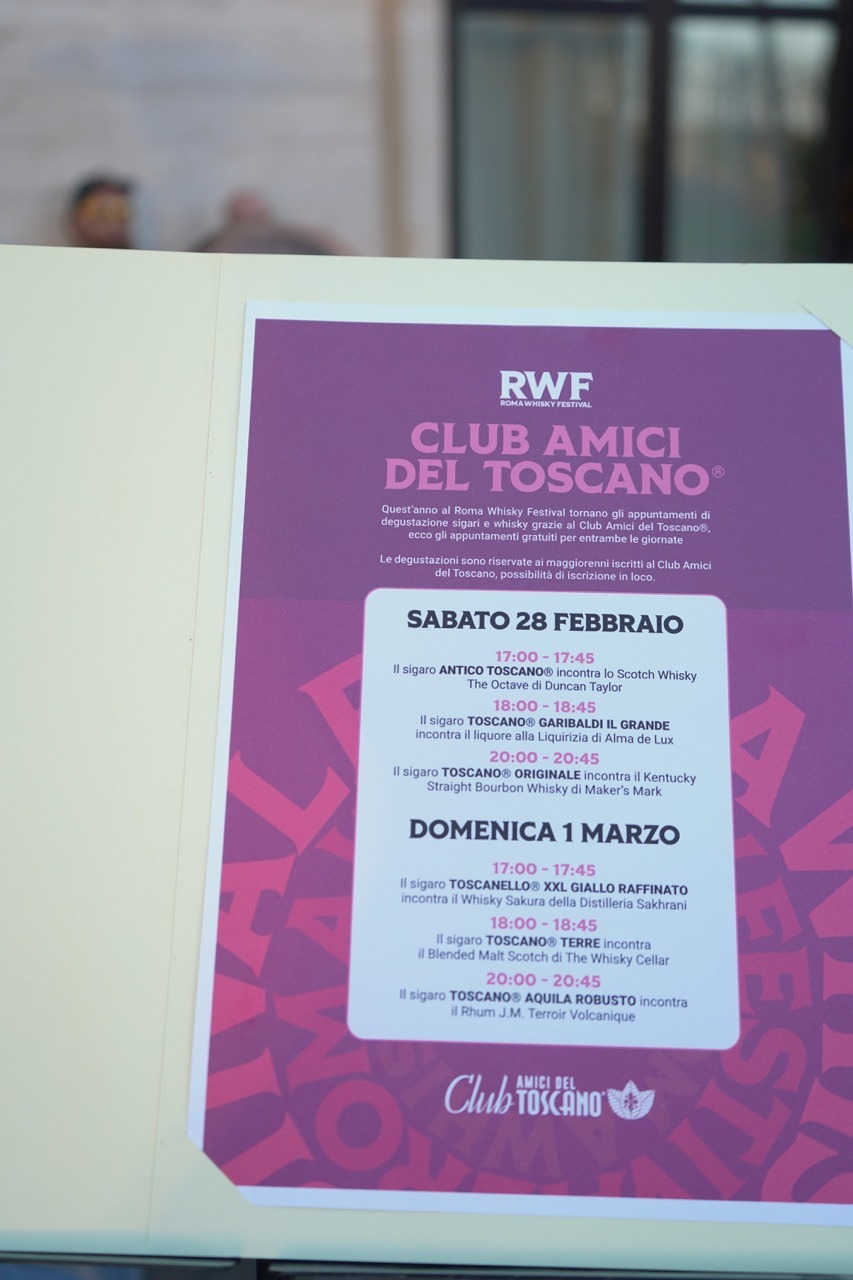
At the Roma Whisky Festival, the famous Italian cigar brand Toscano hosted a masterclass dedicated to the pairing of whisky and cigars.
When people hear about whisky and cigar pairing, some may feel that it sounds a little intimidating. However, the way to enjoy it is actually very simple. Pour a glass of whisky, light a cigar, and slowly taste the smoke while taking a sip of whisky. That alone can create a moment that feels a little more special than usual.
The aroma that slowly opens in the glass and the fragrance that rises with the smoke begin to interact with each other. Whisky and cigars reveal their true charm when they are enjoyed slowly, with time.

The Beginning of the Italian Cigar
The history of Italian cigars goes back to the 19th century. Their origin comes from a small accident that is still talked about today.
One day, a batch of Kentucky tobacco leaves that had been stored was suddenly soaked by rain. Normally, those leaves would have been thrown away because the quality would have dropped. But instead of discarding them immediately, the workers decided to let the leaves ferment.
Something unexpected happened. The tobacco that came out of this process had a darker color, a stronger taste, and a clearly smoky aroma that had not been present before.
This accidental discovery eventually became one of the defining characteristics of Italian cigars. What began with rain-soaked tobacco leaves later developed into a unique cigar tradition in Italy.
Kentucky Fire-Cured Tobacco
One of the most important elements that defines Italian cigars is Kentucky tobacco.
This tobacco is processed using a special drying method called Fire-Cured. It is a traditional technique in which tobacco leaves are slowly dried using smoke from an open fire.
During this process, oak wood is mainly used. The tobacco leaves are exposed to the smoke rising from the burning wood for a long time. As the leaves absorb the smoke, they change to a darker color and develop a smoky aroma similar to the smell of a campfire.
Along with this smoky note, other aromas begin to appear, such as roasted wood, a slight bitterness like dark cocoa, and a firm tannic structure. These elements create the strong and distinctive character that is typical of Italian cigars.
Some of the Kentucky tobacco used for Italian cigars is actually grown in Italy. The main growing regions include Tuscany, Umbria, Campania, and Lazio.
After harvesting, the leaves are transported to factories in Lucca and Cava de’ Tirreni where they are processed. In these facilities, traditional craftsmanship and strict quality control work together to produce the unique taste of Italian cigars.
Tobacco production started in Florence in the 19th century under the national tobacco monopoly and later it was moved to Lucca, where it is still located today.
Depth Created by Fermentation and Aging
After the drying process, the tobacco leaves are pressed into large bales and move on to the stage of natural fermentation.
This process is essential in shaping the flavor of Italian cigars. The strong sharpness of the leaves gradually softens, while the aromas become more concentrated and develop greater depth.
After fermentation, the tobacco enters the aging stage. The aging time varies depending on the product. Some cigars mature in a few months, while others take several years.
This process is somewhat similar to whisky aging. Time is not simply a step in production, it is a key factor that shapes the aroma and flavor.
Over time, the tobacco becomes smoother and the balance of flavor develops. In the end, the strong and complex character that defines Italian cigars is formed.
This deep smoky aroma is also one of the reasons why Italian cigars pair so well with whisky.
Why Whisky and Cigars Work So Well Together
Both whisky and cigars are products that carry a strong sense of ritual. What they share is a culture of enjoying them slowly.
Cigars belong to the world of slow smoking. Instead of inhaling quickly, the smoke is enjoyed slowly while noticing how the aromas change.
In the same way, fine spirits are part of the culture of slow drinking. They are meant to be sipped gradually, allowing the aromas and finish to develop.
A classic image often comes to mind: sitting in front of a fireplace, holding a cigar in one hand and a glass in the other. This scene perfectly captures the spirit of this pairing.
You slowly enjoy the smoke of the cigar and take a sip of whisky. As you repeat this process, the aromas and flavors begin to change little by little.
What exists in that moment is unhurried time. It is a moment away from the rush of daily life, a moment just for yourself. The pairing of whisky and cigars can truly be described as an experience of enjoying time itself.

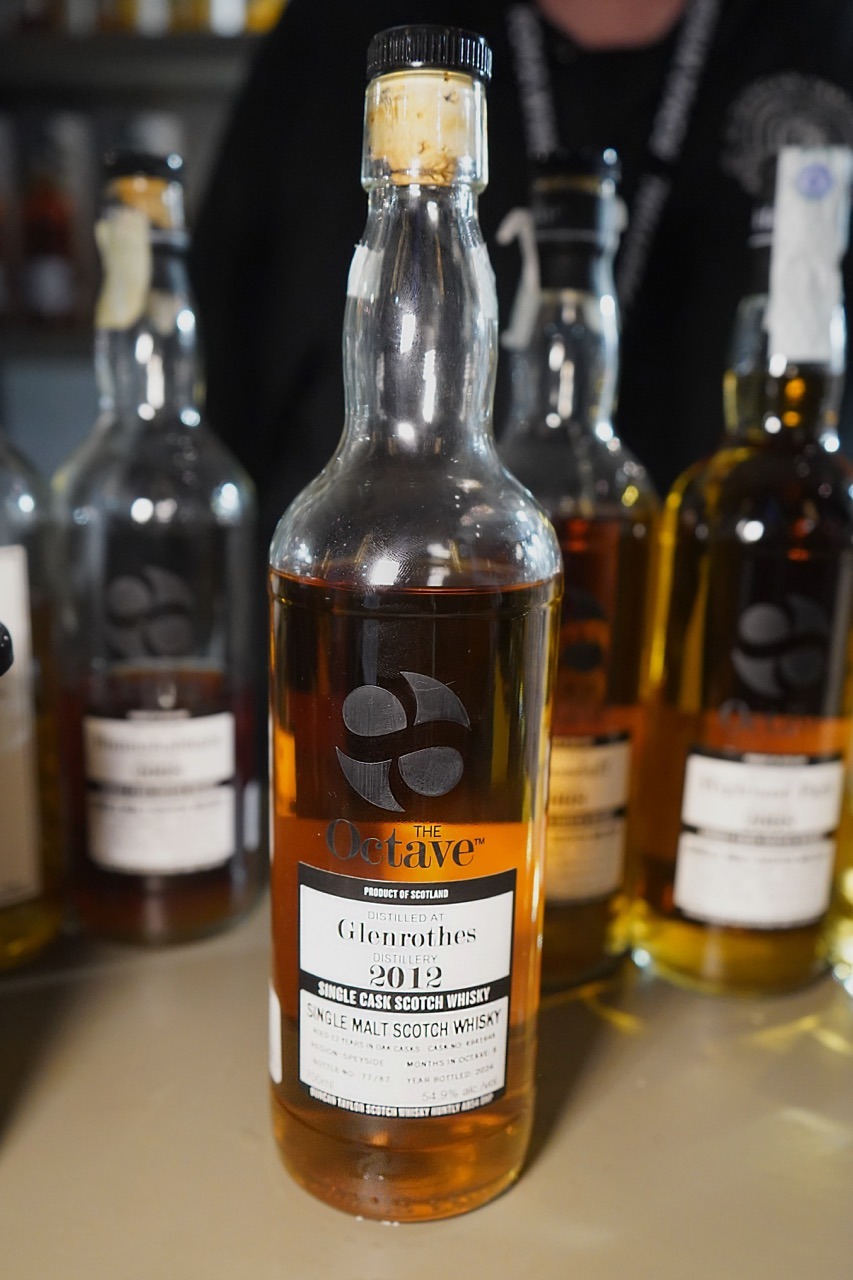
Antico Toscano × The Octave Glenrothes 2012
The first pairing introduced during the masterclass was the traditional Italian cigar Antico Toscano with the Scotch whisky The Octave Glenrothes 2012.
Antico Toscano is a classic and iconic example of a Toscano cigar.
Made with Kentucky fire-cured tobacco, it produces a very strong and structured smoke.
The aroma is centered on smoky wood notes, combined with hints of leather and dry earth.
It also shows nuances of bitter cocoa and a long, dry finish, with a noticeable tannic structure. It is a cigar with a very distinctive character.
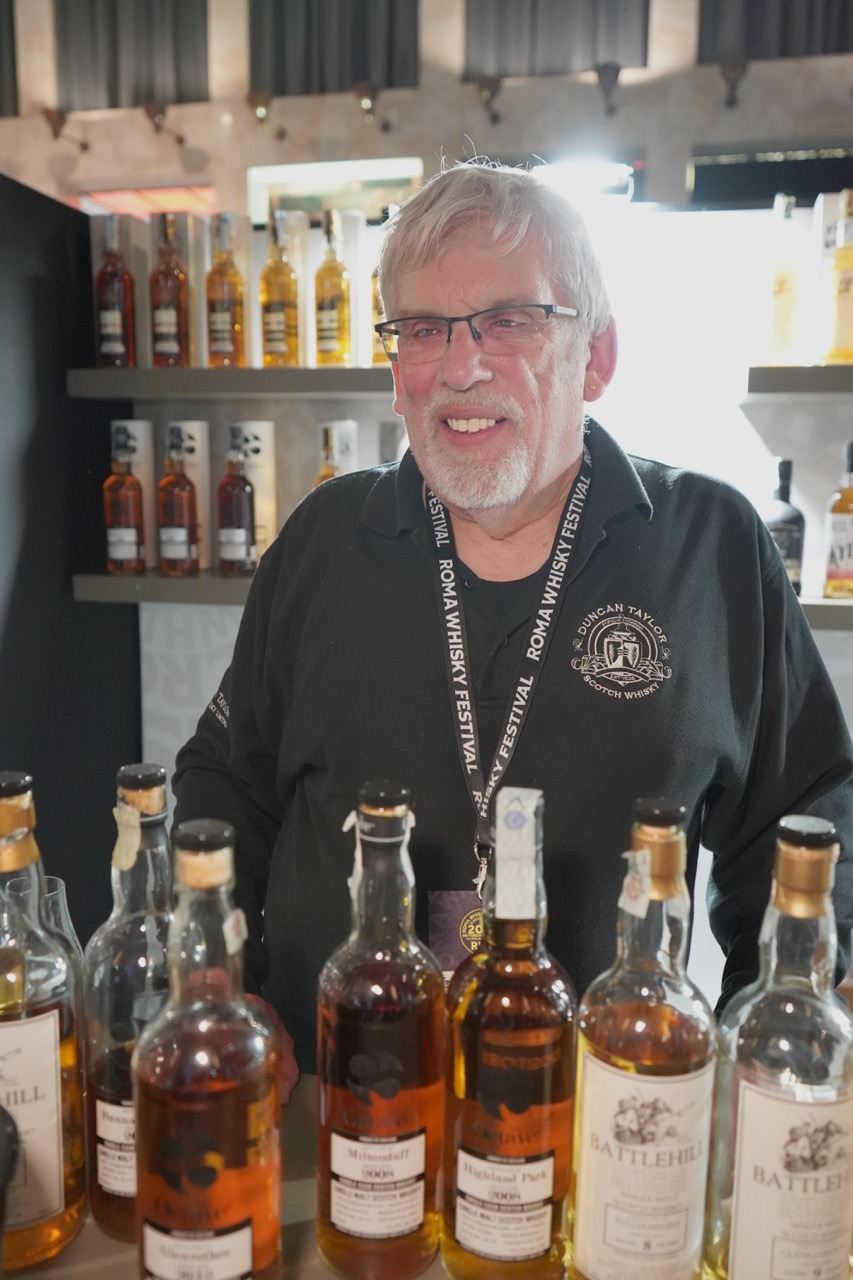
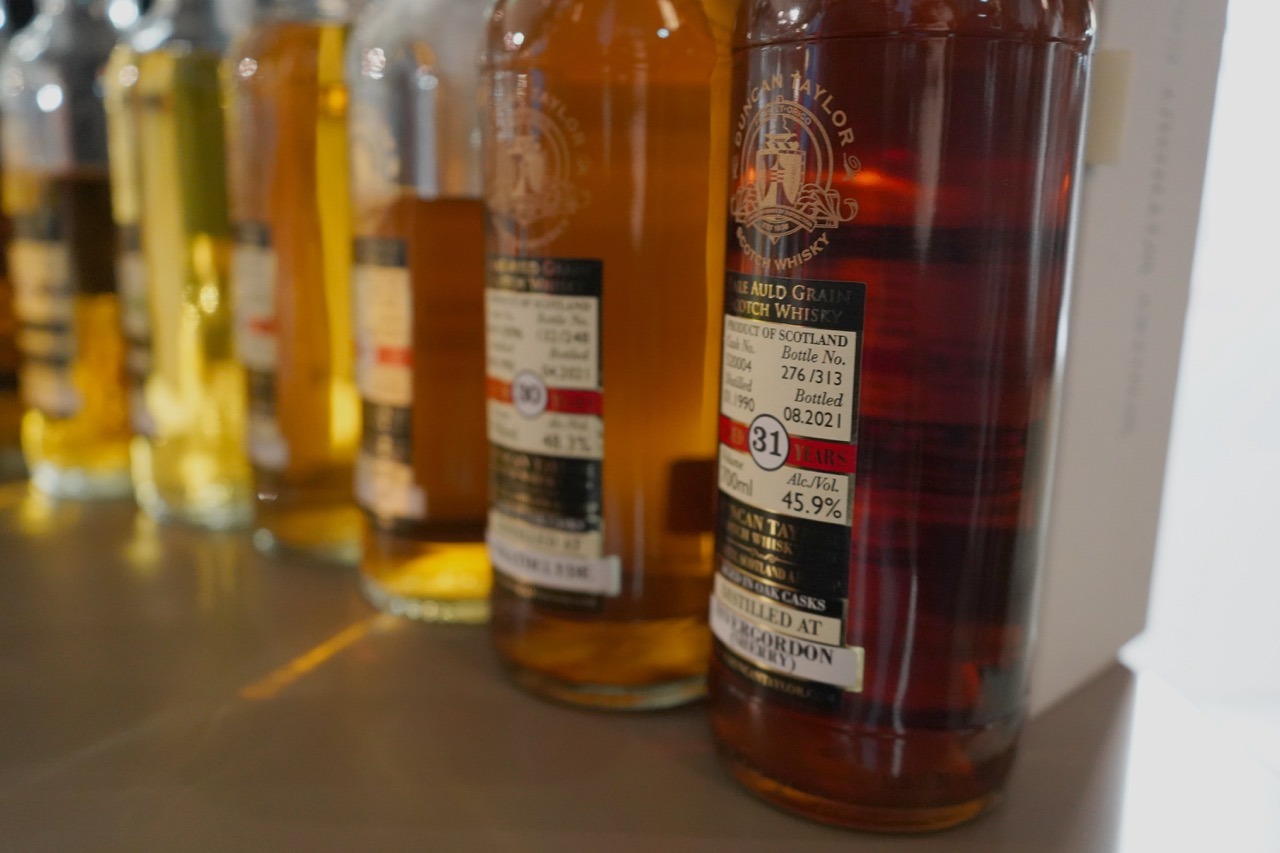
The whisky paired with it was bottled by Duncan Taylor, a well-known independent bottler.
The company was founded in 1938 by Abe Rosenberg and is now one of the most respected names in the whisky world.
The whisky used for the tasting was distilled at Glenrothes Distillery in 2012 and matured in small Octave casks, which hold about 63 liters.
Because these casks are smaller, the contact between wood and spirit is stronger, which intensifies the maturation process.
The whisky was bottled at cask strength, following the company’s famous philosophy, “We are not selling water.”
Aged in sherry casks, the whisky has a warm rosé color. On the nose it is delicate but complex, showing notes of spice and fruit.
On the palate, the 53% alcohol is very well integrated. Flavors of chestnut honey, ripe red fruits, tannin, and fresh wood appear.
There is also a subtle hint of tobacco that naturally reminds the drinker of cigar smoke.
In this pairing, the dry and smoky structure of Antico Toscano is balanced by the sweetness and strength of Glenrothes. Both the cigar and the whisky have tannic elements, but the higher alcohol of the whisky allows it to stand up to the powerful smoke.
The sweetness of the whisky contrasts with the earthy bitterness of the cigar, creating a bold and balanced pairing.
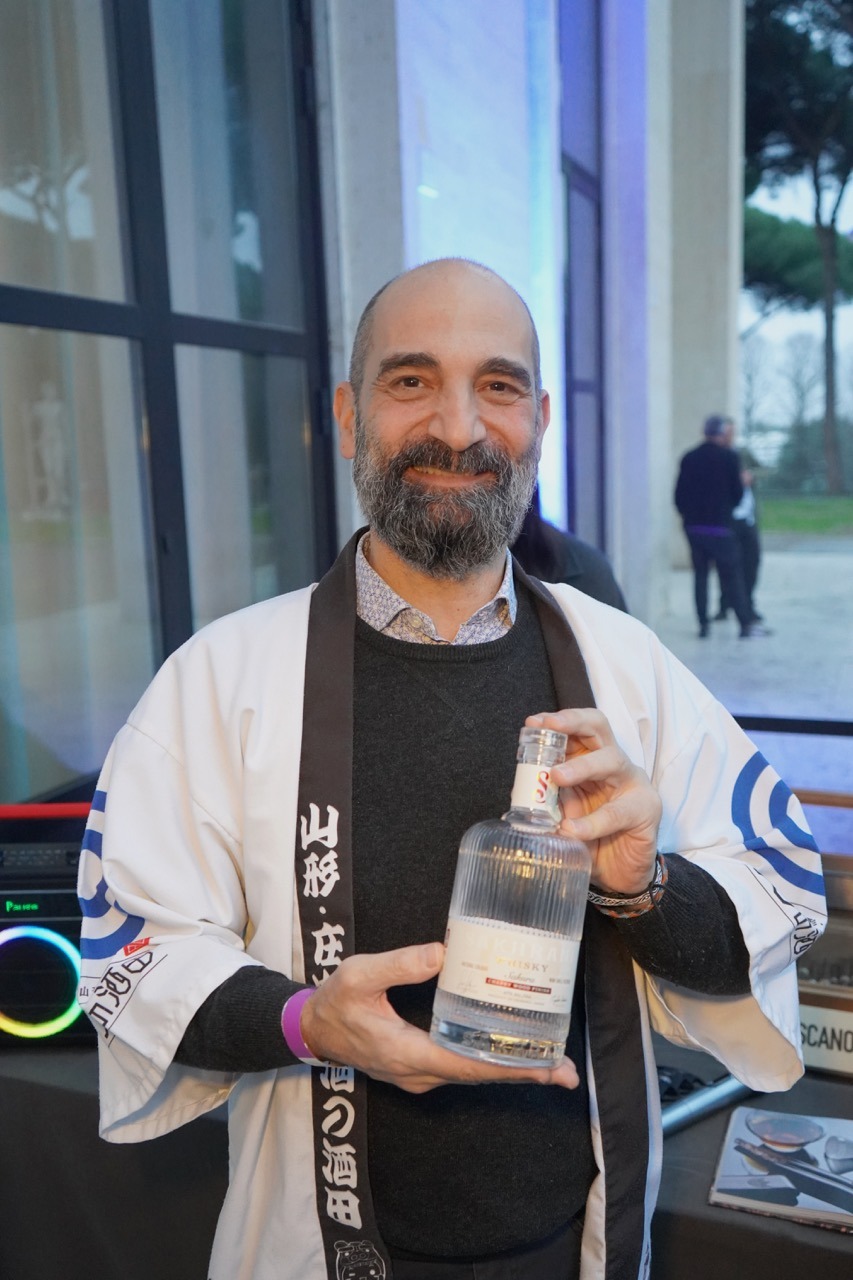
Toscanello XXL Giallo Raffinato × Sakura Whisky
Another pairing introduced during the masterclass combined a softer style of cigar with Japanese whisky.
Toscanello XXL Giallo Raffinato is known for its sweet vanilla-flavored tip. The smoke shows aromas of vanilla, sweet wood, hazelnut, and light toasted notes.
Compared with the classic line of Toscano cigars, it has a rounder and more approachable style.
It was paired with Sakura whisky produced by Sakhrani Distillery in Okinawa, Japan. This whisky is finished and matured in barrels made from sakura (Japanese cherry wood).
Okinawa has a subtropical climate, which is similar in some ways to the Caribbean. In this type of climate, the interaction between wood and spirit happens more quickly, making the aging process more intense.
The result is an elegant and aromatic whisky. It shows floral notes reminiscent of cherry blossoms, together with hints of fruit and vanilla.
The taste is well balanced and the finish is clean.
In this pairing, the harmony is built on softness. The vanilla and toasted notes of Toscanello highlight the floral and fruity aromas of Sakura without overpowering them.
The result is a gentle and balanced pairing, especially suitable for people who are experiencing Italian cigars for the first time.
The Quiet Luxury of Whisky and Cigars
One of the most fascinating things about pairing whisky and cigars is how their aromas influence each other.
After taking a sip of whisky, tasting the smoke of a cigar may suddenly reveal sweetness or roasted notes that were not noticed before.
On the other hand, after enjoying the cigar, the whisky may taste clearer and more defined.
For example, after slowly tasting a puff of a cigar and then taking a sip of whisky, the flavor may feel slightly different from before.
The sweetness might appear stronger, the woody notes more vivid, or fruity aromas may suddenly open up.
This happens because cigar smoke remains in the mouth and changes how we perceive taste and aroma. The smoky notes, tannins, and gentle bitterness of the smoke highlight the sweetness and barrel character of the whisky.
It can feel as if the same whisky is showing a different side of itself.
The opposite can also happen. After drinking whisky, the smoke of the cigar may reveal hidden sweetness or nutty aromas. The alcohol slightly warms the mouth and allows the cigar’s aroma to feel richer and more layered.
In this way, whisky and cigars slowly interact with each other, changing the experience little by little. Each sip and each puff can reveal a new nuance, which keeps the experience interesting until the very last sip.
As the smoke slowly rises and the aroma of whisky continues to open in the glass, a quiet moment begins to form. It is a small luxury, a moment away from the rush of daily life, a moment just for yourself.
Duncan Taylor:
https://spiritsecolori.it/duncan-taylor-whisky/
Bere Giapponese:
Sigaro Toscano







square.jpg)