La Grande Bellezza: A New Kind of Luxury
To understand Italy is, in many ways, to understand its traditions. That idea lies at the heart of what Starhotels is doing today.
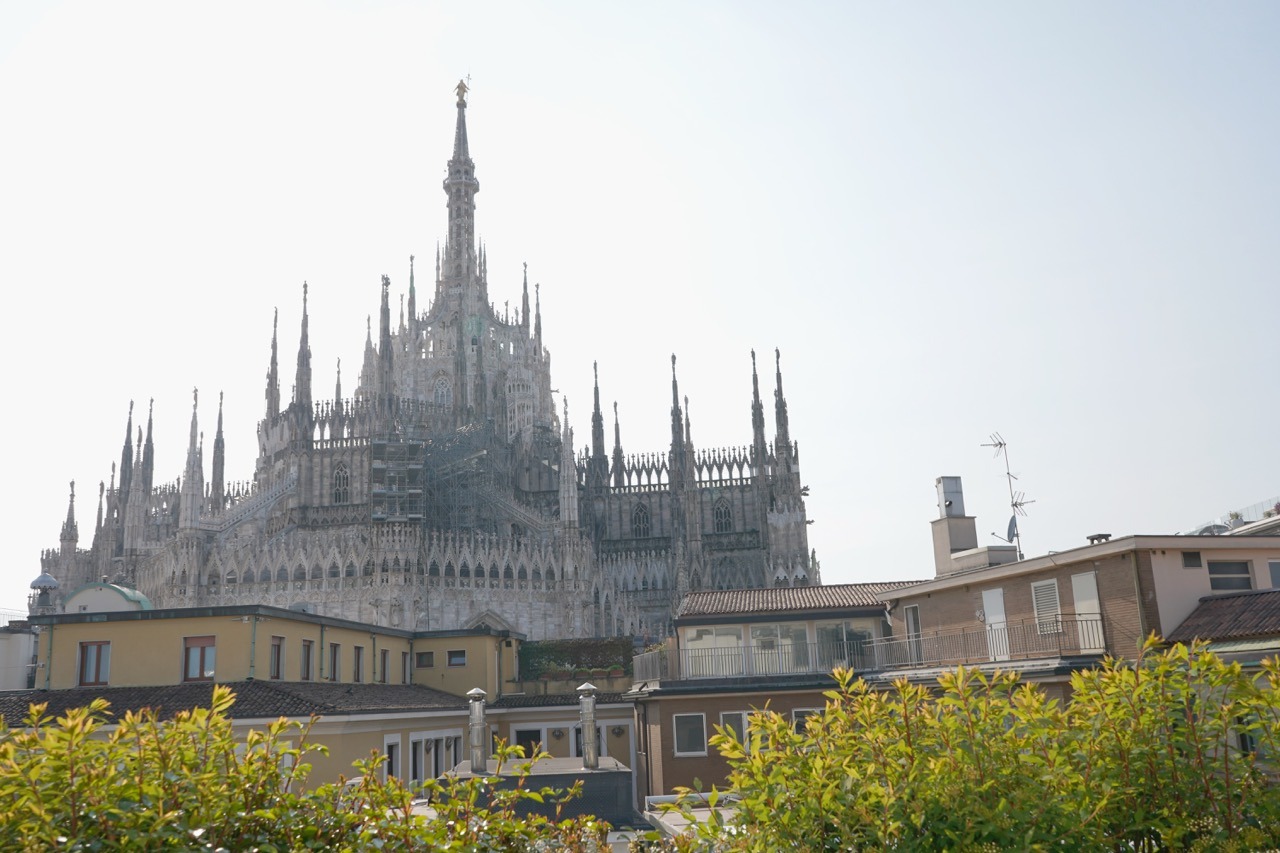
Starhotels, an Italian hospitality group, has developed a collection of luxury properties under the name Starhotels Collezione, located across some of the country’s most iconic cities, including Florence, Rome, Milan, and Venice. Each hotel preserves the character of its historic building while incorporating contemporary design, creating spaces that feel both timeless and deeply rooted in their surroundings. A stay here goes beyond comfort, offering a sense of place that reflects each destination.
The group has also launched a project called La Grande Bellezza. At its core, it is a collaboration with artisans and ateliers across Italy, bringing their work directly into the hotels. The aim is not only to safeguard traditional skills that are gradually disappearing, but to ensure they remain relevant in the years ahead.
This concept extends beyond interiors. Craft is woven throughout the entire guest journey, from spatial design to curated programs available during a stay. In this way, a visit becomes an opportunity to connect more deeply with Italian culture and its unique sense of beauty.
What Does “Italian” Really Mean?
The person behind this initiative is Elisabetta Fabri, President and CEO of Starhotels Group. Her thinking dates back about 30 years, when she acquired a hotel in New York and became directly involved in its management.
At the time, the hotel still reflected the style of its previous Chinese owner, with strong Asian design elements throughout. Spending time in that space led her to a simple but powerful question: could this truly be considered an Italian hotel?
That moment marked a turning point. She began to see Italian craftsmanship as central to defining a space’s identity. Environments shaped by artisans naturally convey a sense of authenticity. After returning to Italy and working on several hotel renovations, this conviction only deepened. In her view, a hotel should offer more than accommodation; it should reflect the culture and spirit of its surroundings.
More Than Just Preservation
This philosophy eventually led to the creation of La Grande Bellezza. Its mission is straightforward: to protect Italian craftsmanship while ensuring its continuity. What sets the project apart, however, is its approach.
Rather than isolating tradition as something static, it is integrated into the living environment of the hotel, where it can evolve organically.
Furniture and decorative elements throughout the properties are created by artisans. Every two years, a craft competition is held, and selected works are not merely displayed, they are actively used within the hotels. This distinction is essential. These pieces become part of everyday life, rather than remaining as exhibition objects. As a result, each creation continues to live on within an ongoing cycle.
The project also fosters collaborations between designers and artisans, resulting in new creations, as well as programs that invite guests into the world of making.
A Modern Form of Patronage
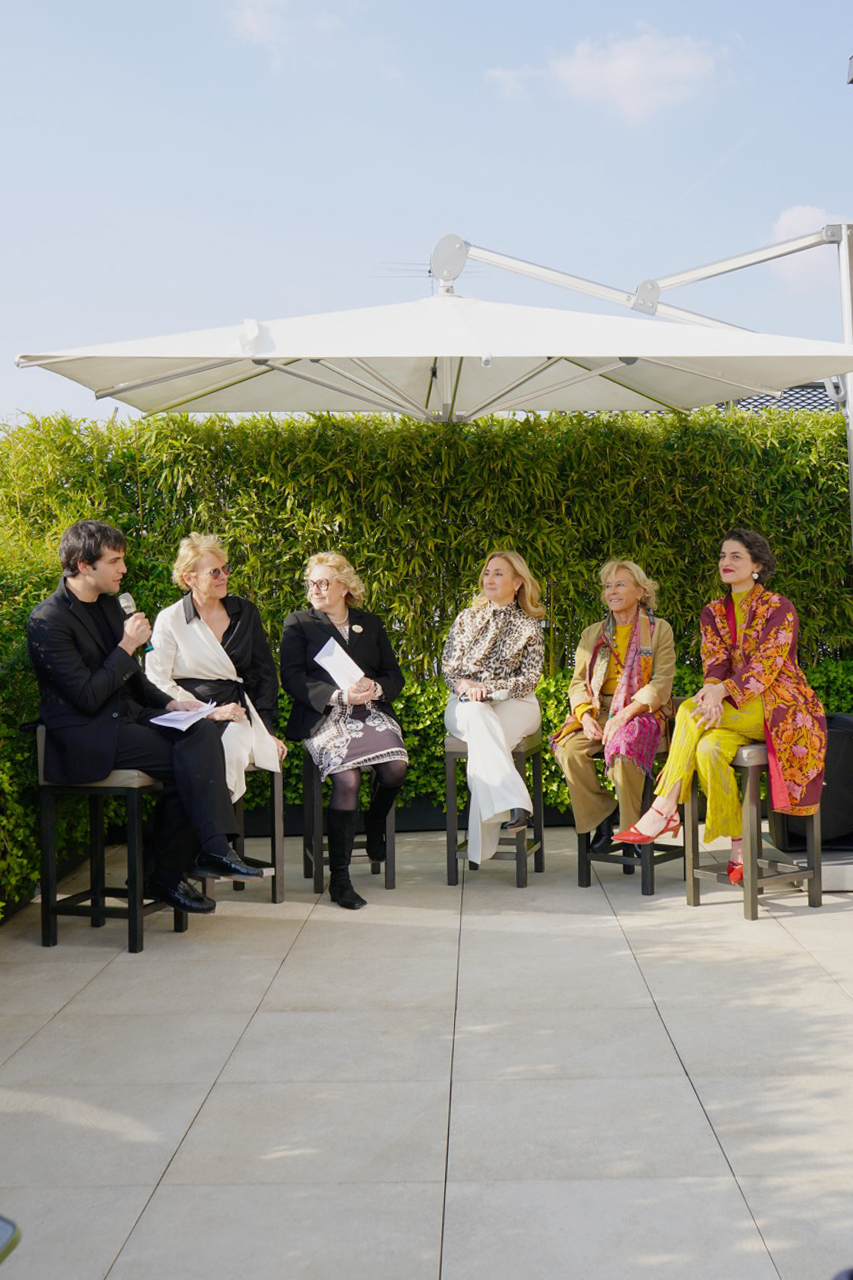
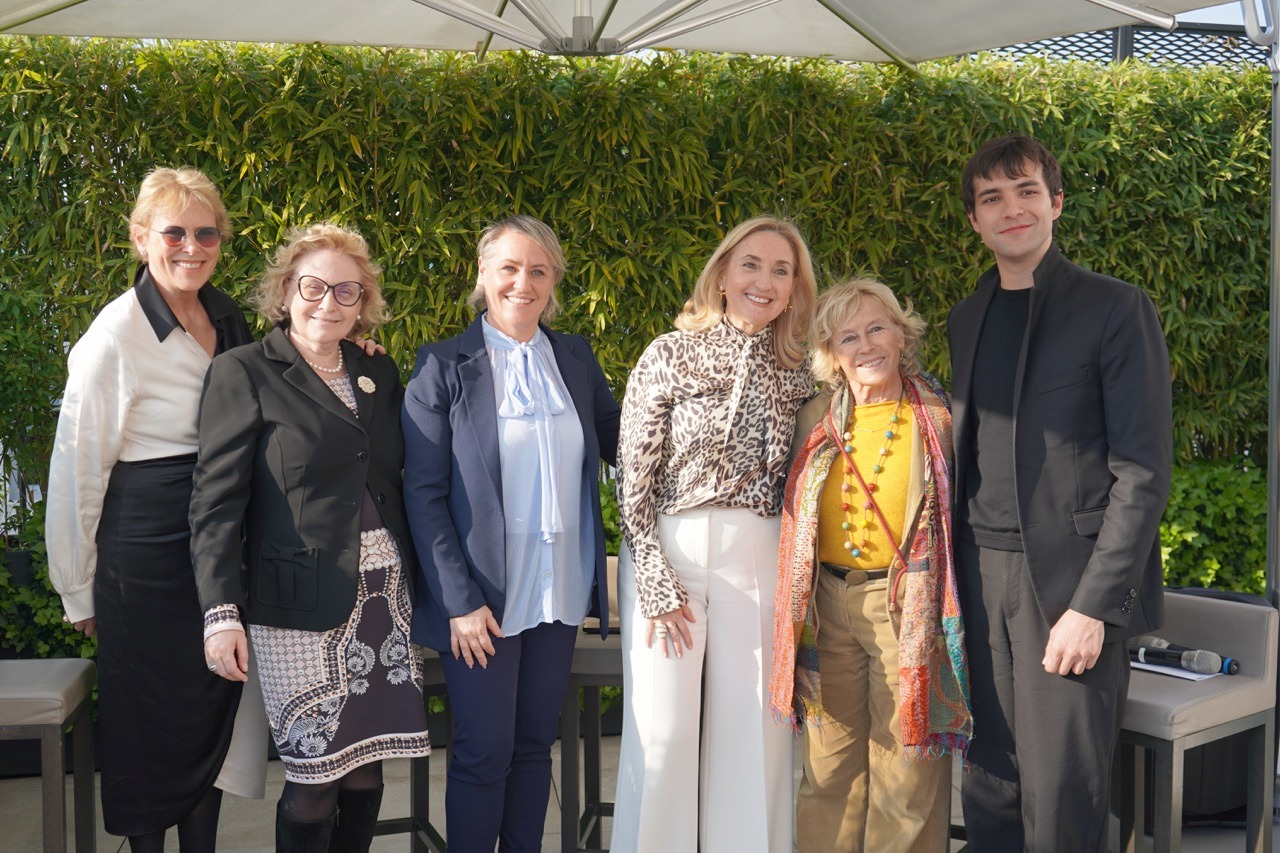
The initiative brings together experts from a wide range of fields, extending beyond hospitality. One of them is Alessandra de Nitto, a member of the Fondazione Cologni dei Mestieri d’Arte. For over 30 years, the foundation has worked to preserve Italy’s highest levels of craftsmanship and pass them on to future generations.
Its founder, Franco Cologni, has a long-standing background in the luxury sector and a deep understanding of artisanal work. Yet despite this, craftsmanship has not always received the recognition it deserves.
In the art world, established systems of patronage support and sustain its value. Craft, by contrast, often remains less visible. In this context, Elisabetta Fabri’s commitment, investing in artisans and building a framework that allows their work to continue can be seen as a contemporary form of patronage.
Bringing Two Worlds Together
One of the most compelling aspects of the project is how it connects two worlds that have rarely intersected: the realm of artisans, where skills are refined over decades, and that of luxury hospitality.
At first glance, they may appear distant. Yet both share a deep appreciation for beauty, which allows them to align naturally.
The hotel becomes more than accommodation. For artisans, it serves as a place to create, to express their work, and to share it with others.
Passing Skills to the Next Generation
At the same time, there is a pressing challenge: how to pass these skills on. Today, fewer young people choose careers in craftsmanship, placing centuries-old traditions at risk.
To address this, Starhotels collaborates with the Fondazione Cologni to offer training programs for younger generations. Participants are able to live in the city while studying and spend time in active workshops, learning directly from artisans within real working environments.
Experiencing Craft Across Italy
What makes this project particularly engaging is that craft is not limited to observation, it invites participation.
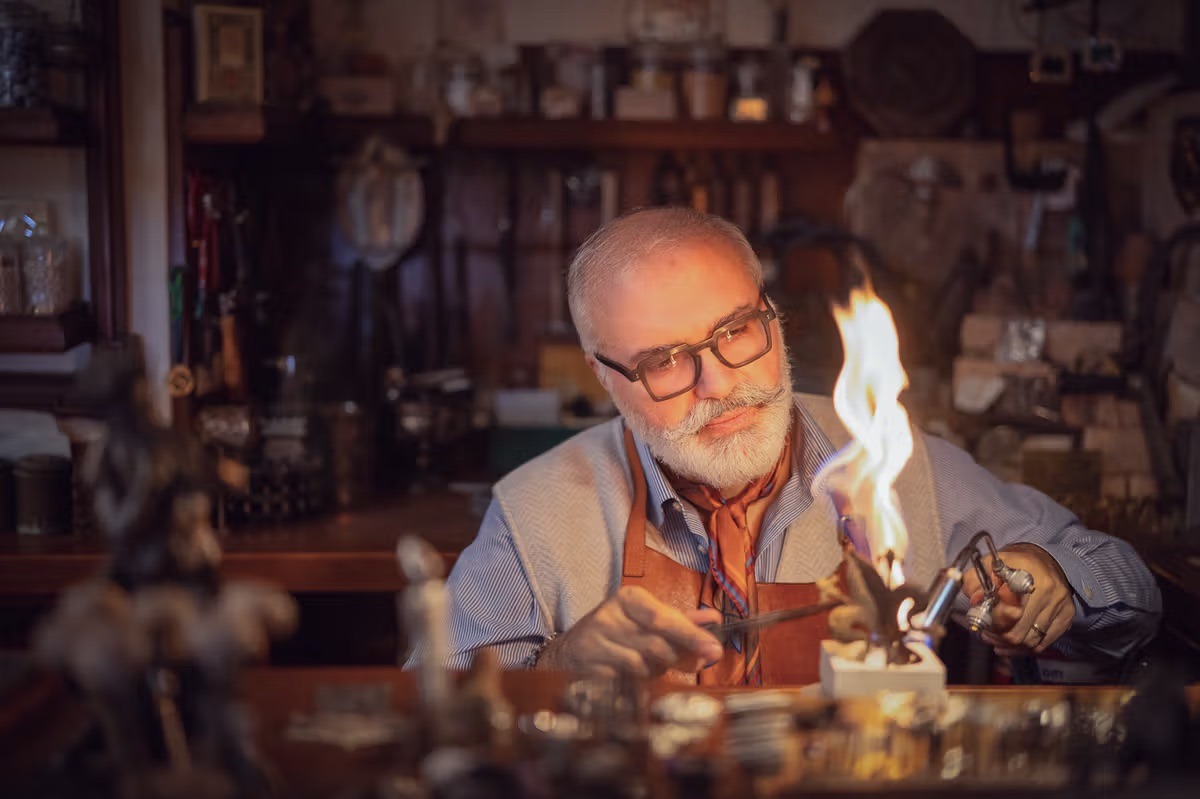
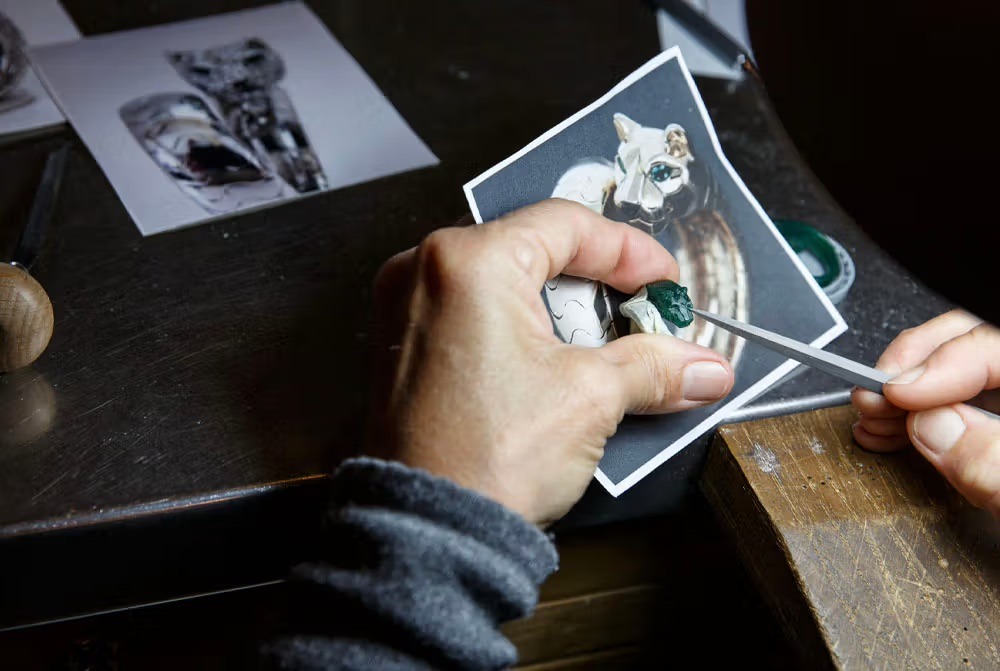
During their stay, guests can explore a wide range of disciplines, from glassmaking and leatherwork to textiles and jewelry. Rather than simply watching, they are encouraged to engage with the process and gain insight into how things are made.
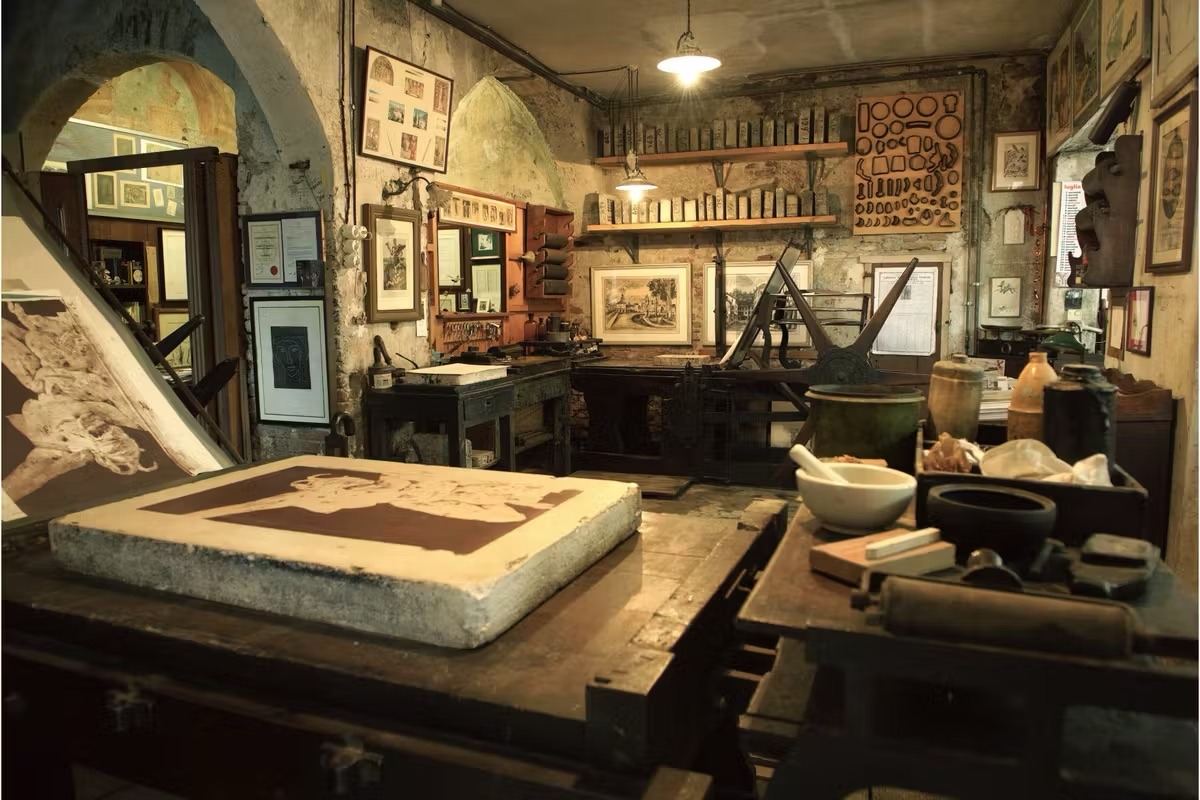
In Florence, many of these activities take place in historic workshops that still carry the spirit of the Renaissance. Guests can create one-of-a-kind pieces in silk ateliers, observe goldsmith techniques up close, or craft personal leather goods using traditional methods. There are even opportunities to step into book restoration workshops, where time seems to slow as one works quietly with paper in an atmosphere untouched by modern life.
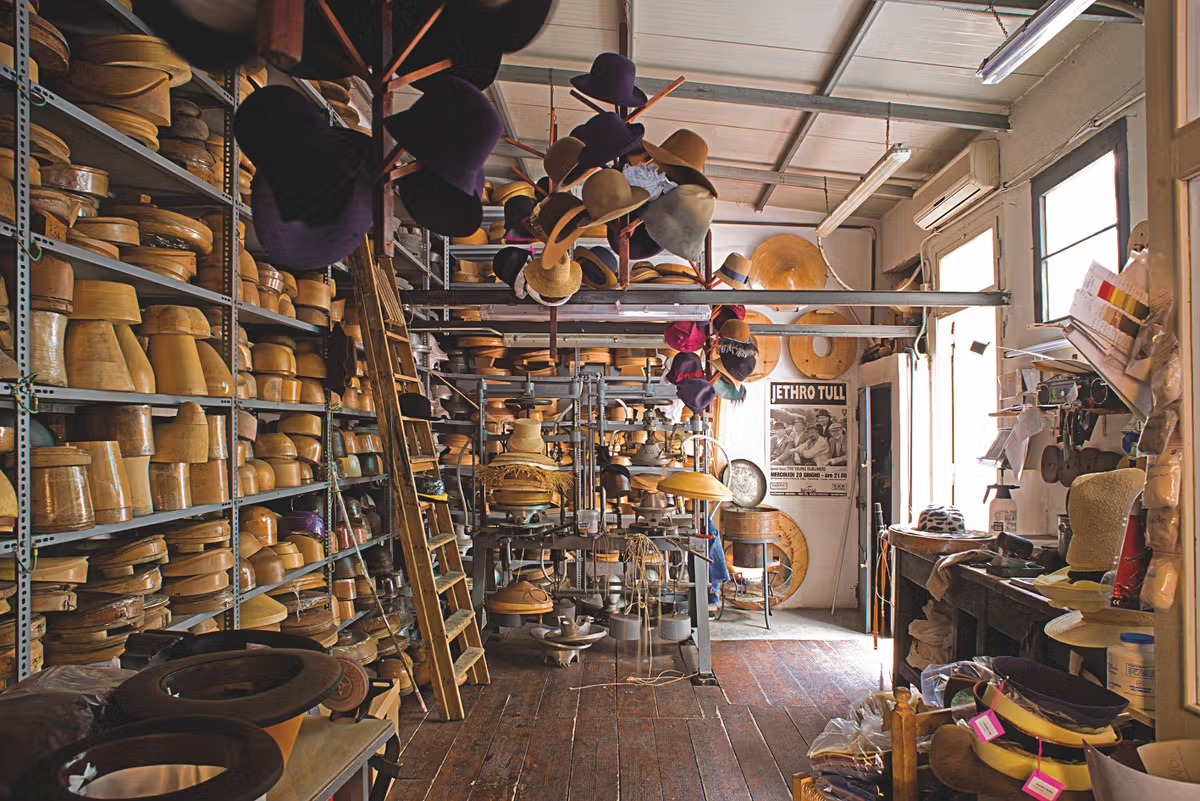
In Rome, the relationship between craft and fashion becomes especially apparent. Visitors can enter a milliner’s workshop to learn traditional hat-making or visit tailoring studios to understand the process behind made-to-measure garments. The city also offers rare access to intricate techniques such as mosaic work.
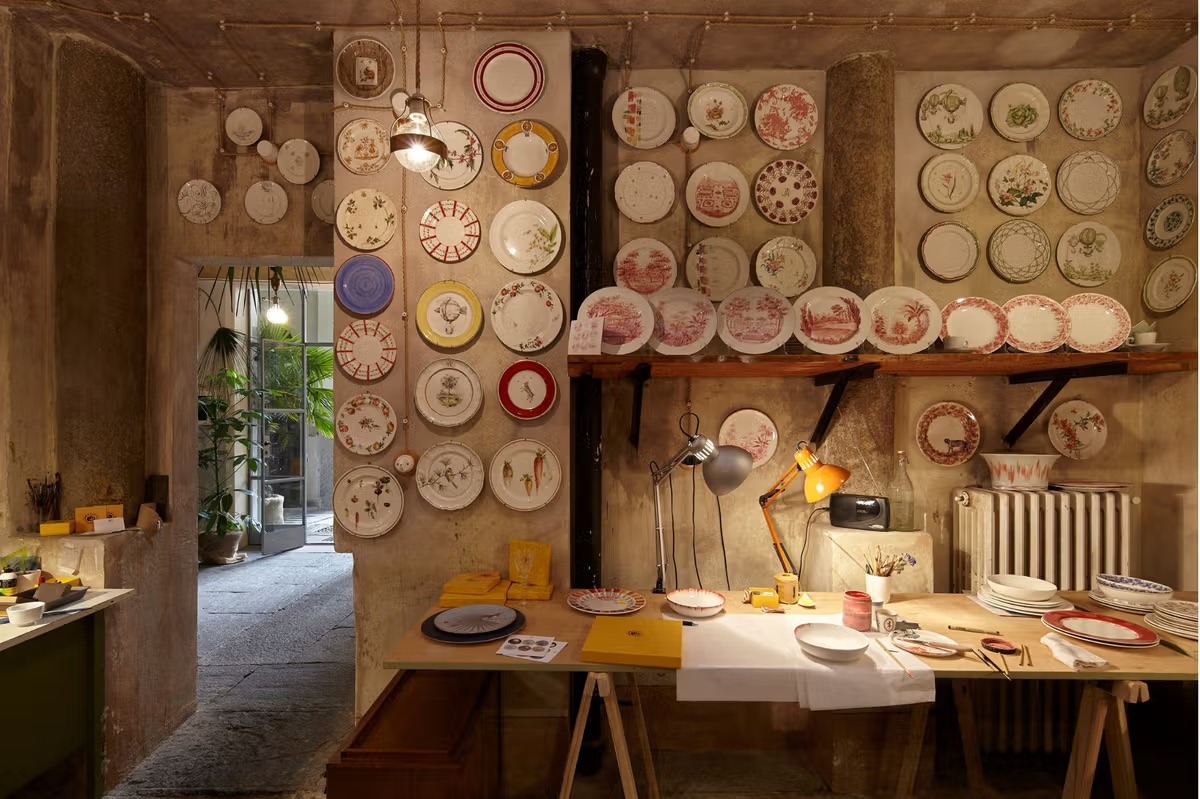
Milan presents a more contemporary perspective, where craftsmanship intersects with modern design. Guests can visit studios producing hand-decorated paper or artistic ceramics, or join jewelry-making sessions to create their own pieces.
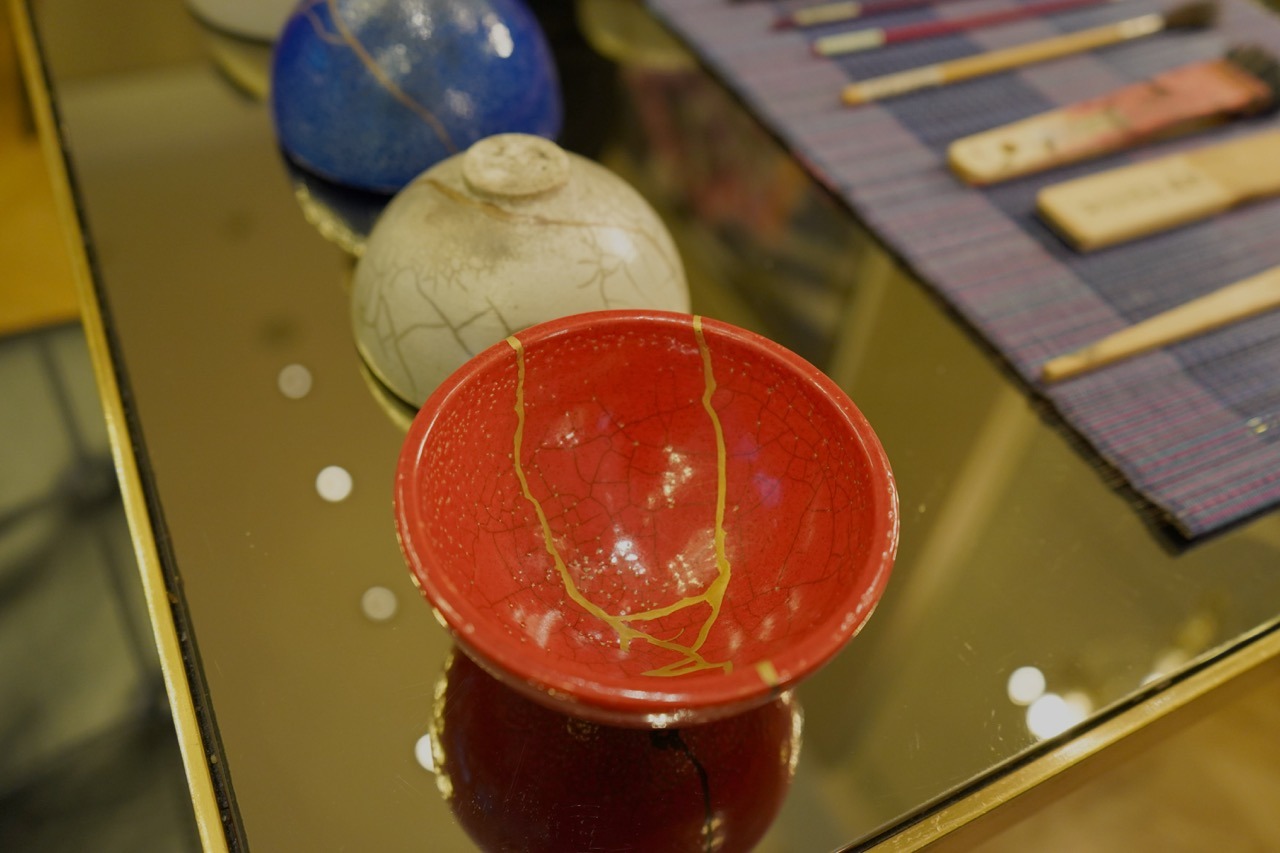
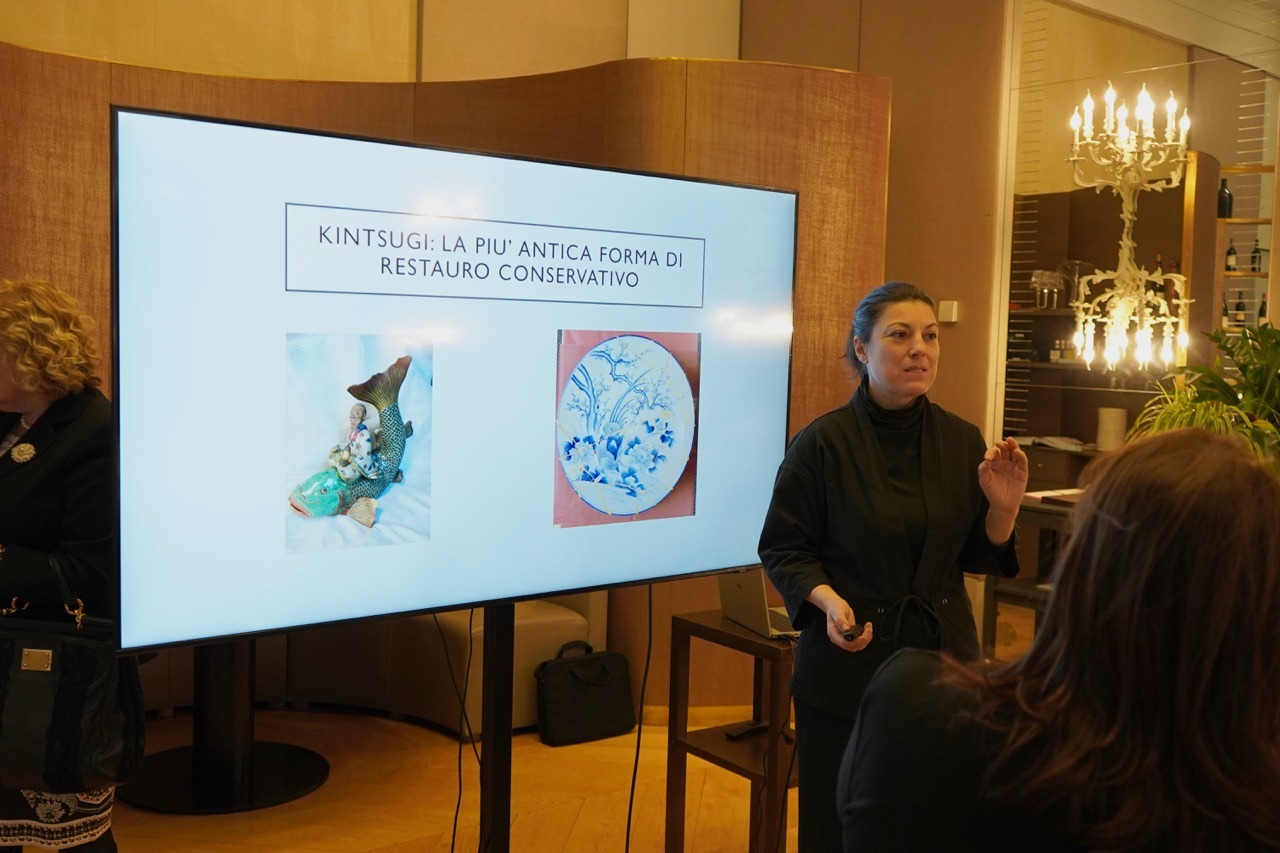
One particularly distinctive activity is kintsugi, led by Anita Serrato. Broken ceramics are repaired using lacquer and finished with gold powder. Rather than concealing damage, the process highlights it, transforming imperfections into part of the object’s story. Through this, participants gain insight into a philosophy that embraces time, change, and imperfection.
The True Value of Craft
The biennial competition is always centered around a theme. This time, it is “useful beauty.”
Designer Sara Ricciardi describes it as follows: creativity requires time and research, yet in today’s world, the process itself is often undervalued. She believes that art should exist within everyday life. The competition, therefore, is about creating objects that are both beautiful and functional, pieces that carry meaning through their use.
Film director Cinzia TH Torrini offers another perspective. Craftsmanship, she explains, is not a symbol of poverty. There is profound worth in creating something with both hands and heart. In an era where attention often gravitates toward brand names, she reminds us that true significance lies in objects shaped over time by human effort.
Travel can take many forms. It can pass by as scenery, or it can involve engagement, spending time, working with one’s hands, and creating something tangible.
The difference becomes clear in retrospect.
Experiences that reveal not only what was seen, but also the processes and stories behind it, tend to remain more deeply. They offer a different kind of richness.
Luxury today is no longer defined solely by beautiful spaces or flawless service. It is found in something less visible, in the stories, the people, and the time that shape what we encounter.
And perhaps that is what will define true richness in the years to come.
La Grande Bellezza by Starhotels Collezione





square.jpg)